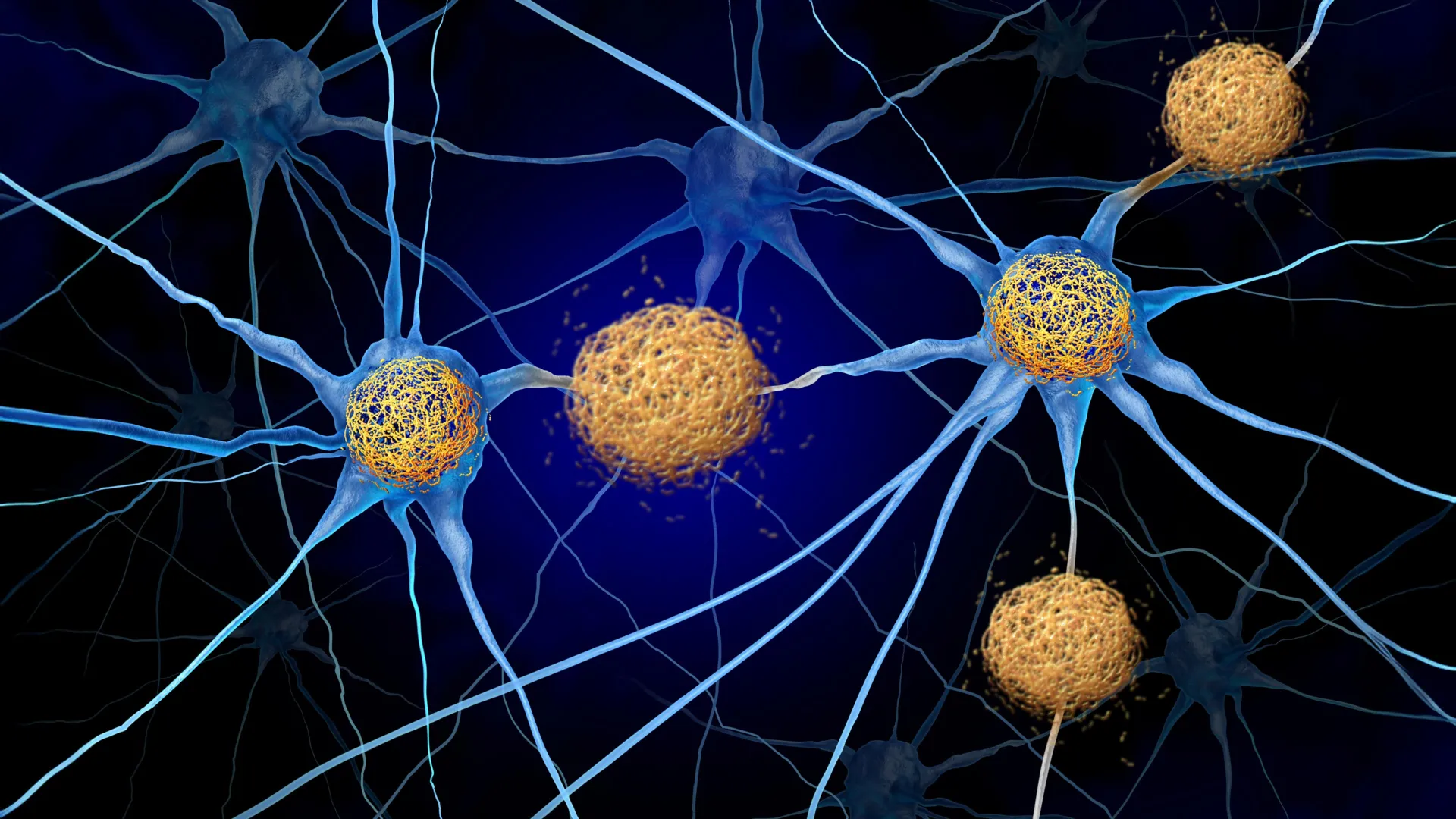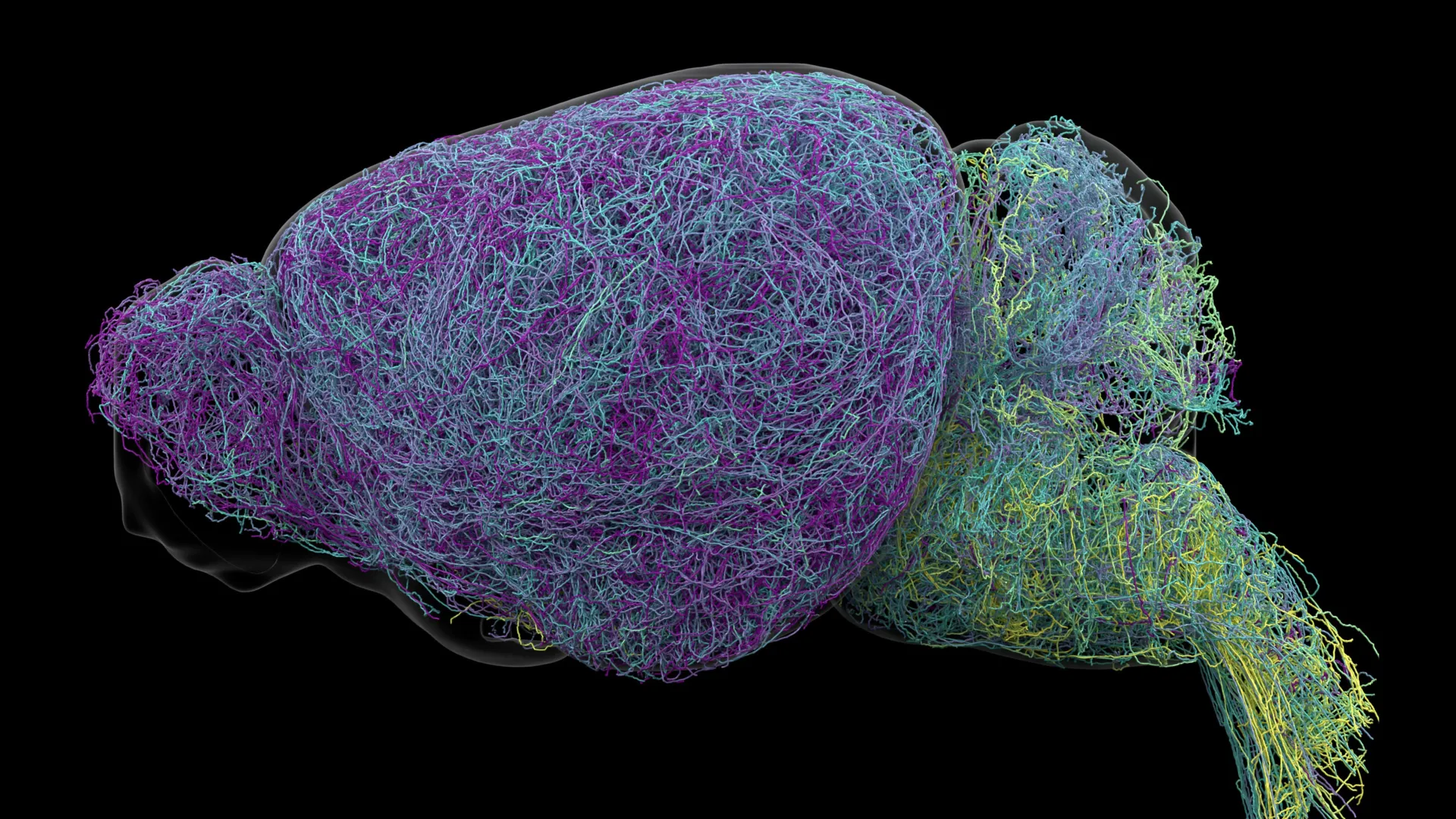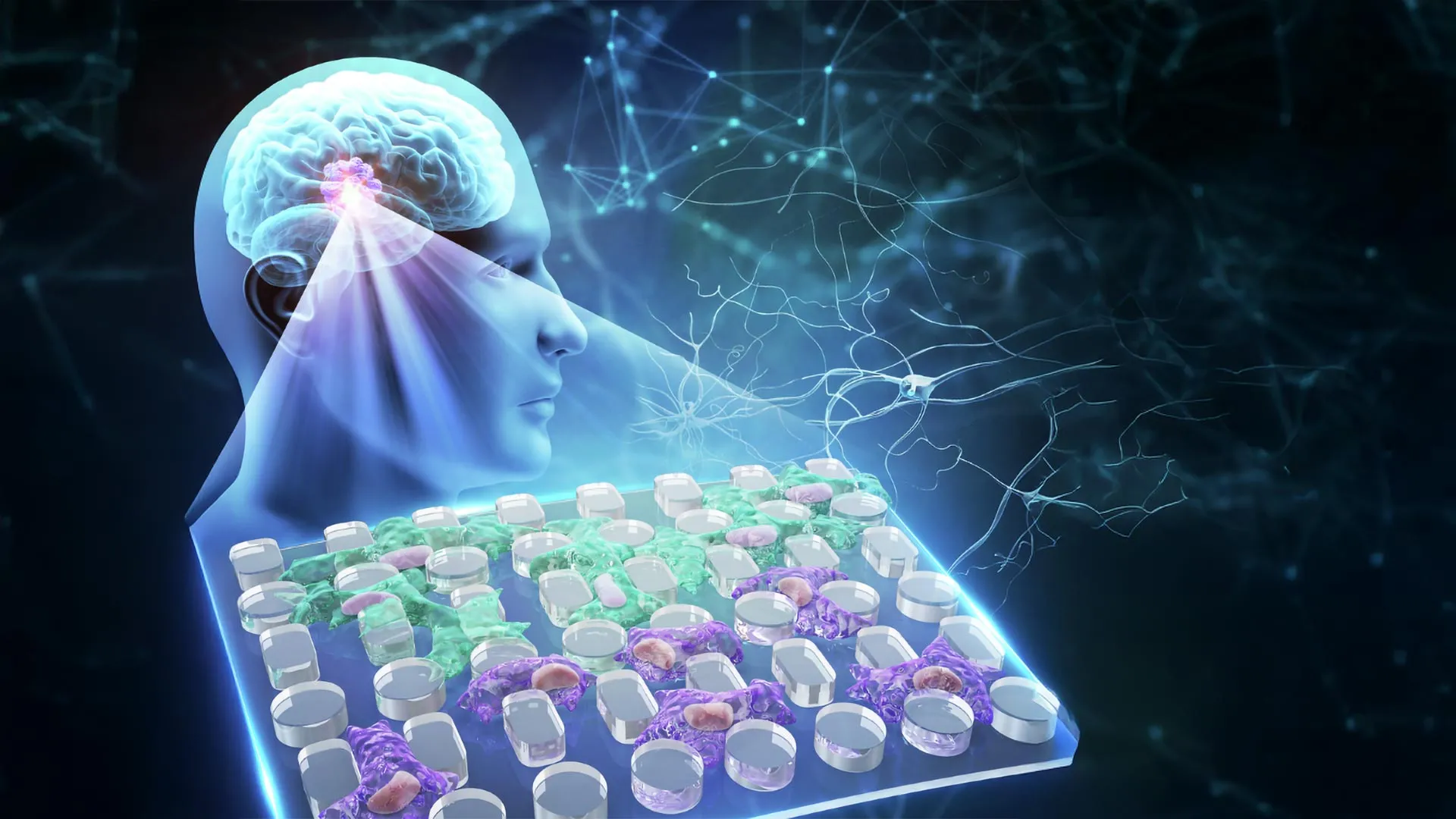
The human brain, a complex architecture of approximately 86 billion neurons, undergoes a series of inevitable physiological shifts as it ages, with the hippocampus—the critical region responsible for memory formation and spatial navigation—often bearing the brunt of these changes. In a landmark study published in the journal Nature Aging, researchers at the University of California, San Francisco (UCSF) have identified a specific protein, Ferritin Light Chain 1 (FTL1), as a central orchestrator of this cognitive decline. The discovery not only clarifies the molecular mechanisms that underpin age-related memory loss but also demonstrates, for the first time in a laboratory setting, that the cognitive impairments associated with aging can be effectively reversed.
The hippocampus is one of the most plastic regions of the brain, meaning it is constantly reorganizing itself by forming new neural connections. However, as individuals enter their later decades, this plasticity wanes, leading to common symptoms ranging from "senior moments" to the more profound deficits seen in neurodegenerative diseases. By isolating FTL1 as a primary driver of this process, the UCSF team has provided a tangible target for future pharmacological interventions aimed at restoring youthful function to the aging brain.
The Identification of FTL1: A Proteomic Breakthrough
The quest to identify the molecular "clocks" of the brain led the UCSF team to perform a comprehensive longitudinal analysis of the hippocampal environment. Using mouse models, which share significant genetic and neurological similarities with humans, the researchers tracked the expression of thousands of genes and proteins over the course of the animals’ lifespans. This deep-dive approach, known as proteomics, allowed the team to see which biological markers remained stable and which fluctuated as the mice moved from youth to senescence.
Among the vast array of molecular data, FTL1 emerged as a statistical anomaly. While many proteins showed minor fluctuations, FTL1 exhibited a consistent and significant increase in the hippocampal tissues of older mice. This elevation was not merely a byproduct of age but appeared to be directly correlated with the physical signs of cognitive deterioration. Older mice with the highest concentrations of FTL1 also displayed the most significant loss of synaptic density—the junctions where neurons communicate—and the poorest performance on standardized memory and learning assessments.
Causality and the Structural Impact of FTL1
To move beyond a simple correlation, the research team, led by Saul Villeda, PhD, associate director of the UCSF Bakar Aging Research Institute, conducted a series of "gain-of-function" experiments. They artificially boosted the levels of FTL1 in the hippocampi of young, healthy mice to see if the protein alone could induce the symptoms of aging. The results were immediate and profound.
Young mice with elevated FTL1 levels began to display the hallmarks of an aged brain. Structurally, their neurons underwent a process of simplification. In a healthy young brain, nerve cells feature complex, branching networks of dendrites, allowing for robust communication across multiple pathways. However, the introduction of excess FTL1 caused these cells to adopt a simplified, stunted structure, often characterized by short, single extensions rather than the intricate "arborization" seen in youthful tissue.
Behaviorally, these young mice also struggled. They became less efficient at navigating mazes and showed diminished retention of learned tasks, effectively mimicking the cognitive profile of mice twice their age. This phase of the study confirmed that FTL1 is a causal agent in the degradation of hippocampal health.
Reversing the Clock: The Therapeutic Potential of FTL1 Reduction
Perhaps the most significant finding of the UCSF study lies in its "loss-of-function" phase. Having established that FTL1 causes decline, the researchers sought to determine if removing or reducing the protein could restore lost function. They utilized advanced genetic tools to lower FTL1 levels in the brains of elderly mice that had already begun to show significant cognitive impairment.
The results challenged the traditional view that age-related brain damage is a one-way street. Upon the reduction of FTL1, the older mice showed a remarkable recovery of neural connectivity. Synaptic markers increased, and the physical architecture of the hippocampus began to resemble a more youthful state. Most importantly, these biological changes translated to improved cognitive performance. The elderly mice regained their ability to perform memory-intensive tasks, performing at levels comparable to much younger animals.
"It is truly a reversal of impairments," said Dr. Saul Villeda. "In the field of aging research, we often talk about delaying the inevitable or slowing down the progression of decline. But here, we are seeing a restoration of function. It’s much more than merely delaying or preventing symptoms; it is an active return to a previous state of health."
The Metabolic Connection: Energy Depletion in the Aging Brain
To understand why FTL1 has such a devastating effect on neurons, the UCSF team investigated the protein’s impact on cellular metabolism. Neurons are among the most energy-demanding cells in the body, requiring a constant supply of adenosine triphosphate (ATP) to maintain the electrical gradients necessary for signaling.
The experiments revealed that high levels of FTL1 interfere with the way hippocampal cells utilize energy. In older mice, the presence of the protein was linked to a significant slowdown in cellular metabolism, effectively "starving" the neurons of the energy required to maintain complex dendritic branches. This metabolic failure explains why the cells simplify their structures; they no longer have the resources to support a large, branching network.
In a pivotal addition to the study, researchers treated these energy-starved cells with a metabolic-boosting compound. This intervention successfully bypassed the blockade created by FTL1, preventing the structural simplification of the neurons even when the protein levels remained high. This suggests that FTL1’s primary path of destruction is through the disruption of the brain’s energy supply, opening up a second potential avenue for treatment: metabolic rejuvenation.
Context and Chronology of the Discovery
The discovery of FTL1’s role in brain aging is the culmination of years of research at UCSF into the "systemic milieu" of aging. For the past decade, the Villeda lab and others have explored how factors in the blood and the brain’s local environment change over time.
- Phase 1: Identification (2020-2021): Researchers began large-scale proteomic screening of hippocampal tissue across various age groups.
- Phase 2: Correlation (2021-2022): The team narrowed down thousands of candidates to FTL1, noting its consistent presence in the brains of mice with memory deficits.
- Phase 3: Causality Testing (2022-2023): "Gain-of-function" and "loss-of-function" experiments were conducted to prove that FTL1 directly drives aging symptoms.
- Phase 4: Metabolic Analysis (2023-2024): The link between FTL1 and cellular energy depletion was established, providing a mechanistic explanation for the observed structural changes.
This chronology reflects a shift in the field of neuroscience from focusing solely on plaques and tangles—the traditional hallmarks of Alzheimer’s disease—to a broader understanding of the fundamental biological processes of aging that make the brain vulnerable to disease in the first place.
Broader Implications for Human Health
While the current study was conducted in mice, the implications for human medicine are vast. FTL1 is a highly conserved protein, meaning it performs a similar function in humans as it does in other mammals. In humans, the FTL gene provides instructions for making the ferritin light chain protein, which is typically involved in the safe storage of iron within cells. The discovery that it also acts as a regulator of brain aging and metabolism suggests that existing knowledge of iron metabolism could be leveraged to develop new therapies.
The ability to reverse cognitive decline, rather than just slowing it, could revolutionize geriatric care. As the global population ages, the prevalence of age-related cognitive impairment is expected to rise sharply. According to the World Health Organization, over 55 million people currently live with dementia, a figure projected to nearly triple by 2050. Targeting FTL1 could offer a way to maintain cognitive "healthspan," allowing individuals to remain independent and mentally sharp well into their later years.
"We’re seeing more opportunities to alleviate the worst consequences of old age," Dr. Villeda remarked. "It’s a hopeful time to be working on the biology of aging because we are moving past the idea that the aging brain is a lost cause."
Future Directions and Research
The next steps for the UCSF team involve determining how FTL1 levels can be safely modulated in humans. This may involve the development of small-molecule inhibitors or the use of antisense oligonucleotides (ASOs) to "silence" the production of the protein in the hippocampus. Additionally, the team plans to investigate whether FTL1 plays a role in other regions of the brain or if its effects are localized strictly to the hippocampus.
The study also raises questions about the environmental and genetic factors that cause FTL1 to rise in some individuals more than others. Understanding these triggers could lead to preventative strategies, such as dietary or lifestyle interventions that keep FTL1 levels in check before cognitive decline begins.
Authors and Funding
The study was a collaborative effort involving a diverse team of researchers at UCSF. Alongside senior author Saul Villeda, PhD, the contributing authors include Laura Remesal, PhD, Juliana Sucharov-Costa, Karishma J.B. Pratt, PhD, Gregor Bieri, PhD, Amber Philp, PhD, Mason Phan, Turan Aghayev, MD, PhD, Charles W. White III, PhD, Elizabeth G. Wheatley, PhD, Brandon R. Desousa, Isha H. Jian, Jason C. Maynard, PhD, and Alma L. Burlingame, PhD.
The research was supported by a robust network of funding bodies, highlighting the high priority placed on aging research by the scientific community. Major contributors included the Simons Foundation, the Bakar Family Foundation, the National Science Foundation, and the Hillblom Foundation. Additional support was provided by the Bakar Aging Research Institute, Marc and Lynne Benioff, and the National Institutes of Health (under grants AG081038, AG067740, AG062357, and P30 DK063720). For a full list of authors and funding sources, the complete paper can be found in the current issue of Nature Aging.