Cell line development (CLD) stands as a foundational pillar in the burgeoning field of biopharmaceutical manufacturing and biomedical research. This intricate process is indispensable for producing biologics—complex drugs derived from living organisms, including monoclonal antibodies, recombinant proteins, and vaccines—which collectively represent the fastest-growing segment of the pharmaceutical market. Beyond therapeutic production, stable and well-characterized cell lines are vital tools across the drug discovery pipeline, underpinning drug screening, toxicity testing, disease modeling, and the investigation of gene function. In essence, CLD is not merely a step but a critical enabler of modern medicine, driving innovation from fundamental research to life-saving therapies.
A Historical Journey: The Genesis of Cell Culture
The conceptual and practical foundations of cell line development were meticulously laid in the late 19th and early 20th centuries, marking the nascent stages of cell culturing. In the 1880s, Wilhelm Roux, working at the University of Halle in Germany, demonstrated a groundbreaking principle: the viability of isolated animal cells could be sustained ex vivo in a simple saline solution. This early success proved that cells could be removed from their natural physiological environment and kept alive, albeit temporarily, paving the way for more complex cultivation methods.
The trajectory of cell culture took a significant leap forward in 1906 with Ross Granville Harrison at Johns Hopkins University (MD, USA). Harrison successfully cultivated frog nerve cells within test tubes using a liquid medium comprising blood clots, saline, and agar. His pioneering work extended to the development of the "hanging drop" technique, a method still recognized and utilized in contemporary cell culture research. This technique involves suspending cells within a droplet of plasma on the underside of a glass slide, offering a clear view of cellular behavior and growth, and highlighting the importance of a controlled microenvironment.
The subsequent decades witnessed a cascade of breakthroughs, largely catalyzed by the adoption of aseptic technique, which mitigated contamination and allowed for longer-term cell viability. A notable advancement came in 1911 when Alexis Carrel of the Rockefeller Institute (NY, USA) introduced what could be considered one of the earliest forms of 3D cell culture. Carrel cultivated tissue fragments on silk threads saturated with plasma, demonstrating a novel approach to mimic in vivo tissue architecture. Carrel is also credited with isolating and cultivating one of the first immortalized cell lines, derived from chicken embryonic hearts, a controversial achievement at the time due to claims of indefinite tissue lifespan.
The Era of Established Cell Lines: Transforming Biomedical Research
The mid-20th century heralded the establishment of stable, immortalized mammalian cell lines, fundamentally altering the landscape of biomedical research. In 1943, William Earle at the National Cancer Institute (MD, USA) established "L cells," a mouse fibroblast cell line. These cells became a standard research tool, offering a consistent and reproducible system for studying cellular processes.
However, it was the creation of the first human cell line in 1951 by George Gey at Johns Hopkins University that truly revolutionized the field. These "HeLa" cells, derived from Henrietta Lacks’ cervical cancer cells without her informed consent, rapidly became the most widely used human cell line globally. Despite the profound ethical concerns surrounding their origin—issues that continue to fuel discussions about patient rights and bioethics—HeLa cells have been instrumental in countless scientific discoveries. Their robust growth and resilience made them invaluable for research, notably contributing to the development of the first polio vaccine in 1953, and subsequently playing a role in mapping the human genome, cancer research, and viral studies. The story of HeLa cells remains a complex narrative of scientific triumph intertwined with deep ethical considerations, prompting significant reforms in patient consent and research ethics.
Six years later, in 1957, another pivotal cell line was established: the Chinese hamster ovary (CHO) cell line. Researchers at the University of Colorado Medical School (CO, USA) extracted epithelial cells from the ovary of a female Chinese hamster, giving birth to what would become the industry standard for recombinant protein production. CHO cells possess several advantages that have cemented their role in biopharmaceutical manufacturing: they grow robustly in suspension, are amenable to genetic manipulation, and, crucially, can perform post-translational modifications, such as glycosylation, that are essential for the activity and stability of many human therapeutic proteins. Their significance was underscored in 1987 when human tissue plasminogen activator (tPA), the first mammalian-expressed recombinant therapeutic, gained FDA approval, having been produced in CHO cells. Today, CHO cells are the workhorse of biotherapeutic production, responsible for manufacturing a vast majority of recombinant protein drugs, including many blockbuster monoclonal antibodies.
The 1970s brought another critical addition to the cell line arsenal with the generation of HEK-293 cells in 1973 at Leiden University (Netherlands). Alex Van der Eb and Frank Graham created this line by transfecting normal healthy human embryonic kidney cells with adenovirus 5 DNA. HEK-293 cells and their numerous derivatives have found widespread application in producing therapeutic proteins and, particularly, in generating viruses for gene therapy. Their ability to efficiently express recombinant proteins and their amenability to viral propagation made them indispensable during the COVID-19 pandemic, where they were utilized in the manufacture of several adenoviral-vectored vaccines.
The Rigorous Stages of Modern Cell Line Development
Establishing a stable, high-performing cell line for drug discovery and biomanufacturing is a multi-step, technically demanding process. While creating entirely new cell lines can be challenging, scientists frequently modify existing, well-characterized lines like CHO, HeLa, or HEK293 cells due to their established growth characteristics, safety profiles, and regulatory acceptance.
The journey typically begins with gene cloning and transfection. Cells from a carefully selected host line are transfected with an engineered plasmid containing the gene encoding the desired therapeutic protein. This plasmid, carrying the genetic instructions, enters the cell’s nucleus and integrates into the host cell’s DNA. The goal is to achieve stable integration, meaning the gene becomes a permanent part of the cell’s genome and is passed on to daughter cells during division. Various transfection methods, including electroporation, lipofection, and viral transduction, are employed, each with its own advantages and considerations regarding efficiency and cell viability.
Following transfection, the next critical step is cell isolation and expansion to create clonal populations. Not all transfected cells will successfully integrate the gene or express the protein effectively. Therefore, a rigorous screening process is initiated to identify and isolate single cells (clones) that exhibit stable integration and high expression levels of the protein of interest. This step often involves limiting dilution, where cells are diluted to a concentration that ensures each well in a multi-well plate theoretically receives only one cell. The monoclonality of the resulting cell population—meaning all cells in the culture originate from a single progenitor cell—is verified, as it is a crucial regulatory requirement for ensuring product consistency and quality.
Once stable, high-expressing clones are identified, the focus shifts to media and culture condition optimization. This involves fine-tuning the cell culture environment—including nutrient composition, pH, temperature, and dissolved oxygen—to maximize cell growth, viability, and protein productivity. This iterative process aims to identify the optimal conditions that yield the highest quantity and quality of the therapeutic protein from the best-performing clones.
The subsequent phase, evaluation and characterization, is paramount for determining the cell line’s suitability for manufacturing the biologic. This involves a comprehensive analysis of critical quality attributes (CQAs) of the produced protein, such as its glycosylation profile, aggregation state, charge variants, specific activity, and overall stability. Advanced analytical techniques, including mass spectrometry, high-performance liquid chromatography (HPLC), and enzyme-linked immunosorbent assays (ELISA), are employed. Based on these rigorous evaluations, lead clones that consistently produce the desired biologic with the required quality attributes are selected. These lead clones undergo further in-depth characterization to confirm their consistency and stability over prolonged culture periods.
Finally, the selected lead clones are expanded to generate a cell bank. This typically involves creating a Master Cell Bank (MCB) and a Working Cell Bank (WCB). These banks consist of large quantities of cells cryopreserved under controlled conditions, serving as a renewable source for future manufacturing runs. The cell banks undergo extensive characterization and safety testing to ensure they are free from adventitious agents and genetically stable, guaranteeing the long-term supply and consistent quality of the biopharmaceutical product.
Transformative Technologies Driving Modern CLD
The complexity and critical nature of cell line development have spurred continuous innovation, leading to the integration of cutting-edge technologies that are rapidly accelerating timelines, improving reliability, and enhancing the quality of therapeutic biologics.
Automation and High-Throughput Screening
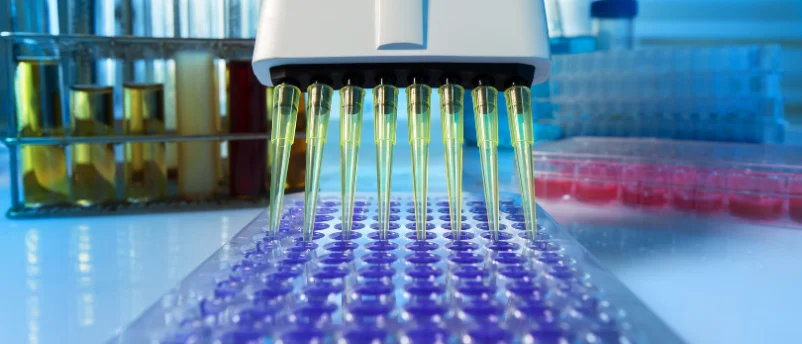
The advent of automated, high-throughput instruments and platforms has profoundly impacted CLD. These technologies address several bottlenecks, significantly accelerating development timelines, improving experimental reliability and reproducibility, and ensuring the stability of selected clones—all critical factors for drug discovery and manufacturing.
Steps such as single-cell cloning, monoclonality verification, and clone screening are notoriously time-consuming and labor-intensive when performed manually. Automated solutions streamline these processes. For instance, traditionally, monoclonality verification relied on limiting dilution, a method that is slow, resource-intensive, and less cost-effective. While fluorescence-activated cell sorting (FACS) offered a speed advantage, it could sometimes compromise cell viability. However, advanced automated systems now leverage real-time imaging and sophisticated algorithms to verify clonality and viability non-invasively. Tools like the CellCellector CLD from Sartorius (Göttingen, Germany) exemplify this trend, dramatically decreasing the time spent on screening and selection while simultaneously improving the quality and consistency of the resulting cell lines. These automated platforms reduce human error, increase throughput, and enable the screening of thousands of clones in parallel, accelerating the identification of optimal candidates.
Artificial Intelligence (AI) and Machine Learning (ML)
Artificial intelligence and machine learning are rapidly reshaping CLD, promising more rapid and reliable protein production with unprecedented efficiency. Historically, optimizing protein expression involved extensive trial-and-error experiments, demanding significant laboratory resources, time, and human-driven decision-making. AI’s capacity to analyze vast, complex datasets, uncover intricate patterns, and predict high-performing clones is overcoming many of these traditional obstacles.
By sifting through data from thousands of clones—including quantitative protein titers, growth kinetics, and a massive volume of imaging and fluorescence data—AI algorithms can perform fast and accurate clone ranking and performance validation. This predictive capability significantly reduces the experimental burden and shortens development cycles.
A compelling example comes from a preprint published earlier this year (and currently undergoing peer review), which introduced the CLAIRE (Cell Line AI Recognition and Evaluation) tool. Developed by a team at Gilead Sciences (CA, USA), CLAIRE optimizes end-to-end cell line development through deep-learning image analysis and automated liquid handling. The research benchmarked three state-of-the-art object detection algorithms for monoclonality, doublet, and multiple cell detection. The integration of AI resulted in a streamlined 36-day CLD workflow capable of generating high-titer cell lines for multiple complex antibody structures, demonstrating AI’s potential to dramatically improve speed and success rates in biopharmaceutical development.
Advanced Gene Editing Technologies
Advances in gene editing, particularly CRISPR-Cas9 technology, have profoundly impacted CLD protocols, offering unparalleled precision in modifying host cell genomes. Techniques like CRISPR and optimized lipofection methods improve the delivery of genetic material into host cells, often circumventing the need for viral vectors or harsh transfection conditions that can negatively impact cell viability or stability. This enhancement in genetic engineering allows for the creation of more stable cell lines for biologic production, the development of highly precise disease models, and more accurate studies of gene function.
CRISPR’s utility extends to both "knockout" (gene inactivation) and "knock-in" (gene insertion) approaches, enabling scientists to precisely modify genes that influence protein expression, post-translational modifications, and cell growth characteristics. For instance, a 2022 study demonstrated CRISPR’s ability to improve cell-specific productivity without impairing product quality. Scientists from Roche Innovation Centre Munich (Penzberg, Germany) used a CRISPR-based knockout approach to screen 187 target genes for their effect on the expression of two different antibody formats in two CHO clones. They found that depletion of the protein Myc increased product expression by over 40% and led to substantially higher product titers in industrially relevant bioprocesses. This research unequivocally demonstrated CRISPR’s significant role in increasing the yield of complex biotherapeutics in CLD protocols.
Beyond knockout strategies, CRISPR can be employed for the overexpression of beneficial genes and the silencing or knockdown of unfavorable targets in CHO cell engineering. This has expanded opportunities for targeted genome editing and refined target screening. Combinatorial target engineering, which involves simultaneously modifying multiple genes, has proven particularly successful at improving biologic yield. For example, a 2024 study reported a tenfold improvement in monoclonal antibody (mAb) production by combining the knockout of pro-apoptotic proteins BAX and BAK with the inducible overexpression of transcription factors cMYC and BLIMP1/PRDM1. Such sophisticated genetic manipulations are paving the way for "designer cell lines" engineered for optimal performance.
Broader Impact and Future Outlook
The convergence of automation, artificial intelligence, and advanced gene editing technologies is fundamentally transforming cell line development, with far-reaching implications for drug discovery, biomanufacturing, and global health. These technological advancements are not merely incremental improvements; they represent a paradigm shift in how biopharmaceuticals are developed and produced.
Accelerated Drug Discovery and Development: By streamlining critical steps in CLD, these technologies significantly shorten the timeline from initial target identification to the availability of clinical-grade material. This acceleration means new therapies can reach patients faster, especially crucial during public health crises, as evidenced by the rapid development of COVID-19 vaccines and therapeutics. The ability to quickly generate and optimize cell lines is a cornerstone of agile drug development.
Enhanced Biomanufacturing Efficiency and Accessibility: Improved cell line productivity and stability directly translate to more efficient biomanufacturing processes. Higher yields reduce production costs, making life-saving biologics more accessible and affordable globally. The consistency and reproducibility offered by automated systems and AI-driven insights also enhance process robustness, minimizing batch-to-batch variability and ensuring product quality.
Advancing Precision Medicine: The precision offered by gene editing technologies allows for the creation of highly specific disease models and the development of tailored therapies. By engineering cell lines to mimic specific disease states or to produce highly customized therapeutic proteins, CLD is playing an increasingly vital role in the realization of personalized medicine.
Addressing Global Health Challenges: The capacity for rapid and efficient cell line development is a critical component of pandemic preparedness and response. The ability to quickly generate cell lines for vaccine production or therapeutic antibody manufacturing can be decisive in mitigating the impact of emerging infectious diseases.
Despite these remarkable advancements, challenges remain. Regulatory bodies continuously adapt to the evolving landscape of novel cell lines and production methods, requiring rigorous safety and efficacy data. Ensuring the scalability of highly engineered cell lines from lab-scale to commercial production remains a focus, as does navigating the complex intellectual property landscape surrounding cell line technologies.
Looking ahead, the future of cell line development will likely involve even deeper integration of multi-omics data (genomics, proteomics, metabolomics) with AI/ML to create sophisticated predictive models and "digital twins" of bioprocesses. Further innovations in bioreactor design, continuous manufacturing, and the development of entirely novel host cell systems promise to push the boundaries of biopharmaceutical production. It is thanks to this relentless pursuit of innovation—driven by automation, AI, and gene editing—that cell line development continues to progress, accelerating biotherapeutic manufacturing and drug discovery with every groundbreaking stride, ultimately improving human health worldwide.