BioTechniques, a leading scientific publication, in collaboration with Sartorius, a prominent international partner of the life science research and biopharmaceutical industry, has initiated a comprehensive survey designed to meticulously document the current landscape of cell line development (CLD) workflows. This critical initiative aims to gather actionable insights into the specific technologies researchers are employing and the persistent challenges they encounter in this fundamental area of biotechnology. The survey, estimated to take less than five minutes to complete, offers participants the opportunity to contribute to a deeper understanding of industry practices while also entering a prize draw for a US$100 Amazon gift card or a donation to a charity of their choice. This endeavor forms an integral part of a broader "Spotlight on cell line development," an in-depth feature curated by BioTechniques to illuminate expert perspectives and cutting-edge advancements in the field.
The Pivotal Role of Cell Line Development in Modern Biotechnology
Cell line development stands as a cornerstone of modern biotechnology, underpinning the production of a vast array of biological products, from life-saving biopharmaceutical drugs and vaccines to crucial diagnostic tools and advanced cell and gene therapies. It involves the meticulous process of isolating, selecting, and engineering a stable cell population that can consistently produce a target protein or therapeutic molecule. The success of any biopharmaceutical venture is inextricably linked to the efficiency, stability, and productivity of its chosen cell line. A robust and well-characterized cell line can significantly accelerate drug discovery, reduce manufacturing costs, and ensure the consistent quality and safety of therapeutic products. Conversely, suboptimal cell lines can lead to production bottlenecks, increased development timelines, and ultimately, higher costs for patients and healthcare systems.
The increasing complexity of biotherapeutics, such as monoclonal antibodies, recombinant proteins, and the burgeoning field of cell and gene therapies, has amplified the demand for sophisticated and highly optimized cell line development strategies. These advanced therapeutics often require cell lines capable of complex post-translational modifications, high titers, and long-term genetic stability, pushing the boundaries of traditional CLD approaches. The global biopharmaceutical market continues its robust growth trajectory, with projections indicating a sustained expansion fueled by an aging population, increasing prevalence of chronic diseases, and breakthroughs in personalized medicine. This growth further underscores the imperative for continuous innovation and efficiency improvements in CLD processes, making initiatives like the BioTechniques-Sartorius survey particularly timely and relevant.
Navigating the Technological Landscape of Cell Line Development
The technologies employed in cell line development are diverse and constantly evolving, reflecting the industry’s drive for greater precision, speed, and automation. The survey seeks to identify the prevalence and perceived effectiveness of these tools across various laboratories and research settings. Key technological areas that are likely to be explored include:
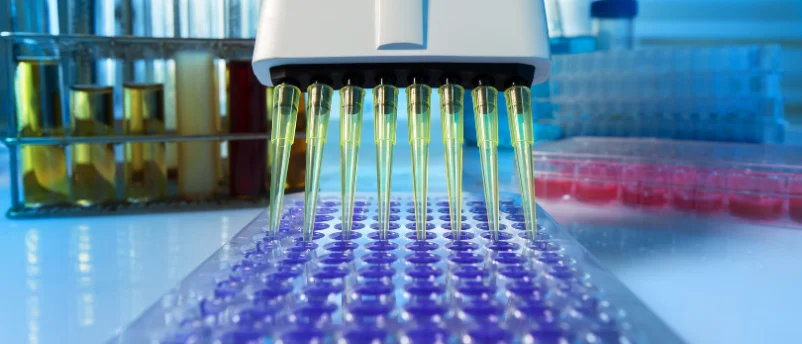
- Automated Cell Culture and Screening Systems: Robotic platforms and automated liquid handlers have revolutionized the early stages of CLD, enabling high-throughput screening of thousands of cell clones. These systems significantly reduce manual labor, improve reproducibility, and accelerate the identification of high-performing clones.
- Single-Cell Isolation Technologies: Techniques such as fluorescence-activated cell sorting (FACS), limiting dilution, and specialized microfluidic devices are crucial for ensuring the clonality of cell lines, a regulatory requirement for biopharmaceutical manufacturing. Advances in these technologies aim to increase recovery rates and maintain cell viability during isolation.
- Genetic Engineering Tools: CRISPR-Cas9, TALENs, and zinc finger nucleases have become indispensable for precise genome editing, allowing researchers to introduce target genes into specific genomic locations, optimize expression levels, or knock out undesirable genes. These tools are vital for creating stable, high-producing cell lines with desired characteristics.
- Advanced Imaging and Analytics: High-content imaging systems combined with sophisticated image analysis software provide detailed morphological and functional data on individual cells and colonies, facilitating the selection of optimal clones. Real-time monitoring and analytics contribute to better process understanding and control.
- Bioreactor Systems and Process Optimization: From bench-top bioreactors for early-stage development to large-scale production systems, the choice and optimization of bioreactor technology are critical. The survey might delve into preferences for stirred-tank, wave, or perfusion bioreactors and the strategies used for media optimization and process intensification.
- Data Management and Bioinformatics: The sheer volume of data generated during CLD necessitates robust data management systems and bioinformatics tools for analysis, interpretation, and decision-making. These tools help identify correlations between genetic modifications, culture conditions, and product quality.
Understanding which of these technologies are most widely adopted, which are considered most impactful, and where researchers feel there are gaps will provide invaluable data for technology developers and research institutions alike.
Addressing the Persistent Challenges in Cell Line Development
Despite technological advancements, cell line development remains fraught with challenges that can impede progress and increase costs. The BioTechniques-Sartorius survey is specifically designed to bring these pain points to the forefront, offering a collective voice to the scientific community. Common challenges often include:
- Time and Resource Intensiveness: The entire CLD process, from initial transfection to the generation of a stable, high-producing master cell bank, can take many months, often exceeding a year. This lengthy timeline consumes significant resources, including skilled personnel, reagents, and specialized equipment.
- Achieving High Productivity and Stability: Consistently generating cell lines that produce high titers of the target protein while maintaining genetic stability over numerous passages remains a significant hurdle. Variability in protein expression, aggregation, or post-translational modifications can compromise product quality and yield.
- Ensuring Clonality and Genetic Homogeneity: Regulatory bodies mandate that biopharmaceutical cell lines originate from a single cell (clonality). Proving clonality and ensuring the genetic homogeneity of the cell population throughout the development and manufacturing process is technically challenging and requires rigorous documentation.
- Regulatory Compliance and Quality Control: Navigating the complex regulatory landscape, including Good Manufacturing Practice (GMP) requirements, adds another layer of complexity. Ensuring that all CLD steps meet stringent quality control standards for safety, purity, and potency is paramount.
- Cost of Development: The high capital expenditure for advanced instrumentation, specialized reagents, and the ongoing operational costs associated with maintaining sterile cell culture facilities contribute to the overall expense of CLD.
- Scalability Issues: Successfully translating a cell line developed in a small-scale laboratory setting to large-scale commercial manufacturing requires careful optimization and can present unforeseen challenges in terms of productivity, cell viability, and product quality.
- Data Interpretation and Integration: Managing and interpreting the vast datasets generated from high-throughput screening, genomic analysis, and bioreactor monitoring can be overwhelming without robust bioinformatics infrastructure and expertise.
By systematically cataloging these challenges, the survey aims to highlight areas most in need of innovation, investment, and collaborative problem-solving within the scientific community.
The "Spotlight" Initiative: A Deeper Dive into CLD
The survey is not an isolated effort but a strategic component of BioTechniques’ "Spotlight on cell line development." This broader initiative serves as a curated platform to provide comprehensive, expert-driven insights into the current state and future directions of CLD. The Spotlight typically features:
- Expert Interviews and Opinion Pieces: Leading researchers, industry veterans, and key opinion leaders share their perspectives on emerging trends, best practices, and innovative solutions in CLD.
- Review Articles and Technical Notes: In-depth analyses of specific technologies, methodologies, and challenges, often drawing on peer-reviewed literature and proprietary research.
- Webinars and Virtual Events: Interactive sessions allowing researchers to engage directly with experts and discuss pressing issues in real-time.
The integration of the survey within this Spotlight initiative is critical. While expert opinions offer valuable foresight and strategic direction, the survey data will provide a ground-level, empirical understanding of what is actually happening in laboratories worldwide. This combination of top-down expertise and bottom-up data collection creates a holistic view, ensuring that the "Spotlight" feature is not only forward-looking but also firmly grounded in the practical realities faced by researchers daily. The timeline for the Spotlight likely involves an initial launch of expert content, followed by the survey to gather community input, with a subsequent analysis and publication of the survey findings, enriching the overall feature with real-world data.
Sartorius: A Strategic Partner in Advancing Life Sciences
The partnership with Sartorius underscores the significance and potential impact of this survey. Sartorius is a global leader in the life science research and biopharmaceutical industries, providing a wide array of products and services crucial for CLD and bioprocessing. Their portfolio spans bioreactors, cell culture media, filtration systems, laboratory instruments, and a growing suite of digital solutions. Their involvement in this survey highlights their commitment to understanding the evolving needs of their customers and the broader scientific community.
A spokesperson for Sartorius, whose insights are implicitly sought through such collaborations, would likely emphasize the company’s dedication to supporting researchers in overcoming complex challenges. "Our collaboration with BioTechniques on this vital survey reflects our unwavering commitment to advancing cell line development," an inferred statement might read. "By gaining a clearer picture of the technologies in use and the challenges researchers face, we can better tailor our innovative solutions, from advanced bioreactors to intelligent software, to accelerate the discovery and production of life-saving biotherapeutics." Such a partnership allows Sartorius to identify market gaps, refine product development strategies, and ensure their offerings remain at the forefront of technological innovation in CLD. Their active presence on platforms like Twitter, Facebook, and LinkedIn further demonstrates their commitment to engaging with the scientific community and fostering an open dialogue about industry advancements.
Implications of the Survey Findings for the Biotechnology Ecosystem
The data collected from this survey is poised to yield far-reaching implications across the biotechnology ecosystem:
- For Technology Developers: Companies specializing in CLD tools and reagents will gain invaluable insights into market needs, adoption rates of new technologies, and areas where current solutions fall short. This intelligence can guide their research and development efforts, leading to more targeted and impactful innovations.
- For Academic Researchers: The findings can help academic labs benchmark their practices against industry standards, identify promising new technologies to adopt, and highlight areas for collaborative research to address persistent challenges.
- For Biopharmaceutical Companies: Drug developers can use the aggregated data to understand common bottlenecks in CLD, assess the effectiveness of various approaches, and potentially optimize their internal processes to improve efficiency and reduce development timelines.
- For Regulators: While not directly influencing regulatory policy, an understanding of industry-wide challenges and technological trends can inform discussions around best practices and future guidelines for biopharmaceutical manufacturing.
- For Investors: The survey results could signal emerging investment opportunities in specific technological niches or companies that are successfully addressing critical CLD challenges.
Ultimately, the survey’s findings will contribute to a more informed, efficient, and collaborative approach to cell line development globally. By illuminating the shared experiences and challenges of researchers, it fosters a collective effort towards overcoming hurdles and accelerating the development of novel biotherapeutics.
The Evolving Landscape of Biologics and the Future of CLD
The current era is characterized by a rapid expansion in the understanding and manipulation of biological systems, leading to a surge in the development of complex biologics. From personalized cell and gene therapies that promise cures for previously intractable diseases to novel antibody-drug conjugates, the pipeline of biopharmaceutical products is more diverse and sophisticated than ever before. Efficient and robust cell line development is not merely a technical step but a strategic imperative in bringing these innovations from concept to clinic. The ability to rapidly generate high-quality, stable, and productive cell lines is a competitive advantage, directly impacting the speed at which new therapies can reach patients.
In this dynamic environment, data-driven insights are paramount. Surveys like the one launched by BioTechniques and Sartorius serve as vital feedback mechanisms, allowing the industry to self-assess, identify areas for improvement, and collectively push the boundaries of what is possible. They represent a commitment to continuous learning and adaptation, ensuring that the foundational processes of biotechnology keep pace with the breathtaking speed of scientific discovery. The opportunity for researchers to contribute their experiences, however minor they may seem individually, cumulatively forms a powerful dataset that can shape the future trajectory of cell line development for years to come. Participating in this survey is not just a chance to win a prize; it is an active contribution to the collective advancement of a field critical to global health and scientific progress.