

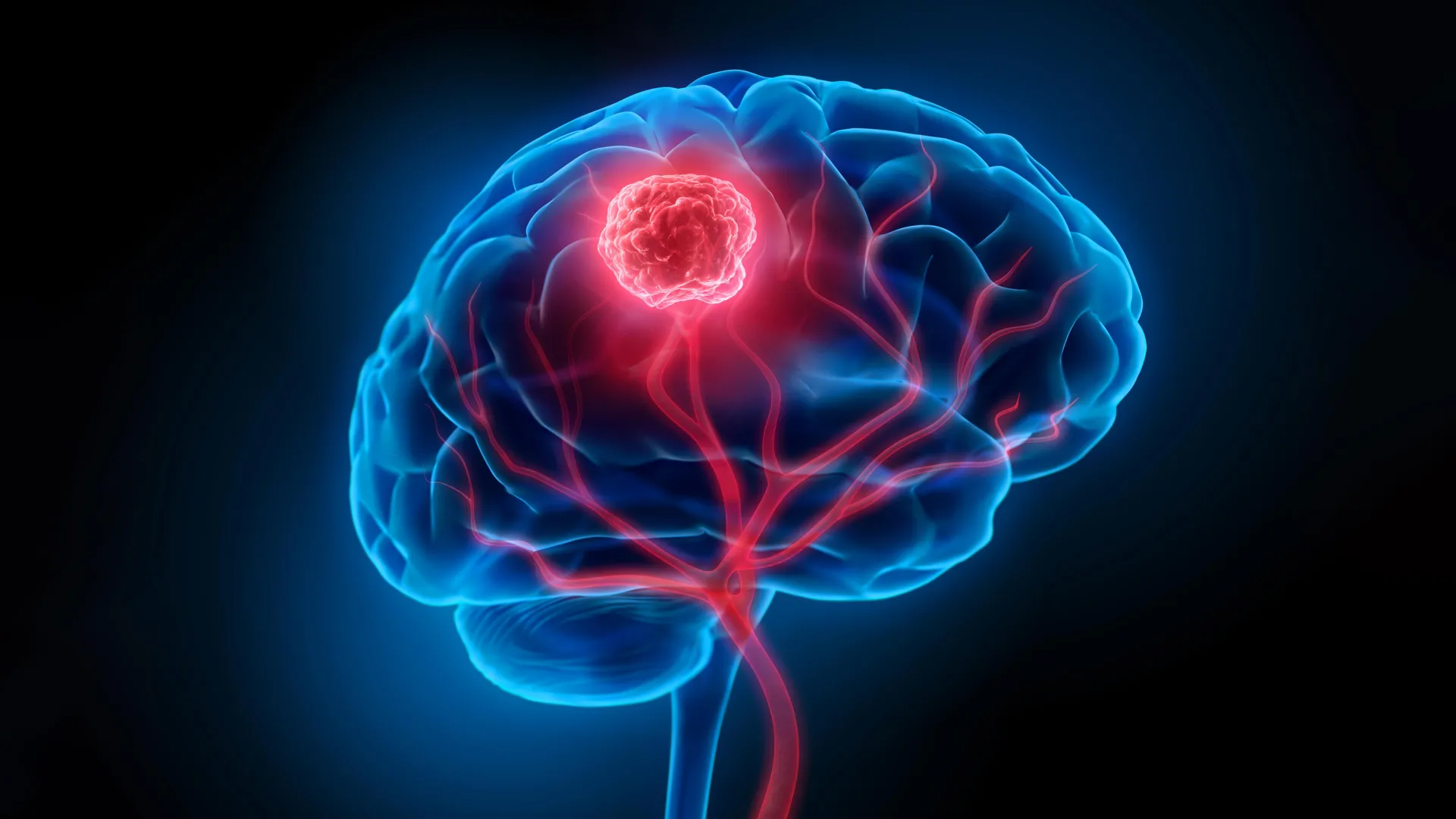
In a significant advancement for neuro-oncology, a collaborative team of scientists in Canada has uncovered a novel mechanism to impede the progression of glioblastoma, the most lethal and treatment-resistant form of brain cancer. The study, published in the prestigious journal Neuron, identifies a previously unknown communication pathway between cancer cells and healthy brain cells, while simultaneously proposing an existing HIV medication as a viable candidate for repurposing to treat this terminal disease. This discovery represents a paradigm shift in how researchers view the brain’s microenvironment, moving away from a focus solely on the tumor mass toward an understanding of the complex biological "ecosystem" that sustains it.
The research was spearheaded by experts at McMaster University’s Centre for Discovery in Cancer Research (CDCR) and The Hospital for Sick Children (SickKids) in Toronto. By analyzing the intricate signaling that occurs within the brain, the team determined that oligodendrocytes—cells traditionally responsible for insulating nerve fibers—are co-opted by glioblastoma to facilitate tumor expansion. The study highlights that interrupting this cellular dialogue significantly slows the growth of the cancer, offering a glimmer of hope for a patient population that has seen little improvement in survival rates over the past several decades.
The Clinical Challenge of Glioblastoma Multiforme
Glioblastoma multiforme (GBM) is classified by the World Health Organization as a Grade 4 astrocytoma, characterized by its rapid growth, high degree of invasiveness, and tendency to recur despite aggressive intervention. Under the current standard of care—known as the Stupp Protocol—patients typically undergo maximal surgical resection followed by a combination of radiation therapy and chemotherapy with the drug temozolomide. Despite these intensive efforts, the median survival rate remains approximately 15 to 18 months, with a five-year survival rate of less than 10%.
The primary difficulty in treating GBM lies in its heterogeneity. The tumor is not a uniform mass but a collection of diverse cells that can adapt to treatment and infiltrate deep into healthy brain tissue, making complete surgical removal nearly impossible. Furthermore, the blood-brain barrier (BBB) acts as a formidable physiological wall, preventing many promising systemic drugs from reaching the tumor site in effective concentrations. The identification of a new therapeutic target and a drug that may already possess the profile necessary to reach the brain is therefore considered a major milestone in the field.
Redefining the Tumor Microenvironment: The Ecosystem Approach
For years, cancer research focused almost exclusively on the mutations within the cancer cells themselves. However, the McMaster and SickKids study suggests that the secret to glioblastoma’s resilience lies in its surroundings. Dr. Sheila Singh, co-senior author of the study and a professor of surgery at McMaster University, emphasizes that glioblastoma must be understood as a dynamic ecosystem.
"Glioblastoma isn’t just a mass of cancer cells; it’s an ecosystem," Dr. Singh stated. "By decoding how these cells talk to each other, we’ve found a vulnerability that could be targeted with a drug that’s already on the market."
The study focused on oligodendrocytes, which are non-neuronal cells in the central nervous system. In a healthy brain, these cells produce myelin, the fatty substance that wraps around axons to ensure efficient electrical signaling between neurons. The researchers discovered that in the presence of a glioblastoma, these once-supportive cells undergo a functional transformation. They begin to emit signals that the tumor interprets as growth commands, essentially acting as "accomplices" to the cancer’s spread.
The CCR5 Signaling Pathway and the Role of Maraviroc
Through advanced molecular profiling and laboratory modeling, the research team identified the specific "language" used in this communication: the CCR5 signaling system. CCR5 is a protein receptor found on the surface of various cells. In the context of glioblastoma, the interaction between the tumor and the surrounding oligodendrocytes via the CCR5 receptor creates an environment conducive to survival and rapid proliferation.
This discovery led the researchers to Maraviroc, a drug originally developed and FDA-approved for the treatment of HIV. Maraviroc is a CCR5 antagonist; it works by blocking the receptor, which in the case of HIV prevents the virus from entering immune cells. The Canadian team hypothesized that by using Maraviroc to block the CCR5 receptor in the brain, they could effectively "mute" the signals being sent by the oligodendrocytes, thereby starving the tumor of its growth instructions.
When tested in laboratory models, the results were striking. Blocking the CCR5 pathway led to a significant reduction in tumor growth. Because Maraviroc is already an established medication with a known safety profile, its path to clinical trials for glioblastoma could be significantly shorter than that of a newly developed compound.
Chronology of Research and Institutional Collaboration
The findings published in Neuron are the result of years of integrated research between two of Canada’s leading medical institutions. The study was led by co-first authors Kui Zhai, a research associate in the Singh Lab at McMaster, and Nick Mikolajewicz, a former postdoctoral fellow in the Moffat Lab at SickKids.
The timeline of this discovery is linked to earlier breakthroughs by the same group. In early 2024, Singh and Moffat published research in Nature Medicine which demonstrated that glioblastoma cells exploit developmental pathways—mechanisms usually reserved for the growth of a fetal brain—to migrate and invade new areas of the brain. The current study builds upon that foundation by shifting the focus from the cancer’s internal pathways to its external communications.
Dr. Jason Moffat, co-senior author and head of the Genetics & Genome Biology program at SickKids, noted the importance of this progression. "The cellular ecosystem within glioblastoma is far more dynamic than previously understood," Moffat said. "In uncovering an important piece of the cancer’s biology, we also identified a potential therapeutic target that could be addressed with an existing drug."
The research was supported by the 2020 William Donald Nash Brain Tumour Research Fellowship and the Canadian Institutes for Health Research (CIHR). The involvement of high-level chairs, such as the Tier 1 Canada Research Chair in Human Cancer Stem Cell Biology held by Dr. Singh and the GlaxoSmithKline Chair held by Dr. Moffat, underscores the academic and clinical weight behind the study.
Analysis of Implications: Drug Repurposing and Precision Medicine
The potential to repurpose Maraviroc for glioblastoma treatment has profound implications for both medical economics and patient outcomes. The traditional drug development pipeline—from discovery to clinical approval—can take over a decade and cost billions of dollars. Drug repurposing bypasses the early stages of safety and toxicity testing, potentially allowing for "off-label" use or accelerated clinical trials.
Furthermore, this research aligns with the broader trend of precision medicine. By identifying the specific signaling pathways active in a patient’s tumor microenvironment, clinicians may eventually be able to tailor treatments to disrupt those specific interactions. If the CCR5 pathway is found to be a dominant driver in a subset of glioblastoma patients, Maraviroc could become a cornerstone of a personalized treatment regimen.
However, experts caution that while the laboratory results are promising, the transition to human patients involves complexities. The blood-brain barrier remains a factor; although Maraviroc has shown some ability to penetrate the central nervous system, researchers will need to determine the optimal dosage required to achieve therapeutic levels within a human brain tumor without causing adverse effects.
Broader Impact on Neuro-Oncology
The Canadian study adds to a growing body of evidence suggesting that the "soil" (the brain environment) is just as important as the "seed" (the cancer stem cell) in the progression of brain tumors. This perspective is leading to a new wave of research into "neuro-niche" therapies—treatments designed to make the brain environment inhospitable to cancer cells.
Beyond glioblastoma, the discovery of oligodendrocyte involvement could have implications for other types of brain tumors or even neurodegenerative diseases where cellular communication is disrupted. The methodology used by the McMaster and SickKids teams, involving single-cell sequencing and sophisticated lab models, sets a new standard for investigating the tumor microenvironment.
Conclusion and Future Directions
The identification of the CCR5-mediated communication between glioblastoma and oligodendrocytes marks a turning point in the search for effective brain cancer therapies. By demonstrating that an existing HIV drug can disrupt this vital support system, the research team has provided a new strategic direction for clinical intervention.
The next steps for the research team involve moving toward clinical trials to evaluate the efficacy of Maraviroc in human subjects. These trials will likely look at the drug in combination with existing therapies to see if it can enhance the effects of radiation and temozolomide. For the thousands of patients diagnosed with glioblastoma each year, the prospect of a new, readily available treatment option represents a significant shift from the limited choices currently available.
As the scientific community continues to decode the complex ecosystem of the brain, the work of Dr. Singh, Dr. Moffat, and their teams stands as a testament to the power of collaborative, cross-disciplinary research in tackling some of medicine’s most daunting challenges. The hope is that by silencing the conversation between the tumor and the brain, physicians may finally be able to turn the tide against this devastating disease.

















Leave a Reply