

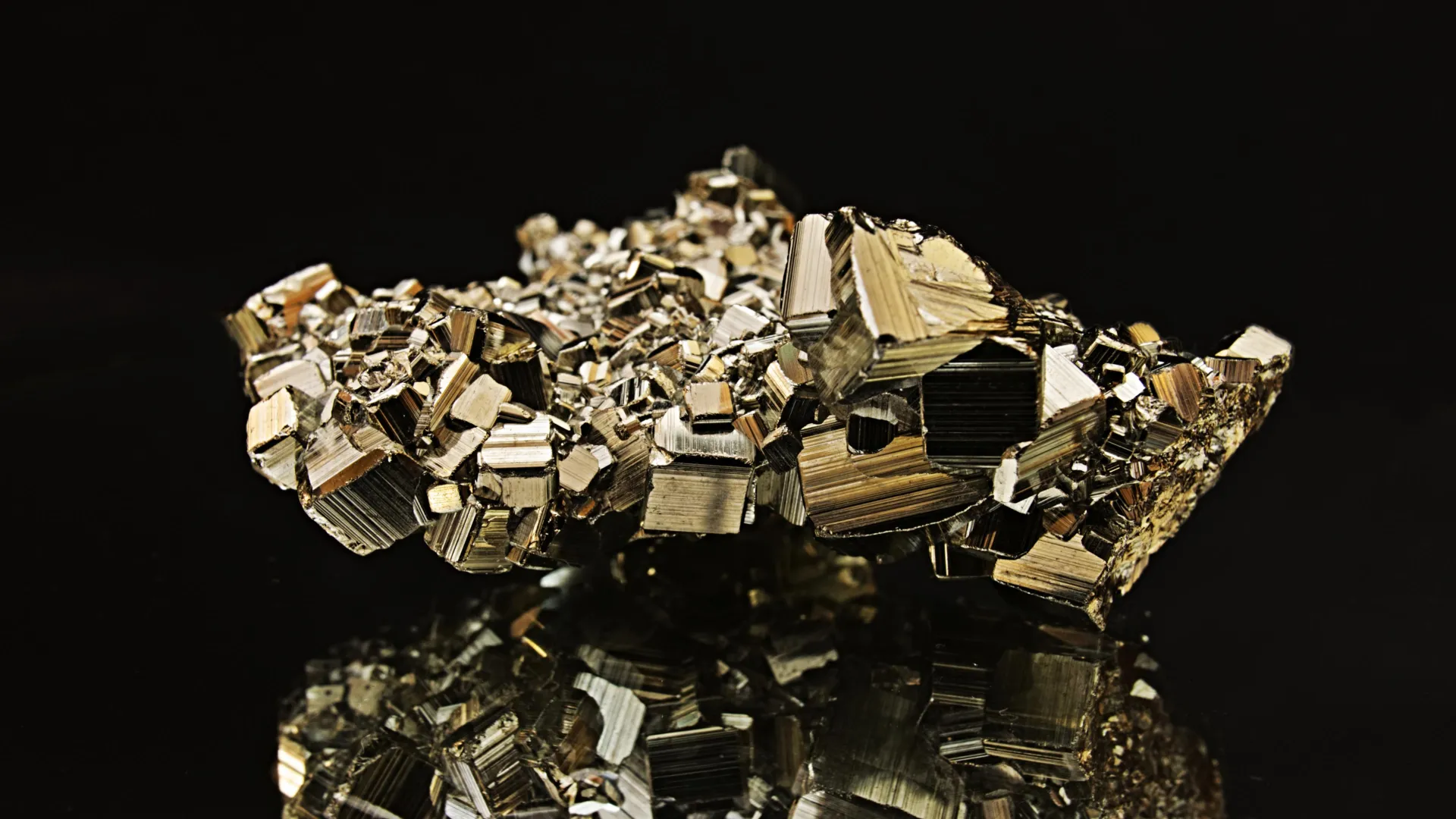
The global race to secure stable supplies of critical minerals has taken an unexpected turn following a discovery by researchers at West Virginia University. A team of geologists has identified significant concentrations of lithium within pyrite—a common mineral often referred to as "fool’s gold"—found inside ancient organic-rich shale deposits in the Appalachian Basin. This finding, which challenges long-standing geological assumptions, suggests that unconventional sources could play a pivotal role in meeting the skyrocketing demand for the materials necessary to power the 21st-century energy transition.
Lithium has become one of the most sought-after elements on Earth, earning the nickname "white gold" due to its essential role in the production of lithium-ion batteries. These batteries are the backbone of modern portable electronics, electric vehicles (EVs), and large-scale renewable energy storage systems. However, the properties that make lithium so effective for energy storage also make it a logistical and safety challenge. As airline passengers are frequently reminded, strict regulations govern the transport of laptops and other devices containing lithium-ion batteries. Because lithium is a highly reactive, lightweight alkali metal, it can undergo rapid chemical reactions if a battery is damaged or short-circuited. When exposed to water, pure lithium generates intense heat and releases hydrogen gas, creating a significant fire risk known as thermal runaway.
Despite these safety hurdles, the reactivity of lithium is precisely what makes it indispensable. In a battery environment, lithium ions move efficiently between the anode and cathode, allowing for high energy density and hundreds of charge-discharge cycles. As the world moves away from internal combustion engines and toward a decentralized power grid fed by solar and wind energy, the International Energy Agency (IEA) predicts that lithium demand could grow by over 40 times by 2040. This projection has sent scientists and mining companies on a global search for new, sustainable ways to extract the metal.
The WVU Discovery: Unveiling Lithium in "Fool’s Gold"
The recent study, led by Shailee Bhattacharya, a sedimentary geochemist and doctoral student, and Professor Shikha Sharma at West Virginia University’s IsoBioGeM Lab, focused on sedimentary rocks from the middle-Devonian period. These rocks, approximately 380 million years old, were formed when much of the eastern United States was submerged under a vast prehistoric sea. The team analyzed 15 samples of shale, a fine-grained sedimentary rock known for hosting organic matter and minerals like pyrite.
Pyrite, an iron sulfide mineral, has historically been viewed as a low-value byproduct of mining or a nuisance in coal production due to its tendency to produce acid mine drainage when exposed to air and water. However, the WVU team’s analysis revealed something unprecedented: the pyrite samples contained significant amounts of lithium. According to Bhattacharya, finding lithium associated with sulfur-rich minerals is "unheard of" in traditional geochemistry, as lithium is typically expected to be found in lithium-rich clays or igneous rocks like pegmatites.
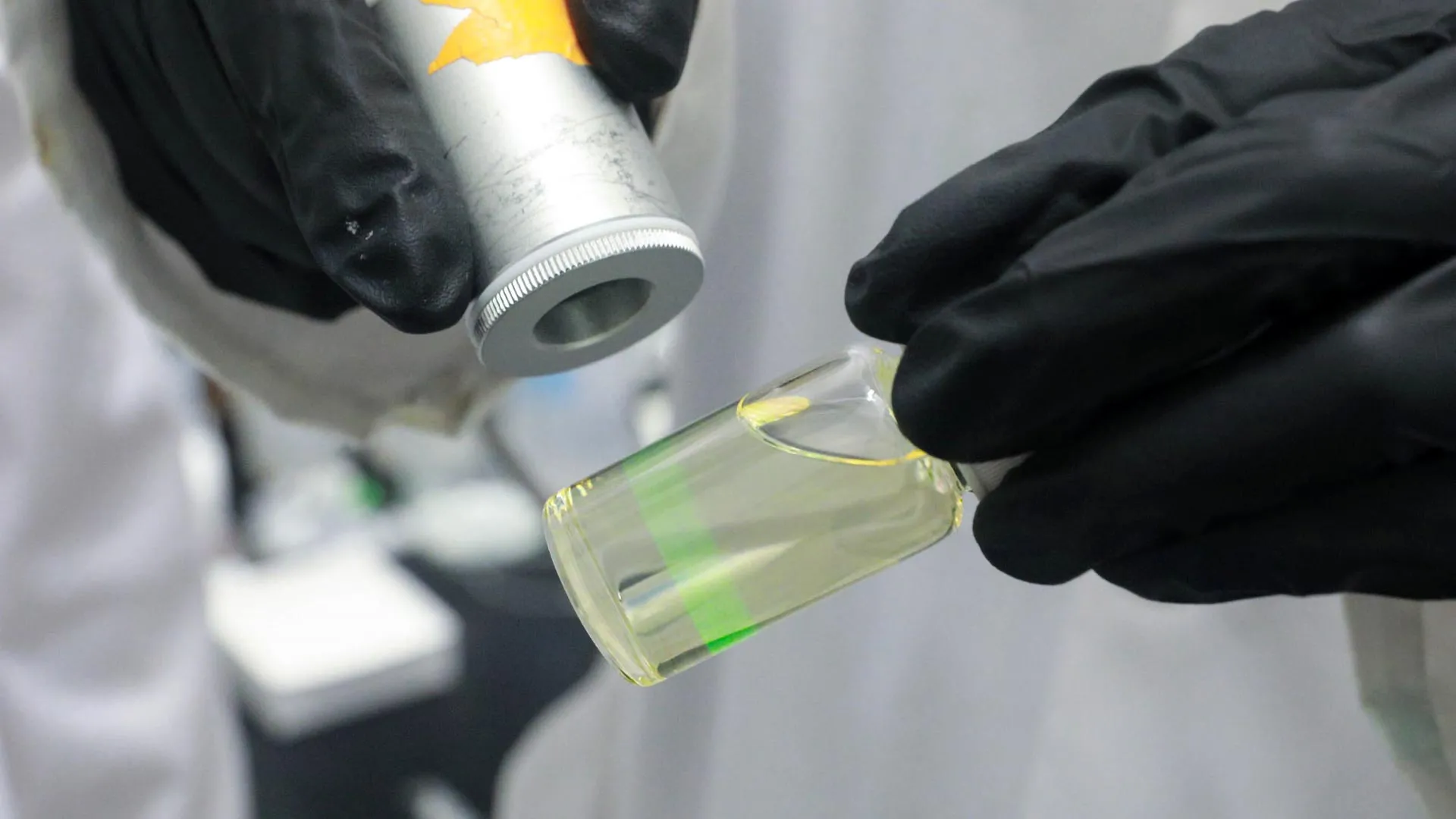
The discovery was made using advanced analytical techniques that allowed the researchers to peer into the microscopic structure of the shale. While shale is already a major source of natural gas in the Appalachian region, its potential as a mineral resource has remained largely untapped. The presence of lithium in pyrite suggests that the geological processes that formed these ancient seabeds were more complex than previously understood, creating a unique chemical environment where lithium could be sequestered within sulfide minerals.
The Geological Context of the Appalachian Basin
To understand the significance of this find, one must look back nearly 400 million years. During the Devonian period, the Appalachian Basin was a marine environment characterized by low oxygen levels at the seafloor. These "anoxic" conditions were ideal for the preservation of organic matter, which eventually turned into the hydrocarbons (gas and oil) that the region is famous for today.
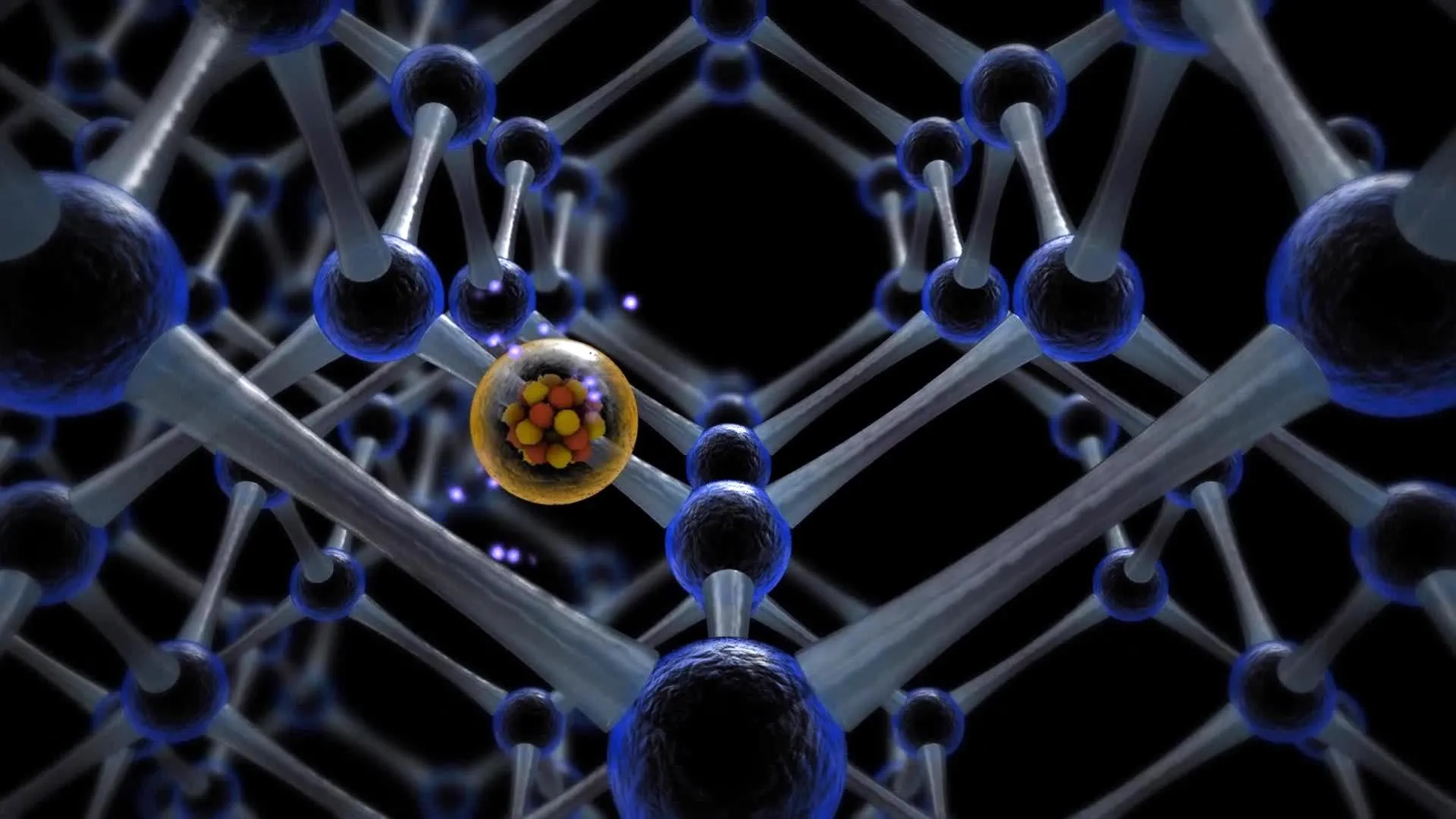
As organic matter decayed in these ancient seas, bacteria reacted with sulfate in the water to produce hydrogen sulfide, which then reacted with iron to form pyrite. Simultaneously, lithium—likely weathered from surrounding continental rocks and carried into the sea by rivers—became trapped in the accumulating sediments. The WVU research suggests that instead of simply sitting in the clay minerals of the shale, some of this lithium was incorporated into the pyrite crystals as they grew.
This finding adds a new layer to the stratigraphy of the Appalachian Basin. While the region has seen centuries of coal mining and decades of hydraulic fracturing for natural gas, the prospect of "lithium mining" from shale or its associated waste products represents a potential third wave of energy resource extraction for the area.
Global Lithium Supply and the Need for Diversification
The current global lithium supply chain is concentrated in a few specific geographic regions and relies on two primary extraction methods. The first is the evaporation of brines, primarily in the "Lithium Triangle" of Chile, Argentina, and Bolivia. This process is time-consuming and requires vast amounts of water in arid regions. The second is hard-rock mining of spodumene ore, dominant in Australia.
China currently controls a significant portion of the global processing and refining capacity for lithium, creating a geopolitical incentive for the United States and Europe to develop domestic sources. The U.S. government has designated lithium as a critical mineral, providing incentives through the Inflation Reduction Act to bolster domestic mining and recycling.
If the WVU findings can be scaled, the Appalachian Basin could offer a massive, domestic alternative. Unlike starting a new "greenfield" mine, which can take a decade or more to permit and develop, lithium in Appalachia could potentially be recovered from "brownfield" sites—areas already impacted by previous industrial activity.
Economic and Environmental Implications of Waste Recovery
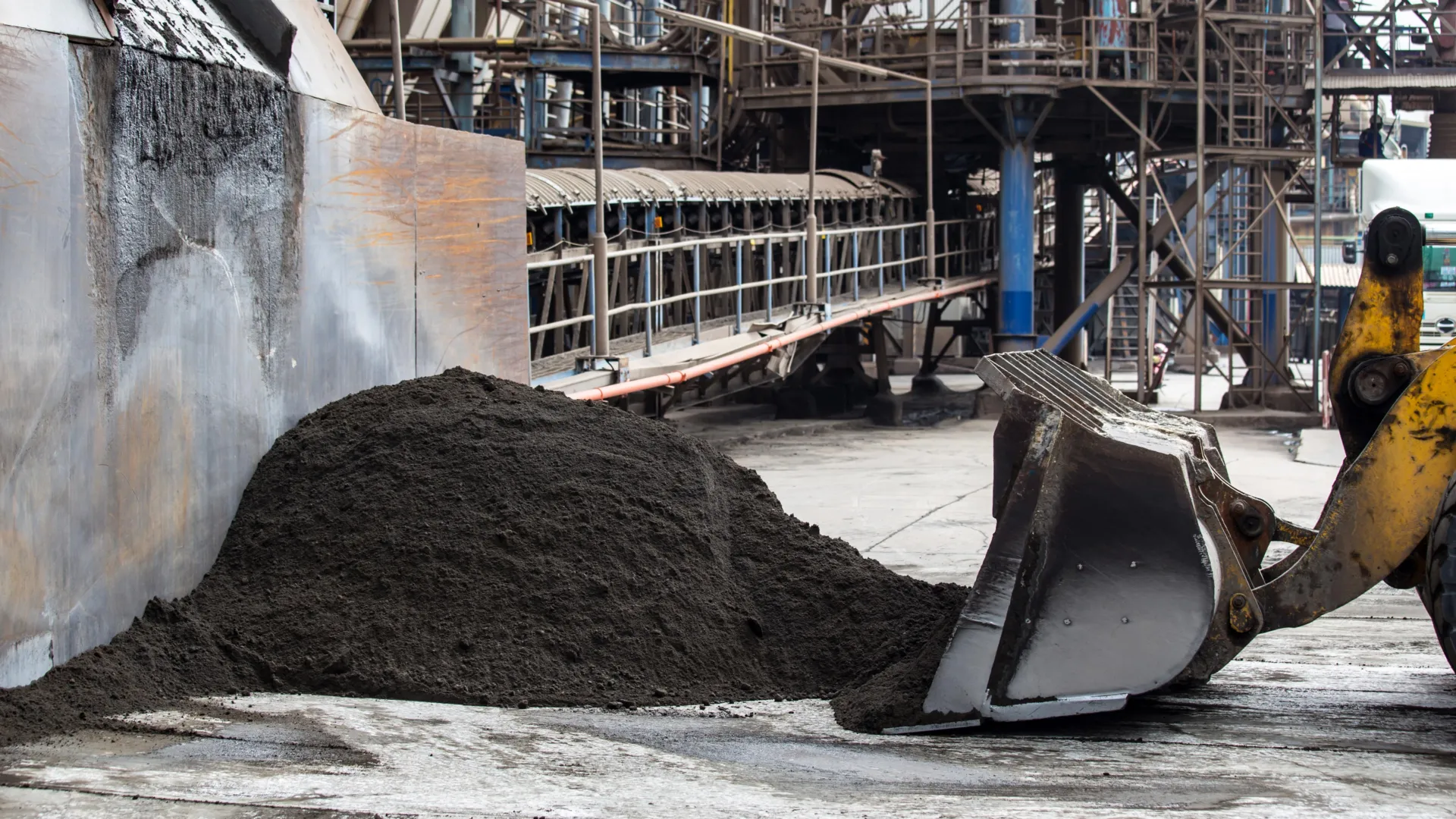
One of the most compelling aspects of the WVU research is the potential to recover lithium from industrial waste. The mining industry generates vast quantities of "tailings" (leftover rock and processed material) and "drill cuttings" (rock fragments brought to the surface during drilling). Historically, these materials have been treated as liabilities, requiring expensive storage and monitoring to prevent environmental contamination.
Bhattacharya and her team are exploring whether these waste streams could be repurposed as a source of lithium. "We can talk about sustainable energy without using a lot of energy resources," Bhattacharya noted, highlighting the circular economy potential of the discovery. If lithium can be extracted from materials that have already been mined or drilled, the environmental footprint of the battery supply chain would be significantly reduced.
This approach would mitigate several environmental concerns:
- Reduced Land Disturbance: Utilizing existing waste piles means fewer new open-pit mines.
- Waste Remediation: Processing tailings for lithium could provide an economic incentive to clean up old mine sites that currently contribute to water pollution.
- Lower Carbon Footprint: Because the rock has already been brought to the surface and crushed by previous operations, the energy required for the initial stages of extraction is essentially "pre-paid."
Technological Synergy: Lithium-Sulfur Batteries
The discovery of lithium in a sulfur-rich mineral like pyrite also bridges a gap between geology and materials science. While current lithium-ion batteries use liquid electrolytes and metal-oxide cathodes, the next generation of battery technology is looking toward lithium-sulfur (Li-S) designs.
Lithium-sulfur batteries are theoretically capable of holding up to five times more energy than current designs and are significantly lighter. However, they have faced challenges regarding longevity and stability. The fact that lithium and sulfur naturally coexist in certain shale formations provides a fascinating natural parallel to the technologies engineers are trying to build in the lab. Understanding how lithium and pyrite interact at a molecular level in the earth could provide clues for improving the stability of synthetic lithium-sulfur battery components.
Challenges and Future Outlook
Despite the excitement surrounding the discovery, the researchers have urged a measured approach. The study was "well-specific," meaning the results were derived from a limited number of samples from a particular geological formation. It is not yet known if the lithium concentrations found in these 15 samples are consistent across the entire Appalachian Basin or if they represent a localized anomaly.
Furthermore, the commercial viability of extracting lithium from pyrite remains to be proven. Traditional lithium extraction from ore involves intensive chemical leaching and roasting. Developing a cost-effective and environmentally friendly method to separate lithium from iron sulfide on an industrial scale will require significant engineering breakthroughs.
Industry analysts suggest that the next steps will involve broader mapping of the Appalachian shale to identify "hot spots" of lithium concentration. This would likely be followed by pilot programs to test extraction technologies on mine tailings.
Conclusion: A New Chapter for Appalachian Energy
The identification of lithium in "fool’s gold" marks a potential turning point for the Appalachian region. For over a century, the basin has powered the United States through coal and gas. As the world pivots toward a low-carbon future, the region’s ancient geology may once again provide the necessary fuel—this time in the form of the minerals that make renewable energy possible.
By reimagining industrial waste as a resource and looking for value in the most unexpected minerals, scientists are carving a path toward a more self-reliant and sustainable energy infrastructure. The work of the West Virginia University team serves as a reminder that the solutions to the climate crisis may be hidden in the very rocks we have been walking over for generations. If the "fool’s gold" of the past can become the "white gold" of the future, the transition to clean energy may be closer than previously thought.















Leave a Reply