


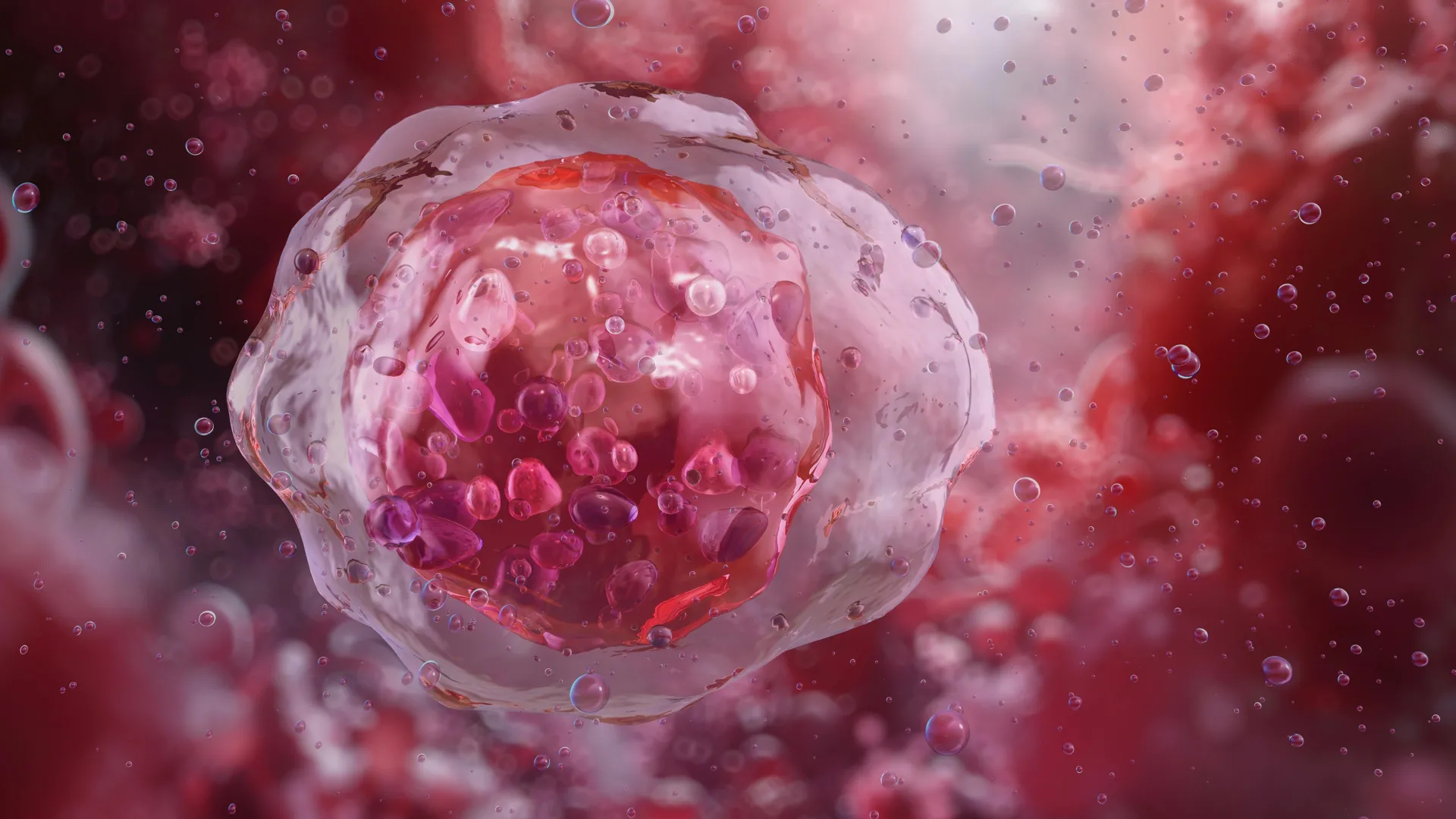
In a revelation that challenges a century of biological dogma, researchers at Stanford Medicine have identified that glucose—the primary sugar used by nearly every living cell as a fuel source—functions as a sophisticated master regulator of tissue differentiation. This discovery, published in the journal Cell Stem Cell, demonstrates that glucose does more than merely provide the energy required for cellular processes; it actively dictates the transformation of stem cells into the specialized cells that constitute the human body.
For decades, the scientific community viewed glucose almost exclusively through the lens of metabolism. It was understood as a substrate to be catabolized, or broken down, to release energy sequestered within its chemical bonds. However, the Stanford study, led by Paul Khavari, MD, PhD, and research scientist Vanessa Lopez-Pajares, PhD, reveals that glucose serves an "undercover" signaling role. By binding in its intact form to specific proteins, glucose controls which genes are activated and when they are translated into proteins, thereby orchestrating the complex transition from undifferentiated stem cells to mature, functional tissue.
A Paradigm Shift in Cellular Biology
The implications of this finding are profound, particularly for the fields of regenerative medicine, oncology, and endocrinology. The traditional understanding of cellular differentiation suggested a hierarchy of signaling molecules—primarily complex proteins and hormones—that triggered genetic switches. The inclusion of a simple sugar like glucose in this regulatory hierarchy suggests that the metabolic state of a cell is not just a byproduct of its function, but a primary driver of its identity.
"At first we just didn’t believe it," said Dr. Khavari, who serves as the Carl J. Herzog Professor in Dermatology and the chair of the Department of Dermatology at Stanford. "The results of extensive follow-up experiments were clear: glucose interacts with hundreds of proteins throughout the cell and modulates their function to promote differentiation."
The research team spent several years verifying the data before publication, aware that claiming a structural and signaling role for the body’s primary fuel source would require an extraordinary burden of proof. The study eventually confirmed that glucose acts as a global "broadcast signal," alerting various cellular components to initiate the maturation process simultaneously.
The Chronology of a Serendipitous Discovery
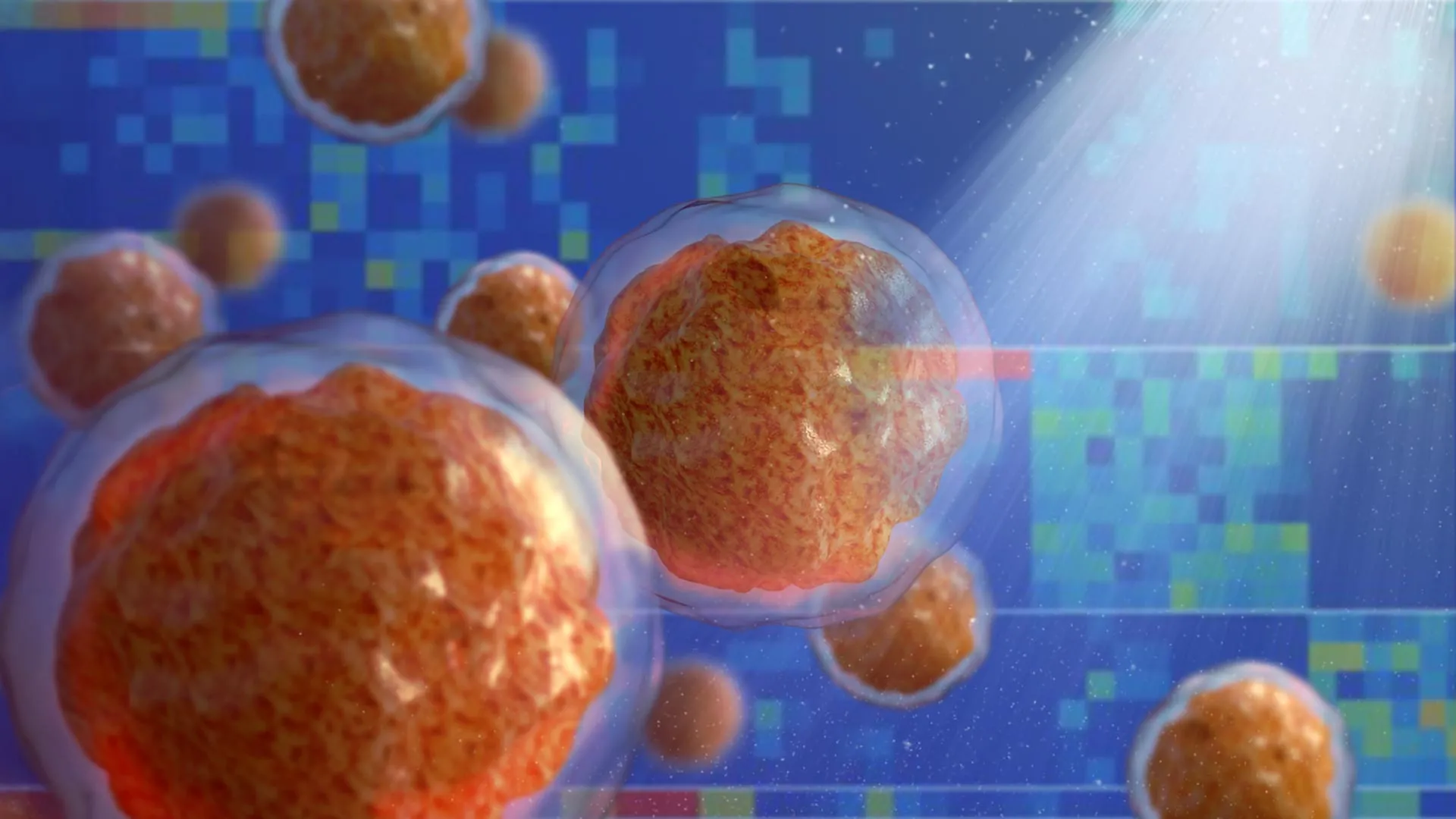
The journey toward this discovery began not with a focus on sugar, but with a broad search for the molecular triggers of skin development. Dr. Khavari and Dr. Lopez-Pajares utilized a combination of mass spectrometry and high-throughput screening to monitor the fluctuations of thousands of biomolecules. Their model of choice was human skin stem cells as they transitioned into mature keratinocytes—the cells that form the protective outer layer of the skin.
The researchers hypothesized that molecules increasing in abundance during this transition would likely be the drivers of differentiation. When the data was analyzed, they identified 193 "suspect" molecules. While many were known transcription factors and signaling proteins, the second-most elevated molecule on the list was glucose.
This finding was counterintuitive. Standard biological theory suggests that as cells differentiate, they divide less rapidly and enter a state of lower energy demand, eventually moving toward senescence. Consequently, researchers expected glucose levels to drop. Instead, they observed a significant and sustained increase in intracellular glucose as the stem cells moved toward their final, specialized form.
Validating the High-Glucose Environment
To ensure the initial readings were not an anomaly, the Stanford team employed several sophisticated validation techniques. They utilized fluorescent and radioactive glucose analogs—molecules that mimic glucose but can be tracked visually or through radiation sensors. They also engineered biological sensors within the cells that would glow red or green depending on the concentration of glucose present.
In every test, the results were consistent: as differentiation proceeded, the cells glowed with increasing intensity, signaling a surge in glucose. This pattern was not limited to skin cells. The researchers expanded their scope to include developing fat cells, bone cells, and white blood cells, as well as transgenic mice. Across every tissue type studied, the trend held—differentiation was inextricably linked to a rise in internal glucose levels.
Further investigation revealed the mechanism behind this surge. The cells were not simply failing to use the glucose they had; they were actively importing more of it through specialized transport proteins and simultaneously decreasing the rate at which glucose was exported back out of the cell.
Decoding the Mechanism: The IRF6 Connection
The most critical breakthrough occurred when the team investigated whether the glucose was being broken down to fuel this process. They introduced glucose analogs that the cells could not metabolize—meaning the cells could not extract energy from them. Surprisingly, the skin organoids (engineered tissues) continued to differentiate perfectly. This proved that the physical presence of the glucose molecule, rather than the energy it provided, was the catalyst for change.
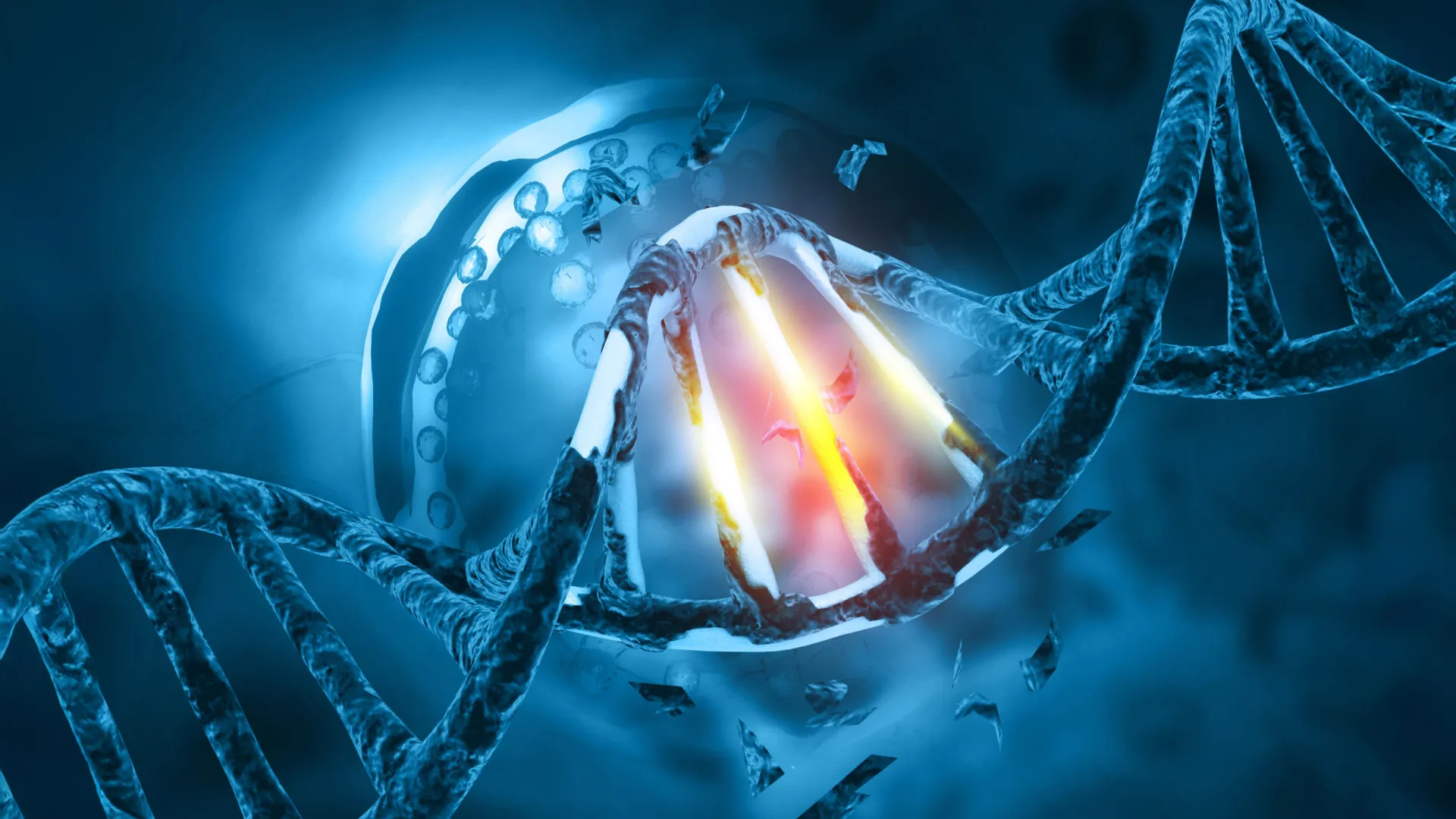
The researchers discovered that glucose binds directly to hundreds of intracellular proteins. One such protein is IRF6 (Interferon Regulatory Factor 6), a known regulator of gene expression involved in skin development. When glucose binds to IRF6, it induces a conformational change—a physical reshaping of the protein. This change alters the protein’s ability to interact with the genome, effectively "switching on" the genes required for the cell to mature.
Dr. Khavari likened this process to a fire alarm. Unlike specific signaling pathways that act like a telephone call from one person to another, glucose acts as a broadcast signal. When levels rise, they rise everywhere in the cell at once, triggering a coordinated response across multiple systems to begin the transformation from a stem cell into a specialized unit.
Clinical Implications: Diabetes and Cancer
The discovery offers a potential new framework for understanding two of the most prevalent health challenges: diabetes and cancer.
In the context of diabetes, the research provides a potential explanation for why patients with chronically high blood sugar often suffer from poor wound healing and impaired tissue regeneration. If glucose is the signal for cells to differentiate and stop dividing, an environment of "glucose overload" might prematurely trigger differentiation or exhaust the supply of stem cells, preventing the body from effectively repairing damaged skin or other tissues.
In oncology, the findings are equally transformative. Cancer is often characterized as a disease of "failed differentiation," where cells remain in an immature, rapidly dividing state. Many aggressive tumors are composed entirely of undifferentiated cells. Historically, cancer researchers have noted that tumors consume vast amounts of glucose—a phenomenon known as the Warburg Effect. While it was assumed this was purely for energy to fuel rapid growth, the Stanford study suggests that cancer cells may be manipulating glucose pathways to bypass the signals that would normally force them to differentiate and stop dividing.
Furthermore, some glucose analogs are already being tested in clinical trials as anticancer agents. While these were designed to "starve" the cancer of energy, this new research suggests their actual efficacy might lie in their ability to mimic or disrupt the signaling role of glucose, potentially forcing immature cancer cells to differentiate into a non-malignant, mature state.
Supporting Data and Technical Analysis
The study’s data points provide a glimpse into the scale of this regulatory network. The researchers noted that:
- Over 3,000 genes saw their expression levels altered in response to fluctuating glucose levels.
- The concentration of glucose in differentiating cells was significantly higher than in their stem cell precursors, despite a decrease in metabolic activity.
- The binding of glucose was identified across hundreds of proteins, suggesting that glucose is one of the most prolific signaling ligands in the human body.
This evidence suggests that the scientific community may have overlooked a fundamental layer of cellular control. Small biomolecules, often dismissed as passive metabolites, may in fact hold the keys to complex developmental processes.
Future Research and Conclusion
The Stanford study opens a new frontier in molecular biology. Future research will likely focus on identifying other small molecules that may have similar "double lives." Additionally, researchers are now looking to map the full "glucosome"—the entire set of proteins that bind to glucose—to understand the full breadth of its regulatory reach.
The research was supported by significant institutional backing, including grants from the National Institutes of Health (NIH) and the U.S. Department of Veterans Affairs. As the medical community digests these findings, the focus shifts toward how this knowledge can be harnessed to create new therapies for metabolic disorders and to develop "differentiation therapy" for cancer patients.
"This finding is a springboard for research on dysregulation of glucose levels, which affects hundreds of millions of people," Khavari concluded. "It’s another piece of evidence to pay close attention to the roles these supposedly passive molecules might play in the complex machinery of life."









Leave a Reply