

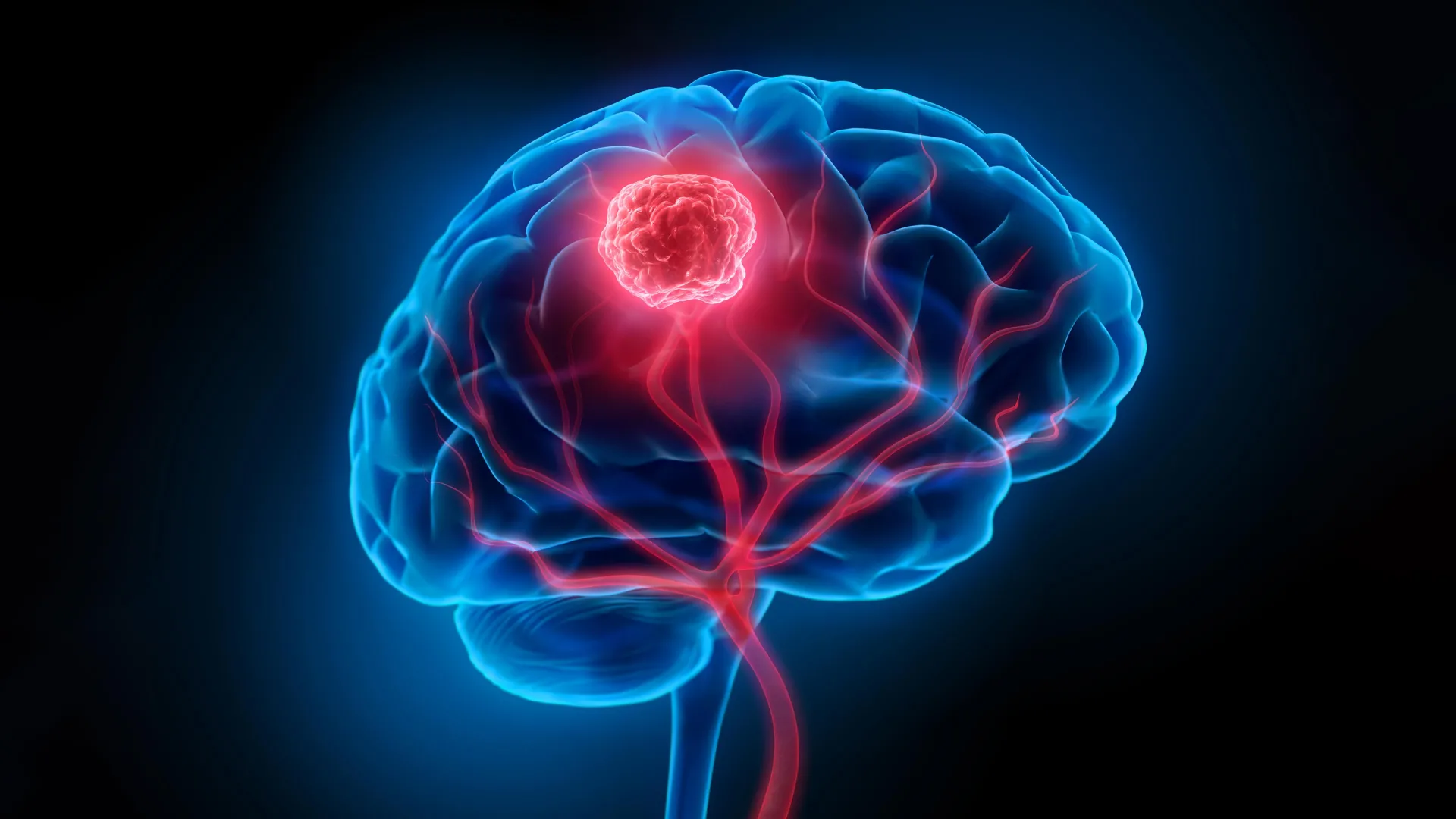
A collaborative team of scientists from McMaster University and The Hospital for Sick Children (SickKids) has uncovered a significant biological mechanism that drives the progression of glioblastoma, the most lethal and common form of primary brain cancer in adults. The study, published in the prestigious journal Neuron, identifies a previously unknown communication pathway between healthy brain cells and cancerous tumors, while simultaneously pointing to an existing HIV medication, Maraviroc, as a potential candidate for immediate therapeutic repurposing. By disrupting the "ecosystem" that allows these tumors to thrive, the researchers have demonstrated a significant reduction in tumor growth within laboratory models, offering a beacon of hope for a patient population that has seen little improvement in survival rates over the past several decades.
The Biological Complexity of Glioblastoma Multiforme
Glioblastoma multiforme (GBM) is characterized by its rapid growth, invasive nature, and high rate of recurrence. Currently considered incurable, the standard of care—known as the Stupp protocol—typically involves surgical resection followed by a combination of radiation and chemotherapy (temozolomide). Despite these aggressive interventions, the median survival rate for patients remains a sobering 12 to 15 months, with a five-year survival rate of less than 7%.
The primary challenge in treating GBM lies in its heterogeneity and its ability to co-opt the surrounding brain environment. For years, cancer research focused almost exclusively on the mutations within the cancer cells themselves. However, the McMaster and SickKids team shifted their focus toward the tumor microenvironment—the complex network of blood vessels, immune cells, and supporting brain cells that surround the tumor. This shift in perspective led to the discovery that oligodendrocytes, a type of glial cell responsible for insulating nerve fibers with myelin, are not merely passive bystanders. Instead, they are active participants in the cancer’s progression.
Decoding the Cellular Ecosystem: The Role of Oligodendrocytes
The research reveals that glioblastoma is not a solitary mass of malignant cells but rather a dynamic ecosystem where different cell types communicate to ensure the tumor’s survival. The study found that oligodendrocytes can undergo a behavioral shift, transitioning from their role as nerve protectors to becoming facilitators of tumor expansion. These cells send specific signals to the glioblastoma cells, effectively "feeding" the tumor’s growth and enhancing its ability to invade healthy brain tissue.
"Glioblastoma isn’t just a mass of cancer cells, it’s an ecosystem," explained Dr. Sheila Singh, co-senior author of the study and a professor of surgery at McMaster University. Dr. Singh, who also serves as the director of the Centre for Discovery in Cancer Research, emphasized that by decoding the "conversations" between these different cell types, the team was able to identify a specific vulnerability. When the researchers intervened to block the signaling between the oligodendrocytes and the tumor cells in laboratory models, the results were striking: tumor growth slowed considerably, and the aggressive spread of the cancer was mitigated.
The co-first authors of the study, Kui Zhai of McMaster’s Singh Lab and Nick Mikolajewicz, a former postdoctoral fellow at the SickKids Moffat Lab, utilized advanced single-cell sequencing and spatial transcriptomics to map these interactions. Their work highlighted a specific signaling axis involving a receptor known as CCR5, which appears to be a critical junction in the communication network that sustains the tumor.
Repurposing Maraviroc: From HIV Treatment to Oncology
Perhaps the most promising aspect of this discovery is the identification of an existing drug that can target this newly discovered pathway. The CCR5 receptor, which the researchers identified as the key mediator between oligodendrocytes and glioblastoma cells, is the same receptor used by the Human Immunodeficiency Virus (HIV) to enter immune cells.
Maraviroc, a drug approved by the U.S. Food and Drug Administration (FDA) and Health Canada in 2007, is a CCR5 antagonist used to treat HIV. Because Maraviroc has already undergone extensive safety testing and is currently on the market, the timeline for transitioning this drug into clinical trials for glioblastoma patients could be significantly shorter than that of a new molecular entity.
"In uncovering an important piece of the cancer’s biology, we also identified a potential therapeutic target that could be addressed with an existing drug," said Dr. Jason Moffat, co-senior author and head of the Genetics & Genome Biology program at SickKids. Dr. Moffat noted that this finding opens a "promising path" to explore whether blocking the CCR5 pathway can accelerate progress toward new treatment options for patients who have exhausted traditional therapies.
A Chronology of Discovery and Institutional Collaboration
This breakthrough is the result of years of sustained research into the mechanics of brain cancer. The timeline of this discovery is marked by several key milestones:
- 2020: The research was catalyzed by the William Donald Nash Brain Tumour Research Fellowship, which provided the foundational funding necessary to explore the tumor microenvironment.
- Early 2024: Drs. Singh and Moffat published a related study in Nature Medicine. That research demonstrated how glioblastoma cells hijack developmental pathways—specifically those used during brain growth in embryos—to facilitate their own spread through the adult brain.
- Late 2024: The current study in Neuron expanded upon these findings by shifting the focus from the cancer cells’ internal pathways to the external signals provided by neighboring oligodendrocytes.
- Present: Having identified Maraviroc as a potential inhibitor, the research teams are now looking toward preclinical validation and the design of clinical trials to test the drug’s efficacy in human glioblastoma patients.
The collaboration between McMaster University and SickKids represents a powerhouse of Canadian oncology research. Dr. Singh holds a Tier 1 Canada Research Chair in Human Cancer Stem Cell Biology, while Dr. Moffat holds the GlaxoSmithKline Chair in Genetics & Genome Biology. Their combined expertise in stem cell biology and functional genomics was essential in identifying the specific cellular "crosstalk" that drives GBM.
Supporting Data and the Economic Case for Drug Repurposing
The implications of this study extend beyond the biological discovery to the broader field of drug development. The cost of bringing a new oncology drug from the laboratory to the pharmacy shelf is estimated to be between $648 million and $2.7 billion, with a failure rate exceeding 90% in clinical trials. Glioblastoma, in particular, has been a "graveyard" for new drugs due to the difficulty of penetrating the blood-brain barrier and the tumor’s inherent resistance to many therapies.
By identifying Maraviroc—a drug that is already known to cross the blood-brain barrier to treat HIV-associated neurocognitive disorders—the researchers have bypassed many of the initial hurdles of drug development.
Supporting data from the study showed that:
- CCR5 expression is significantly upregulated in the tumor microenvironment of aggressive glioblastoma subtypes.
- The presence of "activated" oligodendrocytes correlates with poorer prognostic outcomes in patient data sets.
- In vivo models treated with CCR5 inhibitors showed a measurable decrease in tumor volume and a reduction in the density of invasive "fronts" where the cancer meets healthy tissue.
Broader Impact and Future Implications
The shift toward viewing cancer as an ecosystem rather than a collection of rogue cells is a major trend in modern oncology. This "microenvironment-centric" approach acknowledges that a tumor’s surroundings are just as important as its genetic makeup. If Maraviroc proves successful in clinical trials, it could pave the way for a new class of "combination therapies" where traditional chemotherapy targets the cancer cells while repurposed drugs like Maraviroc "starve" the tumor by cutting off its communication with the brain.
Furthermore, this research provides a template for how other incurable cancers might be approached. By looking at how normal cells are coerced into supporting malignancy, scientists may find similar vulnerabilities in pancreatic, lung, or metastatic breast cancers.
The study was supported by the Canadian Institutes for Health Research (CIHR), reflecting a national commitment to solving the crisis of brain cancer. For the thousands of Canadians and hundreds of thousands of people worldwide diagnosed with glioblastoma each year, the prospect of a repurposed, readily available drug offers a rare moment of optimism.
As the research moves into the next phase, the medical community will be watching closely to see if the laboratory success of blocking oligodendrocyte-tumor communication translates into extended life and improved quality of life for patients. While the road to a cure for glioblastoma remains long, the discovery of this "cellular betrayal" and the identification of a potential antidote in the form of an HIV drug marks a significant turning point in the fight against one of medicine’s most formidable foes.


















Leave a Reply