

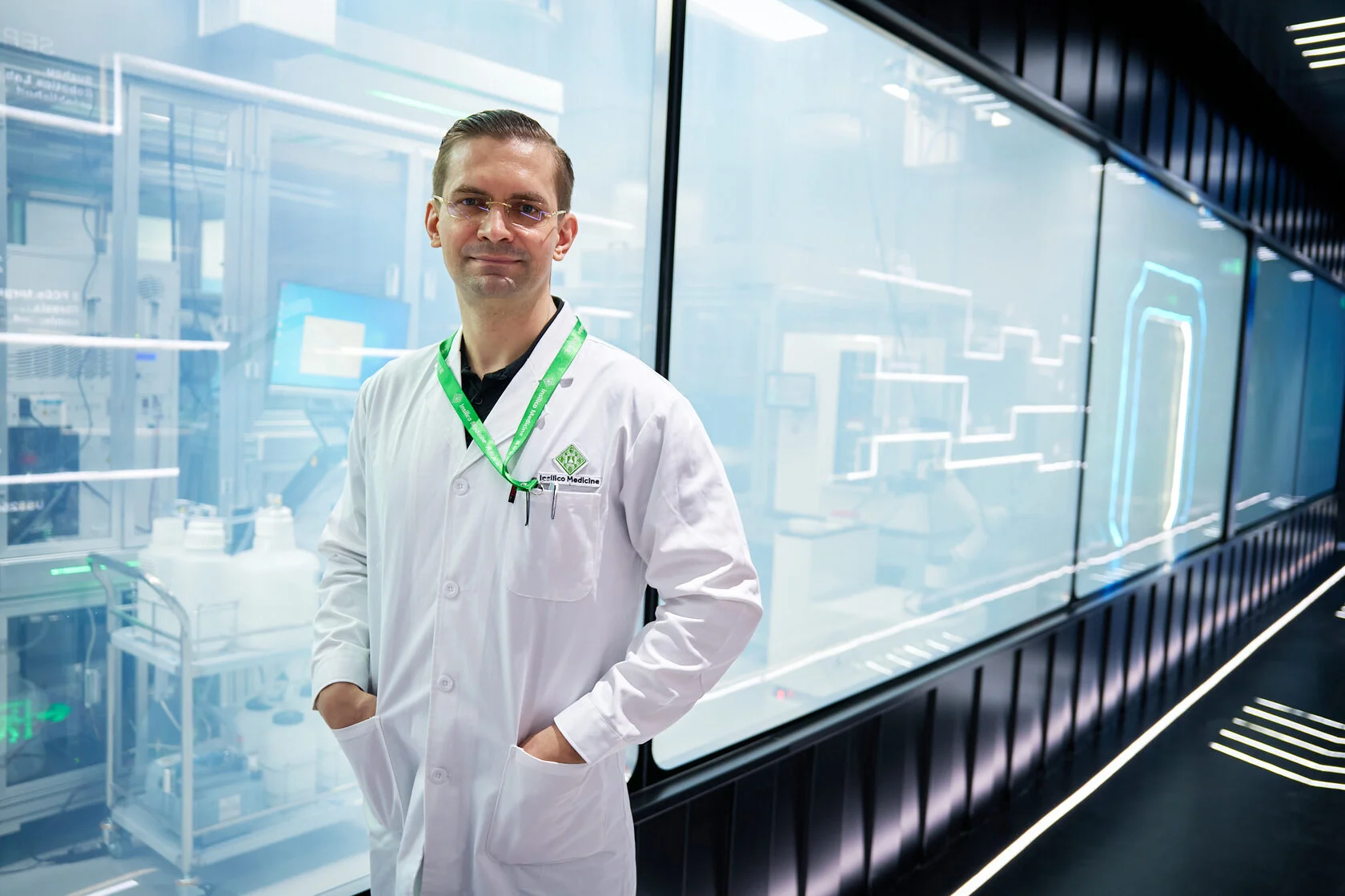
On March 29, Insilico Medicine, a pioneer in artificial intelligence (AI)-driven drug discovery and development, announced a landmark collaboration with pharmaceutical giant Eli Lilly, poised to redefine the landscape of therapeutic innovation. This comprehensive drug discovery deal grants Eli Lilly an exclusive worldwide license to a meticulously developed portfolio of preclinical oral therapeutics, alongside the establishment of joint research and development programs spanning a multitude of therapeutic areas. The financial terms of the agreement are substantial, with Insilico Medicine slated to receive an upfront payment of $115 million. Furthermore, the deal includes significant milestone payments that could escalate its total value to approximately $2.75 billion, complemented by tiered royalties on future product sales, underscoring the profound potential perceived in Insilico’s AI-powered capabilities.
A Deep Dive into the Collaboration’s Mechanics and Financial Framework
The core of this multi-faceted agreement centers on leveraging Insilico’s advanced AI platform to accelerate the identification and development of novel drug candidates. Eli Lilly gains exclusive global rights to a specific portfolio of preclinical assets, signaling a strategic move to integrate cutting-edge AI into its expansive pipeline. Beyond the immediate licensing, the collaboration also formalizes joint R&D initiatives, indicating a long-term commitment to shared innovation across a broad spectrum of diseases. These joint programs are expected to explore new therapeutic hypotheses generated by Insilico’s AI, with the goal of bringing more effective and targeted treatments to patients faster.
The financial structure of the deal reflects the high stakes and anticipated success. The $115 million upfront payment provides immediate capital for Insilico, enabling further investment in its AI platforms and internal pipeline. The potential for $2.75 billion in milestone payments is particularly noteworthy, as it is contingent upon the successful progression of these preclinical candidates through various stages of clinical development and regulatory approval. This risk-sharing model aligns the interests of both companies, incentivizing Insilico to continue providing robust, AI-generated assets while rewarding Lilly for its substantial investment in clinical development and commercialization. Tiered royalties on future sales further ensure Insilico’s long-term participation in the commercial success of any approved drugs stemming from this partnership. This structure is indicative of a growing trend in the pharmaceutical industry where AI biotech firms are seeking significant validation and financial backing from larger pharmaceutical partners, while pharma companies are keen to de-risk and accelerate their R&D efforts through innovative technologies.
A Maturing Partnership: A Chronological Journey of Trust
This significant commercialization deal is not an isolated event but rather the culmination of a meticulously built relationship between Insilico Medicine and Eli Lilly, demonstrating a progressive increase in trust and validation of AI’s capabilities in drug discovery. The journey began in 2023, when Eli Lilly initially licensed Insilico’s software. This initial step allowed Lilly to evaluate the utility and efficacy of Insilico’s AI tools within its own R&D ecosystem, likely focusing on aspects like target identification, data analysis, and perhaps early-stage molecule design. Such software licensing agreements are often entry points for larger pharmaceutical companies to test the waters with emerging technologies without committing to extensive partnerships.
Building on the positive outcomes from the software licensing, the relationship evolved into a deeper research collaboration in 2025. This phase likely involved joint projects where Insilico’s AI platform was directly applied to specific research challenges identified by Lilly, allowing for a more hands-on assessment of the AI’s ability to generate novel insights and tangible drug candidates. This period would have provided Lilly with critical data and empirical evidence regarding the robustness and predictive power of Insilico’s AI models, moving beyond theoretical capabilities to practical application.
The progression from software licensing to research collaboration, and ultimately to a comprehensive commercialization deal, underscores a significant shift in the pharmaceutical industry’s perception of AI. As Insilico founder and CEO Alex Zhavoronkov highlighted in an interview, "The industry is moving from AI-assisted science to AI-native pipelines, and this partnership reflects that shift." This trajectory illustrates a journey of increasing confidence: from evaluating AI as a supplementary tool, to integrating it into research workflows, and finally, to entrusting it with the generation of an entire portfolio of preclinical assets with global commercial potential. For Lilly, each stage provided the necessary validation points, from the reliability of the software to the quality and novelty of AI-designed molecules, culminating in the confidence required for a multi-billion-dollar investment.
The ‘Superintelligence’ Meets ‘Clinical Excellence’: A Synergistic Model
Zhavoronkov articulates the partnership as a fusion of "Lilly’s clinical excellence with our end-to-end AI engine," creating a powerful synergy designed to transform drug discovery from a labor-intensive craft into an industrial-scale process. This division of labor leverages the distinct strengths of each organization.
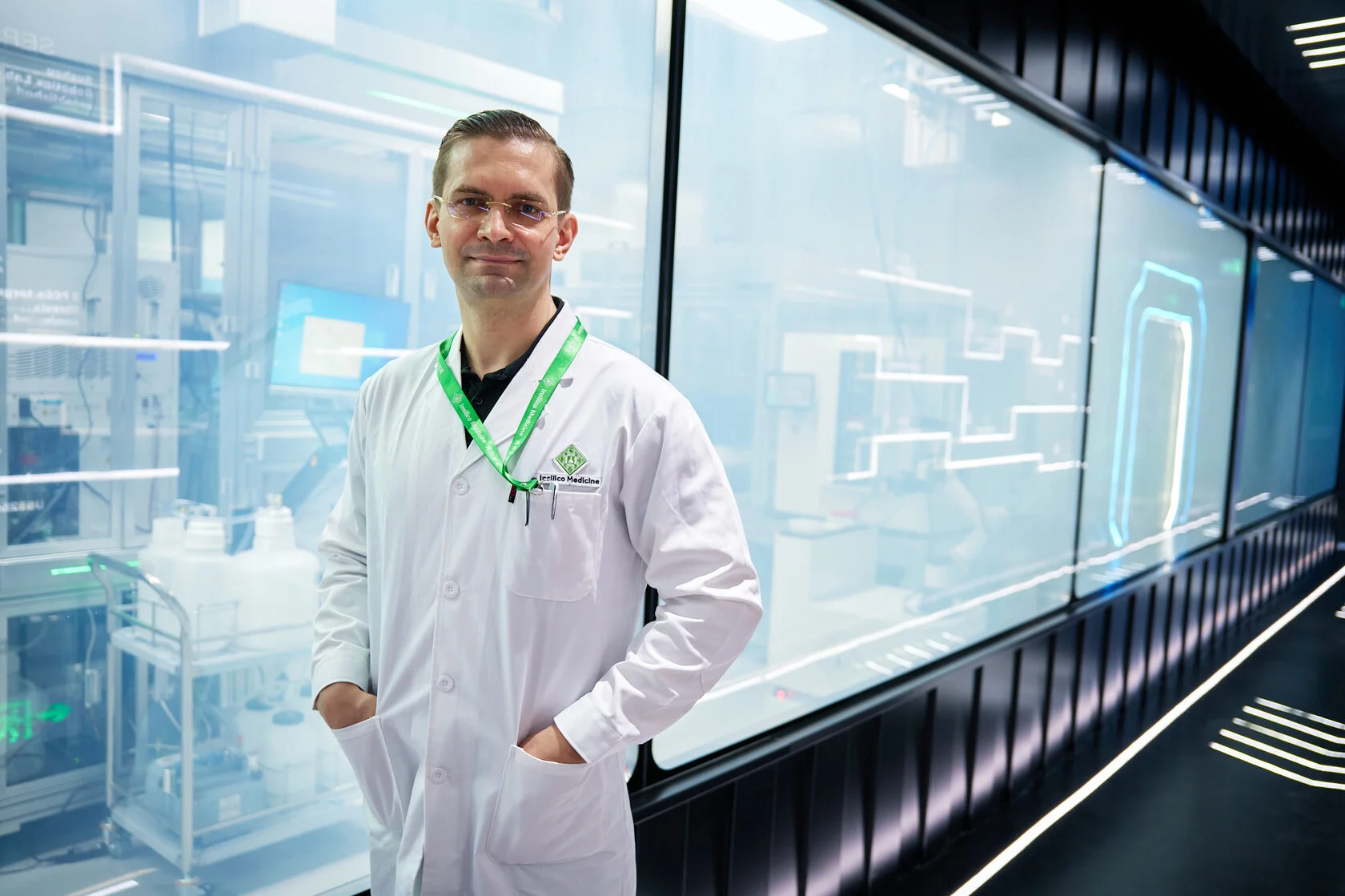
Insilico Medicine brings its "Superintelligence" to the forefront, powered by its proprietary AI platforms:
- PandaOmics: This AI platform is utilized to uncover novel, "multi-purpose" therapeutic targets, often referred to as "biological dark matter," that traditional methods might overlook. By analyzing vast datasets of biological and medical information, PandaOmics identifies potential disease pathways and targets with high therapeutic relevance.
- Chemistry42: Once targets are identified, Chemistry42 takes the lead in the generative design phase. This platform is engineered to rapidly design novel molecular structures with desired properties, significantly accelerating the process of identifying lead compounds. Insilico aims to achieve a Preclinical Candidate (PCC) in an exceptionally short timeframe, typically 12 to 18 months, with their fastest recorded achievement being just 9 months. This represents a substantial improvement over the traditional drug discovery timeline, which can often span several years just to reach the preclinical stage.
- "From Prompt to Drug" Framework: This closed-loop validation system integrates AI-driven hypotheses with automated robotic laboratories. This allows for instant testing and rapid, high-fidelity iteration of AI-designed compounds, dramatically shortening the experimental cycle and optimizing compound properties in real-time. This framework embodies the shift towards AI-native pipelines, where AI doesn’t just suggest but actively drives the experimental process.
Eli Lilly, in turn, contributes its "Clinical Excellence," providing the extensive infrastructure and expertise necessary for global development and commercialization. As the AI-generated assets enter the clinical phase, Lilly assumes responsibility for navigating the complex regulatory landscape, conducting rigorous clinical trials, and ultimately bringing these life-saving medicines to patients worldwide. Insilico’s InClinico platform provides strategic support during this phase, aiming to maximize the probability of success by offering AI-driven insights into clinical trial design and patient stratification. This collaborative model positions Insilico as the engine for rapid, innovative discovery, while Lilly acts as the robust vehicle for clinical validation and global market access.
Strategic Implications for Insilico’s Pipeline and the Industry
A deal of this magnitude profoundly impacts Insilico Medicine’s internal pipeline strategy, enabling the company to pursue both extensive out-licensing partnerships and the advancement of its wholly-owned assets. Zhavoronkov explains that this partnership "effectively funds continued platform scaling while allowing us to focus internal resources on high-conviction, potentially first-in-class programs." This approach suggests a sophisticated pipeline management strategy, categorizing assets into distinct buckets:
- High-Value Partnering Assets: These are programs identified by Insilico’s AI where significant market potential exists, but where partnering with a major pharmaceutical company like Lilly offers advantages in terms of capital, clinical development expertise, and global reach. This deal falls into this category.
- Strategic Internal Programs: These are programs that Insilico believes have the potential to be truly disruptive or first-in-class, where retaining full ownership allows the company to capture maximum value and define the therapeutic landscape.
- Platform Validation and Improvement Programs: Assets that, regardless of their commercial potential, serve to further validate and refine Insilico’s underlying AI models and "From Prompt to Drug" framework.
The decision to partner versus retain assets is driven by several key factors: the strategic fit within specific therapeutic areas, internal resource allocation (e.g., focusing on areas where Insilico has unique expertise), a careful assessment of risk versus reward, and the potential for the partnership to further validate and enhance the underlying AI platform. By strategically out-licensing certain programs, Insilico secures substantial non-dilutive funding, reducing its reliance on venture capital and allowing it to be more selective and ambitious with its internal ventures. This model also allows Insilico to expand its reach across a wider array of therapeutic areas than it could with its internal resources alone.
The Broader Landscape: AI-Native Pipelines and the Winning Architecture
This collaboration is a powerful testament to the industry’s embrace of "AI-native pipelines," where AI is not merely an assistive technology but the generative force behind drug discovery. Zhavoronkov emphasizes that the industry is "moving past the era of ‘AI experiments.’ This deal represents the industrialization of generative biology and chemistry to solve the most challenging human diseases at unprecedented speed."
This perspective aligns with a broader industry trend where pharmaceutical companies are increasingly investing in AI to overcome the traditional challenges of drug discovery, including high costs, long timelines, and high failure rates. The average cost to bring a new drug to market is estimated to be over $2.6 billion, with development timelines often exceeding 10-15 years, and a success rate of only about 10% from preclinical to approval. AI promises to dramatically improve these metrics by enhancing target identification, optimizing compound design, predicting toxicity, and even refining clinical trial design.
Zhavoronkov also elaborated on what he believes constitutes the "winning architecture for modern drug discovery," comprising three critical, interconnected components:
- Frontier Compute: Access to powerful computational resources and advanced algorithms is essential for processing vast datasets and running complex AI models. Eli Lilly’s operation of an AI supercomputer underscores this recognition within big pharma.
- Proprietary Data: High-quality, diverse, and proprietary biological and chemical data feeds the AI models, enabling them to learn and make accurate predictions. The uniqueness and scale of this data are crucial competitive advantages.
- Novel Biology: The ability to identify and exploit new biological pathways and targets that lead to truly innovative therapies is paramount. Without novel biology, even the most advanced AI risks optimizing existing, well-trodden paths.
Crucially, Zhavoronkov stresses that "no single component is sufficient." The true power lies in integrating all three into a continuous learning system where models improve as new data is generated, and biological insights are explored with unparalleled efficiency. This iterative feedback loop is what drives the rapid progress seen in Insilico’s PCC timelines and forms the bedrock of an AI-native drug discovery paradigm. This partnership with Eli Lilly exemplifies this integrated approach, setting a precedent for future collaborations in the biotech and pharmaceutical sectors. It signals a future where AI is not just a tool, but a fundamental pillar of pharmaceutical innovation, poised to deliver transformative medicines faster and more efficiently than ever before.











Leave a Reply