

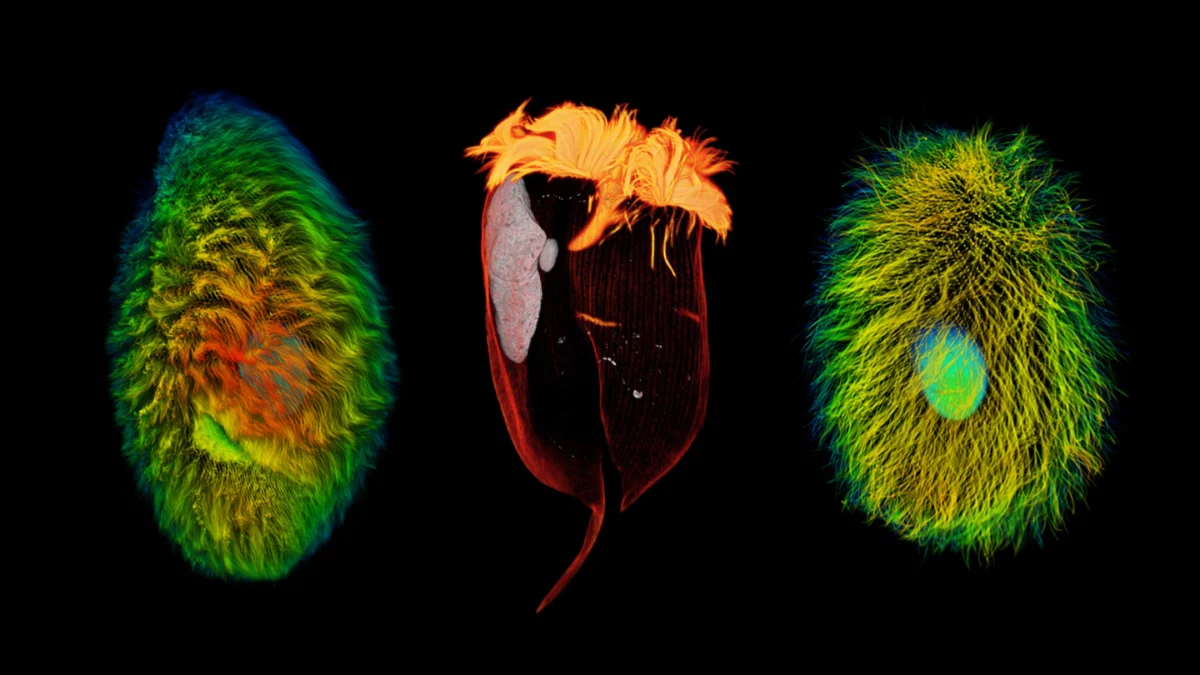
Rumen Microbes Reveal Novel Organelle: The Hydrogenobody’s Role in Methane Production and Gut Health
In a significant discovery that sheds new light on the complex microbial ecosystems within the digestive tracts of ruminant animals, scientists have identified a novel organelle within single-celled organisms inhabiting the rumen, the first stomach of cattle. This newly characterized structure, tentatively named the "hydrogenobody," plays a crucial role in hydrogen metabolism and is intricately linked to the production of methane, a potent greenhouse gas. The findings, published by researchers from the Institute of Hydrobiology, Chinese Academy of Sciences, represent a significant advancement in our understanding of ruminant digestion and its environmental implications.
The rumen is a highly specialized environment, teeming with billions of microorganisms, including bacteria, archaea, fungi, and protozoa. These microbes work synergistically to break down plant material, a process that is vital for herbivores like cattle to extract nutrients from their fibrous diet. Among these microbial inhabitants, ciliates, a type of protozoan, are particularly abundant, often comprising up to a quarter of the total microbial biomass. They play a critical role in digesting plant fibers and influencing the metabolic activities of other rumen microbes.
Discovery and Characterization of the Hydrogenobody
The research focused on a specific group of ciliates found in the rumen, including species like Isotricha prostoma, Entodinium caudatum, and Dasytricha ruminantium. Utilizing advanced fluorescent microscopy techniques, the scientists were able to visualize and analyze the internal structures of these microscopic organisms in unprecedented detail. It was during this meticulous examination that they identified the unique hydrogenobody.
"This organelle appears to be distinct from any previously described cellular structure in protozoa," stated a representative from the research team, speaking anonymously due to ongoing publication processes. "Its consistent presence across multiple ciliate species within the rumen suggests a fundamental and important function."
The hydrogenobody’s primary identified function is its involvement in hydrogen metabolism. In the anaerobic environment of the rumen, the breakdown of carbohydrates by microbes generates a significant amount of hydrogen gas. This hydrogen can be toxic to some microbes and can also inhibit further digestion. However, certain microorganisms, particularly methanogenic archaea, utilize this hydrogen to produce methane through a process called methanogenesis.
The hydrogenobody appears to facilitate the production of hydrogen by the ciliate itself, potentially through specialized enzymatic pathways. Crucially, it also seems to influence the activity of other microbes, likely by providing a substrate or signaling molecule that encourages methane production. This dual role positions the hydrogenobody as a key regulator of hydrogen flow and methane generation within the rumen ecosystem.
Implications for Methane Emissions
Methane (CH4) is a greenhouse gas with a global warming potential significantly higher than carbon dioxide over a 20-year period. Ruminant livestock are a major source of anthropogenic methane emissions, contributing substantially to global climate change. Understanding the mechanisms that drive methane production in the rumen is therefore of paramount importance for developing strategies to mitigate these emissions.
The discovery of the hydrogenobody offers a new avenue for research into methane reduction. By understanding how this organelle functions and how it interacts with other microbes, scientists may be able to identify targets for intervention. For example, if the hydrogenobody’s activity can be modulated, it could potentially lead to a decrease in the amount of hydrogen available for methanogenesis, thereby reducing methane output from cattle.
"The rumen is a complex chemical factory, and these ciliates with their newly discovered hydrogenobodies are like sophisticated control panels," commented Dr. Anya Sharma, a microbial ecologist not involved in the study. "If we can learn to adjust the settings on these panels, we might be able to significantly reduce the methane byproduct of this factory."
Broader Context: Rumen Microbiome Research
The research into the hydrogenobody is part of a broader, ongoing effort to unravel the intricate workings of the rumen microbiome. For decades, scientists have recognized the essential role of these microorganisms in animal nutrition and health. However, the sheer diversity and complexity of the rumen ecosystem have made it a challenging subject of study.
Timeline of Discovery and Research:
- Early 20th Century onwards: Initial research identifies the importance of rumen microbes in digestion and nutrient extraction for ruminants.
- Mid to late 20th Century: Focus shifts to understanding the metabolic pathways within the rumen, including fermentation and gas production. Methanogenesis is identified as a key process.
- Early 21st Century: Advancements in molecular biology and high-throughput sequencing allow for more comprehensive analysis of microbial communities. The diversity of ciliates and their role in fiber digestion become better understood.
- Recent Years: Application of advanced imaging techniques, such as 3-D fluorescent microscopy, enables detailed visualization of microbial structures.
- Present: The discovery and characterization of the hydrogenobody within rumen ciliates by the Institute of Hydrobiology, Chinese Academy of Sciences, marks a significant step forward in understanding the regulation of hydrogen metabolism and methane production.
The identification of 65 ciliate species in the rumen, as highlighted in the accompanying imagery, underscores the vast biodiversity that still needs to be explored. Each species, and indeed each organelle within these species, may hold clues to optimizing animal health, improving feed efficiency, and mitigating environmental impact.
Potential for Nutritional Benefits
Beyond its implications for methane reduction, the hydrogenobody’s role in nutrient cycling within the rumen could also have direct benefits for animal nutrition. By influencing the efficiency of fiber breakdown and the availability of volatile fatty acids (VFAs) – the primary energy source for ruminants – this organelle could indirectly affect the overall health and productivity of cattle.
"Optimizing the rumen microbiome has always been a goal for animal agriculture," noted Dr. Ben Carter, a ruminant nutritionist. "If the hydrogenobody influences the production of VFAs, understanding its function could lead to strategies that enhance energy absorption for the animal, potentially improving growth rates and milk production."
Challenges and Future Directions
While the discovery of the hydrogenobody is a monumental step, much remains to be understood. Key questions that researchers are now focusing on include:
- The precise biochemical mechanisms: How exactly does the hydrogenobody produce hydrogen and influence other microbes? What enzymes are involved?
- Genetic basis: What genes are responsible for the formation and function of the hydrogenobody?
- Variability: Does the structure or function of the hydrogenobody vary significantly between different ciliate species, or even within the same species under different dietary conditions?
- Therapeutic targets: Can the activity of the hydrogenobody be safely and effectively manipulated through diet, probiotics, or other interventions?
The research team is actively pursuing these questions through further laboratory experiments and in vivo studies. The development of specific inhibitors or modulators of hydrogenobody function could be a long-term goal, offering a novel approach to managing methane emissions from livestock.
Official Responses and Scientific Community Reaction
While no direct official statements from agricultural or environmental regulatory bodies were immediately available, the scientific community has reacted with considerable interest. Dr. Lena Hanson, a leading researcher in gut microbiology at the University of California, Davis, commented, "This is a fascinating discovery that opens up a whole new area of research. The rumen is an incredibly dynamic environment, and identifying novel organelles like the hydrogenobody helps us to piece together the complex puzzle of microbial interactions. It’s a testament to the power of advanced microscopy and dedicated scientific inquiry."
The Chinese Academy of Sciences, through its Institute of Hydrobiology, has expressed pride in the researchers’ achievement, emphasizing its commitment to fundamental scientific exploration with potential for significant real-world impact.
Conclusion
The identification of the hydrogenobody in rumen ciliates represents a significant breakthrough in our understanding of the microbial ecology of ruminant digestion. This novel organelle’s role in hydrogen metabolism and its influence on methane production highlight the intricate regulatory mechanisms within the rumen. As research progresses, this discovery holds immense potential for developing innovative strategies to mitigate greenhouse gas emissions from livestock and to improve animal health and productivity, marking a new frontier in the study of symbiotic microbial systems. The ongoing exploration of the rumen’s microbial world continues to reveal the extraordinary adaptations that life has evolved to thrive in even the most specialized environments.
















Leave a Reply