


Seven months after Danish pharmaceutical giant Novo Nordisk officially shuttered its dedicated cell therapy unit in October 2025, a significant program targeting Parkinson’s disease has found a new home. Cellular Intelligence, a US-based biotechnology firm leveraging advanced artificial intelligence (AI) for clinical candidate advancement, has secured global rights to Novo Nordisk’s promising cell therapy for Parkinson’s. This strategic acquisition marks a crucial step for the program’s progression, promising to accelerate its journey towards potential patient benefit under the guidance of a company at the forefront of AI-driven drug development.
A New Chapter for Parkinson’s Cell Therapy
The licensing agreement, the financial terms of which remain undisclosed, sees Cellular Intelligence assume full control of the innovative Parkinson’s cell therapy program. While an upfront payment was not specified, the deal structure includes provisions for future milestone payments and royalties to Novo Nordisk, indicating the Danish company’s continued vested interest in the program’s success. Furthermore, Novo Nordisk will bolster Cellular Intelligence’s growth through an equity investment, signaling a strategic partnership that extends beyond the immediate asset transfer.
Cellular Intelligence, notably backed by prominent US tech investor Mark Zuckerberg, has announced its intention to vigorously advance the clinical development of this program. The therapy in question involves an allogeneic pluripotent stem cell-derived dopaminergic progenitor cell treatment, currently undergoing a first-in-human Phase I/II clinical trial. The significance of this initiative is underscored by the US Food and Drug Administration’s (FDA) recent granting of Fast Track designation and Investigational New Drug (IND) clearance for its continued clinical exploration. This regulatory endorsement highlights the potential of the therapy to address a critical unmet need, as there is currently no FDA-approved cell therapy for the treatment of Parkinson’s disease.
Novo Nordisk’s Strategic Realignment and Asset Disposition
Novo Nordisk’s decision to wind down its cell therapy operations in October 2025 represented a significant strategic pivot for the company. The move involved the cessation of all activities related to programs utilizing this complex therapeutic modality and resulted in the layoff of approximately 250 employees from the division. This strategic realignment allowed Novo Nordisk to refocus its resources and investments on core areas of its established drug portfolio, particularly in metabolic diseases and diabetes.
Following this organizational shift, Novo Nordisk embarked on a process to divest assets and intellectual property from its former cell therapy unit, aiming to ensure that promising programs could continue their development trajectories with specialized entities. This latest transaction with Cellular Intelligence is a prime example of this disposition strategy. It is not the first such move; in January 2026, Aspect Biosystems had previously acquired Novo Nordisk’s stem cell-derived islet cell and hypo-immune cell engineering technologies, demonstrating a pattern of strategic asset allocation to drive innovation forward.

Cellular Intelligence’s AI-Driven Approach
The acquisition aligns seamlessly with Cellular Intelligence’s core mission and technological capabilities. The company has developed a sophisticated AI platform designed to predict cellular behavior and responses to various external stimuli. By integrating multiplexing technologies with a foundational model trained on an extensive dataset encompassing millions of unique perturbation conditions, Cellular Intelligence aims to significantly accelerate drug development timelines, reduce associated costs, and enhance scalability.
The Parkinson’s program will be a key testbed for this AI-driven methodology. Cellular Intelligence plans to feed data generated from the ongoing clinical trials back into its platform, further refining its predictive models and enhancing its understanding of cellular dynamics. This iterative process is expected to optimize the development and potential manufacturing of the dopaminergic progenitor cell therapy, ultimately paving the way for broader patient access.
Leadership Perspective and Future Outlook
Micha Breakstone, CEO of Cellular Intelligence, expressed enthusiasm for the acquisition, highlighting the innovative nature of the Parkinson’s program and its strong scientific foundation. "This cell therapy Parkinson’s programme is truly innovative and exemplifies the powerful convergence of exciting academic discovery with the uncompromising quality of a global pharmaceutical leader, and we are honored to carry the program into its next chapter," Breakstone stated. He further emphasized the company’s readiness to tackle the complexities of scaling cell therapy programs, a challenge his AI-native platform is specifically engineered to address.
For Novo Nordisk, this licensing agreement offers a crucial lifeline to a program that would have otherwise been shelved indefinitely. By partnering with Cellular Intelligence, the company ensures that its investment in cell therapy research, albeit discontinued internally, can still contribute to scientific advancement and potentially reach patients in need. This approach reflects a growing trend in the pharmaceutical industry where large companies may divest non-core assets to specialized biotechs that possess the agile infrastructure and specific technological expertise to advance them effectively.
The Promise of Cell Therapy for Parkinson’s Disease
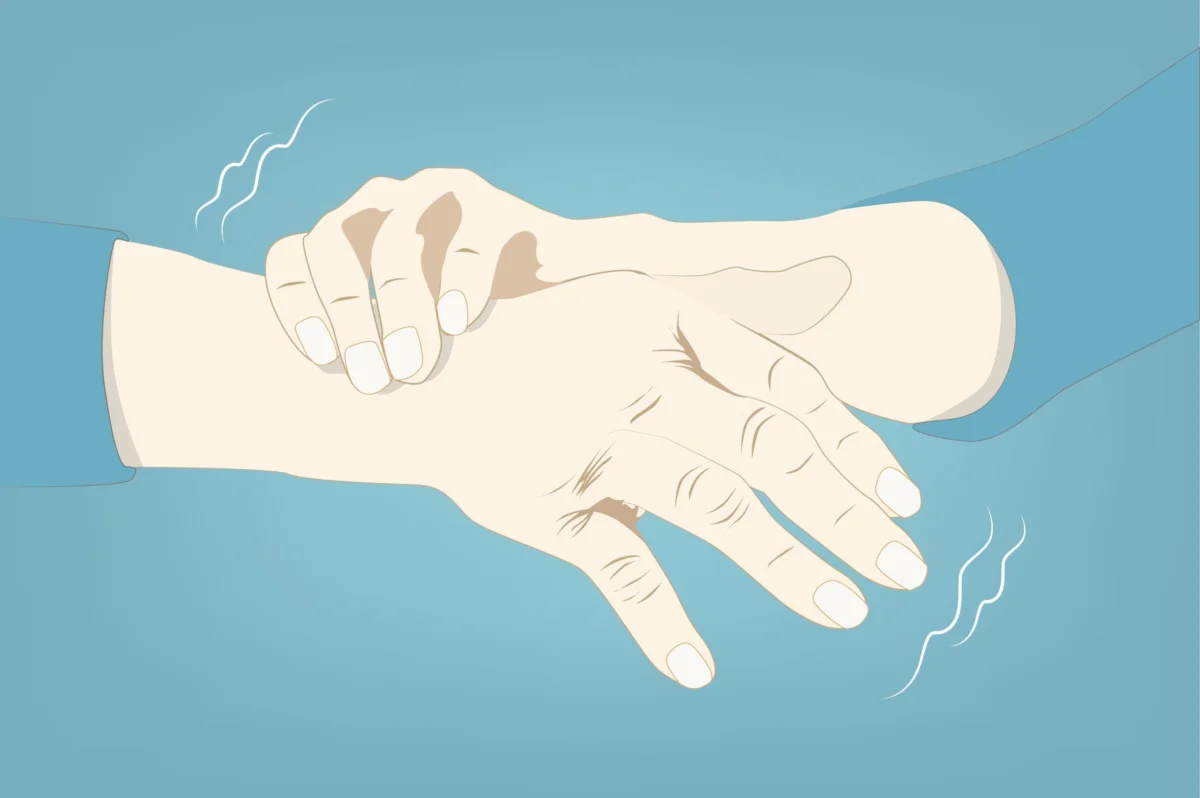
Parkinson’s disease is a progressive neurodegenerative disorder that affects millions worldwide, characterized by the loss of dopaminergic neurons in the substantia nigra region of the brain. This neuronal loss leads to motor symptoms such as tremors, rigidity, slow movement, and postural instability, as well as non-motor symptoms. Current treatments primarily focus on managing symptoms by replenishing dopamine levels or mimicking its effects, but they do not halt or reverse the underlying disease progression.
Cell therapy, specifically the transplantation of dopaminergic progenitor cells, holds the potential to directly address the root cause of Parkinson’s by replacing the lost dopamine-producing neurons. The use of allogeneic (donor-derived) cells, as in Novo Nordisk’s program, offers the advantage of an off-the-shelf solution, eliminating the need for patient-specific cell generation, which can be time-consuming and costly. However, challenges remain in ensuring the long-term survival, integration, and functional efficacy of transplanted cells, as well as managing potential immune rejection.

The Fast Track designation granted by the FDA signifies that the agency has determined the therapy is for a serious condition and that it has the potential to address an unmet medical need. This designation will facilitate more frequent communication with the FDA throughout the development process, potentially expediting regulatory review once the therapy is ready for market approval.
Broader Implications for the Biotech Landscape
The transaction between Novo Nordisk and Cellular Intelligence underscores several key trends shaping the biotechnology and pharmaceutical industries:
- The Rise of AI in Drug Discovery and Development: Cellular Intelligence’s reliance on AI for predicting cellular behavior and optimizing development pathways highlights the increasing integration of artificial intelligence as a critical tool in overcoming the complexities of biological research. This approach promises to de-risk and accelerate the development of novel therapies.
- Strategic Divestitures and Partnerships: Large pharmaceutical companies are increasingly engaging in strategic divestitures of non-core assets to specialized companies, allowing for focused development and innovation. This model allows for resource optimization and the potential for future returns through equity stakes and royalty agreements.
- The Untapped Potential of Cell Therapies: Despite significant challenges, the promise of cell therapies for a range of debilitating diseases, including neurodegenerative disorders, remains a powerful driver of research and investment. The development of allogeneic cell therapies is particularly crucial for broad patient accessibility.
- Mark Zuckerberg’s Continued Biotech Investment: The involvement of Mark Zuckerberg as a backer of Cellular Intelligence signals continued significant private investment in cutting-edge biotechnology, particularly in areas with the potential for transformative impact on human health.
The successful progression of Novo Nordisk’s Parkinson’s cell therapy program under the stewardship of Cellular Intelligence could serve as a significant validation for AI-driven drug development and a testament to the enduring pursuit of innovative treatments for complex neurological conditions. The coming years will be critical in observing how this promising collaboration translates scientific discovery into tangible clinical benefits for individuals living with Parkinson’s disease.
Cell & Gene Therapy coverage on Pharmaceutical Technology is supported by Cytiva.
Editorial content is independently produced and follows the highest standards of journalistic integrity. Topic sponsors are not involved in the creation of editorial content.







Leave a Reply