

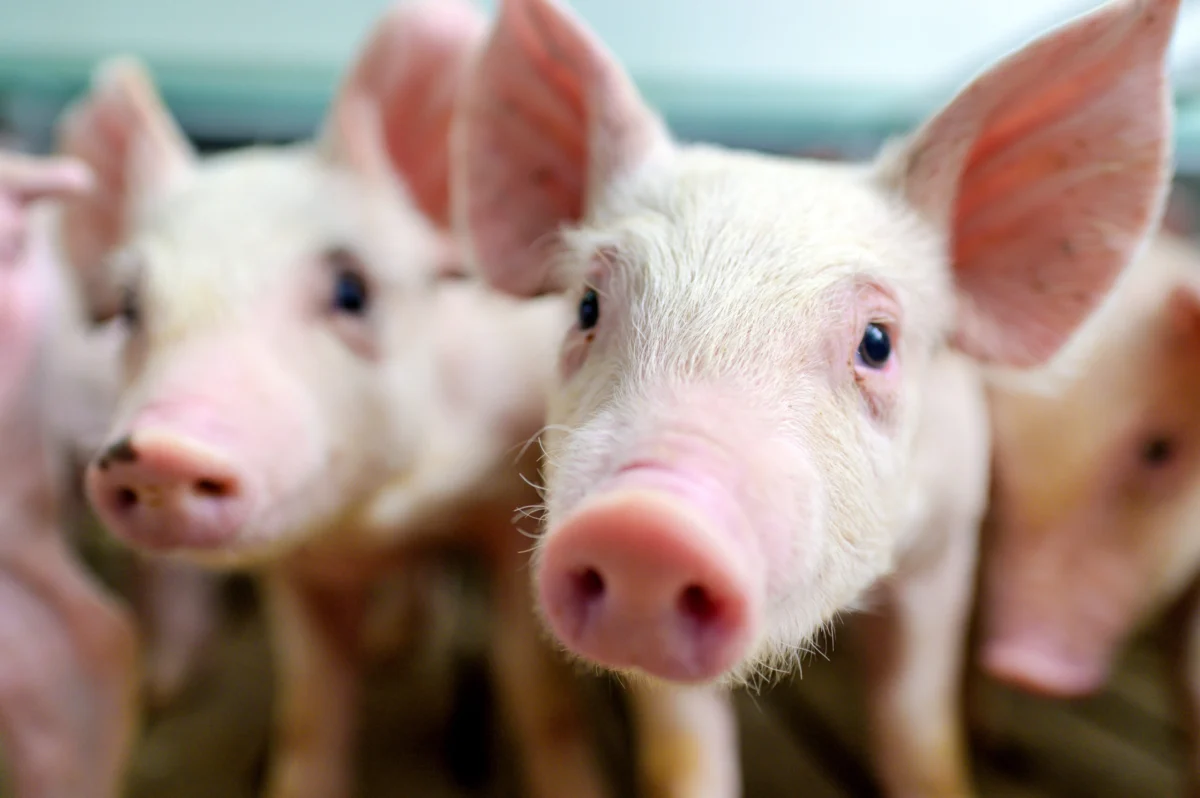
In a remarkable breakthrough in ocular pharmacology, researchers in China have pioneered the development of novel eye drops derived from pig semen, designed to deliver potent cancer therapeutics directly to the posterior segment of the eye. This innovative approach, detailed in the prestigious journal Science Advances, demonstrated significant efficacy in a mouse model of retinoblastoma, effectively eliminating cancer cells and substantially impeding tumor progression. The findings herald a potential paradigm shift for treating challenging eye conditions, particularly cancers, by offering a non-invasive alternative to current, often debilitating, treatment modalities.
The Unmet Need: Addressing Retinoblastoma and Ocular Drug Delivery Challenges
Retinoblastoma, a rare but aggressive cancer of the retina, predominantly affects young children, often under the age of five. Globally, its incidence is estimated at 1 in 15,000 to 1 in 20,000 live births, making it the most common primary intraocular malignancy in childhood. While survival rates have improved dramatically in developed nations, often exceeding 95% with early diagnosis and aggressive treatment, the therapeutic journey is fraught with significant challenges. Current treatments for retinoblastoma and other posterior segment ocular diseases frequently involve invasive procedures such as intravitreal injections, which carry risks of retinal damage, infection, hemorrhage, and patient discomfort, especially in pediatric populations. In severe cases or when the cancer threatens to spread beyond the eye, enucleation (surgical removal of the eye) remains a necessary, albeit life-altering, intervention.
The fundamental hurdle in delivering drugs to the retina is the formidable blood-retinal barrier (BRB), a highly selective physiological barrier that protects the delicate retinal tissue from circulating toxins and pathogens. This barrier, composed of tight junctions between endothelial cells of retinal capillaries and retinal pigment epithelial cells, severely restricts the passage of most systemic drugs. Consequently, achieving high bioavailability of therapeutic agents at the back of the eye through conventional topical drops has historically been an insurmountable "roadblock" in ophthalmic pharmacology. The need for non-invasive, effective drug delivery systems for the posterior eye has thus been a long-standing quest for pharmaceutical scientists.
Exosomes: Nature’s Nanocarriers and a Novel Therapeutic Avenue
The Chinese research team, primarily affiliated with Shenyang Pharmaceutical University, turned their attention to exosomes—naturally occurring lipid-based nanoparticles ranging from 30 to 150 nanometers in diameter. These extracellular vesicles are secreted by most cell types and play a crucial role in intercellular communication by transporting proteins, lipids, and nucleic acids between cells. Their inherent ability to traverse biological barriers, coupled with their low immunogenicity and excellent biocompatibility, has positioned exosomes as highly promising candidates for drug delivery systems.
Previous studies have indeed explored the potential of exosomes as biological carriers for various therapeutic agents, demonstrating their capacity to cross diverse biological barriers, including the blood-brain barrier. However, their application specifically for ocular drug delivery, particularly to the posterior segment, has remained largely unexplored territory, presenting a significant research gap that the Shenyang team sought to address.
The Unexpected Source: Pig Semen and Biological Inspiration
The inspiration for using exosomes derived from pig semen stems from an intriguing biological observation. Researchers noted that exosomes play a critical role in facilitating the penetration of physiological barriers within the female reproductive tract during sperm migration. This natural ability to navigate complex biological environments led the team to hypothesize that these specific exosomes might possess unique properties enabling them to effectively bypass the eye’s protective barriers, including the challenging blood-retinal barrier.
Beyond this biological rationale, pig semen offers practical advantages as a source material. It is readily available in large quantities, making it a high-yield platform for exosome extraction. The relatively low cost and ethical considerations, compared to human-derived sources, further bolster its appeal for potential large-scale pharmaceutical production. The process involves isolating these exosomes and then engineering them to carry specific therapeutic payloads, transforming a natural biological product into a targeted drug delivery vehicle.
Overcoming the Blood-Retinal Barrier: A Dual-Pathway Mechanism
A pivotal finding of the study was the elucidation of the mechanism by which these engineered exosomes achieve their remarkable penetration of the eye. The research revealed that the exosomes can enter the ocular tissues without causing damage, utilizing a pathway involving epidermal growth factor (EGF). This pathway mediates a reversible disruption of tight junctions, which are the intercellular seals forming the blood-retinal barrier. By temporarily loosening these junctions, the exosomes can slip through, gaining access to the deeper retinal layers.
Crucially, the study identified that the exosomes reached the back of the eye via two simultaneous routes: transcorneal and transconjunctival. The transcorneal route involves passage through the cornea, the transparent front part of the eye, while the transconjunctival route entails absorption through the conjunctiva, the mucous membrane lining the inner surface of the eyelids and covering the sclera. This dual-pathway mechanism is distinct from how these particles navigate barriers in the reproductive tract, highlighting their adaptability and the specific interactions they engage in within the ocular environment. This dual entry point significantly enhances the overall drug delivery efficiency to the posterior eye, a critical factor for therapeutic success.
Precision Targeting and Potent Payload: The Nanozyme System
The efficacy of these exosome-based eye drops is further enhanced by their sophisticated payload and targeting strategy. The exosomes were loaded with a multi-component nanozyme system engineered to induce cancer cell self-destruction. This system comprises:
- Carbon dots: These fluorescent nanoparticles serve as the core, offering excellent biocompatibility and optical properties.
- Manganese dioxide (MnO2): This compound reacts with hydrogen peroxide (H2O2), which is often overproduced in tumor microenvironments, to generate oxygen (O2) and enhance the catalytic activity of the system.
- Glucose oxidase (GOx): This enzyme catalyzes the oxidation of glucose (also abundant in cancer cells) to produce H2O2.
The synergistic action of these components creates a localized environment of intense oxidative stress within the cancer cells. The increased levels of reactive oxygen species (ROS) trigger cellular pathways leading to apoptosis (programmed cell death) and autophagy (cellular self-digestion), effectively destroying the cancerous cells.
To ensure selective delivery and minimize off-target effects on healthy retinal tissue, the exosomes were ingeniously modified with folic acid. This modification exploits a key difference between cancerous and healthy cells: retinoblastoma cells, like many other cancer types, exhibit significantly higher concentrations of folic acid receptors on their surface compared to healthy retinal cells. By adorning the exosomes with folic acid, the researchers created a "homing mechanism," allowing the engineered exosomes to preferentially bind to and be internalized by the cancer cells, thus sparing healthy tissue from the potent cytotoxic effects of the nanozyme payload. This targeted approach is a cornerstone of modern oncology, aiming to maximize therapeutic impact while minimizing collateral damage.
Promising Preclinical Results and Future Outlook
The preclinical results in the mouse model of retinoblastoma were highly encouraging. After a 30-day treatment period with the pig semen-derived exosome eye drops, the treated mice not only maintained healthy eyesight, indicating the safety and non-toxicity of the treatment, but also exhibited dramatic tumor regression. Their tumors were reduced to approximately 2% to 3% the size of those in untreated control mice. This level of tumor suppression, achieved through a non-invasive topical application, represents a monumental step forward in the quest for effective and patient-friendly retinoblastoma therapies.
The success of this study opens several exciting avenues for future research and development. The team is actively continuing to explore this innovative approach, including investigations into the potential use of bull semen as an alternative source for exosomes. This diversification could offer further options for scalability and potentially optimized exosome properties. The next critical steps would involve more extensive preclinical toxicology studies, followed by investigations in larger animal models, before eventually progressing to human clinical trials.
Expert Perspectives and Broader Implications
While the findings are still in the preclinical stage, experts in ophthalmology and oncology are cautiously optimistic about the implications. Dr. Yu Zhang, a lead researcher from Shenyang Pharmaceutical University, likely emphasized the potential to transform retinoblastoma treatment from invasive injections or enucleation to a simple, patient-friendly eye drop regimen. Ophthalmologists might foresee a future where children diagnosed with retinoblastoma could avoid painful procedures, preserving their vision and quality of life.
Beyond retinoblastoma, the implications of this exosome-based delivery platform could extend to a multitude of other chronic and debilitating ocular diseases affecting the posterior segment, such as age-related macular degeneration (AMD), diabetic retinopathy, and glaucoma. These conditions also suffer from the same drug delivery challenges, and a non-invasive, targeted approach could revolutionize their management. For instance, the ability to deliver gene therapies or neuroprotective agents to the retina via eye drops could drastically alter treatment paradigms for currently untreatable or poorly managed conditions.
Challenges and Regulatory Pathway
Despite the immense promise, the path from preclinical success to clinical application is long and arduous. Several challenges must be addressed. Scalability of exosome production, ensuring consistent quality and purity of the exosomes from animal sources, and optimizing the loading efficiency and stability of the therapeutic payload are critical engineering hurdles. Immunogenicity, although generally low for exosomes, must be thoroughly assessed for long-term human use, especially given their animal origin.
The regulatory pathway for a novel biologic drug delivery system derived from animal products will be rigorous. Regulatory bodies like the FDA in the US or the EMA in Europe will require extensive data on safety, efficacy, pharmacokinetics, and pharmacodynamics in human subjects. Manufacturing processes will need to adhere to strict Good Manufacturing Practices (GMP) to ensure patient safety and product consistency. Ethical considerations regarding the use of animal-derived products, though generally less controversial than human-derived components, will also need to be navigated.
A New Horizon for Ocular Medicine
The development of engineered exosomes from pig semen for non-invasive ocular drug delivery represents a significant scientific leap. By ingeniously leveraging natural biological mechanisms and combining them with advanced nanotechnology, researchers have created a powerful tool capable of overcoming one of the most stubborn barriers in pharmacology. While significant work remains before these eye drops can reach patients, the preclinical data offers a compelling vision of a future where complex eye diseases, particularly pediatric cancers like retinoblastoma, could be treated with greater ease, efficacy, and compassion, fundamentally improving patient outcomes and quality of life. The exploration of alternative animal sources like bull semen underscores the ongoing commitment to refine and expand this truly innovative platform, potentially ushering in a new era for ophthalmic medicine.












Leave a Reply