

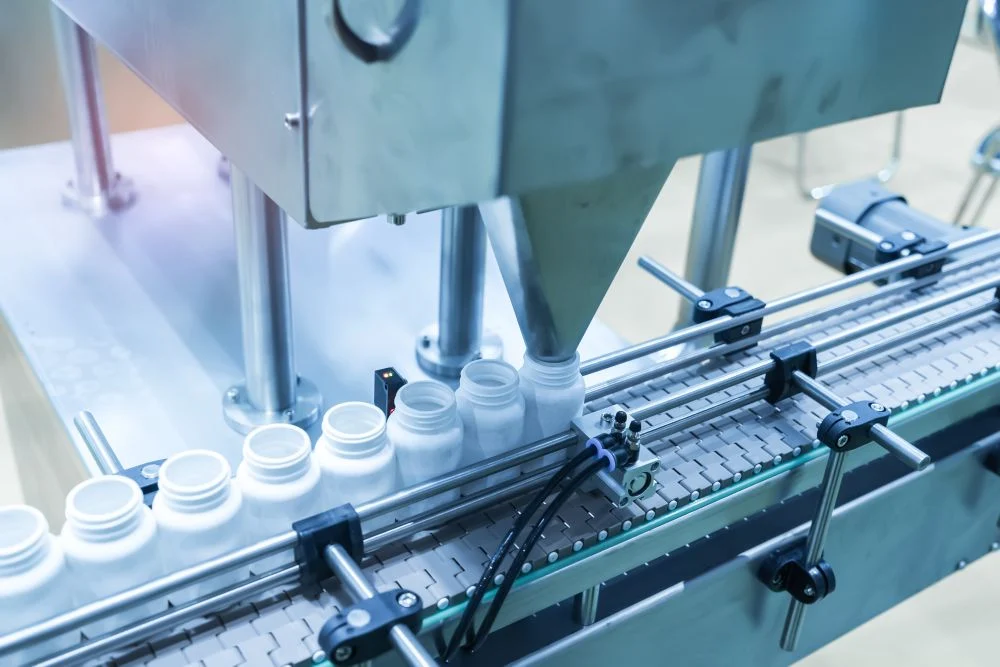
A notable surge in the acquisition of pharmaceutical manufacturing facilities by contract development and manufacturing organizations (CDMOs) has illuminated a critical industry imperative: the escalating need for enhanced operational agility and strategic flexibility. This trend, underscored by a cluster of high-profile transactions in early 2026, suggests a significant recalibration of manufacturing strategies within the pharmaceutical sector, driven by evolving market dynamics, geopolitical considerations, and the pursuit of specialized expertise.
Unprecedented Activity in Pharma-to-CDMO Facility Transfers
The first quarter of 2026 witnessed an unusual acceleration in manufacturing asset transactions between pharmaceutical giants and their outsourcing partners. Between March 15 and April 15, 2026, at least three substantial facility sales from pharmaceutical companies to CDMOs were finalized. This concentrated burst of activity starkly contrasts with the preceding eight months, during which only two similar deals were recorded, according to data compiled in GlobalData’s monthly Bio/Pharmaceutical Outsourcing Report. This report meticulously tracks mergers, acquisitions, and financing within the contract manufacturing landscape, providing a granular view of industry shifts.
The most prominent transaction in this period involved Samsung Biologics, a leading South Korean CDMO, acquiring a manufacturing facility in Rockville, Maryland, from the global pharmaceutical powerhouse GSK. This acquisition marks Samsung Biologics’ inaugural manufacturing footprint in the United States, significantly bolstering its operational capacity. The deal not only injects an additional 60,000 liters of drug substance manufacturing capacity into Samsung’s global network, representing an approximate 8% increase to its existing 845,000-liter capacity, but also positions the company to leverage advanced biologics production capabilities.
Strategic Motivations Behind the Facility Sales
These pharma-to-CDMO facility sales are intrinsically linked to a broader industry-wide movement towards re-evaluating and reconfiguring manufacturing strategies, particularly in the United States. A prevailing theme is the push for onshoring domestic manufacturing capabilities, driven in part by increasing global trade uncertainties and tariff threats. In 2025, major pharmaceutical players, including Roche, Novartis, Eli Lilly, and Johnson & Johnson, collectively announced substantial investments in US manufacturing, totaling an estimated $155 billion. This significant capital deployment underscores a strategic commitment to strengthening domestic supply chains.
GSK, a participant in this trend, also announced billion-dollar manufacturing investments in the US during 2025. However, its strategic adjustments extended to optimizing its internal operational structure, leading to the divestment of the Rockville facility to Samsung Biologics. This move allows GSK to streamline its asset portfolio while ensuring continuity of supply for previously manufactured products through a contractual arrangement with Samsung.
Key Transactions and Their Implications
The GSK-Samsung Biologics deal is particularly noteworthy. The Rockville facility, equipped with two current Good Manufacturing Practice (cGMP) plants, is designed to support both clinical and commercial biologics production across various scales. Samsung Biologics has indicated plans for further investment to enhance the site’s capabilities and solidify its long-term operational efficiency. Crucially, while Samsung will assume full operational control, it will continue to supply GSK with the products that were historically manufactured at the site. This dual benefit allows GSK to benefit from its established manufacturing expertise while freeing up capital and resources, and simultaneously enables Samsung to diversify its client base and cater to additional contract manufacturing needs.
Another significant pharma-to-CDMO facility transaction that concluded within the March 15 to April 15, 2026 window involved Bristol Myers Squibb (BMS) and Rois, the CDMO division of Laboratorios Farmaceuticos Rovi. Rois acquired a BMS injectables manufacturing facility located in Phoenix, Arizona. Similar to the Samsung-GSK agreement, this deal includes a provision for Rois to continue manufacturing products for BMS at the newly acquired site. This arrangement ensures a seamless transition for BMS’s product portfolio while integrating the Phoenix facility into Rois’s expanding operational network, likely strengthening its presence in the US injectables market.
The third notable deal, and the only one outside the US during this specific period, saw Adragos Pharma finalize its acquisition of a sterile fill-finish facility from Sanofi in Maisons-Alfort, France. This acquisition forms part of Adragos Pharma’s strategic initiative to fortify its European injectables manufacturing capabilities and expand its service offerings within the continent.
A Broader Trend of Strategic Divestment and Outsourcing
These three transactions, occurring in close succession, represent an acceleration of a discernible trend in the pharmaceutical industry. This pattern of strategic divestment and outsourcing has been building momentum over the past few years. For instance, in January 2026, Celltrion completed its acquisition of Eli Lilly’s manufacturing site in Branchburg, New Jersey. Prior to that, in September 2025, Thermo Fisher Scientific finalized its acquisition of a sterile fill-finish and packaging facility in Ridgefield, Connecticut, from Sanofi. This latter acquisition saw the facility integrated into Thermo Fisher Scientific’s extensive pharmaceutical services business, operating under its Laboratory Products and Biopharma Services segment.
The consistent theme across these transactions is the strategic decision by pharmaceutical companies to offload specific manufacturing assets. This is often driven by a desire to focus core competencies on drug discovery, development, and marketing, while delegating complex manufacturing operations to specialized CDMOs. CDMOs, in turn, benefit from acquiring established infrastructure, skilled workforces, and existing client relationships, enabling them to scale their operations and enhance their service portfolios more rapidly than through organic expansion alone.
Economic and Operational Implications
The implications of this escalating trend are multifaceted. For the pharmaceutical industry, divesting manufacturing facilities can unlock significant capital, reduce the burden of capital expenditure on maintaining and upgrading complex infrastructure, and allow for greater flexibility in adapting to fluctuating market demands or shifting product portfolios. By partnering with CDMOs, pharmaceutical companies can access specialized technologies, regulatory expertise, and a broader manufacturing network without direct investment in physical assets. This allows for more agile responses to market opportunities and challenges, such as the need to quickly scale up production for a new drug or to mitigate supply chain disruptions.
For the CDMO sector, these acquisitions represent substantial growth opportunities. They enable CDMOs to expand their capacity, geographical reach, and technological capabilities, thereby attracting a wider range of clients and undertaking more complex manufacturing projects. The ability to acquire established, cGMP-compliant facilities with existing operational expertise can significantly shorten the time-to-market for expansion compared to building new sites from scratch. This also allows CDMOs to offer a more comprehensive suite of services, from early-stage development to large-scale commercial manufacturing, positioning them as strategic partners rather than mere service providers.
The Role of Onshoring and Geopolitical Factors
The ongoing emphasis on onshoring US domestic manufacturing adds another layer of complexity and motivation to these transactions. As pharmaceutical companies seek to de-risk their supply chains and ensure greater control over production within key markets, the acquisition of existing US-based facilities by CDMOs offers a pragmatic solution. This allows for the retention of manufacturing operations within the US, potentially satisfying governmental incentives and regulatory preferences, while leveraging the specialized operational efficiencies of CDMOs.
Furthermore, the global geopolitical landscape, with its attendant trade tensions and supply chain vulnerabilities, has amplified the importance of resilient and localized manufacturing. Companies are increasingly prioritizing supply chain security and the ability to respond rapidly to regional demand. The sale of facilities to CDMOs that operate globally or have a strong presence in strategic regions can help pharmaceutical companies achieve this balance, ensuring that critical medicines can be produced closer to the point of consumption.
Expert Perspectives and Future Outlook
Industry analysts suggest that this trend is likely to continue as pharmaceutical companies increasingly adopt a more agile and outsourced manufacturing model. "The pharmaceutical industry is undergoing a profound transformation, driven by the need for greater speed, flexibility, and cost-efficiency," commented Dr. Anya Sharma, a senior life sciences consultant at Global Pharma Insights. "The recent surge in facility sales to CDMOs is a clear indicator that companies are strategically choosing to focus on their core innovation strengths while entrusting manufacturing to specialized partners. This allows them to navigate market volatility and regulatory complexities with greater agility."
The ability of CDMOs to absorb these facilities, enhance their capabilities, and continue to supply the original pharmaceutical partners highlights the collaborative nature of this evolving landscape. It suggests a mature outsourcing ecosystem where partnerships are built on mutual benefit and strategic alignment. As the pharmaceutical industry continues to innovate and adapt to a dynamic global environment, the strategic utilization of CDMO expertise and infrastructure, exemplified by these facility acquisitions, will undoubtedly play a pivotal role in shaping the future of drug manufacturing and supply. The ongoing investments by CDMOs in these acquired sites, coupled with their commitment to serving existing clients, signal a robust and expanding outsourcing sector poised to support the critical needs of the global pharmaceutical market.











Leave a Reply