


The human biological system relies upon a sophisticated architecture of checks and balances to ensure the precise growth, maturation, and functional integrity of its various specialized cells. Among the most complex of these developmental pathways is spermiogenesis—the process by which undifferentiated germ cells transform into highly specialized, motile spermatozoa. In a significant advancement for reproductive biology, a multi-institutional research team led by Osaka University has identified a previously unknown protein interaction that serves as a critical regulator of this process. The study, recently published in the Proceedings of the National Academy of Sciences (PNAS), reveals that the interaction between two specific proteins, TEX38 and ZDHHC19, is indispensable for the correct structural formation of sperm heads and the overall fertility of the organism.
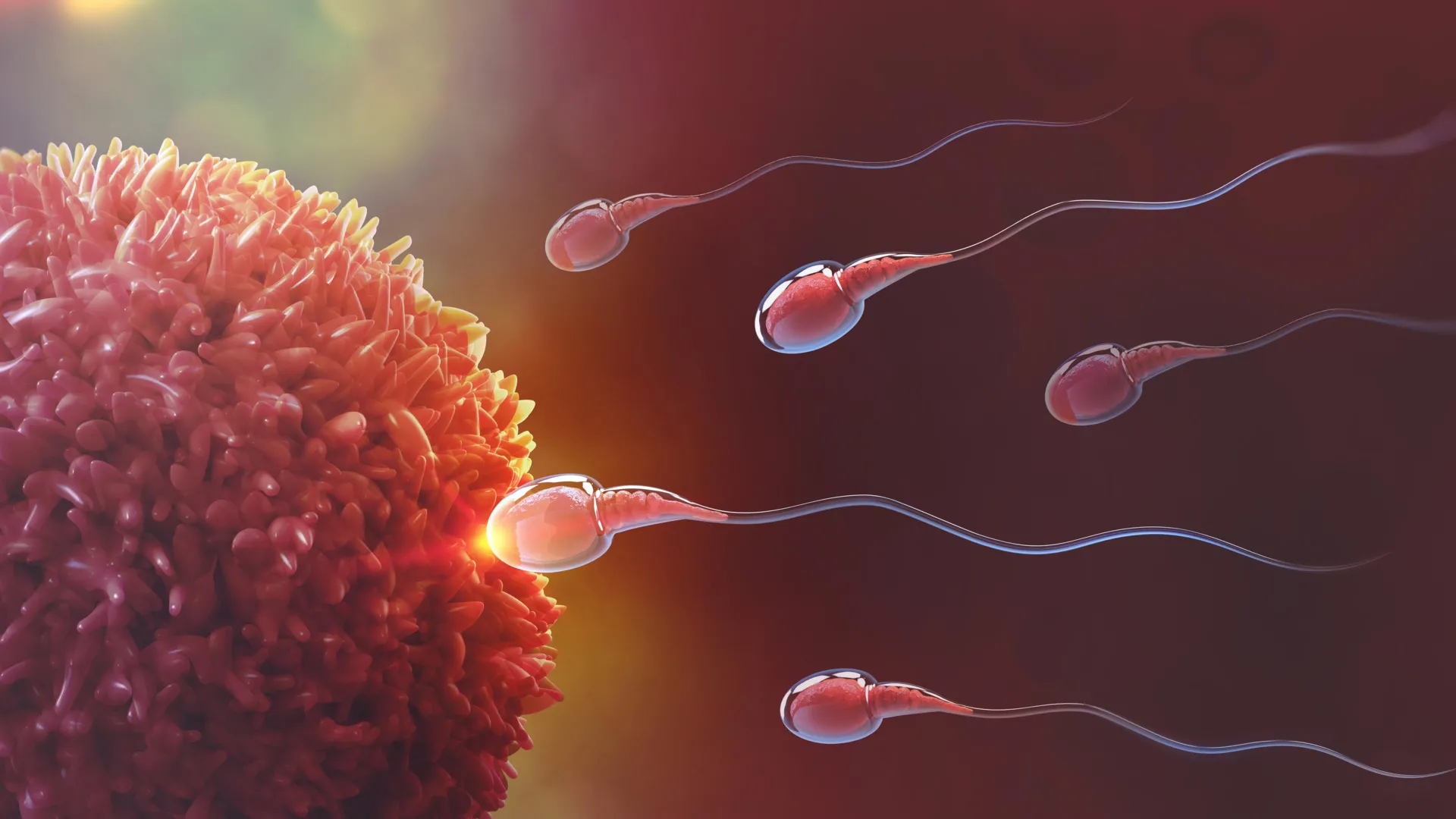
Spermiogenesis is characterized by a series of dramatic morphological transformations. These include the condensation and shrinking of the nucleus, the assembly of a flagellum (sperm tail), and the intricate remodeling of the sperm head to ensure it can effectively penetrate an egg. Any disruption to this delicate sequence can lead to morphological abnormalities, resulting in nonfunctional sperm and, consequently, male infertility. Despite the identification of several genes essential to this process over the last few decades, the underlying molecular mechanisms have remained largely enigmatic. The findings from the Osaka University team provide a new level of clarity regarding how proteins are modified and stabilized to facilitate these structural changes.
The Molecular Architecture of Spermiogenesis
To understand the factors governing sperm formation, the research team focused on TEX38, a protein predominantly expressed within the testes. Using CRISPR/Cas9 gene-editing technology, the researchers disrupted the expression of TEX38 in mouse models. The results were immediate and definitive: the mice lacking the TEX38 protein were completely infertile. Microscopic examination of the sperm produced by these mice revealed a consistent and severe deformity—the sperm heads were bent backward, and the cells retained an excess of cytoplasm that should have been discarded during the maturation phase.
"Abnormal sperm formation impairs their ability to fertilize egg cells," explained Yuki Kaneda, the study’s lead author. "While some genes that are essential for spermiogenesis have been identified, there is much that remains unknown about the molecular mechanisms of this intricate process. Our goal was to pinpoint the exact interactions that allow these cells to take their functional shape."
Following the observation of the "bent-head" phenotype, the researchers sought to identify the biochemical partners of TEX38. Through proteomic analysis, they discovered that TEX38 directly interacts with ZDHHC19, an enzyme belonging to the zinc-finger DHHC-type palmitoyltransferase family. This family of enzymes is responsible for S-palmitoylation, a post-translational modification where fatty acids, typically palmitic acid, are attached to cysteine residues of substrate proteins. This process increases the hydrophobicity of proteins, often facilitating their association with cellular membranes or stabilizing their structure.
A Critical Enzymatic Partnership
The investigation into ZDHHC19 revealed a symbiotic relationship between the two proteins. When the researchers deleted ZDHHC19, they observed the exact same sperm deformities found in the TEX38-deficient mice. Furthermore, the study found that the presence of one protein was necessary for the stability of the other; if TEX38 was absent, the levels of ZDHHC19 dropped significantly, and vice versa. This suggested that the two proteins form a functional complex where TEX38 likely acts as a stabilizing chaperone for the ZDHHC19 enzyme.
The downstream effects of this interaction are centered on a third protein: ARRDC5. Previous research had already established ARRDC5 as a crucial factor in sperm development, specifically in the remodeling of the sperm head and the removal of residual cytoplasm. The Osaka University team demonstrated that ZDHHC19 is the specific enzyme responsible for the S-palmitoylation of ARRDC5. When the TEX38-ZDHHC19 complex is disrupted, ARRDC5 does not undergo the necessary lipid modification. Without this modification, ARRDC5 fails to function correctly, leading to the failure of cytoplasmic reduction and the structural collapse of the sperm head.
"The results were striking," noted Masahito Ikawa, the study’s senior author and a prominent figure in reproductive biology. "We found that TEX38 and ZDHHC19 form a complex in developing sperm. This complex regulates S-palmitoylation of the proteins that are essential for generating functional sperm with the correct morphology."
Chronology of the Research and Comparative Data
The timeline of this discovery follows a systematic approach to reverse genetics. The research began with the screening of testes-specific genes whose functions were previously uncharacterized. After identifying TEX38 as a candidate, the team moved into the "knockout" phase, observing the physiological outcomes in vivo. The discovery of the bent-head phenotype in mice provided a clear morphological marker for infertility, which then led to the "interactome" phase—identifying which proteins TEX38 "talked to" within the cell.
Supporting data from the study showed that the sperm count in TEX38-knockout mice remained relatively normal, but the motility and structural integrity were severely compromised. Specifically, over 95% of the observed sperm in the knockout models exhibited the bent-neck or bent-head deformity. This data is significant because it highlights a form of infertility that is not characterized by a lack of sperm (azoospermia) but by the production of malformed sperm (teratozoospermia).
In the broader context of reproductive science, these findings align with a growing body of evidence suggesting that post-translational modifications, such as palmitoylation, play a much larger role in fertility than previously thought. While DNA provides the blueprint, it is the subsequent modification of proteins that dictates the final "build" of the sperm cell.
Addressing the Global Crisis of Male Infertility
The implications of this research extend far beyond the laboratory. According to data from the World Health Organization (WHO), infertility affects approximately one in six people globally. While reproductive health has historically focused on female factors, contemporary data suggests that male-factor infertility contributes to approximately 50% of all infertility cases. A significant portion of these cases is classified as "idiopathic," meaning the underlying cause is unknown.
By identifying the TEX38-ZDHHC19-ARRDC5 pathway, clinicians may eventually be able to diagnose specific genetic or biochemical triggers for male infertility. If a patient’s sperm exhibits the specific bent-head morphology described in the study, genetic screening for mutations in the TEX38 or ZDHHC19 genes could provide a definitive diagnosis.
Furthermore, the discovery opens a new door for the development of male contraceptives. Currently, male contraceptive options are largely limited to condoms or permanent surgical procedures like vasectomy. Efforts to develop a "male pill" have often focused on hormonal interventions, which can carry significant side effects. The Osaka University study suggests a non-hormonal alternative: pharmacological inhibition of the TEX38-ZDHHC19 complex.
Fact-Based Analysis of Future Implications
If a drug could be developed to temporarily and safely block the interaction between TEX38 and ZDHHC19, or inhibit the enzymatic activity of ZDHHC19 specifically in the testes, it would result in the production of nonfunctional sperm without affecting the patient’s hormone levels or libido. Because S-palmitoylation is a reversible process and spermiogenesis is continuous, such a contraceptive could theoretically be reversible, with sperm quality returning to normal once the medication is discontinued.
However, the path from mouse models to human application requires rigorous validation. While the basic mechanisms of spermiogenesis are conserved across mammals, human clinical trials would be necessary to ensure that blocking this pathway does not have off-target effects in other tissues where ZDHHC-family enzymes might operate.
The scientific community has reacted with cautious optimism to the findings. Reproductive endocrinologists have noted that while ARRDC5 was already known, the "missing link" was how ARRDC5 was activated. By identifying the TEX38-ZDHHC19 complex as the activator, the Osaka team has provided the "on switch" for a critical stage of male fertility.
Conclusion and Strategic Outlook
The study by Kaneda, Ikawa, and their colleagues represents a landmark shift in our understanding of the molecular "checks and balances" of the human body. By mapping the interaction between TEX38 and ZDHHC19, the researchers have not only solved a piece of the biological puzzle regarding sperm shape but have also laid the groundwork for future innovations in both fertility treatment and birth control.
As the global medical community continues to seek solutions for declining fertility rates and more diverse contraceptive options, basic science research of this caliber becomes increasingly vital. The discovery of the TEX38-ZDHHC19 complex serves as a reminder that the most profound medical breakthroughs often begin with the study of the smallest molecular interactions. Moving forward, the focus will likely shift toward identifying small-molecule inhibitors that can mimic the knockout effect observed in mice, potentially ushering in a new era of reproductive autonomy and health.












Leave a Reply