

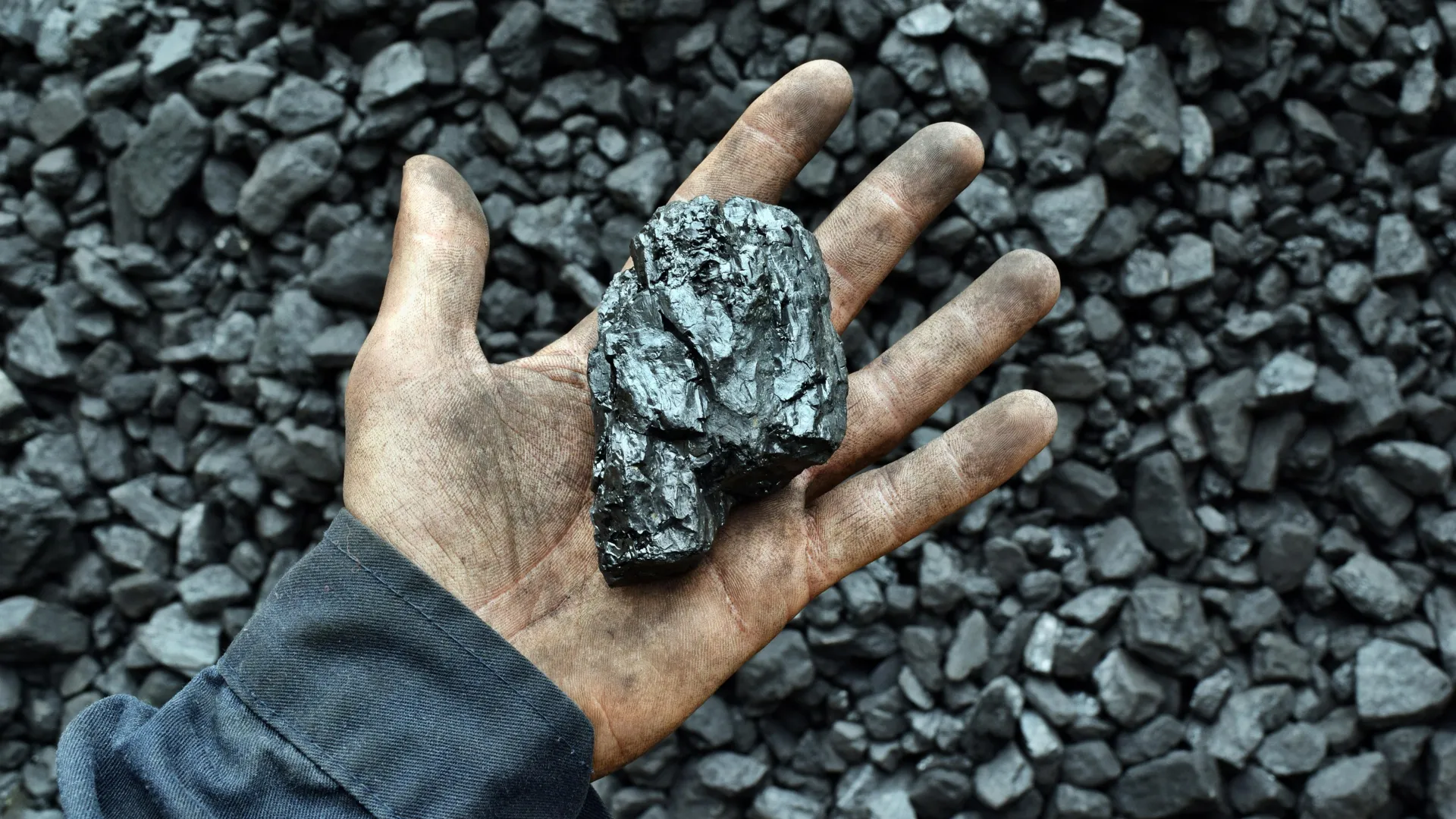
The village of Cumberland, British Columbia, was once defined by the rhythmic clatter of coal cars and the soot-heavy air of an industrial powerhouse. For nearly eighty years, this settlement on Vancouver Island served as a vital node in the global energy network, extracting millions of tonnes of coal that fueled steamships and industrial furnaces across the Pacific. However, when the mines finally went dark in the late 1960s, they left behind a complex legacy: a hollowed-out subterranean landscape and an economic void that the community has spent decades trying to fill. Today, Cumberland is on the verge of a historic pivot, reimagining those very same abandoned shafts not as relics of a carbon-intensive past, but as the foundation for a cutting-edge, clean-energy future.
Through a strategic partnership with the University of Victoria-led Accelerating Community Energy Transformation (ACET) initiative, Cumberland is investigating the feasibility of the Cumberland District Energy project. This ambitious undertaking seeks to harness the geothermal potential of the water currently flooding the town’s labyrinthine network of abandoned mine tunnels. By utilizing advanced heat-pump technology, the village aims to provide sustainable heating and cooling to municipal buildings, residential developments, and industrial zones, potentially transforming Cumberland into a national model for circular energy economies.
A Legacy Forged in Carbon: The History of Cumberland Mining
To understand the significance of this energy transition, one must first look at the sheer scale of Cumberland’s extractive history. Coal was first discovered in the Comox Valley in the mid-19th century, leading to the incorporation of the Union Colliery Company in 1888. Under the influence of the Dunsmuir family—industrialists who dominated the economic landscape of early British Columbia—Cumberland grew into one of the most productive mining regions in Western Canada.
Between 1888 and 1966, approximately 16 million tonnes of coal were pulled from the earth. According to local historian Dawn Copeman, the impact of this industry reached far beyond the borders of Vancouver Island. Ships departing from nearby Union Bay carried Cumberland coal to markets as far away as Japan and South America. The resource was a cornerstone of the regional economy, providing the coking coal necessary for metal production and the thermal coal required for the steam-powered era.
However, the prosperity came at a significant human and environmental cost. The mines were the site of frequent accidents, labor unrest, and the "Great Strike" of 1912–1914. Furthermore, the long-term environmental footprint of coal extraction—both in terms of local landscape degradation and the global impact of carbon emissions—is a legacy the modern village must now navigate. The transition to geothermal energy is viewed by many as a form of restorative justice for the land, using the "waste" of the old industry to power the new.
The Mechanics of Mine-Water Geothermal Energy
The technical core of the Cumberland District Energy project relies on the geological principle of thermal inertia. Deep underground, the temperature of the earth remains relatively constant regardless of the season. In abandoned mines like those beneath Cumberland, the tunnels have naturally filled with groundwater over time. This water absorbs the ambient heat of the surrounding rock, maintaining a stable temperature that is significantly warmer than the winter air and cooler than the summer sun.
Zachary Gould, the project lead for ACET, explains that this stable temperature profile makes the mine water an ideal medium for heat pumps. In a district energy system, this water is pumped to the surface, where a heat exchanger extracts or deposits thermal energy. During the winter, the heat pump concentrates the warmth from the mine water to heat buildings. In the summer, the process is reversed, with the system pulling heat out of buildings and dispersing it back into the subterranean reservoir.
Emily Smejkal of the Cascade Institute, a research center focused on addressing complex global challenges, describes the project as a "very large ground-source heat exchanger." Unlike traditional geothermal projects that require drilling kilometers into the earth’s crust to reach high-temperature steam, mine-water geothermal utilizes existing infrastructure. The tunnels, which extend beneath much of the town’s footprint, act as a ready-made radiator system, drastically reducing the initial capital costs associated with geothermal exploration.
Collaborative Innovation: The ACET Initiative and the University of Victoria
The transition from a theoretical concept to a viable municipal plan has been facilitated by the University of Victoria’s ACET initiative. ACET was designed specifically to help small and mid-sized communities bridge the "capacity gap" that often prevents them from adopting complex renewable energy technologies. While larger metropolitan areas like Vancouver or Victoria have dedicated engineering departments to oversee green infrastructure, smaller villages like Cumberland, with a population of roughly 4,800, often lack the specialized resources required for such projects.
Mayor Vickey Brown identified the opportunity after participating in an ACET webinar focused on municipal energy sovereignty. "We need their academic expertise and their capacity to help us do those business cases," Brown noted, highlighting the essential role of institutional partnerships in rural development.
The ACET team, alongside geologists and engineers, has been working to map the underground network with modern precision. By synthesizing historical mining maps with contemporary geological data, researchers can estimate the volume of water available and its thermal capacity. This data is crucial for building a business case that can attract provincial and federal funding, as well as private investment.
Strategic Implementation: The District Energy Project Roadmap
The Cumberland District Energy project is being approached in phases, focusing first on high-impact municipal sites. The primary target is a proposed civic redevelopment area that sits directly atop former mine workings. This site is slated to include:
- A New Community Center: Replacing aging infrastructure with a high-efficiency facility.
- Municipal Offices: Consolidating village services into a centralized, renewably heated hub.
- Affordable Housing: Reducing the cost of living for residents by providing low-cost, stable energy rates.
- Public Works Facilities: Ensuring that essential services are resilient to energy price fluctuations.
Beyond the civic core, the project looks toward an industrial zone near Comox Lake. By providing a low-carbon, low-cost heating and cooling utility, Cumberland could attract specific types of industry that are traditionally energy-intensive. Greenhouses, food processing plants, and even data centers—all of which require significant temperature regulation—could find a competitive advantage in Cumberland. This would diversify the local economy, moving it away from its current reliance on tourism and recreation toward a more robust industrial-technological base.
Socio-Economic Revitalization and the "Just Transition"
The project represents a practical application of the "Just Transition" framework—the idea that as the world moves away from fossil fuels, the communities that were built on those fuels should not be left behind. For Cumberland, the mines are not just holes in the ground; they are part of the town’s collective identity.
Mayor Brown emphasizes that this project allows the village to honor its history while embracing a "sustainable-future ethos." By repurposing the ruins of extraction, the community is reclaiming its narrative. In 2011, a proposal for a new coal mine near Union Bay was met with fierce local opposition, signaling a clear shift in public sentiment. In contrast, the geothermal project has been met with optimism. It offers a way to utilize the town’s geological heritage without the environmental degradation associated with new extraction.
From an economic perspective, the district energy system offers long-term resilience. As carbon taxes increase and the price of natural gas fluctuates, a locally owned and operated geothermal utility provides price stability. It keeps energy dollars within the community rather than exporting them to external utility providers, creating a localized "wealth loop."
Precedents and the Future of Repurposed Infrastructure
Cumberland is not the first community to explore this path, though it is one of the most ambitious in its integration with urban planning. Similar projects have seen success in other former mining towns. In Springhill, Nova Scotia, mine-water geothermal has been used since the late 1980s to provide heating and cooling to industrial buildings, demonstrating the long-term viability of the technology. Closer to home, the city of Nanaimo has also explored mine-water energy for its local facilities.
What sets Cumberland apart is the comprehensive nature of the ACET partnership and the integration into a total "village-wide" vision. As geologists like Cory MacNeill have noted, the shift from viewing the mines as a liability (due to methane concerns or sinkholes) to viewing them as an asset is a profound psychological and economic shift.
The broader implications for British Columbia and Canada are significant. Across the country, there are thousands of abandoned mines. If the Cumberland model proves successful, it could provide a blueprint for hundreds of other rural communities looking to decarbonize their infrastructure. It aligns perfectly with the CleanBC Roadmap to 2030, which mandates significant reductions in greenhouse gas emissions from buildings and industry.
Conclusion: A Model for Resilient Rural Communities
As the Cumberland District Energy project moves through its feasibility and design stages, it serves as a testament to the power of community-led innovation. By leveraging academic partnerships, historical data, and a forward-thinking municipal government, a small village is solving a modern global crisis using the remnants of an 18th-century industry.
The transition from coal to geothermal is more than just a technical upgrade; it is a reinvention of what it means to be a "resource town." In the 20th century, Cumberland’s resources were extracted and sent away, leaving the community vulnerable to the whims of global markets. In the 21st century, Cumberland is looking to harvest a resource that stays at home, powering the community from the ground up.
As Mayor Brown concluded, "This is far more resilient than the way we’ve done it in the past." By looking beneath their feet, the people of Cumberland are finding that the solution to a sustainable future was buried in their past all along. The success of this project will likely resonate far beyond the Comox Valley, offering a beacon of hope for any community seeking to turn the scars of industry into the seeds of renewal.


















Leave a Reply