

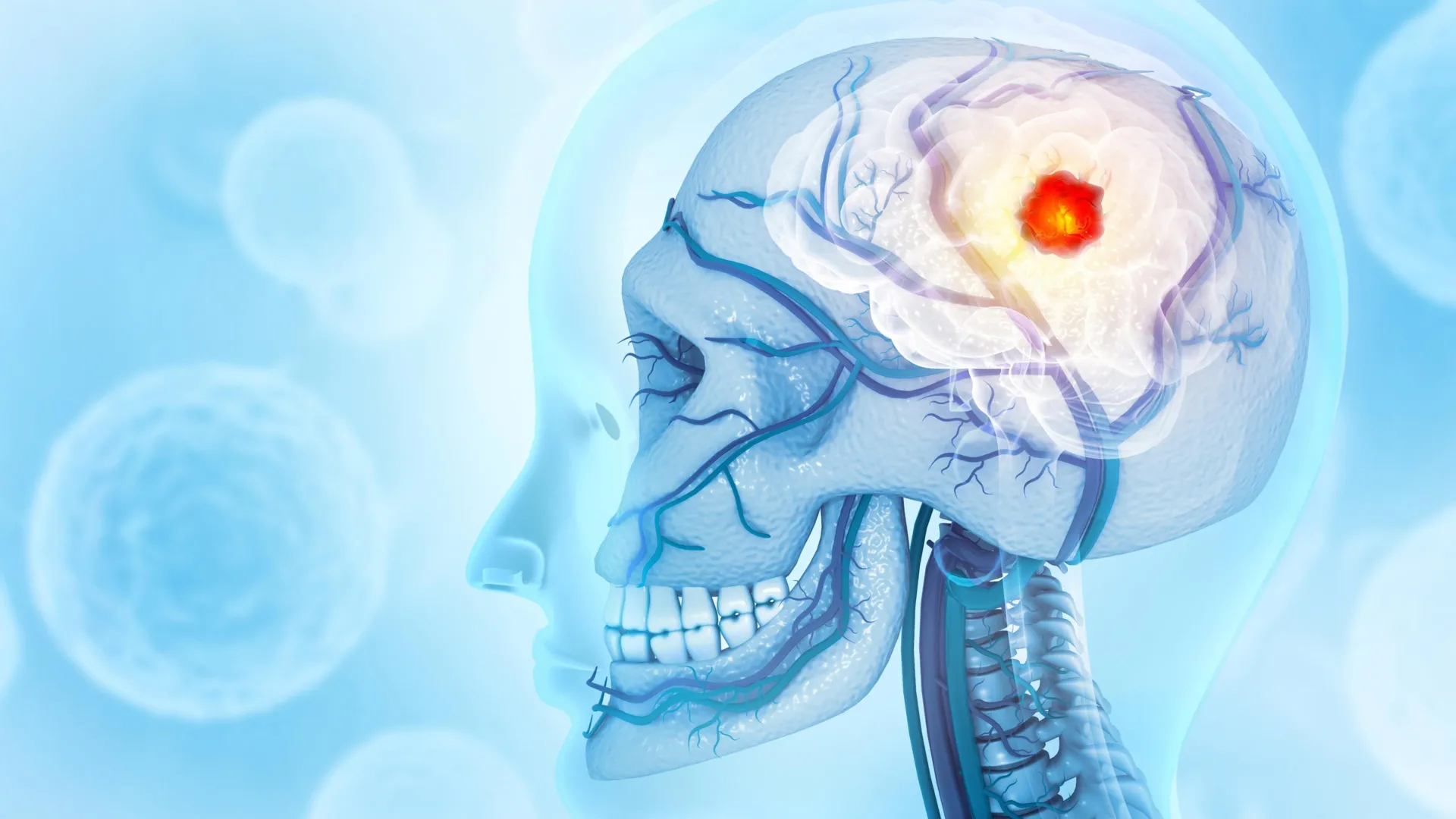
The traditional understanding of glioblastoma multiforme (GBM) as a localized malignancy confined within the blood-brain barrier is being fundamentally challenged by new evidence. Researchers at the Montefiore Einstein Comprehensive Cancer Center (MECCC) and the Albert Einstein College of Medicine have published a groundbreaking study in the journal Nature Neuroscience, demonstrating that this lethal brain cancer exerts a profound influence far beyond the soft tissues of the brain. According to the findings, glioblastoma actively erodes the skull, reconfigures the immune-cell production within the bone marrow, and hijacks the body’s internal defense mechanisms to facilitate its own progression.
The implications of this discovery are significant, particularly regarding why decades of research into localized treatments—such as targeted radiation and intracranial chemotherapy—have failed to significantly extend patient survival. By revealing that the skull marrow acts as a reservoir and a gateway for immune cells that the tumor manipulates, the study suggests that glioblastoma must be treated as a systemic disease rather than a localized neurological event.
The Lethal Landscape of Glioblastoma
Glioblastoma remains the most aggressive and common primary brain tumor in adults. Characterized by rapid growth and an invasive nature, it infiltrates surrounding brain tissue, making complete surgical resection nearly impossible. According to data from the National Cancer Institute (NCI), approximately 15,000 individuals in the United States receive a glioblastoma diagnosis annually.
Despite advancements in medical imaging and surgical techniques, the prognosis for patients remains grim. The current standard of care—a combination of maximal safe resection followed by radiotherapy and the chemotherapy agent temozolomide—has been the benchmark since 2005. However, even with this intensive regimen, the median survival time remains approximately 15 months, with a five-year survival rate of less than 7%. This stagnation in clinical outcomes has prompted researchers like Jinan Behnan, Ph.D., and her team to look outside the brain for answers.
"Our discovery that this notoriously hard-to-treat brain cancer interacts with the body’s immune system may help explain why current therapies—all of them dealing with glioblastoma as a local disease—have failed," stated Dr. Behnan, assistant professor in the Leo M. Davidoff Department of Neurological Surgery and the department of microbiology & immunology at Einstein.
A Discovery of Hidden Channels
The research was prompted by a growing body of anatomical evidence suggesting the brain is not as isolated as once thought. Traditionally, the blood-brain barrier was viewed as a strict gatekeeper, but recent anatomical studies have identified microscopic, thin channels that connect the brain directly to the skull’s bone marrow. These channels facilitate the movement of molecules and immune cells, creating a direct communication line between the central nervous system and the skeletal system.
Utilizing advanced intravital imaging and high-resolution CT scans, Dr. Behnan’s team observed mice with two distinct types of glioblastoma. The results were striking: the presence of the tumor led to visible and measurable erosion of the skull bone. This degradation was most prominent along the sutures—the fibrous joints where the various plates of the skull fuse together.
To ensure this phenomenon was unique to glioblastoma, the researchers compared these results against other neurological conditions. They found that mice suffering from strokes, traumatic brain injuries, or cancers originating elsewhere in the body did not exhibit this specific type of skull erosion. Furthermore, the team validated these findings in humans by analyzing CT scans of glioblastoma patients, which revealed significant thinning of the skull in the same regions identified in the animal models.
The Mechanical and Molecular Gateway
The erosion of the skull bone is not merely a side effect of tumor pressure; it appears to be a functional adaptation by the cancer. As the bone thins, the channels connecting the skull marrow to the brain increase in both size and frequency. This expansion creates a "highway" for cellular traffic.
The researchers hypothesized that the tumor sends molecular signals through these enlarged channels into the skull marrow. These signals essentially "reprogram" the marrow’s production of immune cells. Rather than producing cells that would attack the tumor, the marrow is coerced into producing cells that protect it.
Using single-cell RNA sequencing—a technology that allows scientists to examine the genetic expression of individual cells—the team analyzed the immune landscape of the skull marrow. They discovered a dramatic shift in cell populations. In the presence of glioblastoma, the marrow nearly doubled its production of pro-inflammatory myeloid cells, specifically neutrophils. Simultaneously, the production of B cells—the white blood cells responsible for producing antibodies—was almost entirely suppressed.
Systemic Disruption: Skull vs. Long Bones
One of the most profound findings of the study was the divergent reaction of bone marrow in different parts of the body. While the skull marrow (the marrow closest to the tumor) was recruited to produce pro-inflammatory cells, the marrow in the femur (the thigh bone) reacted differently.
In the femur, the cancer appeared to suppress the genes necessary for producing various immune cells across the board. This suggests that glioblastoma exerts a "localized-systemic" effect: it activates marrow in the immediate vicinity to create a shield of inflammation while potentially dampening the broader immune system’s ability to mount a defense from a distance.
"The skull-to-brain channels allow an influx of these numerous pro-inflammatory cells from the skull marrow to the tumor, rendering the glioblastoma increasingly aggressive," explained study co-author E. Richard Stanley, Ph.D. This influx of neutrophils creates a "cold" immune environment within the brain, where the body’s natural "killer" T cells are unable to function effectively, allowing the tumor to grow unchecked.
The Osteoporosis Drug Paradox
Given the observed bone erosion, the research team investigated whether preventing bone loss could slow the progression of the disease. They administered two FDA-approved anti-osteoporosis medications—zoledronic acid (a bisphosphonate) and denosumab (a monoclonal antibody)—to mice with glioblastoma.
The results presented a medical paradox. While both drugs successfully halted the erosion of the skull bone and prevented the expansion of the skull-to-brain channels, they did not necessarily help the patient. In fact, zoledronic acid was found to accelerate tumor progression in one type of glioblastoma.
More alarmingly, both drugs were found to interfere with the efficacy of immunotherapy. Anti-PD-L1 drugs, which are designed to "unmask" cancer cells so the immune system can attack them, were rendered ineffective when combined with the bone-loss medications. This suggests that the structural integrity of the bone and the immune signaling within the marrow are so intrinsically linked that attempting to fix one with traditional methods can inadvertently sabotage the body’s ability to fight the cancer.
Implications for Clinical Practice
The study’s findings necessitate a re-evaluation of how glioblastoma is managed in clinical settings. If the skull marrow is a primary source of the cells that drive tumor aggression, then the marrow itself may need to be a target for therapy.
Experts in the field who were not involved in the study have noted that these findings might explain why previous immunotherapy trials for glioblastoma have yielded disappointing results. If the tumor has already "pre-programmed" the immune cells coming from the skull marrow to be pro-inflammatory and immunosuppressive, simply activating T cells in the blood may not be enough to overcome the hostile environment within the brain.
Future treatment strategies may include:
- Marrow Modulation: Developing drugs that prevent the bone marrow from switching to a pro-inflammatory myeloid state.
- Channel Blocking: Identifying ways to molecularly "seal" the channels between the skull and the brain to prevent the tumor from communicating with the marrow.
- Refined Immunotherapy: Timing the delivery of immunotherapies to coincide with treatments that restore B cell and T cell production in the skeletal system.
Collaborative Research and Methodology
The study was a massive collaborative effort involving researchers from various departments at Albert Einstein College of Medicine and MECCC, including the Leo M. Davidoff Department of Neurological Surgery and the Department of Microbiology & Immunology. The international scope of the research included contributions from Osaka University in Japan, the Karolinska Institute in Sweden, Duke University, the University of California, San Francisco (UCSF), and the German Rheumatism Research Center in Berlin.
The methodology relied on state-of-the-art tools, including:
- Intravital Imaging: Allowing for the observation of biological processes in live animals in real-time.
- Micro-CT Scanning: Providing high-resolution 3D images of bone structure.
- Single-cell RNA Sequencing: Mapping the genetic "instruction manual" of individual immune cells to see how they change in response to the tumor.
Conclusion: A New Direction for Oncology
The research published in Nature Neuroscience marks a turning point in neuro-oncology. By proving that glioblastoma is a systemic architect that reshapes the very bone surrounding it to survive, the team at Montefiore Einstein has provided a roadmap for a new generation of therapies.
The path forward will require a multidisciplinary approach that bridges the gap between neurology, osteology, and immunology. As Dr. Behnan and her colleagues continue their work, the focus shifts from merely attacking the "seed" (the tumor) to understanding and treating the "soil" (the skull and marrow) that allows it to flourish. For the 15,000 Americans diagnosed each year, this shift in perspective offers the first significant hope in decades for a treatment strategy that can finally outmaneuver this most formidable of cancers.

















Leave a Reply