A breakthrough study led by researchers at the Institute of Science Tokyo has identified a critical protein, Fam102a (Family with sequence similarity 102 member A), as a dual regulator of bone remodeling, a discovery that could redefine the clinical approach to treating osteoporosis and other degenerative bone diseases. Published in the prestigious journal Nature Communications on January 2, 2025, the research highlights how this specific protein governs the differentiation of both osteoblasts, which are responsible for bone formation, and osteoclasts, which handle bone resorption. By uncovering the molecular "traffic control" mechanism that allows key transcription factors to enter the cell nucleus, the team has provided a new target for pharmaceutical intervention in a field where current treatments often struggle to balance the delicate cycle of bone maintenance.
The Biological Foundation of Bone Homeostasis
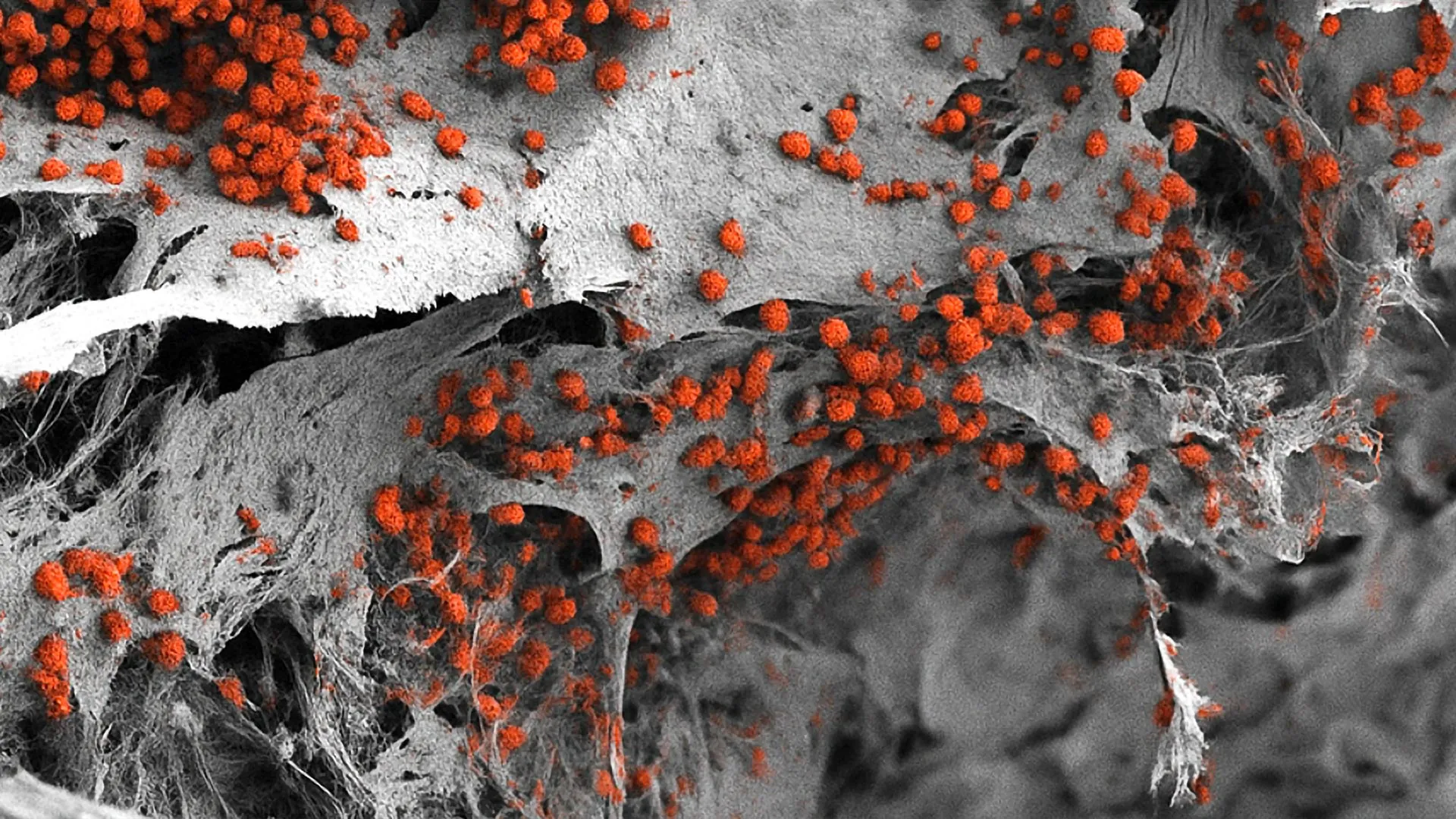
To understand the significance of the Fam102a discovery, it is essential to view bone not as a static structural element, but as a dynamic, living tissue that undergoes constant renewal. This process, known as bone remodeling, is a lifelong cycle where old or damaged bone is dissolved and replaced by new mineralized tissue. This equilibrium is maintained by two primary cell types: osteoclasts, which break down bone (resorption), and osteoblasts, which build it back up (ossification).
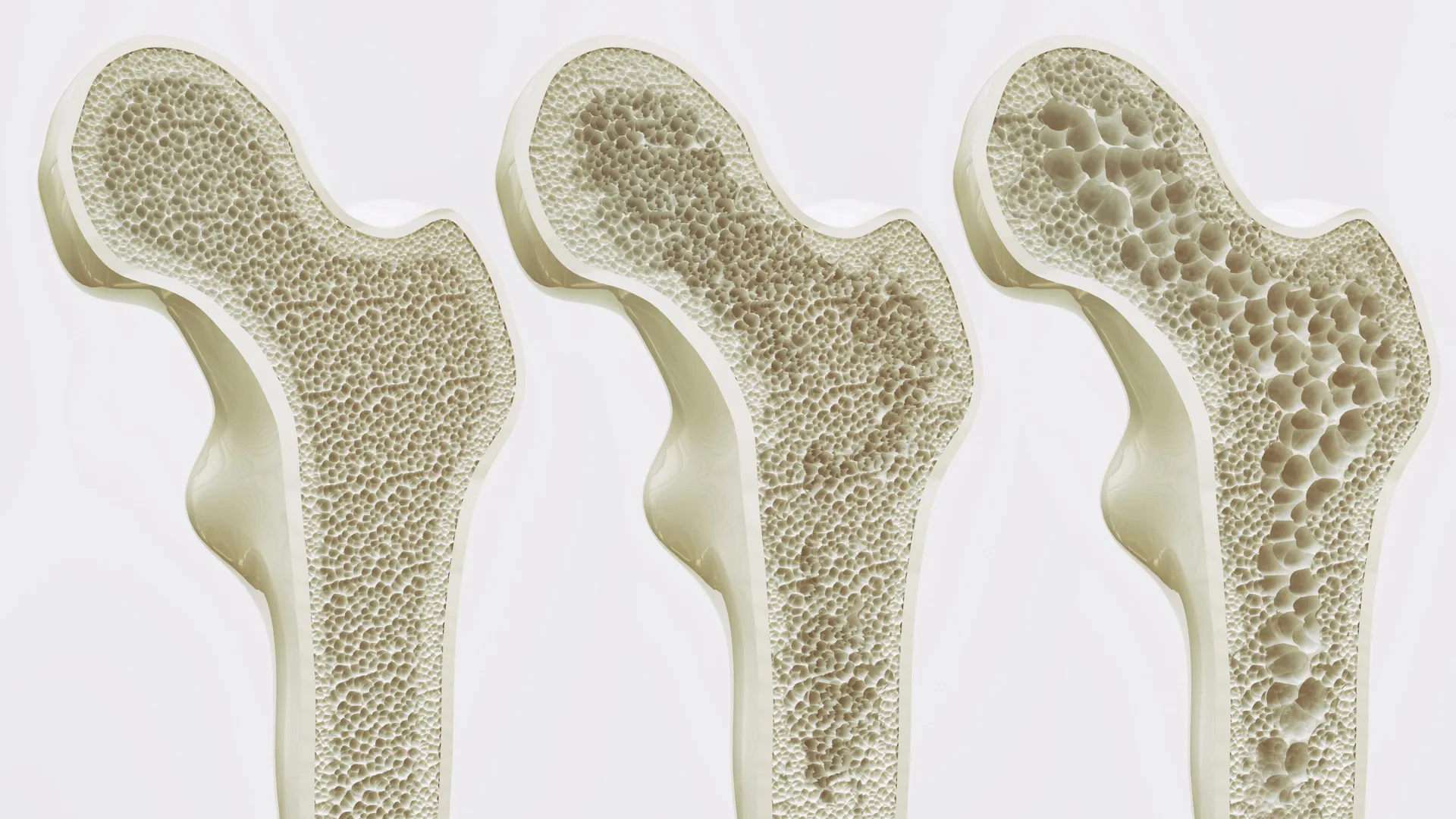
Under healthy conditions, these two cell types work in perfect synchrony. However, as the human body ages or encounters hormonal shifts—most notably the drop in estrogen during menopause—this balance is frequently disrupted. When bone resorption by osteoclasts outpaces bone formation by osteoblasts, the result is a systemic decrease in bone mineral density (BMD), leading to osteoporosis. According to the International Osteoporosis Foundation (IOF), osteoporosis causes more than 8.9 million fractures annually worldwide, equivalent to an osteoporotic fracture every three seconds. The discovery of a single factor that influences both sides of this cellular equation represents a significant shift in musculoskeletal biology.
Identifying Fam102a: A Chronology of Discovery
The research journey, spearheaded by Professor Tomoki Nakashima of the Faculty of Dentistry at the Institute of Science Tokyo, began with a sophisticated genetic screening process. While the scientific community has long understood the separate pathways that lead to osteoclast and osteoblast development, the search for "common denominators"—proteins that orchestrate both processes simultaneously—has remained a "holy grail" in bone research.
The team’s investigation followed a rigorous chronological path:
- Gene Expression Profiling: The researchers initially analyzed the transcriptomes of various bone cells derived from specialized mouse models. They focused on identifying genes that were significantly altered when master transcription factors—the "on-off switches" of cellular identity—were absent.
- The Emergence of Fam102a: Through this comparative analysis, the Fam102a gene emerged as a central figure. It showed high levels of expression during the critical windows of both osteoblast and osteoclast differentiation, suggesting a multifaceted role.
- In Vitro Validation: Using laboratory-grown cell cultures, the team manipulated Fam102a levels. They observed that suppressing the protein halted the maturation of bone-forming cells and bone-dissolving cells alike, confirming its status as a fundamental regulator.
- In Vivo Modeling: To observe the real-world implications, the researchers developed Fam102a-deficient mice. These mice exhibited a phenotype remarkably similar to human osteoporosis, characterized by thin trabecular bone and a significant reduction in overall bone mass.
The Molecular Mechanism: Nuclear Trafficking and Kpna2
The most technically profound aspect of the study involves the mechanism by which Fam102a exerts its influence. The researchers discovered that Fam102a does not work alone; rather, it acts as a facilitator for nuclear trafficking.
In cellular biology, transcription factors like Runx2 (Runt-related transcription factor 2) must enter the cell nucleus to bind to DNA and trigger the production of bone-building proteins like Osterix. However, these factors cannot always enter the nucleus on their own; they require "escort" proteins. Through a series of co-immunoprecipitation assays—a biochemical technique used to find binding partners—Professor Nakashima’s team found that Fam102a binds directly to Kpna2 (Karyopherin subunit alpha 2).
Kpna2 acts as a shuttle, transporting molecules across the nuclear envelope. The study demonstrated that Fam102a is essential for the Kpna2-mediated transport of Runx2. Without Fam102a, Runx2 remains "locked out" of the nucleus, unable to activate the genes necessary for osteoblast differentiation. Furthermore, the team identified the Fam102a-Rbpjl (Recombination signal binding protein for immunoglobulin κ J region-like) axis as a secondary pathway that further supports the maturation of bone tissue.
Supporting Data and Experimental Results
The quantitative data provided in the Nature Communications report underscores the dramatic impact of Fam102a on bone health. In the Fam102a-deficient mouse models, micro-computed tomography (micro-CT) scans revealed:
- Bone Volume Fraction (BV/TV): A substantial decrease in the ratio of bone volume to total tissue volume compared to wild-type (control) mice.
- Trabecular Thickness: A measurable thinning of the "sponge-like" internal structure of the bone, which is the first area to degrade in human osteoporosis.
- Osteoblast Activity: Markers for bone formation, such as alkaline phosphatase activity, were significantly lower in cells lacking Fam102a.
Conversely, when Fam102a was overexpressed in cell models, the rate of differentiation accelerated, suggesting that the protein could potentially be "upregulated" or mimicked to treat bone loss.
Official Responses and Scientific Context
Professor Tomoki Nakashima, reflecting on the study’s implications, noted that the dual-action nature of Fam102a makes it a unique candidate for therapy. "Initially, we carried out in-depth analyses of gene expression patterns… The gene expression profile in these cells lacking key transcription factors showed that the Fam102a gene was central to regulating both osteoclast and osteoblast differentiation," Nakashima stated. He emphasized that the discovery of the interaction with Kpna2 provides a concrete molecular target that was previously unknown to science.
While independent researchers were not quoted in the primary release, the scientific community’s broader reaction points toward the "dual-action" potential. Currently, most osteoporosis medications fall into one of two categories: anti-resorptive agents (like bisphosphonates) that slow down bone loss, or anabolic agents (like parathyroid hormone analogs) that stimulate bone growth. A treatment that targets a fundamental regulator like Fam102a could theoretically offer a more holistic "rebalancing" of the entire skeletal system.
Broader Impact and Future Clinical Implications
The discovery of Fam102a comes at a critical time for global healthcare. As life expectancy increases, the prevalence of age-related skeletal disorders is projected to rise sharply. In the United States alone, the National Osteoporosis Foundation estimates that 10 million Americans have osteoporosis and another 44 million have low bone mass, placing them at increased risk for fractures.
The implications of the Institute of Science Tokyo’s research are manifold:
1. Development of Novel Therapeutics
By targeting the Fam102a-Kpna2 interaction, pharmacologists may be able to develop small-molecule drugs that enhance nuclear trafficking of Runx2. This would effectively "boost" the body’s natural bone-building capacity while simultaneously regulating the activity of bone-resorbing cells.
2. Diagnostic Potential
The level of Fam102a expression could potentially serve as a biomarker for bone health. Future diagnostic tests might measure Fam102a levels in patients to predict the onset of osteoporosis before significant bone density loss is visible on a DXA scan.
3. Personalized Medicine
Understanding the genetic variations in the Fam102a gene could help clinicians tailor treatments. Patients with specific mutations or low expression levels of this protein might respond better to therapies designed to stabilize the Fam102a-Rbpjl axis.
4. Beyond Osteoporosis
The role of Fam102a in cell differentiation may have implications for other fields, such as regenerative medicine and the treatment of joint fractures. If researchers can harness the protein’s ability to drive osteoblast differentiation, it could lead to faster healing times for complex breaks or better integration of bone grafts and implants.
Conclusion
The study by Professor Nakashima and his colleagues represents a milestone in molecular endocrinology. By identifying Fam102a as a master regulator of the nuclear trafficking required for bone remodeling, the team has bridged a gap in our understanding of how the skeleton maintains its integrity. As this research moves from mouse models toward human clinical trials, the medical community remains optimistic that Fam102a will lead to a new generation of "bone-building" therapies that are more effective and have fewer side effects than current standards of care. The journey from a sequence-similarity protein to a cornerstone of orthopedic medicine is now underway, promising a future where fragile bones are no longer an inevitable consequence of aging.