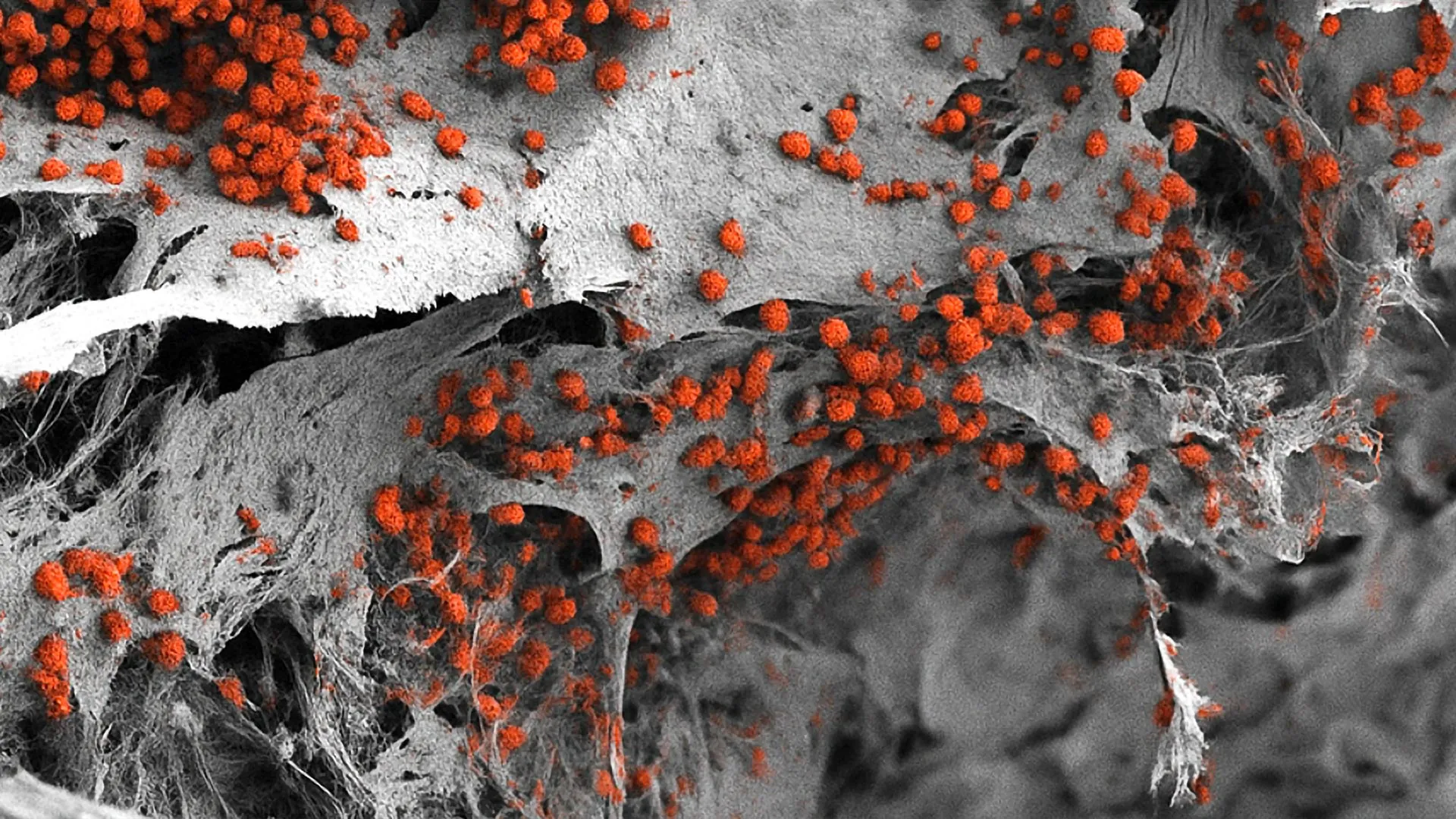
The landscape of hematological research has reached a significant milestone as scientists at the Indiana University School of Medicine have successfully developed and implemented a sophisticated imaging protocol designed to unlock the secrets of the bone marrow. By utilizing the Phenocycler 2.0 platform, a cutting-edge multiplex imaging tool, the research team has managed to overcome the long-standing physical and technical barriers that have historically hindered the study of this critical tissue. The findings, recently published in the prestigious journal Leukemia, represent a leap forward in spatial biology, offering a high-resolution, multi-dimensional view of the bone marrow microenvironment in mouse models. This breakthrough is expected to serve as a cornerstone for future investigations into leukemia, autoimmune disorders, and various musculoskeletal diseases.
The Challenge of Imaging the Bone Marrow Niche
The bone marrow is one of the most complex and difficult tissues to study in the mammalian body. Located within the central cavities of bones, it serves as the primary site for hematopoiesis—the process by which all blood and immune cells are formed. Despite its importance, the bone marrow’s physical properties have long frustrated researchers. It is a soft, gelatinous substance encased in a rigid, mineralized shell of cortical bone.
"Bone marrow is difficult to study because it is gelatinous and encased in hard bone," explained Sonali Karnik, PhD, an assistant research professor of orthopedic surgery at the IU School of Medicine and co-lead author of the study. Dr. Karnik noted that because the bone marrow houses valuable hematopoietic stem cells and plays an essential role in immune system regulation, developing a method to see inside this "black box" without destroying its structure is paramount.
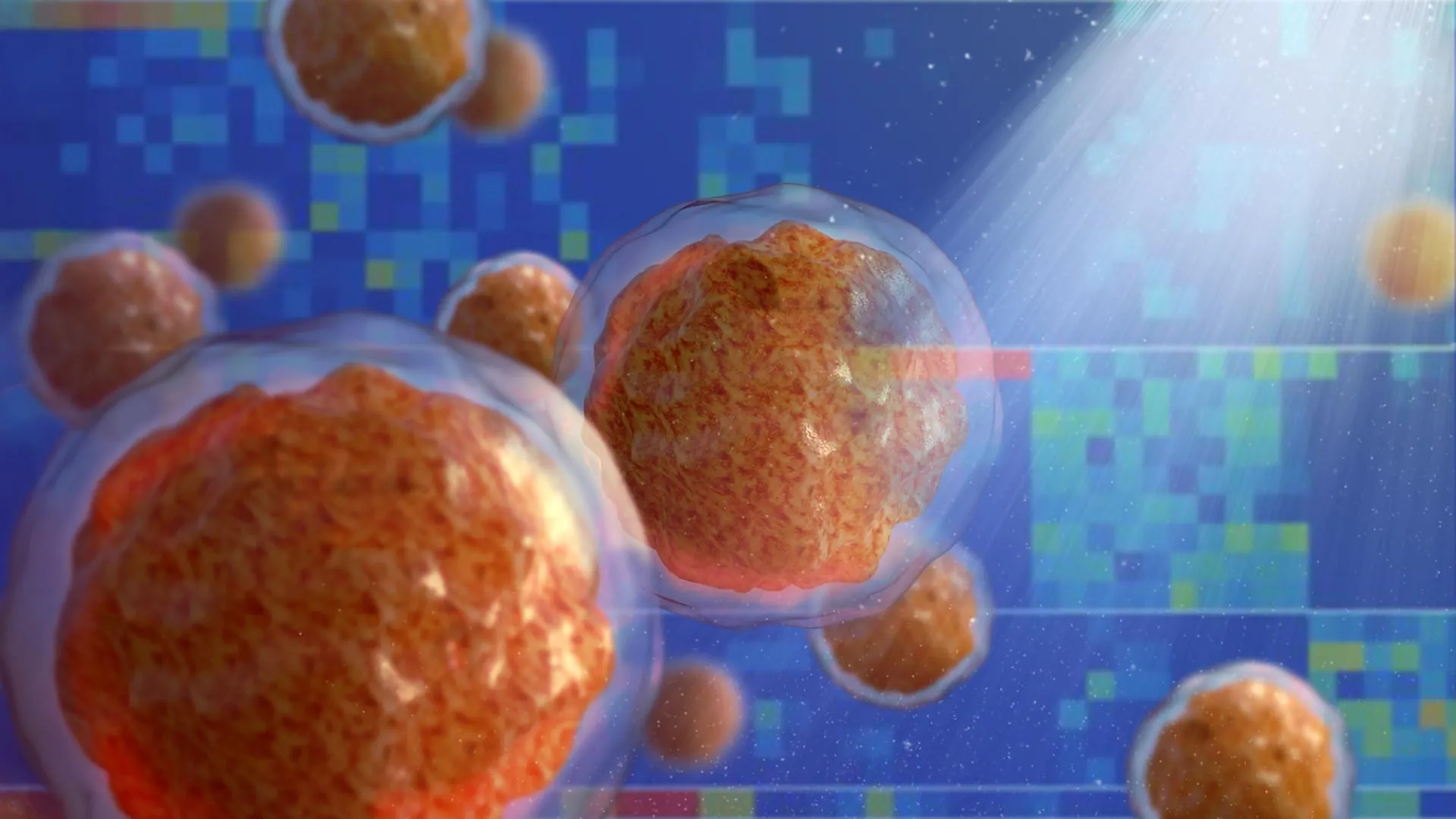
Until now, researchers have largely relied on two methods for tissue analysis: flow cytometry and standard fluorescence imaging. While flow cytometry is highly effective at quantifying specific cell populations, it requires the tissue to be dissociated into a single-cell suspension. This process completely destroys the spatial context—the "neighborhood" in which cells live and interact. Conversely, standard fluorescence imaging preserves the architecture but is limited by the "color barrier," typically allowing for the visualization of only three or four cellular markers at a time. The IU team’s new methodology shatters these limitations by allowing for the simultaneous visualization of 25 different cellular markers within intact tissue.
Technological Innovation: The Role of Phenocycler 2.0
The centerpiece of this research is the Phenocycler 2.0, a multiplex imaging technology formerly known as CODEX (Co-Detection by Indexing). This system utilizes a unique process where antibodies are conjugated with specific DNA barcodes. By applying these antibodies to a tissue sample and then cycling through fluorescently labeled complementary DNA strands, the system can image dozens of markers sequentially.
In the IU study, the researchers successfully adapted this technology for use on mouse bone marrow, a feat never before accomplished with this level of detail. By imaging 25 markers at once, the team could identify not just the types of cells present, but their precise location relative to one another and to the surrounding bone structure. This spatial data is critical because the behavior of a stem cell or a cancer cell is often dictated by its proximity to other cells, blood vessels, or signaling molecules—a concept known as the "cellular niche."
The ability to map 25 markers simultaneously provides a comprehensive "atlas" of the marrow. This includes identifying various stages of blood cell development, the presence of immune cells like T-cells and B-cells, and the supportive stromal cells that provide the framework for the marrow.
Chronology of Development and Institutional Collaboration
The development of this technique was a multi-year effort led by the IU Cooperative Center of Excellence in Hematology (CCEH). The center, which is one of only a few in the United States funded by the National Institute of Diabetes and Digestive and Kidney Diseases (NIDDK), focuses on advancing the state of the art in blood-related research.
While the Phenocycler technology had previously been validated for use in softer organs, such as the spleen, kidneys, and liver, the transition to bone marrow required significant optimization. The timeline of the project involved several phases:
- Protocol Adaptation (2022-2023): The team worked to refine the delicate process of preparing bone marrow sections that remained intact despite the decalcification required to penetrate the hard outer bone.
- Marker Panel Selection: Researchers curated a panel of 25 antibodies specifically designed to identify the most relevant cell types within the murine hematopoietic system.
- Data Validation: The team compared the results of the Phenocycler imaging with traditional flow cytometry data to ensure that the cell population counts were accurate and reproducible.
- Publication and Patenting (2024): Following the successful validation of the methodology, the findings were published in Leukemia, and the IU Innovation and Commercialization Office moved to protect the intellectual property.
Reuben Kapur, PhD, a co-senior author on the study and director of the IU School of Medicine’s Herman B Wells Center for Pediatric Research, emphasized the importance of the mouse model in this development. "Because mouse models are widely used to study human diseases, this technique offers a promising new method for investigating a range of conditions like autoimmune diseases, leukemia and other disorders involving bone marrow," Kapur said.
Implications for Drug Development and Disease Treatment
The implications of this high-parameter imaging are vast, particularly for the pharmaceutical industry and clinical oncology. In the context of leukemia, for example, cancer cells often "hide" in specific niches within the bone marrow to escape the effects of chemotherapy. By using the IU team’s imaging technique, drug developers can now see exactly where these resistant cells are located and how they interact with their environment.
Furthermore, the technique provides a new lens through which to view autoimmune diseases. In conditions where the immune system attacks the body’s own tissues, the bone marrow serves as the "training ground" for these rogue cells. Mapping the signaling pathways within the marrow could lead to therapies that stop the production of auto-reactive cells at the source.
The research also holds promise for musculoskeletal disorders. Since bone and marrow are intrinsically linked, understanding the cross-talk between the two is vital for treating conditions like osteoporosis or helping patients recover from bone marrow transplants. The IU team is already looking toward the future, with plans to expand the marker panel to include markers for nerves, muscle, and additional signaling cell types.
Supporting Data and Technical Specifications
The study’s success is rooted in its ability to maintain tissue integrity while maximizing data output. In traditional models, a researcher might need 10 to 15 different tissue slides to see what this new method captures in one. This not only saves precious biological samples but also ensures that the data is perfectly aligned spatially.
According to the published data, the 25-marker panel used by the IU team included markers for:
- Hematopoietic Stem and Progenitor Cells (HSPCs): The "mother" cells of the blood system.
- Myeloid and Lymphoid Lineages: Cells that eventually become white blood cells.
- Erythroid Cells: Precursors to red blood cells.
- Endothelial Cells: Cells that form the blood vessels within the marrow.
- Mesenchymal Stem Cells: Cells that contribute to the structural integrity of the bone and marrow.
By analyzing the spatial distribution of these cells, the researchers were able to quantify the "distance-to-nearest-neighbor" for various cell types, providing a mathematical basis for understanding the bone marrow’s architecture.
Official Responses and Future Outlook
The scientific community has responded with enthusiasm to the IU School of Medicine’s announcement. Experts in spatial biology suggest that this protocol could become a standard requirement for preclinical trials involving bone marrow-targeting drugs.
The IU Innovation and Commercialization Office has filed a provisional patent for the imaging methodology, signaling the university’s intent to bring this tool to the wider commercial and academic market. This move is expected to facilitate collaborations with biotechnology companies seeking to refine their drug delivery systems.
As the team moves forward, the focus will shift toward three-dimensional reconstruction. While the current breakthrough involves highly detailed 2D "slices," the ultimate goal is to create a 3D digital twin of the bone marrow environment. This would allow researchers to "walk through" the tissue virtually, identifying microscopic anomalies that might be missed in traditional analysis.
The research was supported by the National Institutes of Health (NIH), underscoring the federal government’s commitment to advancing regenerative medicine and oncology. Additional contributors to the study include a diverse group of specialists from the IU School of Medicine, including Connor Gulbronson, Paige C. Jordan, and Melissa A. Kacena, among others.
By bridging the gap between high-parameter data and spatial context, the Indiana University School of Medicine has provided the global research community with a powerful new map of one of the body’s most elusive frontiers. As this technique is adopted by laboratories worldwide, the path toward more effective, targeted treatments for some of the most challenging diseases in modern medicine becomes increasingly clear.