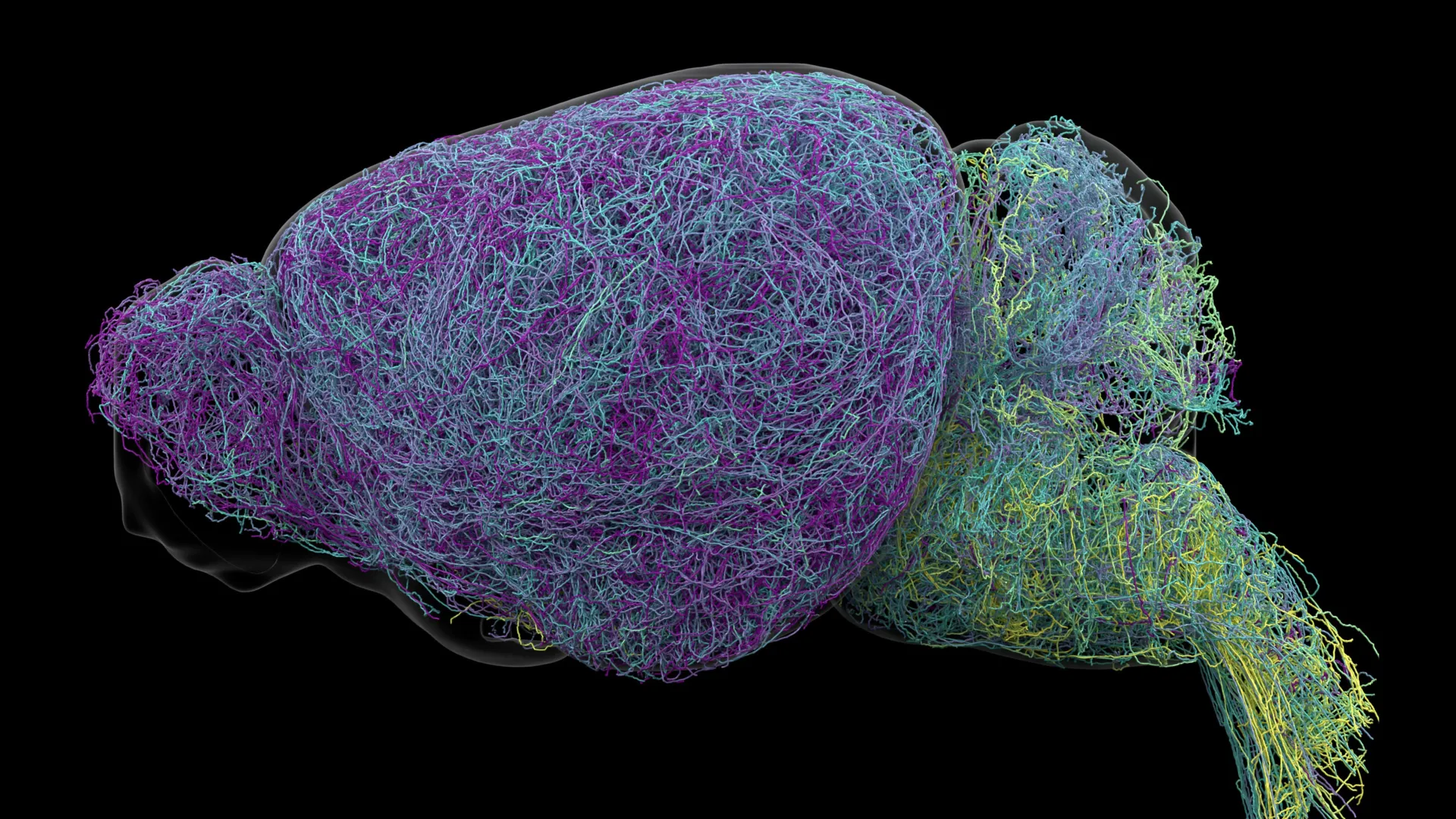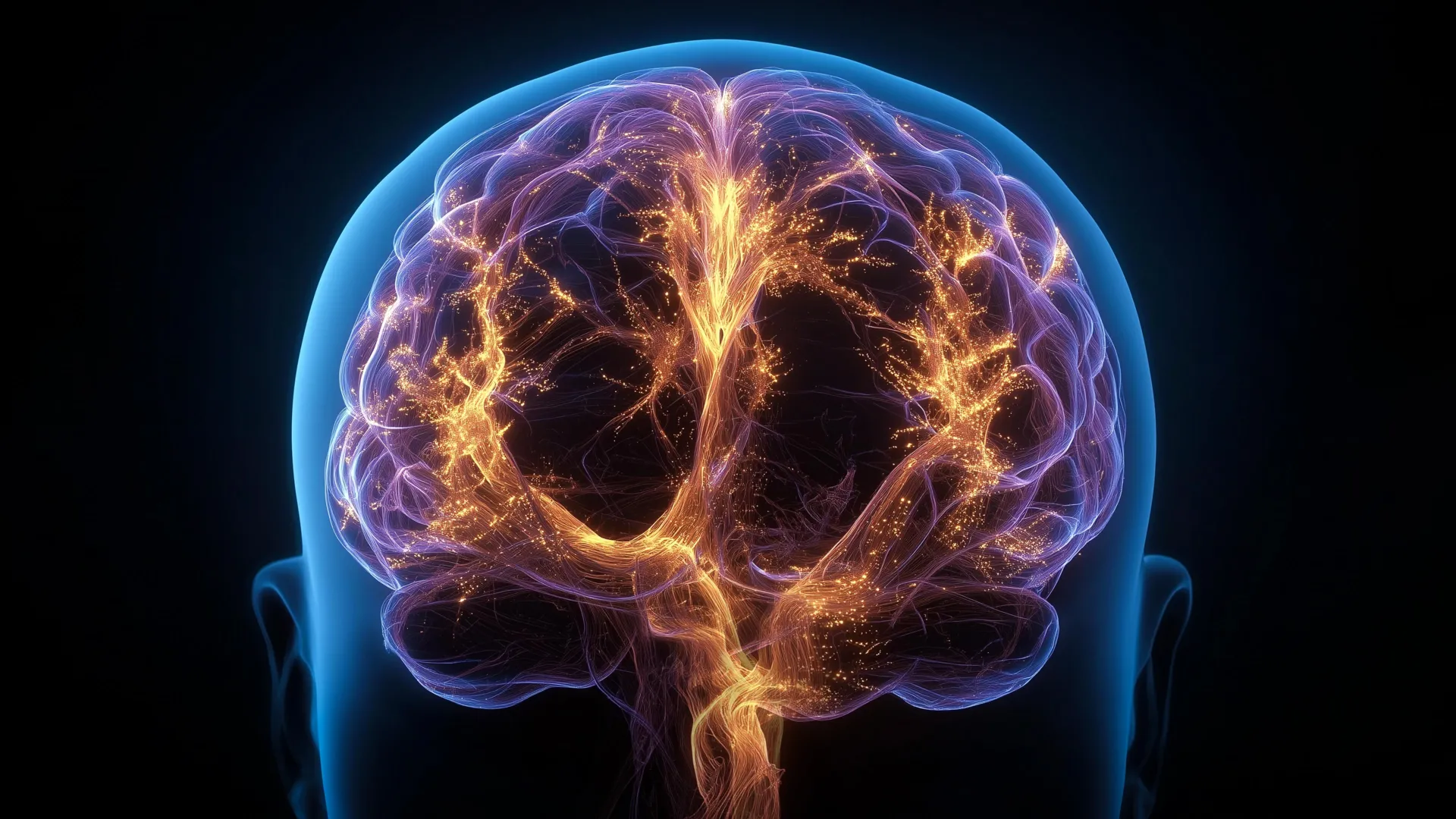
In a landmark development for the field of neurocriminology, a collaborative research effort involving Nanyang Technological University, Singapore (NTU Singapore), the University of Pennsylvania, and California State University has identified a distinct structural difference in the brains of individuals exhibiting psychopathic traits. The study, published in the Journal of Psychiatric Research, reveals that the striatum—a critical subcortical region associated with reward processing and motor function—is approximately 10 percent larger in individuals with psychopathic tendencies compared to a control group of individuals with low or no psychopathic traits. This discovery provides significant evidence that the biological architecture of the brain, rather than environmental factors alone, plays a foundational role in the development of antisocial behavior.
The Striatum and the Reward Mechanism
The striatum is a primary component of the basal ganglia, located deep within the forebrain. It serves as a hub for various high-level functions, including the planning of movements, decision-making, and the modulation of motivation. Most importantly, the striatum is the heart of the brain’s reward system. It processes reinforcement signals, determining how an individual responds to external stimuli such as money, social status, or the thrill of risk-taking.
For decades, psychopathy has been characterized by a specific cluster of personality traits: egocentricity, impulsivity, a lack of empathy, and a persistent disregard for social norms. While previous functional MRI (fMRI) studies suggested that the striatum might be hyperactive in psychopaths—meaning it reacts more intensely to the prospect of a reward—the 2022 study is among the first to confirm a permanent structural enlargement. This 10 percent volume increase suggests a biological predisposition toward seeking stimulation, potentially at the expense of moral or legal considerations.
Methodology: Beyond the Prison Walls
A defining feature of this research was its recruitment strategy. While much of the historical data on psychopathy has been derived from incarcerated populations, this study examined 120 individuals from the community in the United States. This "community sample" approach is vital for understanding the full spectrum of psychopathy, as it includes individuals who may possess psychopathic traits but have not necessarily been convicted of crimes—often referred to in psychological literature as "successful psychopaths."
The researchers utilized high-resolution magnetic resonance imaging (MRI) to map the brain structures of the participants. To quantify psychopathic traits, the team employed the Psychopathy Checklist-Revised (PCL-R), the gold standard in psychological assessment. The PCL-R evaluates individuals across several dimensions, including interpersonal traits (glibness, grandiosity), affective traits (lack of remorse, shallow affect), and lifestyle/antisocial traits (impulsivity, irresponsibility).
By correlating the MRI data with the PCL-R scores, the researchers found a direct positive relationship between the volume of the striatum and the severity of psychopathic traits. Specifically, the data indicated that the enlargement was most closely tied to the "lifestyle" and "antisocial" facets of the disorder, such as the need for stimulation and a tendency toward impulsive behavior.
Statistical Insights and Behavioral Mediators
The study provided a granular look at how brain structure translates into action. According to the published findings, stimulation-seeking and impulsivity accounted for 49.4 percent of the association between striatal volume and psychopathy. This suggests that nearly half of the reason why a larger striatum leads to psychopathy is because it drives an insatiable hunger for excitement and a diminished capacity for self-control.
Professor Adrian Raine, a renowned neurocriminologist from the University of Pennsylvania and co-author of the study, noted that these biological traits are often heritable. The findings lend weight to the "neurodevelopmental perspective" of psychopathy, which posits that the brains of individuals with these traits do not follow a typical developmental trajectory during childhood and adolescence. In a standard developmental cycle, the striatum typically undergoes a "pruning" or shrinking process as a child matures and gains better executive control. In psychopathic individuals, this maturation process may be disrupted, leaving the striatum in an enlarged, more "primitive" state focused on immediate gratification.
Chronology of Neurocriminological Research
To understand the weight of this discovery, it is necessary to view it within the timeline of psychiatric evolution:
- Pre-1990s: Psychopathy was viewed almost exclusively through a sociological lens, attributed to poor parenting, socioeconomic status, or childhood trauma.
- Early 2000s: The rise of neuroimaging began to highlight the role of the amygdala (emotional processing) and the prefrontal cortex (decision making) in antisocial behavior.
- 2010–2020: Research shifted toward the "reward circuit," with fMRI studies showing that psychopaths’ brains "light up" more intensely when anticipating rewards.
- 2022: The NTU/UPenn/CSU study provides structural proof of striatal enlargement, linking physical brain volume to psychopathic traits in both men and women.
- 2025 and Beyond: New meta-analyses and network-level studies suggest that psychopathy is not just about one region, but a failure in the communication "highways" (white matter) between the striatum and the frontal lobes.
Expanding the Narrative: The Female Perspective
Historically, psychopathy research has been heavily male-centric, partly because the prevalence of the disorder is higher in men and partly due to the convenience of sampling male prison populations. However, the 2022 study included a sample of women, leading to a groundbreaking observation: the link between an enlarged striatum and psychopathy holds true for females as well.
Professor Robert Schug of California State University, Long Beach, emphasized that while the female sample size was smaller than the male cohort, the results were consistent. This suggests that the neurobiological roots of psychopathy are likely universal across genders, despite potential differences in how those traits are expressed socially.
Comparative Research and the "Network" View
While the 2022 study focused on the enlargement of the striatum, subsequent research in 2025 has added layers of complexity to the narrative. A study published in European Archives of Psychiatry and Clinical Neuroscience found that while the striatum may be larger, other regions—such as the orbitofrontal cortex and the insular cortex—often show reduced volume.
This creates a "push-pull" dynamic in the psychopathic brain. On one hand, an enlarged striatum creates a powerful "engine" for reward-seeking and impulsivity. On the other hand, a shrunken prefrontal cortex means the "brakes" of the brain are failing. This imbalance explains why a psychopathic individual might pursue a high-risk criminal act for a relatively small reward; the drive for the reward is biologically amplified, while the social and moral consequences are biologically muted.
Furthermore, a 2025 analysis in Neuroscience and Biobehavioral Reviews argued for a "network-level" understanding. Instead of looking at the striatum in isolation, scientists are now examining the "Default Mode Network" (DMN). In psychopathic individuals, the connection between the subcortical reward centers (like the striatum) and the DMN (involved in self-reflection and empathy) appears to be disrupted.
Implications for Policy, Law, and Treatment
The discovery of a biological marker for psychopathy carries profound implications for society. If psychopathy is, at least in part, a neurodevelopmental condition, the traditional "punishment-only" model of the justice system may need to be re-evaluated.
- Legal Responsibility: If an individual’s brain is structurally predisposed to impulsivity, does that diminish their legal culpability? While neurobiological evidence is rarely a "get out of jail free" card, it is increasingly being used in sentencing phases to argue for mitigation or specialized rehabilitation.
- Early Intervention: Understanding that striatal development occurs in childhood opens a window for early intervention. If at-risk children can be identified through behavioral and biological screening, social and cognitive therapies could potentially "wire" the brain toward better impulse control before antisocial patterns become set in stone.
- Treatment Innovation: Traditional talk therapy is notoriously ineffective for psychopathy. However, knowing that the striatum and reward pathways are the problem allows for the development of targeted pharmacological or neurofeedback treatments that aim to regulate the brain’s reward sensitivity.
Assistant Professor Olivia Choy of NTU’s School of Social Sciences summarized the stakes: "Our study’s results help advance our knowledge about what underlies antisocial behavior. We find that in addition to social environmental influences, it is important to consider that there can be differences in biology."
Future Directions in Neurocriminology
The scientific community remains cautious but optimistic. Associate Professor Andrea Glenn of the University of Alabama, an expert not involved in the original study, noted that while the 2022 findings increase confidence in the striatum’s role, more work is needed to understand the "why." Does a large striatum cause psychopathy, or does a lifetime of impulsive, reward-seeking behavior cause the striatum to grow through a process of neuroplasticity?
Future research will likely involve longitudinal studies—tracking children from a young age into adulthood—to see how the striatum changes over time in relation to their behavior. For now, the 10 percent volume difference stands as a significant milestone in our quest to understand the "criminal mind." It serves as a reminder that the line between "good" and "bad" behavior may be etched into the very folds and clusters of our neural anatomy, shaped by a complex dance of genetics, development, and the environment.