Scientists have uncovered evidence that evolution has relied on the same genetic "cheat sheet" for more than 120 million years, raising the possibility that life on Earth may be more predictable than once believed. This groundbreaking discovery, stemming from an extensive study of South American butterflies and moths, suggests that evolutionary processes, particularly the development of complex traits like warning coloration, may not be as haphazard as previously theorized. Instead, researchers have identified a remarkable consistency in the genetic mechanisms employed by distantly related species to achieve similar survival advantages, hinting at a deep-seated predictability within the grand tapestry of life.
Unraveling the Secrets of Mimicry: A Long-Standing Evolutionary Puzzle
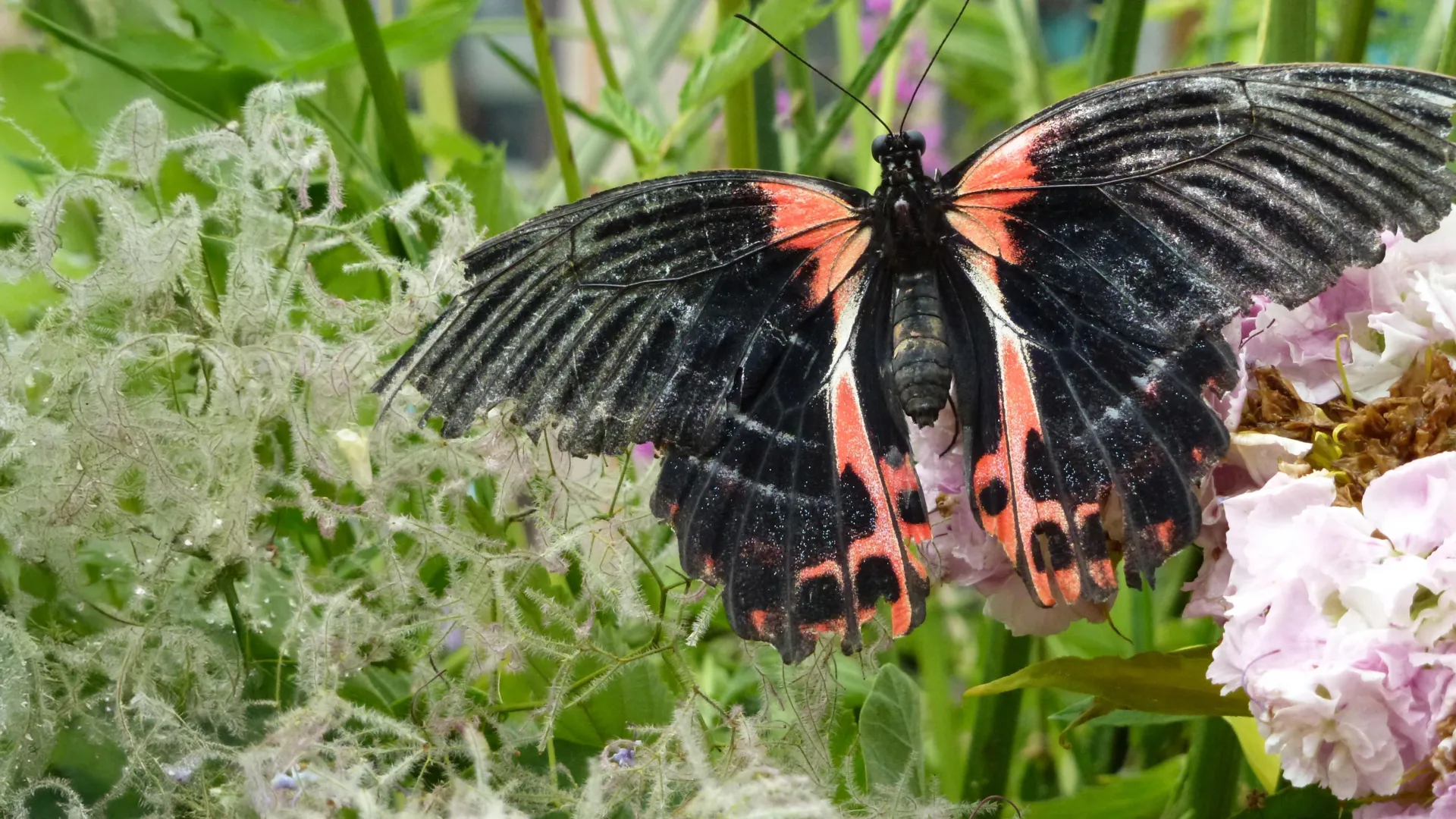
The phenomenon of mimicry, where unrelated species evolve to resemble each other, has long fascinated biologists. In the realm of butterflies and moths, this often manifests as strikingly similar wing color patterns. These patterns are not merely aesthetic; they serve as crucial warning signals to predators, primarily birds, indicating that the mimic is distasteful or toxic. By adopting the appearance of a dangerous species, a palatable insect can effectively deter predation, a powerful evolutionary advantage. The effectiveness of such mimicry lies in the predator’s learned association between a specific visual cue and an unpleasant experience. Consequently, species that share these warning signals benefit from the collective deterrence, a concept known as Müllerian mimicry.
For decades, the genetic underpinnings of this widespread convergent evolution remained largely elusive. While the visual similarities were undeniable, identifying the precise genetic pathways that repeatedly led to such outcomes across diverse lineages presented a formidable challenge. The sheer diversity of insects and the vast timescales involved made pinpointing specific genetic players a monumental task. However, a recent international collaboration, spearheaded by researchers from the University of York and the Wellcome Sanger Institute, has made significant strides in illuminating this ancient evolutionary strategy.
The Genetic Toolkit: Ivory and Optix, Enduring Players in Warning Colors
The research team focused their investigation on a diverse array of butterflies and moths inhabiting the vibrant ecosystems of South American rainforests. Their objective was to identify the genes responsible for the shared warning color patterns observed in seven species that, despite their evolutionary distance, exhibit remarkably similar visual defenses. The study, published in the prestigious journal PLoS Biology, reveals a surprising and consistent reliance on a core set of genes: ivory and optix. These two genes, it appears, have served as the foundational building blocks for generating these vital warning colorations for an extraordinary period, exceeding 120 million years.
What is particularly striking is not that these genes are involved, but how evolution has utilized them. Instead of undergoing radical mutations that alter the genes themselves, the evolutionary process has primarily acted upon regulatory elements. These regulatory elements, often referred to as genetic "switches," dictate the timing, location, and intensity of gene expression. In essence, evolution has been tinkering with the instruction manual for activating these ancient genes, rather than rewriting the genes themselves.
In the case of butterflies, the study observed consistent modifications in these regulatory switches across different species, leading to the development of similar warning patterns. This suggests a recurring theme in how these insect groups have leveraged their genetic architecture to achieve convergent phenotypes. However, the research uncovered an even more intriguing evolutionary twist in one of the day-flying moth species. This moth employed a sophisticated mechanism involving an inversion – a substantial segment of DNA that has been flipped backward. Astonishingly, this inversion strategy closely mirrors a similar mechanism observed in one of the butterfly species. This finding underscores the remarkable economy of evolution, demonstrating that even complex genomic rearrangements can be repeatedly deployed to achieve analogous biological outcomes.
A Predictable Evolutionary Trajectory: Echoes from the Age of Dinosaurs
Professor Kanchon Dasmahapatra, a leading figure in the Department of Biology at the University of York and a key author of the study, articulated the significance of these findings. "Convergent evolution, where many unrelated species independently evolve the same trait, is common across the tree of life," he stated. "But we rarely have the opportunity to investigate the genetic basis of this phenomenon." He further elaborated, "Investigating seven butterfly lineages and a day-flying moth, we show that evolution can be surprisingly predictable, and that butterflies and moths have been using the exact same genetic tricks repeatedly to achieve similar color patterns since the age of the dinosaurs."
The implication of this discovery is profound: evolution may not be an entirely random process of trial and error. The consistent repurposing of the same genetic pathways, particularly the ivory and optix genes and their regulatory elements, suggests that certain solutions are inherently favored by the constraints and opportunities presented by the biological world. This predictability implies that life’s evolutionary journey might be guided by recurring themes and established genetic blueprints, rather than a perpetual cascade of novel, unpredictable changes. This perspective challenges the traditional view of evolution as a purely stochastic process and opens new avenues for understanding the underlying principles that govern the diversification of life.
The Evolutionary Advantage of Shared Warnings: A Coordinated Defense Strategy
The persistence of these warning color patterns for over 120 million years is not accidental; it is a direct consequence of their effectiveness in predator deterrence. Professor Joana Meier from the Wellcome Sanger Institute, another pivotal member of the research team, shed light on this aspect. "These distantly related butterflies and the moth are all toxic and distasteful to birds trying to eat them," she explained. "They look very much alike because if birds have already learned that a specific color pattern means ‘do not eat, we are toxic,’ it is beneficial for other species to display the same warning colors."
This shared visual language among toxic species creates a collective defense mechanism. A bird that has had a negative encounter with one species carrying a specific warning pattern will generalize that avoidance to any other species exhibiting the same coloration. This shared learning experience significantly reduces predation pressure on all involved. Professor Meier further emphasized the role of genetic conservation in facilitating this strategy: "Here, we show that these warning colors are particularly ideal as it seems quite easy to evolve these same color patterns due to the highly conserved genetic basis over 120 million years." The availability of pre-existing, well-understood genetic pathways makes the evolution of effective warning signals a relatively accessible outcome for species under predatory pressure.
Implications for Predicting the Future of Life: Towards a More Foresightful Biology
The revelation that evolution often follows established genetic routes carries significant implications for our ability to predict future adaptations. If nature consistently revisits and reemploys successful genetic strategies, scientists may be better equipped to anticipate how species will respond to the dynamic environmental challenges of our time, including climate change, habitat fragmentation, and the emergence of novel diseases.
Understanding these recurring genetic pathways could allow for more informed predictions about which traits are likely to evolve under specific selective pressures. For instance, if a particular environmental shift favors a certain type of camouflage or defense mechanism, and the genetic machinery for that adaptation is known to be conserved and readily accessible, scientists might be able to forecast which species are most likely to develop that trait. This predictive power could be invaluable for conservation efforts, allowing for targeted interventions to protect species that are most vulnerable to environmental changes or to identify those that might possess unexpected resilience.
Furthermore, this research contributes to a deeper understanding of the fundamental principles that govern biological innovation. It suggests that evolution, while capable of generating immense diversity, operates within certain inherent constraints and favors efficient, well-trodden paths. This perspective encourages a more nuanced view of evolutionary processes, moving beyond a purely random model to one that incorporates elements of predictability and historical contingency. The study by Dasmahapatra and Meier, with its focus on the ancient genetic blueprint of mimicry, serves as a powerful testament to the enduring legacy of evolutionary solutions and offers a tantalizing glimpse into the predictable undercurrents that shape the ever-evolving story of life on Earth. The age of dinosaurs may have passed, but the genetic echoes of their era continue to resonate, shaping the survival strategies of the creatures that inhabit our planet today.