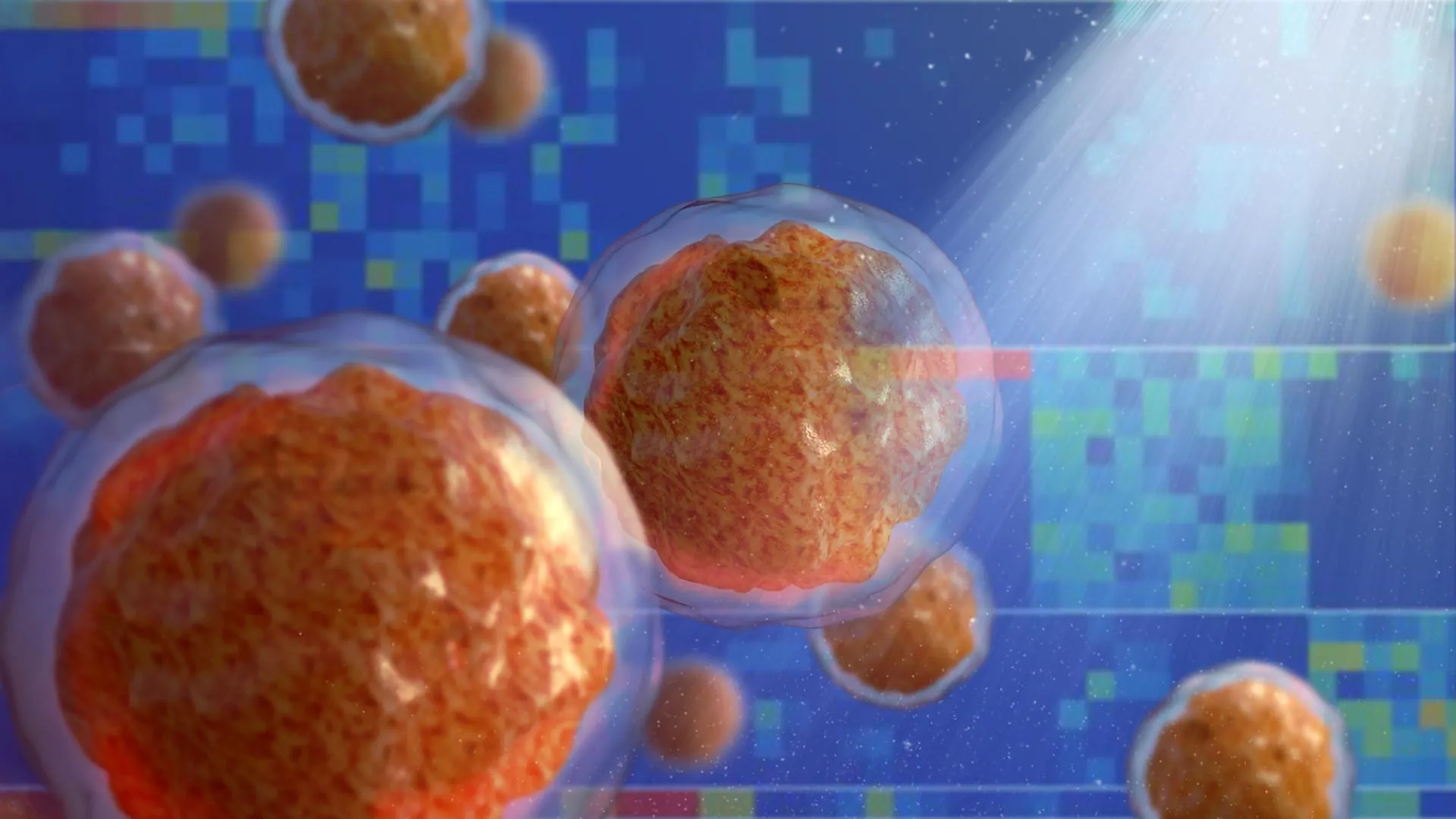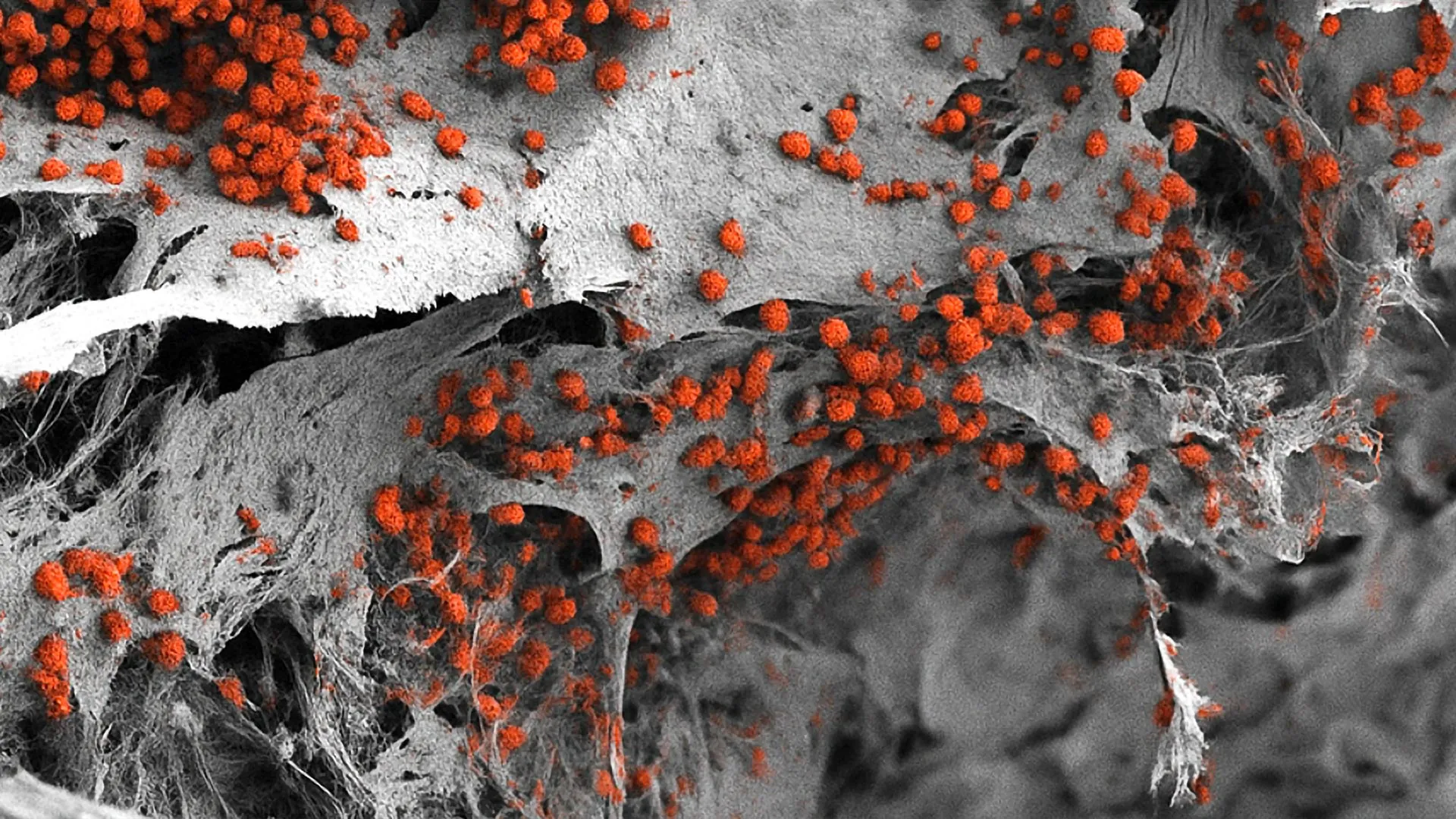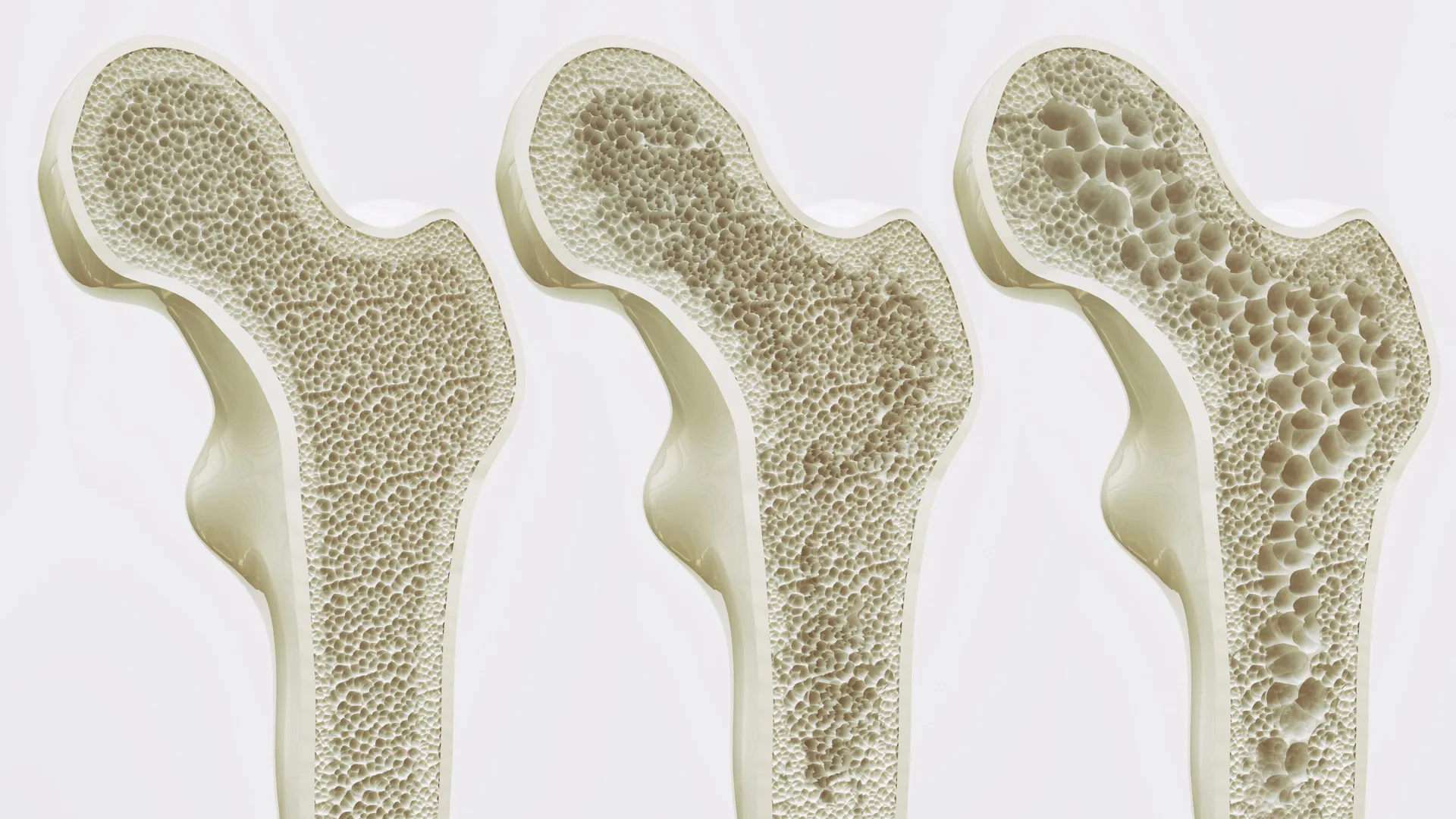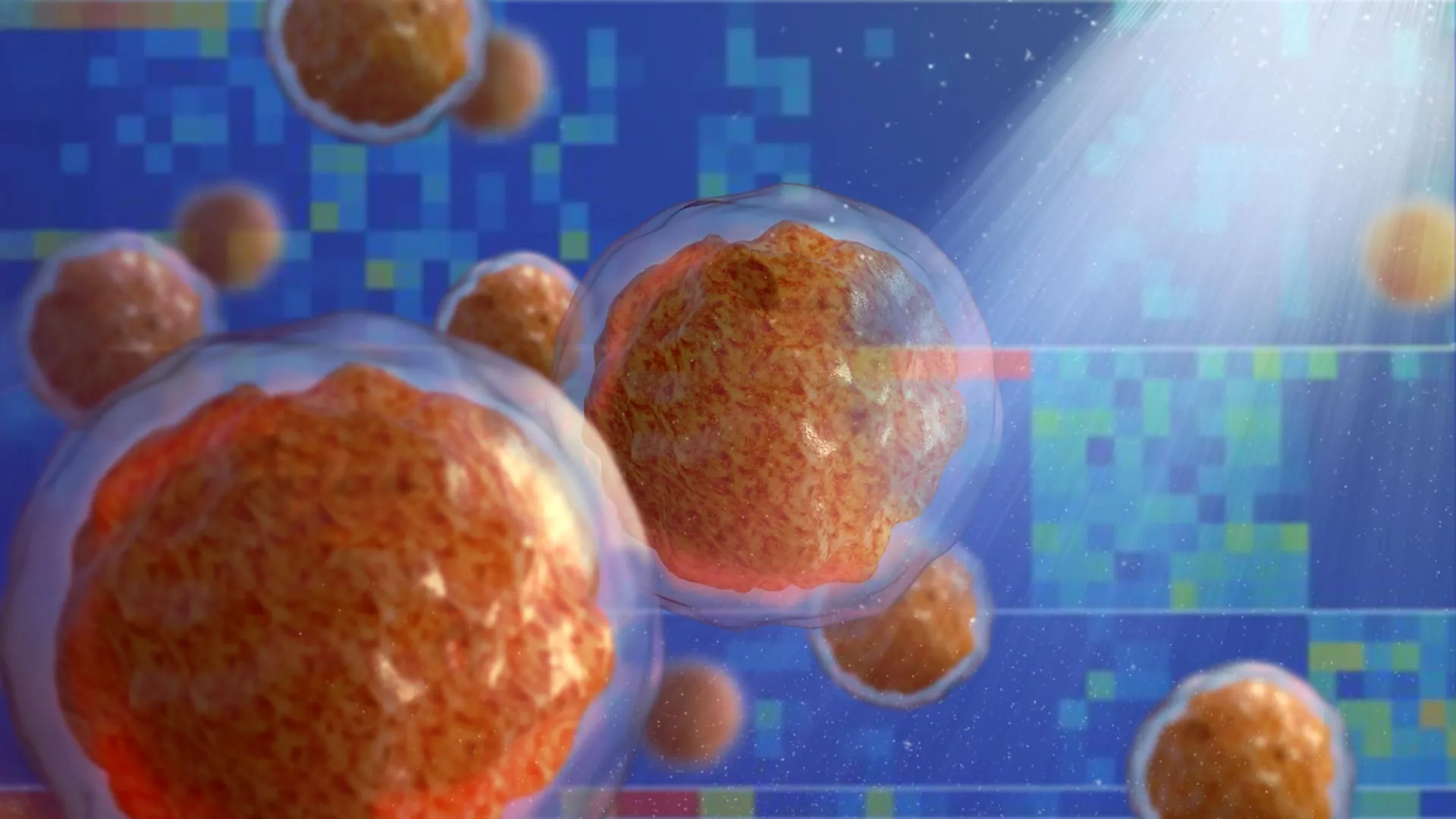
The human bone marrow functions as a biological engine of immense proportions, generating millions of new blood and immune cells every single second. This continuous output is essential for oxygen transport, wound healing, and the body’s defense against pathogens. However, this relentless renewal process relies on a fragile equilibrium between hematopoietic stem cells (HSCs), specialized supportive stromal cells, and a complex network of immune signaling molecules. New research suggests that as we age, this equilibrium undergoes a profound and often silent transformation, creating a fertile ground for the development of blood cancers and chronic systemic diseases.
An international research consortium, co-led by the European Molecular Biology Laboratory (EMBL), the University of Basel, and University Medical Center (UMC) Mainz, has published a landmark study in Nature Communications that maps these hidden changes. By examining the bone marrow microenvironment—often referred to as the "niche"—at the single-cell level, the team has identified a specific inflammatory shift that occurs long before the clinical onset of disease. This discovery redefines our understanding of how conditions like Clonal Hematopoiesis of Indeterminate Potential (CHIP) and Myelodysplastic Syndrome (MDS) evolve from age-related anomalies into life-threatening malignancies.
The Biological Foundation: From Healthy Renewal to Clonal Dominance
In a healthy individual, the bone marrow niche provides the necessary structural and chemical cues to keep hematopoietic stem cells in a state of controlled self-renewal. Mesenchymal stromal cells (MSCs) play a pivotal role here, acting as the "architects" and "nurturers" of the marrow by producing signals that tell stem cells when to divide and when to remain dormant.
However, the aging process, combined with environmental stressors and chronic inflammation, introduces wear and tear into this system. Over decades, some stem cells acquire somatic mutations. While many of these mutations are harmless, some grant the cell a competitive advantage, allowing it to expand and produce a "clone" of mutated progeny. This state is known as Clonal Hematopoiesis of Indeterminate Potential (CHIP).
Data indicates that CHIP is a common feature of human aging, affecting approximately 10% to 20% of the population over the age of 60. By the time individuals reach 80, the prevalence climbs to nearly 30%. While individuals with CHIP do not typically present with symptoms or abnormal blood counts, the condition is far from benign. It serves as a precursor to more severe hematological disorders and is associated with a tenfold increase in the risk of developing blood cancers. Perhaps more surprisingly, CHIP doubles the risk of cardiovascular disease and significantly increases the likelihood of early death from non-malignant causes, likely due to the systemic inflammation it fosters.
The Transition to Myelodysplastic Syndrome and Leukemia
When the clonal expansion of mutated stem cells becomes more aggressive or is joined by additional mutations, it can lead to Myelodysplastic Syndrome (MDS). MDS is a group of diverse bone marrow disorders characterized by the "ineffective" production of blood cells. In patients with MDS, the bone marrow may be hypercellular, yet the cells produced are often malformed and die before they can enter the bloodstream, leading to chronic anemia, infections, and bleeding.
MDS is predominantly a disease of the elderly, affecting up to 20 in every 100,000 adults over the age of 70. The prognosis is often grim; approximately 30% of MDS cases progress to Acute Myeloid Leukemia (AML). AML is a rapid-onset, aggressive cancer of the blood and bone marrow that remains one of the most difficult-to-treat malignancies in oncology. Until now, scientific focus has largely been on the genetic mutations within the stem cells themselves. However, the study led by Judith Zaugg and Borhane Guezguez shifts the focus to the "soil" in which these "seeds" of cancer grow.
Mapping the Bone Marrow Microenvironment: Methodology and Discovery
To investigate why mutated stem cells gain dominance and how the bone marrow fails, the research team conducted an exhaustive spatial and molecular analysis of human bone marrow samples. These samples were sourced from the BoHemE cohort study, a collaborative effort with Uwe Platzbecker at the National Center for Tumor Diseases (NCT) Dresden. The study compared marrow from healthy donors across different age groups, individuals with CHIP, and patients diagnosed with MDS.
The researchers employed a multi-omic approach, integrating single-cell RNA sequencing (scRNA-seq), biopsy imaging, proteomics, and specialized co-culture models. This allowed them to see not just which genes were active, but also how the cells were physically arranged and interacting within the marrow.
A critical hurdle in this type of research is the ability to distinguish between mutated and non-mutated cells within the same sample. To solve this, the team used "SpliceUp," a sophisticated computational tool developed by co-lead author Maksim Kholmatov. SpliceUp identifies mutated cells by detecting abnormal RNA-splicing patterns—a common signature in MDS. This allowed the researchers to isolate the effects of the mutations from the broader changes occurring in the surrounding tissue.
The analysis revealed a striking cellular transformation: the gradual replacement of healthy mesenchymal stromal cells (MSCs) with a new population termed inflammatory stromal cells (iMSCs). These iMSCs were found to be present even in individuals with CHIP, suggesting that the "remodeling" of the bone marrow begins much earlier than previously thought.
The Inflammatory Feed-Forward Loop
The discovery of iMSCs provides a mechanistic explanation for the chronic inflammation seen in aging marrow. Unlike their healthy counterparts, iMSCs produce high levels of interferon-induced cytokines and chemokines. These signaling molecules act as a beacon for T cells, specifically those that are also responsive to interferon.
Once these T cells migrate into the bone marrow, they become activated and release further inflammatory signals, which in turn stimulate the stromal cells to become even more inflammatory. This creates what the researchers describe as a "feed-forward loop." This self-sustaining cycle of inflammation does more than just support mutated cells; it actively suppresses normal blood formation and causes structural damage to the marrow’s vascular network.
One of the most significant findings was the loss of CXCL12 signaling. In a healthy niche, MSCs produce CXCL12, a protein that acts as a "homing signal" for blood stem cells, keeping them anchored in the protective environment of the marrow. The study found that in MDS, the stromal cells fail to produce adequate CXCL12. Karin Prummel, an EMBL postdoc and co-lead author, noted that this failure likely explains why the bone marrow loses its ability to function as an organized site of blood production, as the stem cells no longer receive the signals they need to stay and mature.
Decoupling Mutations from Inflammation
One of the most surprising revelations of the study was that the mutated hematopoietic cells in MDS do not appear to be the direct cause of the inflammatory response. By using the SpliceUp tool to separate the data, the team observed that the inflammatory environment was pervasive throughout the marrow, affecting both mutated and healthy cells alike.
"It was quite surprising to see the lack of a direct inflammatory effect that we could attribute to the mutant cells," said Maksim Kholmatov. This suggests that the inflammation might be a broader tissue-level response to aging or other systemic factors, which then creates a "niche" that happens to favor the survival and expansion of mutated clones over healthy ones. This shift in perspective is profound: it suggests that the environment is not just a passive bystander but an active driver of the disease’s earliest stages.
Clinical Implications: A New Frontier for Prevention
The recognition of the bone marrow niche as a key player in disease progression opens several new avenues for treatment and prevention. Currently, many blood cancer treatments focus on eradicating the malignant clones through chemotherapy or targeted inhibitors. However, if the underlying inflammatory environment—the "soil"—remains damaged, the risk of relapse or the emergence of new mutations remains high.
The study suggests that anti-inflammatory interventions could be used to preserve marrow function in older adults, particularly those identified as having CHIP. By disrupting the interferon-driven feed-forward loop, it may be possible to slow the transition from CHIP to MDS. Potential therapeutic strategies include:
- Cytokine Inhibitors: Using existing drugs that block specific interferon-induced cytokines to break the inflammatory cycle.
- Stroma-Targeted Therapies: Developing treatments that encourage the "re-programming" of iMSCs back into healthy, supportive MSCs.
- Early Biomarkers: Utilizing the specific molecular signatures of iMSCs and interferon-responsive T cells to identify patients at high risk of progression before they become symptomatic.
"As advances in molecular profiling allow us to detect pre-leukemic states years before clinical onset, understanding how stromal and immune cells interact provides a foundation for preventive therapies," explained Borhane Guezguez. The goal is to intercept the disease at the "micro-evolutionary" stage, preventing the full-blown development of leukemia.
The Concept of ‘Inflammaging’ and Systemic Health
The findings also contribute to the growing body of research on "inflammaging"—the theory that chronic, low-grade inflammation is a primary driver of most age-related diseases. The bone marrow is no longer seen as just a sequestered site for blood production; it is now recognized as a central hub for systemic inflammation that can impact the entire body.
The inflammatory signals generated in the marrow do not stay there; they enter the systemic circulation, potentially contributing to the increased risk of cardiovascular and metabolic diseases seen in patients with CHIP. This explains why a condition that originates in the bone marrow can have such wide-ranging effects on heart health and longevity.
Future Research and the Memory of the Niche
While the study provides a comprehensive "snapshot" of the marrow environment, the researchers emphasize the need for longitudinal studies. Judith Zaugg noted that her team is now investigating whether the bone marrow niche retains a "memory" of the disease. This is particularly relevant for bone marrow transplant patients. If a patient receives healthy donor stem cells but the recipient’s marrow niche remains in an "inflammatory state," the new cells may not function correctly, or the environment may quickly corrupt the new cells.
The research was published alongside a complementary study by Marc Raaijmakers from the Erasmus MC Cancer Institute, which also examined the MDS microenvironment. Together, these studies provide a robust, multi-faceted validation of the role of the niche in myeloid malignancies, signaling a paradigm shift in hematology.
As the global population ages, the prevalence of CHIP and MDS is expected to rise. The work of the EMBL, UMC Mainz, and their international partners provides a roadmap for moving beyond reactive treatments and toward a future of proactive, niche-oriented medicine. By healing the environment of the bone marrow, science may finally find a way to halt the progression of some of the most aggressive cancers before they even begin.