

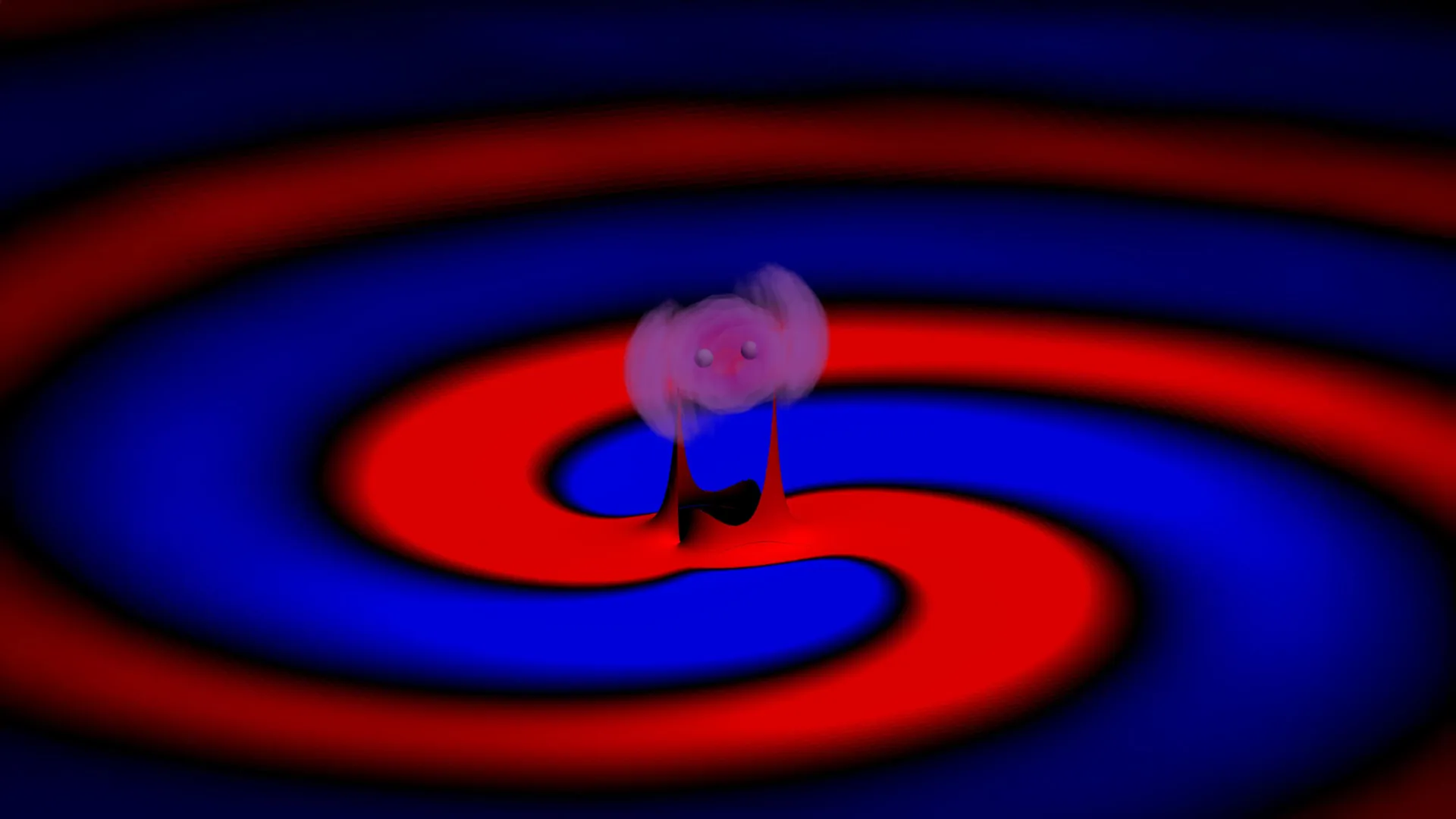
In a significant leap for modern astrophysics, a multi-institutional research team has introduced a pioneering method to detect the presence of dark matter by analyzing the ripples in spacetime generated by merging black holes. Led by physicists at the Massachusetts Institute of Technology (MIT) and colleagues from several European universities, the study suggests that the gravitational waves emitted during these cataclysmic cosmic events may carry the long-sought fingerprints of the universe’s most elusive substance. By examining data from the international LIGO-Virgo-KAGRA (LVK) collaboration, the researchers identified at least one specific event, GW190728, that deviates from standard vacuum-merger models, potentially indicating an interaction with a dense cloud of dark matter.
Dark matter remains the preeminent mystery of the cosmos. Accounting for approximately 85 percent of all matter in the universe, it does not emit, absorb, or reflect light, rendering it invisible to traditional telescopes. Its existence is inferred solely through its gravitational influence on visible matter, such as the rotation speeds of galaxies and the bending of light around massive clusters—a phenomenon known as gravitational lensing. However, the exact nature of the particles that constitute dark matter remains unknown. The new research, published in the journal Physical Review Letters, proposes that black holes acting as "cosmic amplifiers" could finally allow scientists to observe dark matter’s influence directly through the medium of gravitational waves.
The Mechanism of Cosmic Detection
The foundation of this new methodology lies in the behavior of black holes as they travel through the interstellar and intergalactic medium. According to the research team, which included experts from the Université Catholique de Louvain, the University of Amsterdam, Queen Mary University of London, and Oxford University, black holes do not always merge in a perfect vacuum. If a binary black hole system—two black holes orbiting one another—is embedded within a dense environment of dark matter, the gravitational interaction between the massive objects and the surrounding dark matter "cloud" should theoretically alter the orbital decay of the pair.
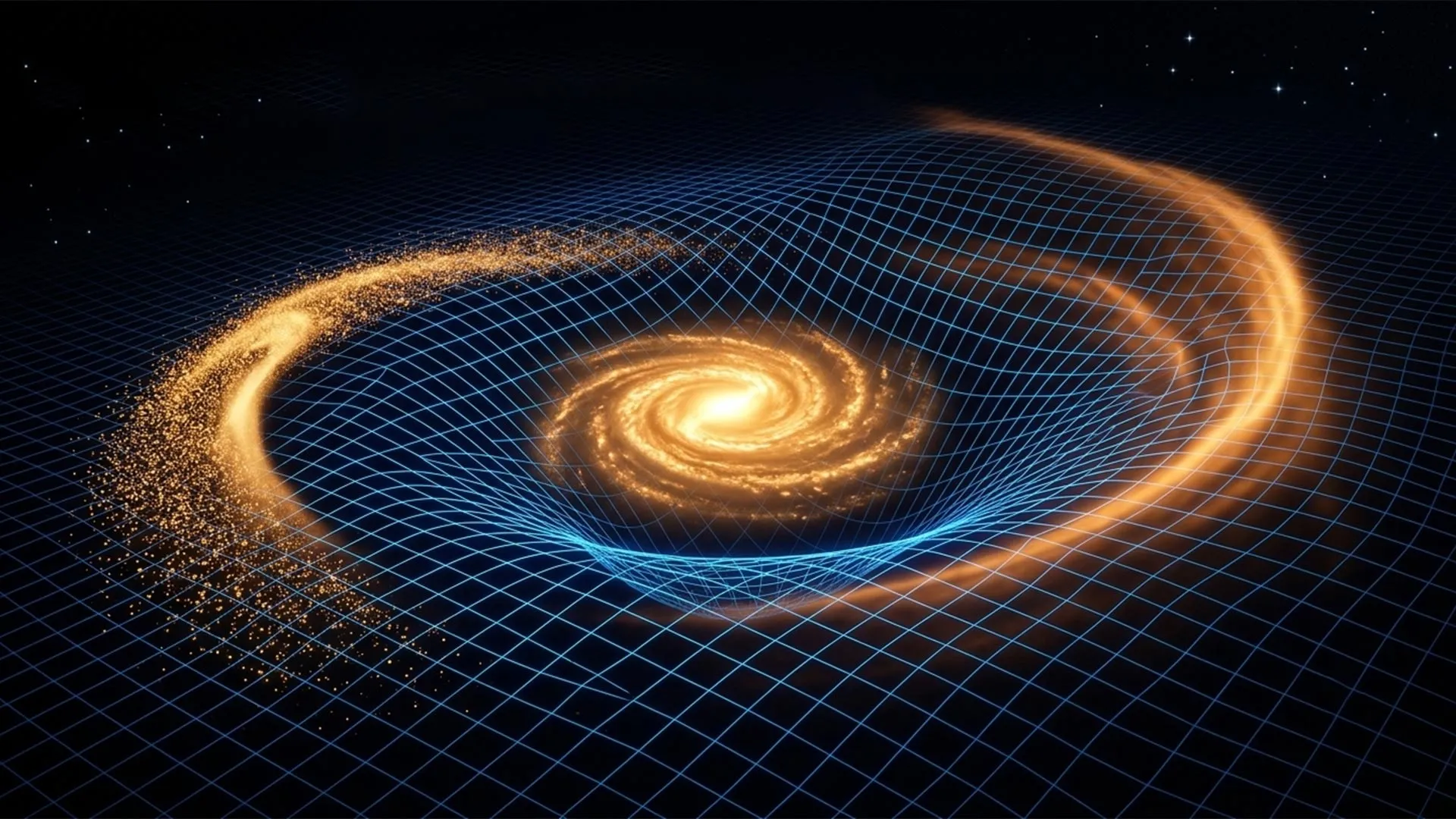
As these black holes spiral toward an eventual collision, they emit gravitational waves—distortions in the fabric of space-time first predicted by Albert Einstein’s General Theory of Relativity. If dark matter is present, it exerts a subtle drag on the black holes, a process known as dynamical friction. Furthermore, certain theories of dark matter suggest it may consist of "light scalar particles"—ultralight bosons that behave more like waves than individual points of mass. When these particles encounter a rapidly spinning black hole, they can become trapped in its gravitational well, forming a dense, rotating "atmosphere" of dark matter.
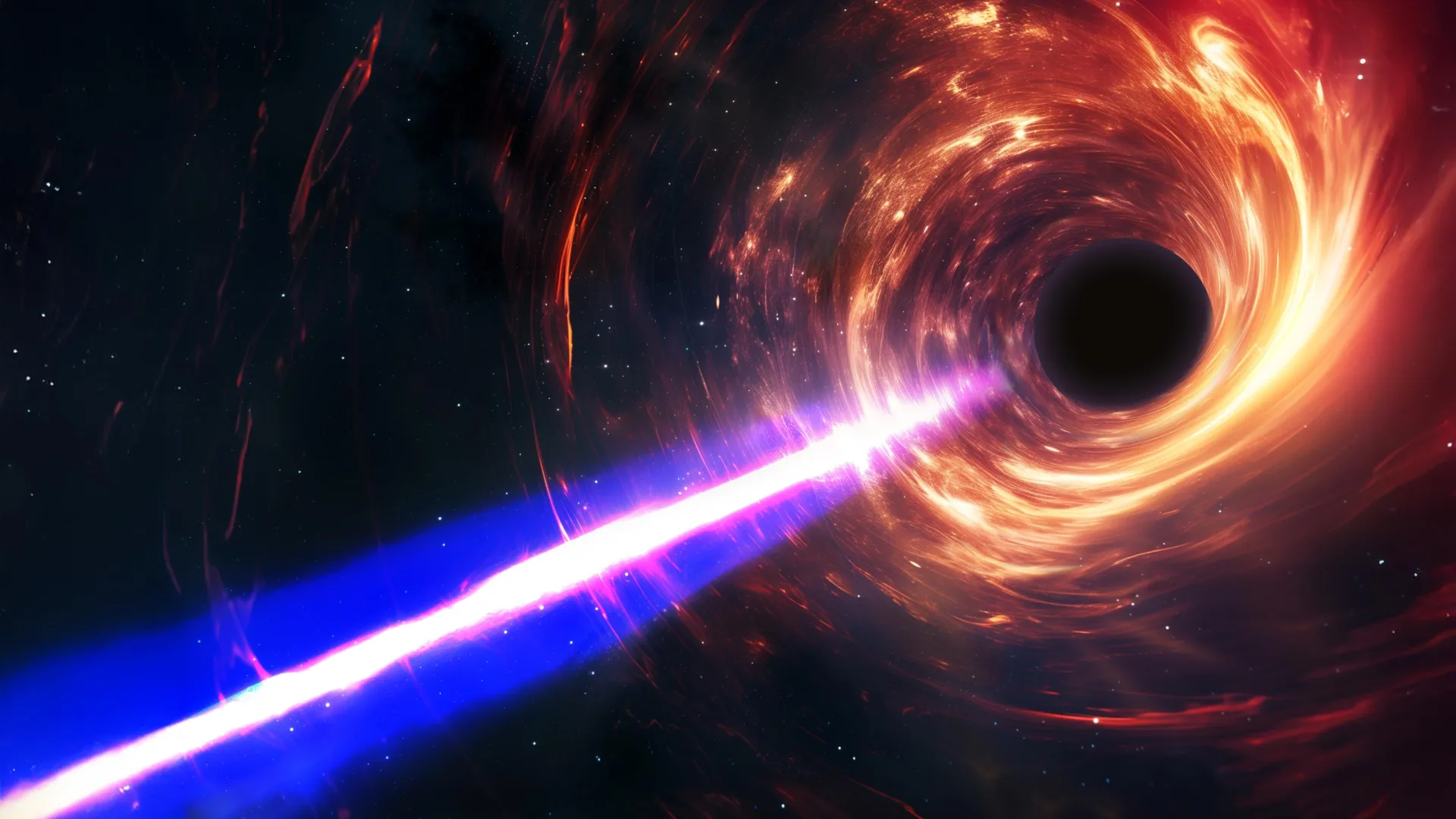
This process is driven by a phenomenon called superradiance. In this scenario, a spinning black hole transfers a portion of its rotational energy to the surrounding scalar field, causing the dark matter density to skyrocket. Josu Aurrekoetxea, a postdoctoral researcher in the MIT Department of Physics, compares this intensification to "whipping cream into butter." The resulting high-density environment is significant enough to leave a detectable imprint on the gravitational wave signal emitted during the final stages of a merger, providing a unique signature that differentiates it from a merger occurring in empty space.
Analyzing the LVK Catalog: The Search for GW190728
To test their hypothesis, the researchers developed sophisticated numerical simulations to predict what these "dark matter-encoded" gravitational waves would look like. These simulations accounted for a vast array of variables, including the masses of the black holes, their spin rates, the initial density of the dark matter, and how the signal would degrade as it traveled across millions, or even billions, of light-years to reach detectors on Earth.
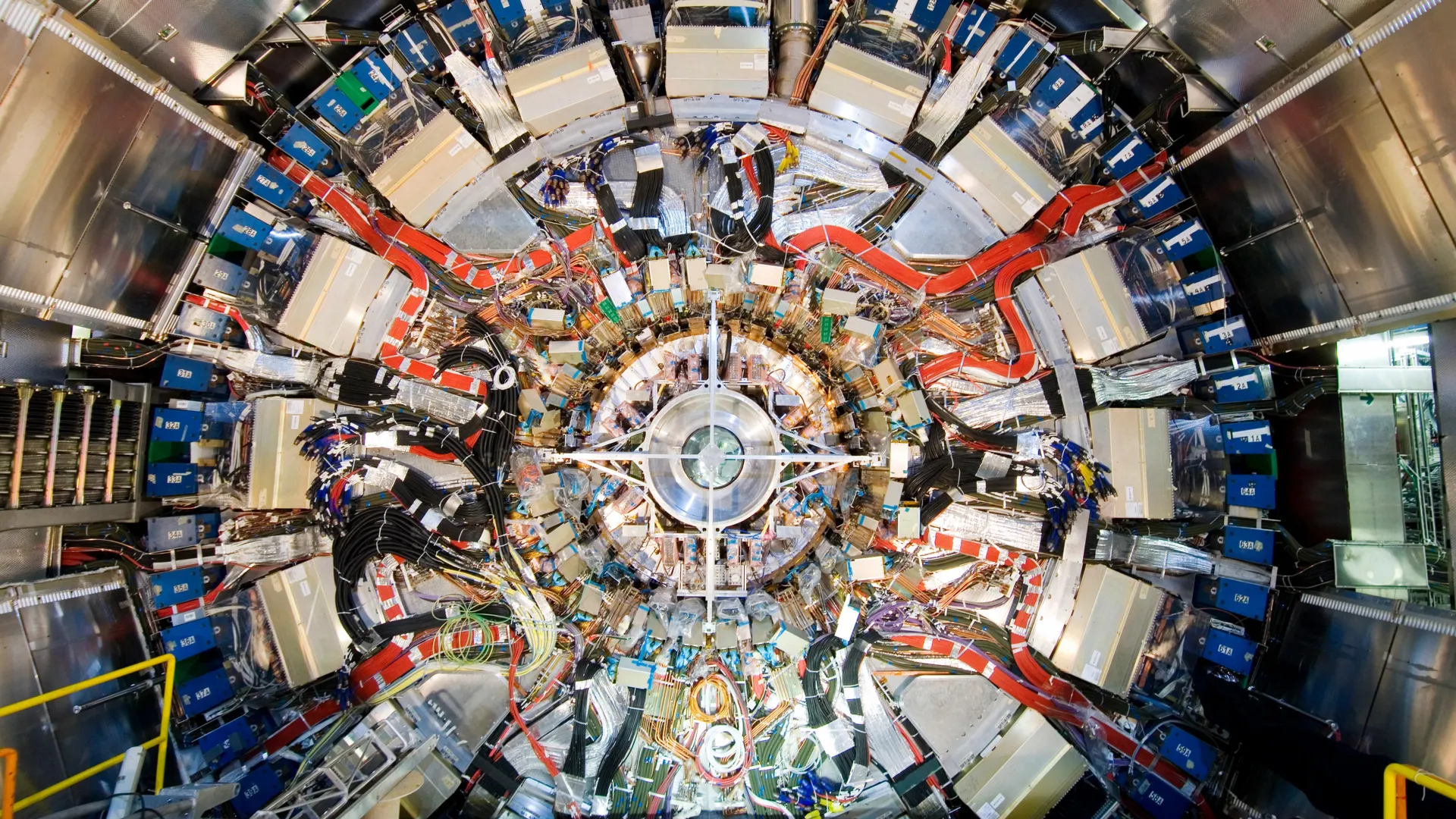
Equipped with these theoretical templates, the team performed a rigorous analysis of the public data provided by the LIGO-Virgo-KAGRA network. The LVK collaboration operates three massive gravitational-wave observatories: two Laser Interferometer Gravitational-Wave Observatory (LIGO) facilities in the United States (Hanford, Washington, and Livingston, Louisiana), the Virgo detector in Italy, and the KAGRA detector in Japan. The researchers focused on 28 of the most distinct signals captured during the first three observing runs of the network.
For 27 of these events, the data aligned perfectly with the standard "vacuum" model, where black holes merge without any significant environmental interference. However, the signal designated as GW190728 presented a compelling anomaly. Detected on July 28, 2019, this event involved the merger of two black holes with a combined mass roughly 20 times that of the sun. The team’s analysis revealed that the waveform of GW190728 showed a statistical preference for the dark matter model over the vacuum model. This suggests that the black holes involved in this particular merger may have been surrounded by a dense cloud of light scalar particles, which subtly shifted the frequency and timing of the gravitational ripples.
A New Framework for Dark Matter Research
While the findings regarding GW190728 are provocative, the researchers maintain a stance of scientific caution. They emphasize that the current data does not constitute a "discovery" of dark matter in the traditional sense. The statistical significance of the anomaly, while notable, is not yet high enough to meet the "five-sigma" threshold required for a confirmed detection in physics.
"The statistical significance of this is not high enough to claim a detection of dark matter, and further checks should be performed by independent groups," stated Josu Aurrekoetxea. However, he highlighted the primary value of the study as a proof of concept. "What we think is important to highlight is that without waveform models like ours, we could be detecting black hole mergers in dark matter environments, but systematically classifying them as having occurred in vacuum."
This realization suggests that previous interpretations of gravitational wave data may have overlooked environmental factors. By integrating dark matter dynamics into the search templates used by LIGO and Virgo, scientists can ensure they are not missing the very evidence they have been seeking for decades. Rodrigo Vicente, a co-author from the University of Amsterdam who developed the analytical model for the signal, noted that this approach allows for probing dark matter at scales much smaller than previously possible, offering a microscopic look at a macroscopic mystery.
Timeline of Gravitational Wave Milestones
The current study represents the latest chapter in a rapidly evolving field of "multi-messenger" astronomy. The timeline of these developments underscores the speed at which gravitational wave science has matured:
- 1916: Albert Einstein predicts the existence of gravitational waves as part of his General Theory of Relativity.
- 1974: Russell Hulse and Joseph Taylor discover a binary pulsar, providing indirect evidence of gravitational waves as the system’s orbit decayed exactly as predicted.
- 2015: LIGO makes the first direct detection of gravitational waves (GW150914), originating from the merger of two black holes approximately 1.3 billion light-years away.
- 2017: The first detection of a neutron star merger (GW170817) is observed both in gravitational waves and across the electromagnetic spectrum, marking the birth of multi-messenger astronomy.
- 2019: The LVK network detects GW190728, the signal that would later become the focus of the MIT-led dark matter study.
- 2024: Researchers publish the findings in Physical Review Letters, establishing a new protocol for searching for dark matter within the LVK archives.
Broader Implications and the Future of Physics
The implications of successfully identifying dark matter through gravitational waves extend far beyond the classification of black hole mergers. If light scalar particles are indeed the culprits behind the GW190728 anomaly, it would provide the first definitive evidence regarding the composition of dark matter. This would likely necessitate a major revision of the Standard Model of particle physics, which currently does not include a particle with the specific properties of these ultralight bosons.
Furthermore, the study opens a new window into the study of "extreme gravity." Because the interactions between dark matter and black holes occur in regions of intense gravitational fields, they provide a unique laboratory for testing the limits of General Relativity. If dark matter can be mapped through these mergers, scientists could begin to create a three-dimensional "map" of dark matter density across the universe, observing how it clusters around massive objects and influences the evolution of galaxies.
The timing of this research is particularly auspicious. The LVK network is currently in the midst of its fourth observing run (O4), featuring upgraded detectors with significantly higher sensitivity. These improvements allow the observatories to detect mergers at much greater distances and with much higher precision. Soumen Roy of UCLouvain, who led the data analysis for the study, expressed optimism about the data currently being collected. "We now have the potential to discover dark matter around black holes as the LVK detectors keep collecting data in the coming years," Roy said. "It is an exciting time to search for new physics using gravitational waves."
As the catalog of detected mergers grows from dozens to hundreds, and eventually thousands, the statistical power of the MIT team’s method will increase. Future space-based observatories, such as the Laser Interferometer Space Antenna (LISA), scheduled for launch in the 2030s, will be even more sensitive to the low-frequency gravitational waves where dark matter signatures might be most prominent.
For now, the astrophysical community remains focused on verifying the GW190728 signal. Whether this specific event proves to be the "smoking gun" for dark matter or simply a statistical fluke, the methodology established by Aurrekoetxea and his colleagues has provided a new and powerful tool in the quest to understand the invisible 85 percent of our universe. The research was supported by the U.S. National Science Foundation and MIT’s Center for Theoretical Physics, signaling a continued institutional commitment to solving the deepest riddles of the cosmos.












Leave a Reply