In the complex field of reproductive medicine, the success of in vitro fertilization (IVF) has long been a subject of intensive study and refinement. Despite decades of technological advancement, IVF remains a process fraught with variability, often requiring multiple cycles to achieve a successful pregnancy. A significant factor in this variability is the preservation of sperm viability and the precise timing of fertilization. Researchers at the University of Illinois Urbana-Champaign have recently published a landmark study in the journal Scientific Reports, documenting a breakthrough that mimics the natural biological environment of the female reproductive tract to prolong sperm lifespan and improve fertilization outcomes. This development holds transformative potential for both human clinical practice and the global agricultural industry.
The fundamental challenge in current IVF protocols is the rapid decline of sperm health once removed from a controlled environment or introduced into standard laboratory culture dishes. In the natural reproductive process, the fallopian tube, or oviduct, serves as a sophisticated reservoir that not only houses sperm but actively maintains their viability until an egg is ready for fertilization. For years, scientists have struggled to replicate this protective environment in a laboratory setting. The Illinois research team, led by David Miller, a professor in the Department of Animal Sciences, has identified the specific molecular components responsible for this life-extending effect: complex sugars known as glycans.
The Biological Foundation of the Sperm Reservoir
To understand the significance of this discovery, one must look at the natural physiology of mammalian reproduction. When sperm enter the oviduct, they do not immediately rush to the egg. Instead, they bind to the epithelial lining of the fallopian tube, forming what is known as a sperm reservoir. This binding process is not random; it is a highly regulated interaction that prevents the premature "burnout" of sperm cells. While in this reservoir, sperm undergo a process called capacitation, a final maturation stage required for them to gain the ability to penetrate an egg.
In 2020, Miller’s group reached a pivotal realization: the oviduct’s ability to bind and store sperm is governed by glycans. These carbohydrate structures act as biological "docking stations." Until this discovery, IVF procedures largely ignored this storage phase, opting instead to mix high concentrations of sperm and eggs in a dish, hoping for a successful encounter. This traditional method, while functional, lacks the temporal control and protective mechanisms found in nature. By identifying the specific glycans involved, the researchers have opened a door to recreating the sperm reservoir on the surface of laboratory equipment.
Identifying the suLeX Molecule: A Collaborative Effort
The identification of the optimal glycan was the result of an interdisciplinary collaboration between reproductive biologists and chemists. The team screened hundreds of candidate oviduct glycans to determine which ones possessed the highest affinity for binding sperm. After rigorous testing, they settled on a specific trisaccharide known as sulfated Lewis X, or suLeX.
The researchers chose to conduct their initial proof-of-concept studies using pig sperm. This choice was strategic for two primary reasons. First, the porcine reproductive system is an excellent physiological model for human reproduction, sharing many similarities in cell signaling and gamete interaction. Second, the agricultural industry is a major stakeholder in IVF technology. In modern animal husbandry, particularly in the dairy and swine industries, IVF is a critical tool for propagating high-genetic-merit livestock. However, pig IVF is notoriously difficult due to a phenomenon called polyspermy, where multiple sperm fertilize a single egg. This leads to chromosomal abnormalities and inviable embryos. The team hypothesized that by using suLeX to bind sperm to a surface, they could regulate the number of free-swimming sperm and thus reduce the incidence of polyspermy.
Experimental Design and the Timeline of Viability
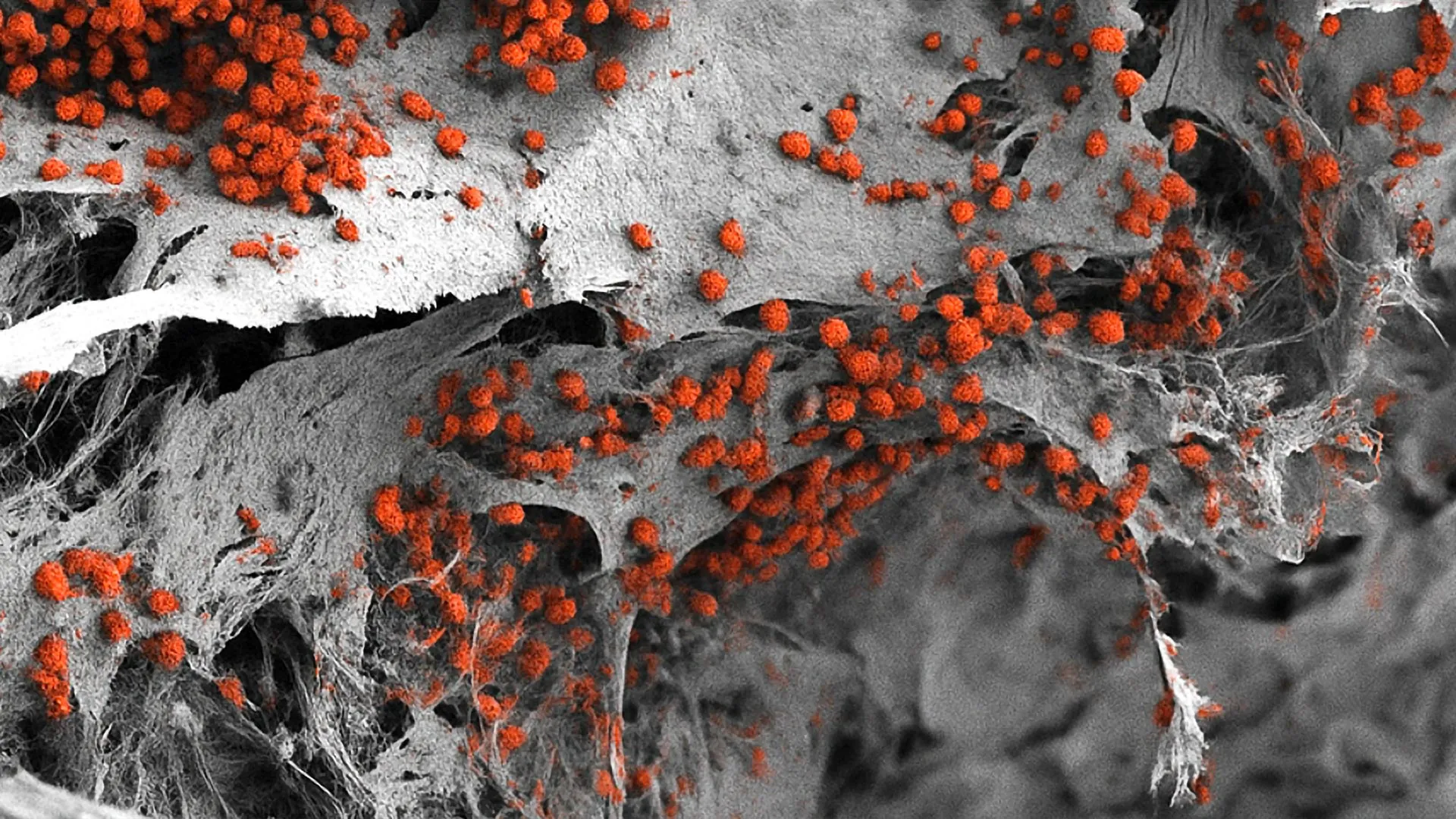
The experimental phase of the study was designed to test whether suLeX could not only bind sperm but also maintain their fertilization capacity over an extended period. The researchers coated the bottom of culture dishes with suLeX droplets and introduced pig sperm. The sperm were allowed a 30-minute window to adhere to the glycan-coated surfaces. Following this adherence period, any unbound or excess sperm were washed away, leaving only those securely attached to the suLeX.
To test the longevity of the bound sperm, the researchers introduced eggs at four distinct time intervals: 0, 6, 12, and 24 hours. This timeline was designed to simulate the "timing mismatches" that often occur in clinical and agricultural IVF, where eggs may not be at the optimal stage of maturity when sperm are introduced.
The results were stark. At the "0-hour" mark—immediate introduction—the suLeX group achieved a fertilization efficiency of 53%, measured as the number of successful zygotes relative to the total number of eggs. In contrast, the control group, which used standard culture conditions without oviduct compounds, achieved only a 36% fertilization rate. Two other "control" glycan compounds were also tested, but both yielded lower success rates, approximately 40% each, highlighting the unique effectiveness of suLeX.
Quantitative Data and Long-Term Survival Rates
As the time delay increased, the superiority of the glycan-based method became even more apparent. In any IVF setting, fertilization rates naturally decline as gametes age outside the body. However, the suLeX-bound sperm showed a remarkable resilience.
By the 24-hour mark, the control group—representing the current standard for many IVF procedures—saw its fertilization rate plummet to a mere 1%. Essentially, the sperm in the control environment had lost almost all functional capacity. In the suLeX group, however, 12% of the eggs were still successfully fertilized after 24 hours. While 12% may seem modest in isolation, it represents a twelve-fold increase in viability compared to the control. This suggests that the glycan interaction provides a protective "stasis" that shields the sperm from the degradation typically seen in laboratory environments.
Furthermore, the study confirmed that the suLeX setup significantly mitigated the problem of polyspermy. By binding the sperm to the dish and washing away the excess, the researchers ensured that only a controlled number of sperm were available to interact with the eggs. This resulted in a higher proportion of healthy, monospermic embryos, which are the only ones capable of developing into viable offspring.
Implications for Global Animal Agriculture
The immediate applications of this research are perhaps most visible in the agricultural sector. The global demand for animal protein is rising, and with it, the need for more efficient food production systems. "There are companies, especially related to dairy cattle, that use IVF to produce and sell high-genetic-merit embryos that, after they are delivered, will produce milk more efficiently," noted David Miller.
In the dairy industry, the ability to produce embryos from the highest-performing cows is a multi-million-dollar enterprise. By increasing the success rate of each IVF cycle and ensuring that more embryos are viable, this glycan-based technology could lower costs and increase the availability of superior genetics. This, in turn, contributes to a more sustainable food supply, as more efficient animals require fewer resources to produce the same amount of milk or meat. The reduction in "wasted" embryos due to polyspermy or poor sperm timing represents a significant economic gain for producers.
The Future of Human Reproductive Medicine
While the study utilized a porcine model, the ultimate goal is the translation of these findings to human fertility clinics. Human IVF is a physically, emotionally, and financially taxing process. One of the most difficult aspects for clinicians is the synchronization of egg and sperm. Eggs are harvested after a rigorous course of hormone injections and must be fertilized within a very narrow window of maturity. Sperm, too, must be at their peak maturation level.
"Both eggs and sperm have to undergo a maturation phase before they’re ready for fertilization, so the timing is critical," Miller explained. "There’s variability in the time it takes sperm to complete their final major maturation step."
If a human-specific glycan can be identified—a task Miller’s team is currently pursuing—it could revolutionize the "timing" aspect of IVF. Clinics could potentially "park" sperm on glycan-coated surfaces, keeping them alive and healthy for longer periods. This would provide a buffer, allowing the eggs more time to reach peak maturity without the risk of the sperm losing viability. This "fertile window" extension could lead to higher pregnancy rates per cycle, reducing the total number of cycles a patient must undergo and lowering the overall cost of treatment.
Scientific Context and Collaborative Framework
The study, titled "Porcine sperm bind to an oviduct glycan coupled to glass surfaces as a model of sperm interaction with the oviduct," represents a triumph of collaborative science. The authors include Sandra Soto-Heras, Larissa Volz, and Nicolai Bovin, alongside senior author David Miller. Their work was supported by the Eunice Kennedy Shriver National Institute of Child Health and Human Development, a branch of the National Institutes of Health (NIH), under award number RO1HD095841.
The affiliation of the researchers with the Carl R. Woese Institute for Genomic Biology at the University of Illinois underscores the interdisciplinary nature of the work, blending genomics, biochemistry, and reproductive physiology. By looking at the glycochemistry of the reproductive tract, the team has moved beyond traditional cellular biology into a more nuanced understanding of how molecular surfaces dictate life-forming events.
Conclusion: A Paradigm Shift in Assisted Reproduction
The research from the University of Illinois Urbana-Champaign marks a significant shift in how scientists approach assisted reproduction. For decades, the focus was on the "media"—the liquid environment in which fertilization occurs. This study shifts the focus to the "interface"—the physical surfaces that sperm interact with before fertilization.
By mimicking the oviduct’s glycan-rich environment, the researchers have successfully demonstrated that it is possible to extend the life of sperm and improve the precision of fertilization. Whether applied to a dairy farm in the Midwest or a high-tech fertility clinic in a major metropolitan area, the ability to stabilize sperm viability represents a major leap forward. As further testing identifies the specific glycans required for human application, the "glycan-IVF" model may soon become the new standard, offering hope for more efficient food production and more successful paths to parenthood.