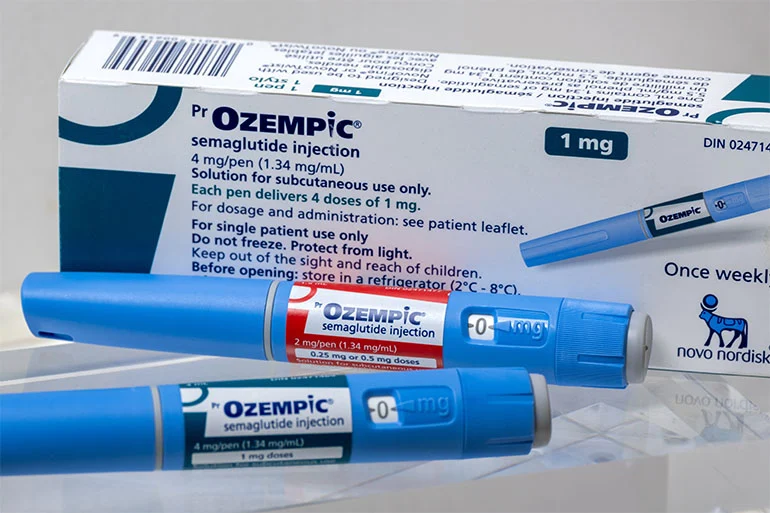
In a landmark decision poised to reshape the landscape of diabetes and obesity management, Health Canada has granted authorization to Dr. Reddy’s Laboratories for its generic semaglutide injection. This pivotal approval, announced in April 2026, positions Canada as the first G7 country to introduce a generic version of the highly sought-after GLP-1 receptor agonist, years ahead of anticipated generic entry in other major markets like the United States and Europe. The move is expected to significantly enhance patient access and potentially drive down costs for a drug that has become Canada’s best-selling pharmaceutical, generating billions in annual sales.
The authorization covers 2 mg/pen and 4 mg/pen presentations at a concentration of 1.34 mg/mL, with Dr. Reddy’s confirming that launch preparations are well underway. This development offers Canadian patients a regulated, bioequivalent alternative to Novo Nordisk’s branded Ozempic, a drug currently utilized by over a million Canadians. The swift entry of generic competition into the Canadian market is a direct consequence of an unusual lapse in patent maintenance by Novo Nordisk, which failed to pay a crucial CAD$250 maintenance fee on its Canadian patent CA 2601784 in 2019. This oversight ultimately led to the permanent expiration of the patent, nullifying its intended protection until 2028.
The Unforeseen Patent Lapse: A CAD$250 Error with Billion-Dollar Ramifications
The story of generic semaglutide’s early arrival in Canada is inextricably linked to a seemingly minor administrative misstep with colossal financial implications. In 2019, Novo Nordisk, the Danish pharmaceutical giant, reportedly failed to remit a CAD$250 maintenance fee for Canadian patent CA 2601784, titled "Acylated GLP-1 compounds." For context, the initial fee due was approximately USD$188, with late fees bringing the total to CAD$450 (roughly USD$339). This patent was foundational to the protection of semaglutide in Canada.
According to records from the Canadian Patents Database, the last maintenance fee payment for patent 2601784 was received on October 23, 2018. The subsequent failure to pay the fee led to the patent’s expiration, and crucially, the time limit for its reversal expired on August 31, 2020. Despite later claiming this was a "strategic choice," the outcome was that the patent lapsed permanently, leaving the Canadian market vulnerable to generic competition much earlier than its counterparts in other G7 nations. Had the patent been maintained, a Certificate of Supplementary Protection (CSP) would have extended its effective expiry date to March 20, 2028, thereby delaying generic entry by several years. The lapse was first brought to public attention by industry expert Derek Lowe at Science.
This incident highlights the critical importance of meticulous patent portfolio management for pharmaceutical companies, where even seemingly small administrative fees can determine market exclusivity for blockbuster drugs generating billions in revenue. It also underscores the distinct nature of patent laws and enforcement mechanisms across different jurisdictions, which can lead to vastly different market dynamics.
Semaglutide’s Dominance and the Global GLP-1 Phenomenon
Semaglutide, marketed under brand names like Ozempic (for type 2 diabetes) and Wegovy (for weight management), has rapidly ascended to become one of the most commercially successful and medically significant pharmaceutical franchises in recent history. Its active ingredient, a glucagon-like peptide-1 (GLP-1) receptor agonist, mimics a natural hormone that helps regulate blood sugar, slows gastric emptying, and reduces appetite, making it highly effective for both glycemic control and weight loss.
In Canada, Ozempic’s market penetration is extraordinary. Projections for 2025 indicated sales reaching an astonishing CAD$2.9 billion, more than triple the sales of the next best-selling drug in the country. This illustrates not only the drug’s efficacy but also the immense demand, driven by both its approved indications and off-label use for weight loss amidst a global obesity crisis. Over one million Canadians are currently prescribed semaglutide, underscoring its profound impact on public health and the national healthcare budget.
Globally, Novo Nordisk reported staggering sales for its semaglutide products (Ozempic, Wegovy, and Rybelsus) in fiscal year 2025, exceeding DKK 228 billion (approximately USD$33 billion). Ozempic alone accounted for DKK 127.1 billion, with Rybelsus adding DKK 22.1 billion, and obesity care sales, predominantly driven by Wegovy, reaching DKK 82.3 billion. This phenomenal commercial success has not only solidified Novo Nordisk’s position as a pharmaceutical powerhouse but also validated the immense potential of GLP-1 drugs, inspiring intense competition from other manufacturers, most notably Eli Lilly with its dual GIP/GLP-1 receptor agonist, tirzepatide (Mounjaro/Zepbound). The global market for GLP-1 agonists is projected to grow significantly, with some estimates placing its value well over $100 billion in the coming years, driven by rising rates of diabetes and obesity worldwide.
Health Canada’s Rigorous Approval Process
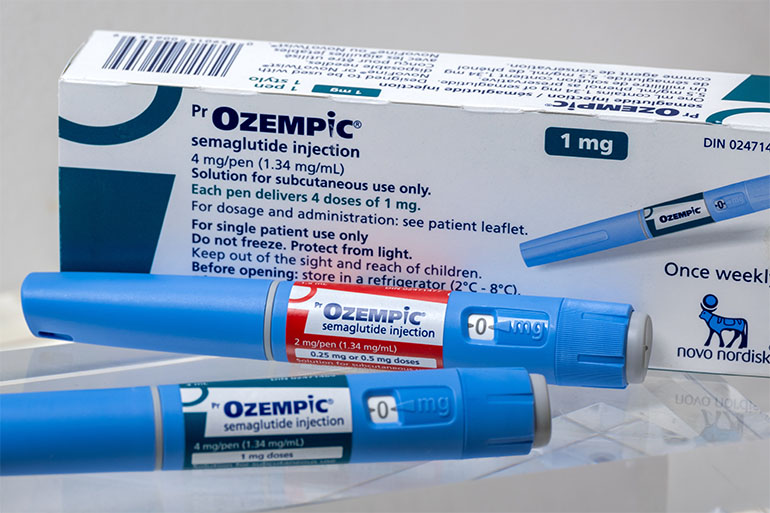
Health Canada’s decision to authorize Dr. Reddy’s generic semaglutide injection followed a comprehensive review, ensuring the product met the country’s stringent criteria for safety, efficacy, and quality. The agency confirmed that Dr. Reddy’s submission was evaluated as a generic version of Ozempic and found to be pharmaceutically equivalent to the brand-name reference product. Health Canada specifically noted that generic semaglutide injections are considered "complex synthetic products," emphasizing the rigorous standards applied to their assessment. This assurance is critical for healthcare providers and patients, guaranteeing that the generic version offers the same therapeutic benefits as the original.
The Canadian regulatory framework, similar to other advanced economies, requires generic manufacturers to demonstrate bioequivalence to the reference product, meaning the generic drug acts in the body in the same way and at the same rate and extent as the original. This process allows for expedited approval pathways for generics, as the innovator company has already established the drug’s safety and efficacy in clinical trials.
Dr. Reddy’s Strategic Expansion and the Generic Landscape
For Dr. Reddy’s Laboratories, a leading Indian multinational pharmaceutical company, the Canadian approval represents a significant strategic victory. It bolsters the company’s position in the highly specialized and lucrative market for complex generics and peptide therapeutics. Dr. Reddy’s emphasized that the active pharmaceutical ingredient (API) for its generic semaglutide is produced entirely in-house, demonstrating its advanced manufacturing capabilities and control over the supply chain. The finished product manufacturing is handled by OneSource Specialty Pharma, highlighting a collaborative approach to market entry.
This approval also signals a broader shift in the GLP-1 market access debate. Where previously, discussions revolved around managing shortages through temporary measures like compounding, the focus is now firmly moving towards formal generic competition. The pace and timing of this shift are intrinsically tied to each country’s specific patent rules and enforcement.
Canada’s early generic entry stands in stark contrast to the United States, where Novo Nordisk’s compound patent for semaglutide products (Ozempic, Rybelsus, and Wegovy) is expected to run until 2032. Similarly, patent protection in Japan and Europe is listed until 2031. In the U.S., Novo Nordisk has already engaged in extensive patent litigation with several generic manufacturers, including Alvogen, Rio Biopharmaceuticals, Sun Pharma, Dr. Reddy’s, Mylan, Zydus, and Apotex, reaching confidential settlement terms for Ozempic patent challenges. This highlights the typical lengthy and complex legal battles that precede generic entry in many markets, making Canada’s situation a unique outlier.
Implications for Patients, Healthcare, and the Pharmaceutical Industry
The arrival of generic semaglutide in Canada carries profound implications across multiple fronts:
- Patient Access and Affordability: The most immediate and significant impact will be on patients. Generic drugs are typically priced substantially lower than their branded counterparts, often by 50% or more. This will make semaglutide treatment more affordable for Canadians, potentially reducing out-of-pocket costs for individuals and easing the financial burden on public and private insurance plans. Increased affordability could also lead to broader access, particularly for those who previously found the branded drug prohibitively expensive. This is especially pertinent given the ongoing global demand for semaglutide, which has led to intermittent shortages.
- Canadian Healthcare System: The Canadian healthcare system, which operates under universal public insurance, stands to benefit immensely from cost savings. With Ozempic being the top-selling drug, reducing its cost through generic competition will free up substantial funds that can be reallocated to other essential healthcare services or used to expand coverage. This could also help mitigate the impact of the high prevalence of type 2 diabetes and obesity on healthcare expenditures.
- Generic Pharmaceutical Industry: The Canadian market’s early opening represents a significant opportunity for generic drug manufacturers. Dr. Reddy’s, as the first to market, gains a substantial competitive advantage. The fact that Health Canada has already approved a second generic (Apotex on May 1) and is reviewing seven more submissions indicates a robust pipeline of generic competition, which will further drive down prices and increase supply. This could incentivize other generic companies to prioritize Canada for similar early-entry opportunities if patent landscapes permit.
- Novo Nordisk and Brand Strategy: For Novo Nordisk, the early loss of exclusivity in Canada is a considerable setback, representing a multi-billion dollar hit to potential revenue in that market. While they have stated the patent lapse was a "strategic choice," the financial implications are undeniable. This event may prompt a re-evaluation of their global patent management strategies and potentially influence future pricing decisions in markets where they still hold exclusivity. It also underscores the importance of maintaining robust patent portfolios across all jurisdictions.
- Global Patent Law and Innovation Debate: Canada’s unique situation will undoubtedly spark discussions and scrutiny regarding patent vigilance and the balance between incentivizing pharmaceutical innovation and ensuring timely access to affordable medicines. While patents are crucial for protecting intellectual property and funding research and development, their early expiration, as seen in Canada, highlights how legal technicalities can accelerate generic competition. This could lead to other countries examining their patent maintenance requirements or even inspire calls for more proactive measures to facilitate generic entry for high-demand, high-cost drugs.
- Drug Shortage Resolution: The United States, for instance, has grappled with semaglutide shortages since 2022 due to overwhelming demand. While the FDA determined in February 2025 that the shortage of semaglutide injection products had been resolved, the Canadian generic approval demonstrates a more sustainable and formal pathway to ensuring supply stability and broader access, moving beyond temporary measures like compounding that were utilized during periods of scarcity.
The Road Ahead: A New Era for GLP-1 Access
The approval of generic semaglutide in Canada marks a pivotal moment in the global pharmaceutical landscape. It signifies a shift from ad-hoc solutions during drug shortages to a structured embrace of generic competition, driven by unique patent circumstances. With Dr. Reddy’s leading the charge, followed swiftly by Apotex, and more generic submissions under review, the Canadian market is poised for a significant transformation in how semaglutide is accessed and utilized.
This development serves as a powerful case study, demonstrating how a singular event in patent enforcement can dramatically alter market dynamics, offering a glimpse into a future where essential medicines may become more widely available and affordable through competitive generic markets. As the world watches Canada’s experience, the implications for pharmaceutical pricing, patient access, and patent law vigilance will resonate globally for years to come.