

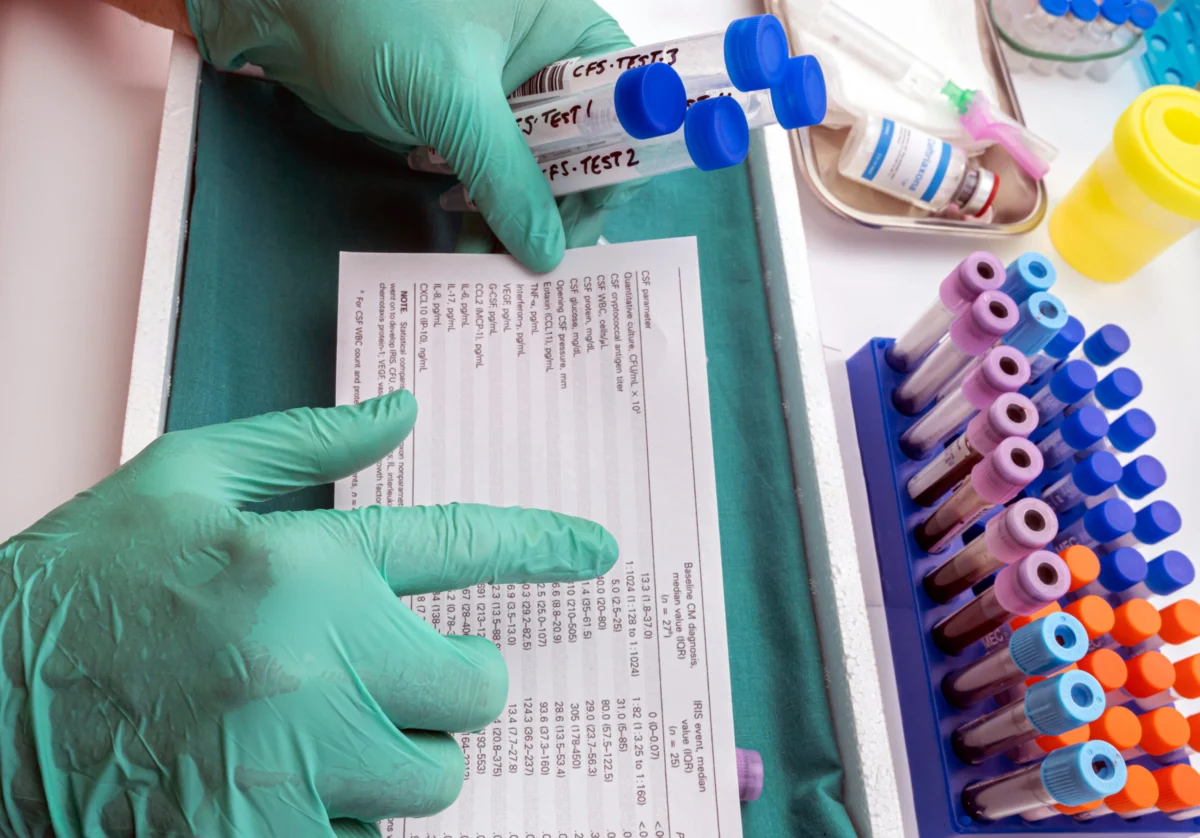
The landscape of drug development for ultra-rare diseases is undergoing a significant transformation, driven by the U.S. Food and Drug Administration’s (FDA) increasingly flexible and adaptive approach to evidence generation. Faced with patient populations often numbering in the hundreds or even dozens globally, traditional randomized clinical trials (RCTs) prove impractical, if not ethically untenable. In response, the FDA has formalized pathways like the Rare Disease Evidence Principles (RDEP) process and issued draft guidance on the "plausible mechanism framework" for individualized therapies, signaling a pivotal shift towards innovative strategies that prioritize scientific rigor without demanding conventional trial paradigms. This evolution aims to accelerate the availability of life-changing treatments for conditions that have long been underserved, ensuring that the standard of "substantial evidence" can be met through a mosaic of data sources tailored to the unique challenges of ultra-rare disease research.
The Unyielding Challenge of Ultra-Rare Diseases
Ultra-rare diseases, often defined as conditions affecting fewer than 1 in 50,000 people, or in practical terms, sometimes fewer than 1,000 individuals worldwide, present a formidable barrier to conventional drug development. Globally, over 7,000 rare diseases have been identified, with a staggering 95% lacking an FDA-approved treatment. For these conditions, the fundamental principles of clinical trial design—recruiting a statistically significant number of patients, randomizing them to treatment and placebo arms, and conducting multi-center studies—are simply not feasible. The scarcity of patients makes recruitment arduous, costly, and time-consuming, often delaying critical research for years. Furthermore, the ethical implications of withholding a potentially life-saving treatment in a placebo arm for conditions that are frequently progressive, debilitating, or fatal are profound, compelling developers and regulators to seek alternative, compassionate approaches.
The inherent heterogeneity of ultra-rare diseases further complicates matters. Even within a tiny patient cohort, variations in disease presentation, progression, and genetic subtypes can make it difficult to define a uniform population for study. The natural history of many of these diseases is often poorly understood, lacking comprehensive data on symptom onset, progression markers, and long-term outcomes, which are essential for designing effective clinical endpoints and interpreting treatment effects.
A Historical Shift: The Evolution of Orphan Drug Policy
The journey towards flexible evidence generation for rare diseases began decades ago. The landmark Orphan Drug Act (ODA) of 1983 was a critical turning point, offering incentives such as tax credits for research, market exclusivity for approved orphan drugs, and protocol assistance from the FDA. This legislation galvanized pharmaceutical companies to invest in rare disease research, leading to a significant increase in orphan drug approvals over the subsequent decades. Before the ODA, only 38 orphan drugs were brought to market; since its enactment, over 1,000 orphan drugs have received FDA approval, transforming the lives of countless patients.
However, even with the ODA’s success, the most challenging cases—the ultra-rare diseases—continued to struggle under the weight of traditional evidentiary requirements. The FDA’s long-standing mandate for "substantial evidence" of effectiveness, typically met through at least two adequate and well-controlled investigations, proved a high bar. While regulations have always acknowledged that a single pivotal trial, supplemented by robust confirmatory evidence, might suffice in appropriate circumstances, particularly in areas like oncology and rare diseases, the application for ultra-rare conditions demanded greater clarity and formalized pathways.
The RDEP process and the plausible mechanism framework represent the FDA’s continued evolution, reflecting a commitment to leveraging scientific advancements and modern data capabilities within the existing regulatory framework. The 2023 draft guidance on the plausible mechanism framework explicitly builds upon this flexibility, acknowledging that in highly specific contexts, a strong scientific rationale combined with compelling clinical observations can satisfy regulatory standards. This demonstrates a proactive stance from the FDA to adapt to the realities of medical innovation and patient need, moving beyond a rigid interpretation of "substantial evidence" to one that is scientifically sound and contextually appropriate.
Deconstructing the Rare Disease Evidence Principles (RDEP)
The FDA introduced the Rare Disease Evidence Principles (RDEP) process to provide much-needed clarity and predictability for developing therapies for ultra-rare diseases. It formalizes principles previously articulated in guidance documents and prior approvals, establishing a structured mechanism for early, focused dialogue between drug sponsors and regulators. This pre-competitive engagement is crucial for aligning on evidentiary strategy when conventional development approaches are inherently insufficient.

While specific eligibility criteria for RDEP programs are detailed by the FDA, the core tenets revolve around an exceptionally small patient population (often fewer than 1,000 individuals globally), a significant unmet medical need, and typically the absence of alternative approved treatments. The process is specifically designed for these ultra-rare contexts and does not replace other standard FDA engagement mechanisms, such as end-of-Phase II or pre-NDA/BLA meetings, nor does it expedite review timelines. Its primary value lies in establishing early agreement on an acceptable evidence package, thereby de-risking development decisions and potentially accelerating the path to approval.
A cornerstone of RDEP is its affirmation that substantial evidence for ultra-rare disease therapies can indeed be based on a single adequate and well-controlled clinical investigation, provided it is supported by appropriate confirmatory evidence. This marks a formal recognition of the practical limitations of multi-arm RCTs for these conditions. Importantly, RDEP emphasizes that these studies do not necessarily need to be RCTs. Single-arm trials, for instance, may be acceptable when rigorously paired with high-quality external controls. These external controls can be derived from meticulously characterized natural history cohorts, comprehensive patient registries, or other robust real-world data (RWD) sources. Regardless of the trial design, studies under RDEP must still ensure reliable outcome assessment, minimize bias, and be capable of supporting causal inference, upholding the fundamental principles of scientific rigor.
The Plausible Mechanism Framework: Bridging Science and Clinical Observation
Complementing RDEP, the FDA’s draft guidance on the plausible mechanism framework outlines circumstances where approval may be supported when observed clinical benefit is robustly underpinned by a scientifically plausible mechanism. This framework is particularly relevant for individualized therapies and ultra-rare conditions, where a therapy’s molecular action can be directly linked to the known biological cause of the disease. It provides a structured approach for integrating diverse data types into a compelling evidentiary package.
Under this framework, the most persuasive evidence packages demonstrate internal consistency across multiple data sources. These may include detailed mechanistic and biomarker data elucidating how the therapy interacts with the disease pathway, relevant nonclinical studies (e.g., in vitro or animal models), comprehensive natural history data to contextualize observed effects, pharmacodynamic evidence showing biological activity, and real-world data from case series or expanded access programs. The synergistic combination of these data types helps build a holistic understanding of the treatment’s effect and its scientific basis.
The framework places significant emphasis on a well-characterized natural history of the disease in untreated patients. This historical context is invaluable for interpreting treatment effects observed in small cohorts, serving as an implicit control arm against which therapeutic improvements can be gauged. Similarly, external control arms derived from robust registries, observational studies, or other RWD sources are critical when randomization is impractical. These external controls must be carefully selected and meticulously matched to the treatment group to minimize confounding and support valid causal inference.
Recent approvals vividly illustrate these principles in action. For example, the approval of ITVISMA® (onasemnogene abeparvovec-brve) for certain spinal muscular atrophy (SMA) patients exemplifies this integrated approach. SMA is a severe, progressive neuromuscular disease caused by a genetic defect in the SMN1 gene. ITVISMA® is a gene therapy designed to deliver a functional copy of the SMN1 gene. In this case, primary evidence from a well-controlled study was significantly bolstered by confirmatory evidence related to the therapy’s mechanism of action and efficacy from another therapy containing the same active ingredient. These combined data sources provided strong reinforcement for the plausibility and consistency of the observed treatment effect, demonstrating how mechanistic understanding and prior experience can strengthen a limited clinical dataset.
The Indispensable Role of Real-World Evidence (RWE)
Real-world evidence (RWE) has emerged as an increasingly vital component within the RDEP review process, offering unique capabilities particularly suited to the challenges of ultra-rare diseases. RWE, derived from real-world data (RWD) such as electronic health records, claims data, patient registries, and wearable devices, can play a crucial role even before a drug development program formally begins.
One key application is in determining RDEP eligibility. For conditions that are underdiagnosed, inconsistently coded, or clinically heterogeneous, RWE can provide a more accurate assessment of prevalence, confirming that a disease indeed meets the ultra-rare threshold. This is critical because many ultra-rare diseases are difficult to track using standard epidemiological methods.
Once RDEP eligibility is confirmed and development is underway, RWE continues to be indispensable throughout the review process:
- Natural History Studies: RWE can be used to construct robust natural history cohorts, providing crucial insights into disease progression, symptom variability, and long-term outcomes in untreated patients. This context is essential for designing clinical trials and interpreting treatment effects.
- External Control Arms: High-quality RWD sources, such as meticulously curated patient registries, can serve as external control arms for single-arm trials. These provide a comparator group against which the treatment’s impact can be evaluated, helping to establish causal inference in the absence of concurrent randomization.
- Safety Monitoring: RWE is invaluable for post-market surveillance, allowing for the detection of rare adverse events or long-term safety concerns that might not be apparent in smaller pre-approval clinical datasets.
- Endpoint Validation: RWE can help validate clinical outcome assessments (COAs) and biomarkers, ensuring they are meaningful and accurately reflect disease progression or treatment response in the real world.
Working with small patient populations, however, creates additional challenges for RWE. The limited number of individuals in ultra-rare disease datasets heightens concerns around privacy protections and data governance to minimize the risk of patient re-identification. Robust de-identification techniques and strict data access protocols are paramount. Furthermore, the interpretability of aggregated RWD is enhanced by standardized data models and shared clinical ontologies. Disparate global RWD sources often use different coding systems (e.g., ICD-10, SNOMED CT, Orphanet codes), which can lead to inaccurate or inconsistent reporting. Applying shared standards and interoperable frameworks helps ensure that data elements such as diagnoses, endpoints, and outcomes are consistently defined and interpreted across diverse data systems, maximizing the utility of RWE. The advent of artificial intelligence and machine learning is also transforming RWE, enabling more sophisticated analysis of complex datasets, identification of subtle disease patterns, and prediction of patient responses, further strengthening its utility in ultra-rare disease research.
Strategic Engagement: A Cornerstone of Success
Despite the increasing flexibility in evidence generation, the success of ultra-rare disease development programs remains heavily reliant on early, continuous, and strategic engagement with regulators. Proactive dialogue is critical to navigate the complexities of these novel pathways and mitigate risks.
Sponsors developing an ultra-rare therapy should consider submitting an RDEP request under an existing investigational new drug (IND) application, accompanied by a formal meeting request, early in the development process. The optimal timing is typically when early clinical data are available, providing a foundation for discussions, but still allowing flexibility to shape study design and evidence strategy. This early dialogue clarifies whether a program qualifies for RDEP and establishes consensus on what constitutes acceptable confirmatory evidence. Such upfront alignment helps sponsors avoid investing significant resources in an evidentiary strategy that later proves misaligned with regulatory expectations, saving both time and cost.
Beyond the FDA, sponsors must also anticipate the evidence needs of other crucial stakeholders, particularly payers and healthcare providers, as early as possible. Pre-approval datasets for ultra-rare diseases are inherently smaller, and payer evidence requirements often extend beyond regulatory approval, focusing on real-world effectiveness, cost-effectiveness, and patient value. Early planning for these post-market evidence needs is essential to ensure patient access and reimbursement.
Furthermore, understanding and integrating the perspectives of patients and patient advocacy organizations is paramount. These groups are invaluable partners, offering deep insights into the lived experience of the disease, identifying meaningful clinical outcomes, and helping to refine evidence generation strategies. By leveraging data such as quality-of-life measures, clinical outcome assessments, and patient-reported outcomes (PROs), sponsors can ensure their evidentiary strategy is grounded in the true needs and priorities of rare disease patients. This patient-centric approach not only strengthens the scientific validity of the evidence but also facilitates broader acceptance among downstream stakeholders, ultimately ensuring that ultra-rare disease therapies reach the individuals who desperately need them. Julien Heidt, Associate Director, Scientific Strategy, Applied AI Science at IQVIA, and co-chair of the International Society for Pharmacoepidemiology (ISPE) Rare Disease Special Interest Group, emphasizes this holistic view, stating that "success in ultra-rare diseases depends on integrating diverse evidence sources and maintaining close engagement with regulators, patients, and advocacy communities throughout development."
Implications and The Road Ahead
The FDA’s RDEP process and the plausible mechanism framework represent a progressive and necessary evolution in drug development for ultra-rare diseases. These mechanisms provide greater structure and transparency for discussing evidentiary strategies in settings where traditional paradigms are not feasible, reflecting a broader discussion within drug development about how "substantial evidence" can be demonstrated in an era of precision medicine and advanced analytics.
The implications are far-reaching. For patients, these flexible approaches offer renewed hope for faster access to treatments for conditions that have historically been overlooked. For the biopharmaceutical industry, it encourages investment in an area of high unmet medical need by providing clearer, albeit rigorous, pathways to approval. While still demanding scientific excellence, these frameworks offer the potential for more efficient development timelines and resource allocation, provided companies embrace a strategic, data-driven, and collaborative approach.
However, challenges remain. The quality and standardization of RWD, the ethical considerations of data sharing in small populations, and the need for global harmonization of regulatory approaches will continue to be critical areas of focus. As scientific understanding of rare diseases deepens and technological capabilities for data collection and analysis advance, the frameworks for evidence generation will undoubtedly continue to evolve. For sponsors working in ultra-rare diseases, success will ultimately depend on a masterful integration of multiple complementary sources of evidence—including clinical trial data, a robust mechanistic rationale, comprehensive natural history studies, and high-quality RWE—all underpinned by close and continuous engagement with regulators, patients, and advocacy communities throughout the entire development lifecycle. This complex but evolving path forward promises to unlock treatments for conditions once deemed too rare to tackle.
















Leave a Reply