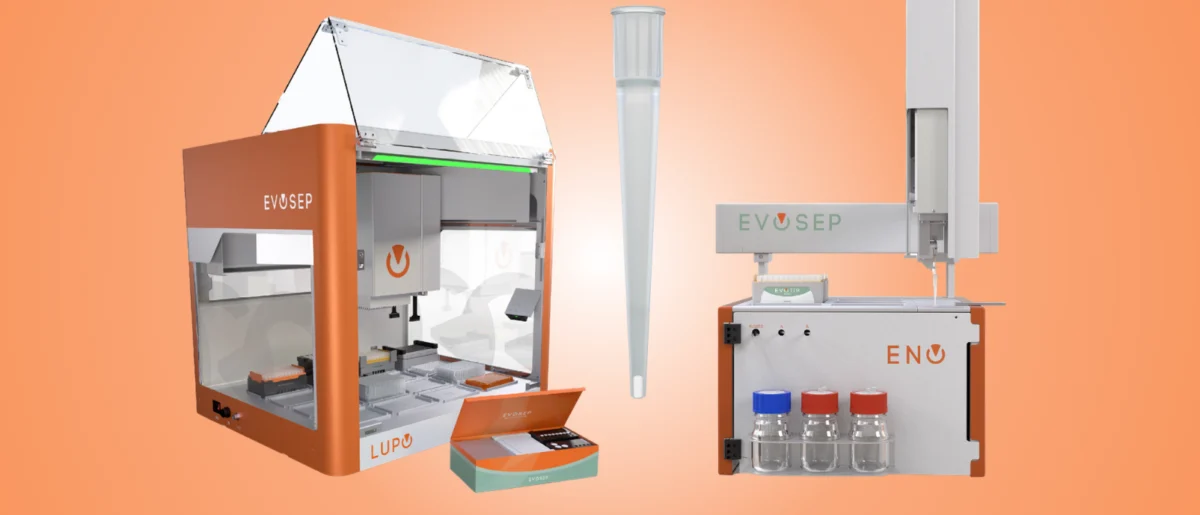
Odense, Denmark – Evosep, a leading innovator in liquid chromatography solutions, has announced the launch of Evosep Proteomics, a comprehensive ecosystem meticulously engineered to standardize and scale liquid chromatography-mass spectrometry (LC-MS) based proteomics. This pivotal development is poised to significantly impact both fundamental biological research and the demanding field of pharmaceutical drug development by addressing longstanding challenges in data reproducibility, scalability, and consistency. The new platform integrates novel sample preparation solutions with Evosep’s established separation technologies, aiming to deliver an unprecedented level of workflow standardization from sample to separation.
The Evolving Landscape of Proteomics and Its Challenges
Proteomics, the large-scale study of proteins, their structures, functions, and interactions, has emerged as a critical discipline in modern biological and biomedical research. Proteins are the workhorses of the cell, directly responsible for cellular processes, and their dysregulation is often at the root of disease. Consequently, understanding the proteome offers profound insights into disease mechanisms, biomarker discovery, and the identification of novel drug targets.
However, despite its immense potential, the field of proteomics, particularly when reliant on LC-MS technologies, has grappled with several significant hurdles. Historically, proteomics workflows have been characterized by fragmentation, manual variability, and a lack of universal standardization. These issues have severely limited the ability to generate consistent, high-confidence data across different laboratories, studies, and even within the same research group.
A primary bottleneck has long resided in the upstream processes, specifically sample preparation. Preparing biological samples (e.g., tissues, cell cultures, biofluids) for LC-MS analysis involves intricate steps such as protein extraction, digestion into peptides, and subsequent cleanup. These manual, multi-step procedures are notoriously susceptible to human error and variations in reagent quality, incubation times, and handling techniques. The resulting inconsistencies in sample input inevitably compromise the quality, comparability, and scalability of downstream mass spectrometry data. This variability has been a major impediment to translating proteomic insights into robust scientific discoveries and, more critically, into clinically actionable or therapeutically relevant impacts.
Moreover, in an era increasingly driven by data science and artificial intelligence (AI), the lack of standardized, high-quality proteomic data presents a formidable barrier. AI and machine learning algorithms thrive on large datasets that are consistent, reliable, and interoperable. Fragmented or inconsistent proteomic data, often riddled with batch effects and analytical noise, are ill-suited for training robust AI models. This significantly slows down the potential for AI-driven drug development, where proteomics could otherwise provide invaluable information for target identification, lead optimization, and biomarker prediction.
Evosep’s Strategic Expansion: Building on a Legacy of Standardization
Evosep, based in Odense, Denmark, has already established a strong reputation for standardizing the liquid chromatography (LC) separation component of proteomics workflows. Their innovative LC systems are known for their speed, robustness, and ability to deliver highly reproducible chromatographic separations, thereby reducing analysis times and increasing throughput. Recognizing the broader challenges in the field, Evosep has strategically expanded its focus upstream to encompass the entire sample-to-separation workflow.
The introduction of Evosep Proteomics marks this significant evolution, aiming to create a truly unified and standardized platform. "To fully realize AI-driven drug development, LC-MS-based proteomics must become standardized," commented Morten Bern, CEO of Evosep, underscoring the company’s vision. "Our users have been asking for scalable proteomics, not only as a reliable analytical tool, but as an AI-ready data foundation for the next generation of drug discovery and development." This statement highlights a profound understanding of the current demands in both academic research and the pharmaceutical industry, where the push for data integrity and AI readiness is paramount.
Components of the Evosep Proteomics Ecosystem
The newly launched Evosep Proteomics ecosystem is a synergistic integration of several key components designed to address the challenges of variability and scalability head-on:
-
Evokit™ Sample Preparation Kits: These new kits are central to standardizing the initial, critical steps of proteomics. At launch, the ecosystem includes the Evokit Digest and Evokit QC kits. These kits are formulated to provide consistent and optimized protocols for protein digestion and subsequent sample cleanup. By providing pre-aliquoted, quality-controlled reagents and standardized procedures, the Evokit series aims to minimize manual variability, reduce operator-dependent errors, and ensure a consistent starting material for LC-MS analysis. The inclusion of built-in quality controls, consumable tracking, and workflow traceability is particularly vital for long-term studies, regulated environments (such as those encountered in clinical trials or diagnostics development), and translational research where data integrity and audit trails are non-negotiable.
-
Evosep™ Lupo™ Sample Preparation System: Complementing the Evokit series, the Evosep Lupo is an automated system specifically designed for sample preparation. Automation is a game-changer in high-throughput scientific workflows, dramatically reducing hands-on time, minimizing human error, and ensuring unparalleled consistency across thousands of samples. The Lupo system automates the intricate steps of sample preparation, ensuring that each sample undergoes identical treatment, thereby eliminating the variability that plagues manual methods. This automation capability is critical for achieving the high level of reproducibility and scalability required for large-cohort studies and industrial applications.
-
Evosep Eno™: This component represents Evosep’s core expertise in fast and robust LC separation. The Evosep Eno systems are already well-regarded for their ability to deliver high-performance chromatographic separations at impressive speeds, significantly increasing the throughput of LC-MS instruments. By integrating seamlessly with the standardized output from the Evokit and Lupo systems, the Evosep Eno ensures that the benefits of standardized sample preparation are carried through to the final separation stage, providing consistent and high-quality peptide elution profiles for mass spectrometry analysis.
Together, these components establish Evosep Proteomics as a unified, end-to-end sample-to-separation platform. The entire ecosystem is built upon principles of reproducibility, scalability, and the generation of AI-ready proteomic insights.
Addressing the Bottlenecks: Standardization, Reproducibility, and Cost-Effectiveness
The strategic intent behind Evosep Proteomics is to deliver consistent proteomic output at scale, thereby creating a robust data foundation essential for modern scientific endeavors.
- Standardization Across the Workflow: By extending standardization from LC separation upstream to sample preparation, Evosep ensures that every step of the workflow is optimized for consistency. This comprehensive approach means that data generated from different experiments, operators, or even different sites can be reliably compared, fostering true inter-laboratory reproducibility.
- Enhanced Reproducibility and Scalability: The automation provided by the Evosep Lupo and the consistency of Evokit reagents drastically reduce the variability inherent in manual processes. This leads to higher reproducibility of results, which is crucial for validating scientific findings and for conducting large-scale studies necessary for biomarker discovery and drug development. The ability to process samples rapidly and consistently also enhances scalability, allowing researchers to analyze thousands of samples efficiently, a prerequisite for clinical trials and population-level studies.
- Democratizing High-Quality Proteomics: One of the most compelling aspects of Evosep Proteomics is its target cost of approximately US$10 per sample. This aggressive pricing strategy aims to make high-quality, reproducible proteomics accessible for routine use. Previously, the cost and complexity of advanced proteomics workflows often confined them to specialized labs or highly funded projects. By significantly lowering the per-sample cost while simultaneously enhancing data quality and throughput, Evosep is poised to democratize access to advanced proteomic insights, enabling its widespread adoption in research, biomarker discovery, and large-scale drug development pipelines. This cost reduction represents a critical step towards industrializing proteomics, moving it from a niche, expert-driven technique to a routine, high-throughput analytical tool.
Implications for AI-Driven Drug Development and Clinical Research
The impact of standardized and scalable proteomics extends far beyond the laboratory bench, particularly in the context of pharmaceutical R&D and clinical research.
- Fueling AI for Drug Discovery: The vision of AI-driven drug development hinges on access to vast quantities of high-quality, consistent data. Fragmented proteomic data, often plagued by inconsistencies, has historically hindered the effective application of AI in this domain. Evosep Proteomics directly addresses this by providing an "AI-ready data foundation." With standardized workflows, researchers can generate large, clean, and comparable proteomic datasets that are ideal for training sophisticated AI/ML algorithms. This enables more accurate predictions for drug targets, mechanism of action, efficacy, and potential toxicities, accelerating the entire drug discovery pipeline.
- Faster Insight Generation: By reducing the time and effort spent on troubleshooting inconsistent results or re-running experiments due to poor data quality, researchers can dedicate more time to interpreting biological insights. This accelerated insight generation directly contributes to faster decision-making in the highly competitive and time-sensitive pharmaceutical industry.
- Confident Decision-Making: Reliable and reproducible proteomic data instills greater confidence in the decisions made at every stage of drug development, from early discovery to preclinical testing and clinical trials. This confidence is paramount when making high-stakes choices about which drug candidates to advance, which biomarkers to pursue, or how to stratify patient populations.
- Advancing Preclinical and Clinical Research: In both preclinical and clinical settings, researchers face immense pressure to make swift, well-informed decisions. While LC-MS-based proteomics holds the key to uncovering hidden biological insights, its utility is maximized only when the data is robust and comparable.
- Biomarker Discovery and Validation: Standardized proteomics facilitates the discovery and rigorous validation of novel biomarkers for disease diagnosis, prognosis, and therapeutic response prediction. Consistent data across diverse patient cohorts and clinical sites is essential for developing reliable diagnostic or prognostic tools.
- Patient Stratification: For personalized medicine, accurately stratifying patients into subgroups that are most likely to respond to a particular therapy is crucial. High-quality proteomic data can identify protein signatures that predict treatment response or resistance, leading to more effective clinical trials and targeted therapies.
- Mechanistic Studies: Understanding how drugs interact with their biological targets at the protein level is fundamental. Standardized proteomics provides a consistent platform for detailed mechanistic studies, revealing drug efficacy and off-target effects with greater precision.
A New Era for Industrial Proteomics
The launch of Evosep Proteomics represents a significant stride towards the industrialization of proteomics. By transforming a complex, variable, and often costly analytical process into a standardized, automated, and cost-effective workflow, Evosep is paving the way for proteomics to become a routine, high-throughput tool in both academic and industrial settings. This shift is not merely about technological advancement; it is about fundamentally changing how biological questions are asked and answered, ultimately accelerating the pace of scientific discovery and the development of life-changing therapies. As biology continues its inexorable march towards becoming increasingly data-driven, Evosep Proteomics positions itself as a cornerstone for building the reliable data foundations necessary for the next generation of scientific breakthroughs and AI-powered innovations.