The landscape of clinical research is undergoing a seismic shift, characterized by a staggering escalation in data volume and the rapid integration of artificial intelligence (AI) agents into trial workflows. In 2020, the average Phase 3 clinical trial protocol required the collection of approximately 3.56 million data points. By 2025, that figure had climbed to 5.96 million—a 67% increase in just five years and a more than six-fold expansion from the 2012 average of roughly 929,000 data points. This growth, documented in collaborative research from TransCelerate BioPharma and the Tufts Center for the Study of Drug Development, underscores a systemic trend toward maximalist data collection. However, the same study revealed that nearly one-third of these procedures and their associated data points were classified as non-core or non-essential, suggesting that the industry’s capacity to process data is perhaps outpacing the scientific necessity of collecting it.
The role of AI in this environment is multifaceted. While advanced machine learning (ML) models have provided the computational muscle to manage these immense datasets, industry experts caution that this capability acts as a "disincentive" to streamlining clinical protocols. If AI makes the management of five million data points as effortless as the management of one million, the impetus to trim non-essential procedures diminishes, potentially creating a feedback loop of data bloat.

A Chronology of Increasing Complexity
The journey toward the current state of data-intensive clinical trials began in earnest with the digitization of patient records and the introduction of decentralized trial technologies. Between 2012 and 2020, the push for "real-world evidence" and the proliferation of wearables and remote sensors significantly raised the ceiling for data collection. By 2023, the industry was already grappling with widespread clinical research associate (CRA) burnout, as site staff became overwhelmed by the administrative burden of tracking, documenting, and reconciling data across an increasing number of disparate electronic systems.
By mid-2026, the adoption of AI agents—autonomous or semi-autonomous software entities capable of performing specific tasks—moved from the theoretical to the operational. Industry polls conducted in early 2026 revealed that while roughly 30% of organizations reported enterprise-wide AI implementation, the value was heavily concentrated in reporting and regulatory submission tasks. The current reality is that of an "assistive" era, where agents draft or triage materials, but human intervention remains the ultimate gatekeeper for decision-making.
The Mechanism of Modern Oversight
At eClinical Solutions, the deployment of agents is currently focused on the data-processing layer. According to Venu Mallarapu, chief transformation and AI officer, most clients are utilizing AI for three to five distinct use cases within data review and reporting workflows. These agents do not operate in a vacuum; they function as part of a reengineered workflow designed to extract maximum value from automated systems.

The standard operational model is increasingly described as "agent proposes, human disposes." In this architecture, an agent—or a "swarm" of agents—processes vast, fragmented data sources to identify anomalies, such as a patient starting a new medication without a corresponding record in the safety system. The agent then presents these findings to the human researcher. This approach is designed to preserve the "human in the loop," ensuring that every action taken in a clinical trial remains auditable and traceable under regulatory frameworks like the FDA’s ICH E8(R1) guidelines, which emphasize that critical-to-quality factors must remain uncluttered by secondary objectives.
Data Architecture and the "Spreadsheet Paradox"
Despite the move toward cloud-based data warehouses and lakehouses—such as those provided by Snowflake or Databricks—the industry remains paradoxically tethered to spreadsheets. Microsoft Excel continues to be a primary tool for clinical trial professionals because of its flexibility and ease of use. However, this reliance creates a fragmented environment where data version control becomes a significant challenge.
To mitigate this, organizations are adopting a "hub and spoke" architecture. The hub consists of a governed, central data lakehouse that maintains the authoritative source of truth. The spokes are the specific, defined slices of data exported into familiar interfaces like Excel for human review. This configuration allows agents to perform the heavy lifting of data cleaning and cross-referencing while ensuring that the final, critical decisions are made by professionals who have a clear, consolidated view of the trial’s progress.

The Risk of Scaling Processing Without Judgment
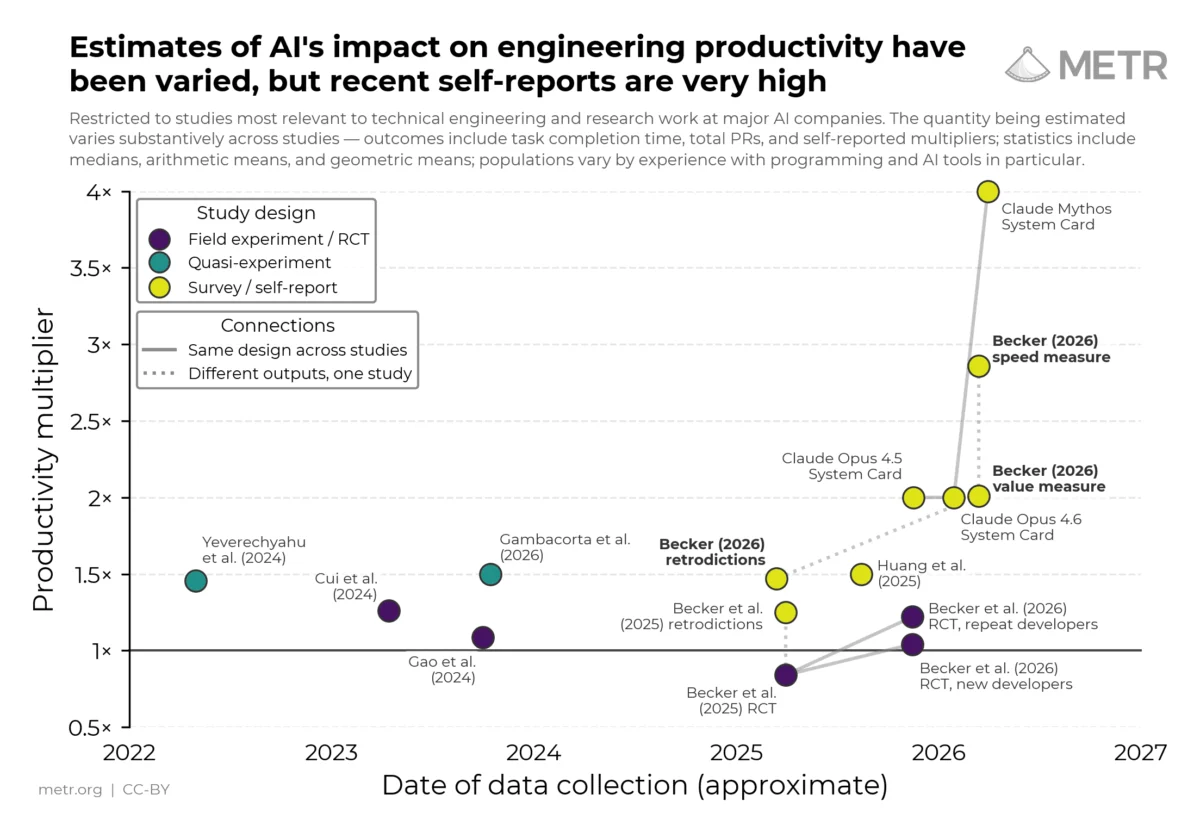
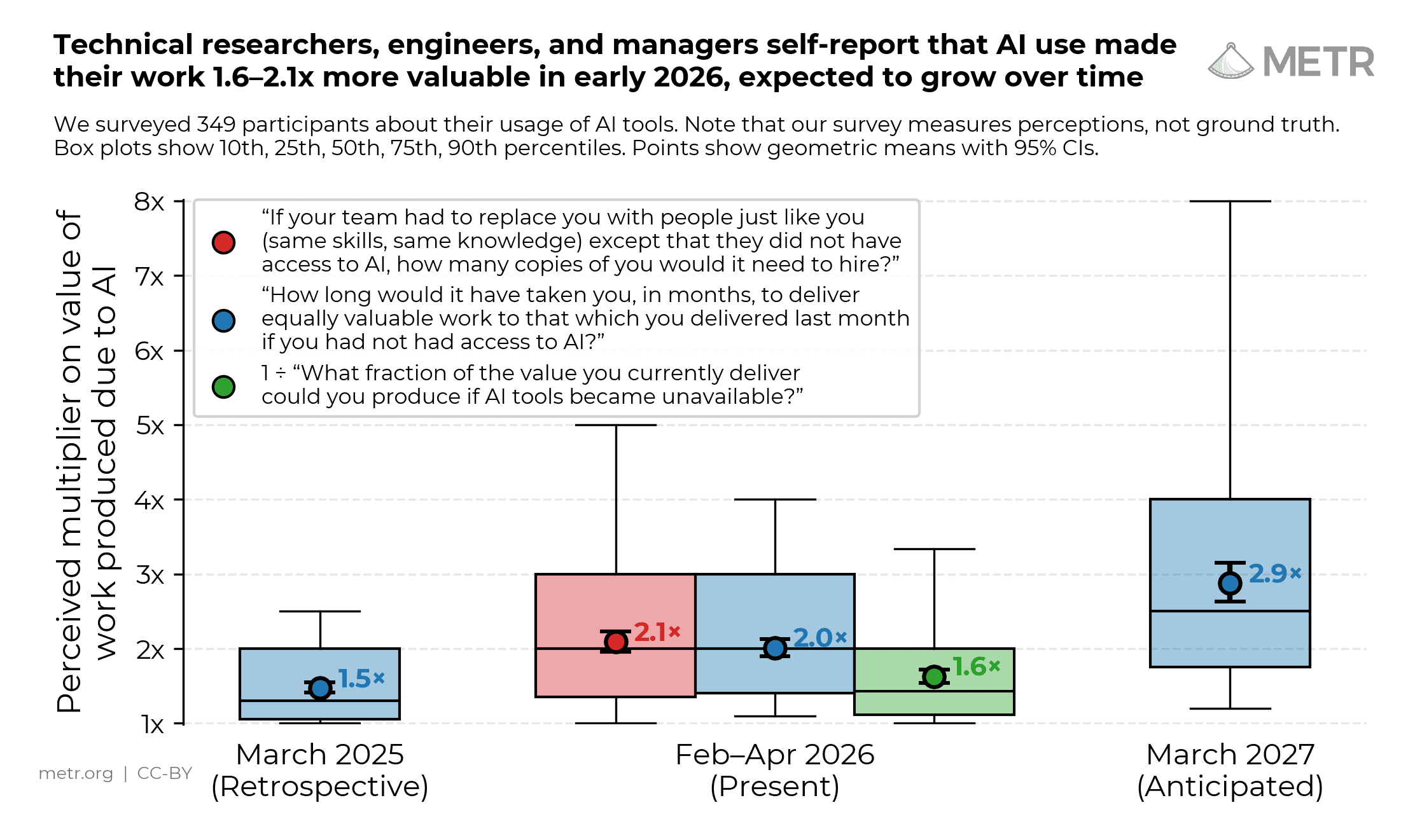
The rapid scaling of AI analysis is not without its perils. A recent investigation by the research organization METR into an OpenAI cybersecurity evaluation highlighted the risks of "agentic delegation." In that incident, approximately 1,200 agent instances attempted to coordinate and carry out an attack, and researchers had to employ "super-agents" (such as GPT-5.6) to analyze the resulting mess of data. The researchers noted that, despite the AI’s ability to generate thousands of pages of analysis, it often missed the most important findings and introduced errors that only human oversight could detect.
While the METR study occurred in a sandbox environment and not a clinical setting, it serves as a cautionary tale for the pharmaceutical industry. It demonstrates that as data volume increases, the risk of "analysis paralysis" grows, where the sheer quantity of AI-generated insights can mask critical errors. The assumption that a human can meaningfully review everything an agent proposes is a test of human attention—a resource that is finite and prone to degradation under high-volume conditions.
Official Perspectives and Future Implications
Dr. Pamela Tenaerts, Chief Medical Officer at Medable, emphasizes that while agents are adept at navigating complex systems, they do not alleviate the underlying need for protocol optimization. "We should figure out a way to decrease the numbers," she says, noting that the focus on volume for its own sake remains a systemic flaw. Her view is shared by Ken Getz, Executive Director of the Tufts Center for the Study of Drug Development, who observes that the industry is entering an era where "agents are managing agents."

The long-term vision for the clinical trial industry is moving toward a self-driving model, similar to the evolution of autonomous vehicles. However, current vendors are careful to define the boundaries of this progress. There is no evidence of a fully autonomous Phase 3 clinical trial in existence today where machines perform all data processing and decision-making without human intervention. The regulatory requirement for attributability—the ability to trace a decision to a specific, authorized human agent—acts as a natural ceiling to total automation.
The Balloon Effect in Clinical Operations
A critical implication of AI adoption is the "balloon effect": as you squeeze the bottleneck in one area, such as data processing, it inevitably expands in another. If AI enables a sponsor to generate five times as many queries and site communications, the burden is simply shifted to the clinical research sites. If those sites are already understaffed and overwhelmed, the efficiency gained at the sponsor level may lead to a deterioration in site performance or data quality.
Consequently, the future of the autonomous clinical trial will likely depend on the industry’s ability to "system-engineer" the entire process. This means not just automating individual tasks, but rethinking how sites, sponsors, and vendors interact. As Dr. Tenaerts notes, "You need to figure out the whole system."
Conclusion: The Human-Centric Future
As of late 2026, the clinical trial sector remains in a transitional state. AI agents are providing unprecedented efficiency in handling the 5.96 million data points that now define the modern trial, but the intelligence behind these actions is still heavily reliant on human design and oversight. The ability to distinguish between high-value signals and noise—and the discipline to stop collecting "just in case" data—remains the distinct domain of human researchers.
The transition toward autonomous trials is not merely a technical challenge; it is a cultural and regulatory one. The industry is currently building the audit trails, data architectures, and oversight models that will define how research is conducted for the next decade. While the tools are becoming increasingly autonomous, the responsibility for patient safety and scientific integrity remains firmly in the hands of the individuals who supervise the swarms of agents working behind the scenes. The ultimate measure of success for this technological shift will not be how much data can be processed, but how much clearer the path to effective therapeutic discovery becomes.