


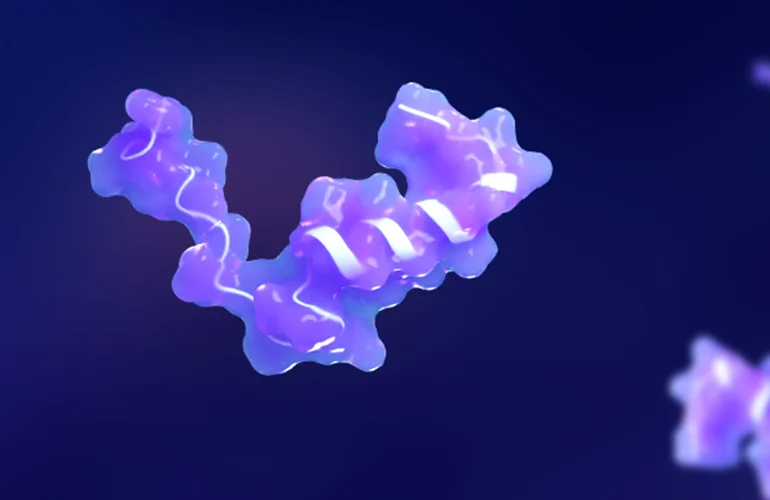
In a significant advancement for regenerative medicine and skeletal health, a team of researchers at the Institute of Science Tokyo (Science Tokyo) has identified a specific protein that acts as a central coordinator in the complex process of bone remodeling. The protein, known as family with sequence similarity 102 member A (Fam102a), has been revealed as a critical regulator of both osteoblasts, which are responsible for bone formation, and osteoclasts, which handle bone resorption. Published in the journal Nature Communications on January 2, 2025, the study provides a detailed molecular blueprint of how bone density is maintained and offers a promising new target for treating osteoporosis and other degenerative bone diseases.
The discovery addresses a long-standing challenge in orthopedic research: identifying the "coupling" factors that simultaneously influence the two opposing cell types involved in bone maintenance. While the medical community has long understood the separate pathways that drive bone growth and bone loss, the mechanisms that synchronize these processes have remained largely elusive. Led by Professor Tomoki Nakashima of the Faculty of Dentistry at Science Tokyo, the research team utilized advanced genetic screening and molecular assays to demonstrate that Fam102a is indispensable for the structural integrity of the skeletal system.
The Biological Significance of Bone Remodeling
The human skeleton is far from a static structure; it is a dynamic, living tissue that undergoes constant renewal. This process, known as bone remodeling, ensures that the skeleton can adapt to physical stress, repair microscopic fractures, and maintain systemic calcium levels. Under healthy conditions, the activity of osteoblasts (bone-forming cells) and osteoclasts (bone-dissolving cells) is perfectly balanced. When this equilibrium is disrupted—typically when bone resorption outpaces bone formation—the result is a systemic loss of bone mass and quality.
Osteoporosis, the most common manifestation of this imbalance, affects hundreds of millions of people worldwide. According to data from the International Osteoporosis Foundation (IOF), one in three women and one in five men over the age of 50 will experience an osteoporotic fracture. These injuries often lead to a permanent loss of mobility, chronic pain, and an increased risk of mortality. Current therapeutic interventions, such as bisphosphonates or RANKL inhibitors, primarily focus on slowing down bone resorption. However, the discovery of Fam102a suggests a more holistic approach that could potentially stimulate formation while simultaneously regulating resorption.
Chronology of the Discovery: From Gene Screening to Molecular Mapping
The journey toward identifying Fam102a began with a comprehensive investigation into the gene expression profiles of specialized bone cells. The research team at Science Tokyo sought to find genes that were active during the critical transition periods of cell differentiation.
In the initial phase of the study, the scientists conducted in-depth analyses of cells derived from mice with specific genetic modifications. By looking at cells lacking key transcription factors—the proteins that "read" DNA to initiate cell functions—they were able to isolate genes that appeared to be central to the bone-remodeling cycle. Through this transcriptomic approach, the Fam102a gene emerged as a primary candidate, showing high levels of activity during the maturation of both osteoblasts and osteoclasts.
Following the identification of the gene, the researchers moved into the validation phase. They developed a line of "knockout" mice—animals genetically engineered to lack the Fam102a protein. The results were immediate and striking. The Fam102a-deficient mice exhibited a phenotype nearly identical to human osteoporosis, characterized by significantly reduced bone volume, thinning of the trabecular bone (the "spongy" interior of the bone), and a marked decrease in overall mineral density.
By 2024, the team had transitioned to the mechanistic phase of the study, utilizing co-immunoprecipitation assays to determine exactly how Fam102a interacted with other proteins within the cell. This biochemical "detective work" led them to the discovery of the protein’s relationship with Kpna2 and Runx2, providing the final piece of the puzzle regarding how Fam102a exerts its influence.
The Molecular Mechanism: Nuclear Trafficking and Transcription
The most groundbreaking aspect of Professor Nakashima’s research is the elucidation of the "nuclear trafficking" mechanism. For a cell to differentiate—meaning, to change from a generic stem cell into a specialized bone cell—specific instructions must be sent to the cell’s nucleus. These instructions are carried by transcription factors.
The Science Tokyo study found that Fam102a acts as a facilitator for this transport. Specifically, the protein interacts with karyopherin subunit alpha 2 (Kpna2), which serves as a molecular "shuttle" that moves cargo across the nuclear membrane. The research demonstrated that Fam102a is essential for the localization of runt-related transcription factor 2 (Runx2), often described as the "master architect" of bone formation. Without Fam102a, Runx2 cannot effectively enter the nucleus to activate the genes required for osteoblast development.
Furthermore, the team identified a second pathway involving the Fam102a-Rbpjl axis. Recombination signal binding protein for immunoglobulin κ J region-like (Rbpjl) was found to be the most significantly downregulated factor in cells lacking Fam102a. This suggests that Fam102a operates through multiple signaling pathways to ensure that bone-building cells reach maturity and full functionality.
Supporting Data and Experimental Findings
The evidence supporting the role of Fam102a is derived from a multi-tiered experimental framework:
- Micro-CT Imaging: Comparative scans of wild-type mice versus Fam102a-deficient mice showed a drastic reduction in bone microarchitecture. The knockout mice displayed increased porosity and a lack of structural connectivity in their long bones.
- Histomorphometry: Microscopic analysis of bone tissue confirmed that the number of active osteoblasts was significantly lower in the absence of Fam102a, leading to a direct decrease in the Bone Formation Rate (BFR).
- In Vitro Assays: Laboratory-grown cells lacking Fam102a failed to undergo mineralized nodule formation, a standard benchmark for osteoblast success. Conversely, when Fam102a was reintroduced into these cells via viral vectors, their bone-building capacity was restored.
- Protein Binding Strength: The co-immunoprecipitation assays revealed a high affinity between Fam102a and Kpna2, confirming that their interaction is a physical prerequisite for the transport of Runx2.
Implications for Future Osteoporosis Therapies
The identification of Fam102a as a dual-regulator represents a paradigm shift in how scientists view bone metabolism. Historically, many treatments for bone loss have focused on "anti-resorptive" strategies. While effective at preventing further loss, these drugs do not necessarily rebuild the bone that has already been destroyed.
"Our study sheds light on the critical molecular interactions involved in the bone remodeling process and can aid the development of innovative osteoporosis therapies," stated Professor Nakashima in the study’s conclusion.
The potential for a "dual-action" therapy—one that targets the Fam102a pathway to both suppress excessive bone resorption and stimulate new bone growth—is particularly exciting for the pharmaceutical industry. Such a treatment would be "anabolic," meaning it helps the body actively reconstruct skeletal strength, rather than just maintaining a weakened state.
Medical analysts suggest that if a small-molecule drug or a monoclonal antibody can be developed to mimic or enhance the effects of Fam102a, it could significantly reduce the recovery time for patients with major fractures and provide a more robust defense against age-related bone thinning.
Broader Impact and Global Health Context
As global populations age, the economic and social burden of bone-related diseases is expected to skyrocket. In the United States alone, the annual cost of care for osteoporotic fractures is projected to reach $25 billion by 2025. In nations with rapidly aging demographics, such as Japan, the discovery made by the Science Tokyo team is viewed with high priority by national health organizations.
The research also has implications beyond osteoporosis. Conditions such as rheumatoid arthritis, which involves localized bone destruction, and certain types of bone cancer could potentially be managed by modulating the Fam102a pathway. Furthermore, the understanding of nuclear trafficking in bone cells may open doors to research in other tissues, as the Kpna2 transport system is used in various biological contexts.
While clinical applications in humans are still several years away, the Science Tokyo study provides a necessary foundation. The next steps for the research team include screening for chemical compounds that can modulate Fam102a activity and conducting long-term safety studies in larger animal models.
By uncovering the "gatekeeper" of bone remodeling, Professor Nakashima and his colleagues have moved the scientific community one step closer to a future where the fragility of aging can be biologically reversed, ensuring that the human skeleton remains as resilient as the life it supports.


















Leave a Reply