

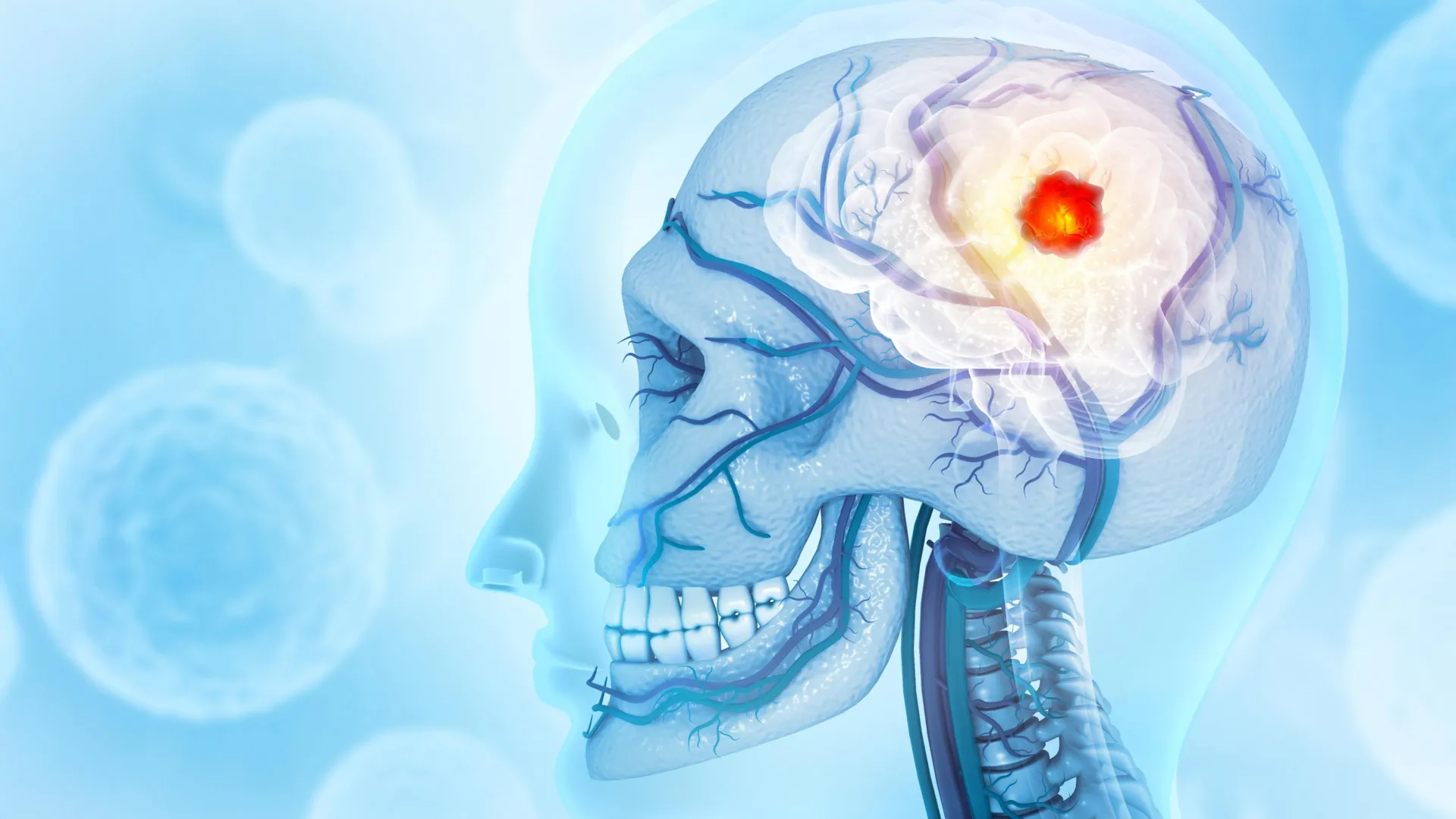
Researchers from the Montefiore Einstein Comprehensive Cancer Center (MECCC) and the Albert Einstein College of Medicine have unveiled a groundbreaking study that fundamentally shifts the medical understanding of glioblastoma, the most aggressive and lethal form of primary brain cancer. Traditionally viewed as a localized malignancy confined within the brain’s neural tissue, new evidence published on October 3 in the journal Nature Neuroscience reveals that glioblastoma functions as a systemic disease. The research demonstrates that the tumor actively erodes the skull, reconfigures the internal composition of skull bone marrow, and hijacks the body’s immune system to fuel its own progression. Perhaps most strikingly, the study found that common medications used to treat bone loss, such as those for osteoporosis, may inadvertently accelerate the cancer’s growth and negate the effects of modern immunotherapy.
This discovery provides a potential explanation for why glioblastoma remains one of the most difficult cancers to treat, with survival rates stagnating for decades. By demonstrating that the tumor’s influence extends beyond the brain and into the surrounding skeletal structure, the research team has opened a new frontier for therapeutic intervention that moves beyond localized surgery and radiation toward a more comprehensive, systemic approach.
The Stagnation of Glioblastoma Treatment
Glioblastoma multiforme (GBM) represents a significant challenge to modern oncology. According to the National Cancer Institute (NCI), approximately 15,000 individuals in the United States are diagnosed with this form of brain cancer annually. Despite advancements in genomic sequencing and targeted therapies for other cancers, the standard of care for glioblastoma has remained largely unchanged for nearly twenty years. This protocol, known as the Stupp regimen, involves maximal surgical resection followed by a combination of temozolomide chemotherapy and radiation.
Despite these intensive efforts, the prognosis remains grim. The median survival time for patients receiving the standard of care is approximately 15 months, and the five-year survival rate hovers below 10%. The primary difficulty lies in the tumor’s highly invasive nature; glioblastoma cells infiltrate healthy brain tissue with such stealth that complete surgical removal is virtually impossible. Furthermore, the blood-brain barrier—a protective layer of cells that prevents toxins from entering the brain—also prevents many potent chemotherapeutic agents from reaching the tumor.
The new findings from MECCC suggest that the failure of current therapies may also be attributed to a fundamental misunderstanding of the disease’s scope. "Our discovery that this notoriously hard-to-treat brain cancer interacts with the body’s immune system may help explain why current therapies—all of them dealing with glioblastoma as a local disease—have failed," noted Dr. Jinan Behnan, Ph.D., the paper’s corresponding author and assistant professor at Einstein.
Uncovering the Skull-Brain Connection
The research began with an investigation into the physical relationship between the brain and the skull. For a long time, the skull was considered a static, protective casing. However, recent anatomical discoveries have identified a network of microscopic, "extremely thin" channels that connect the skull’s bone marrow directly to the brain’s outer lining, or meninges. These channels facilitate a direct exchange of molecules and immune cells, bypassing the traditional circulatory route.
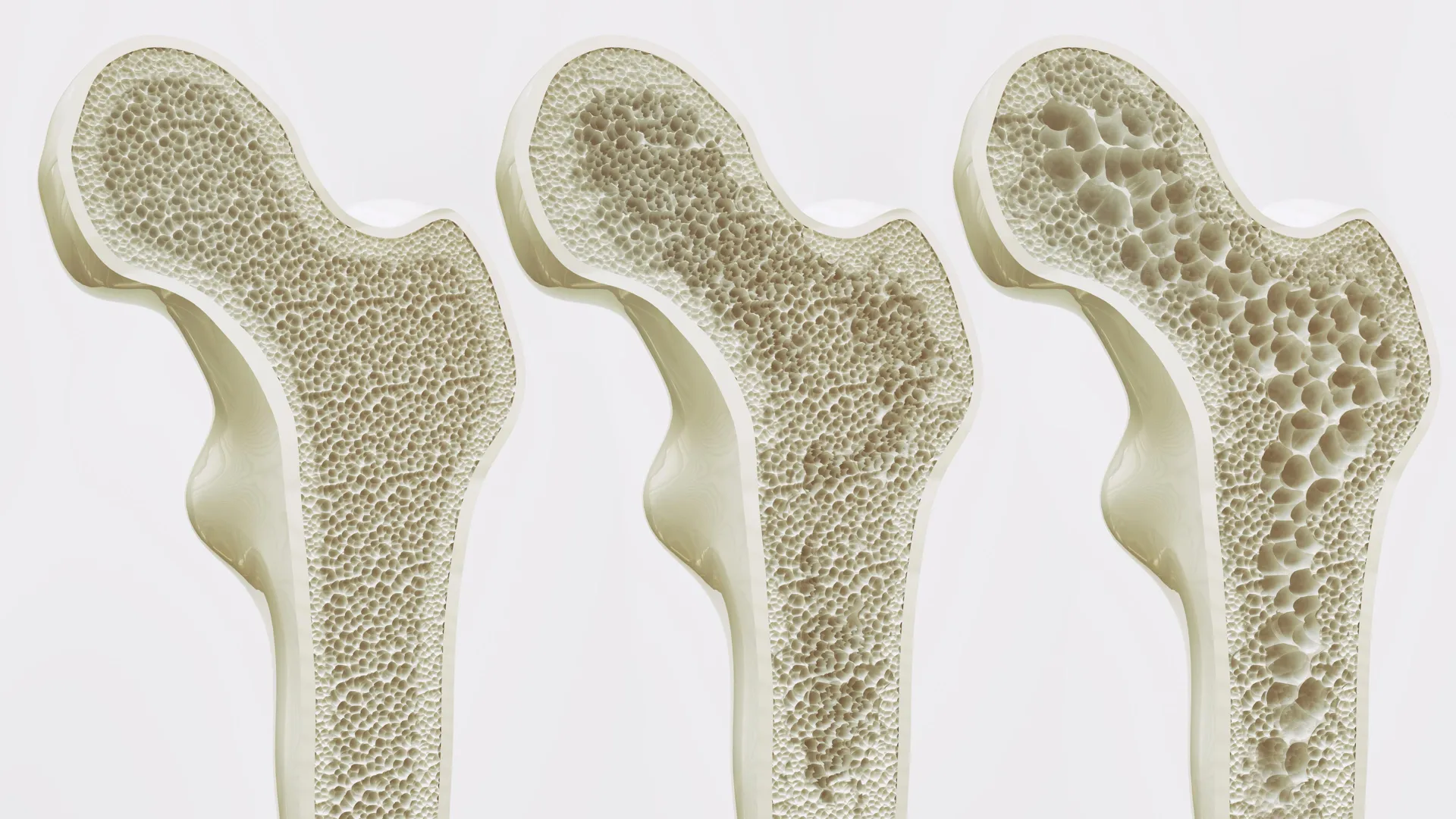
Dr. Behnan’s team hypothesized that glioblastoma might be utilizing these channels to communicate with the skull marrow. To test this, the researchers utilized advanced imaging tools and mouse models of the disease. They observed two distinct types of glioblastoma and found a consistent pattern: the presence of the tumor led to significant erosion of the skull bone.
This erosion was not random. It was most pronounced along the cranial sutures—the fibrous joints where the different bones of the skull fuse together. To ensure this was a specific reaction to glioblastoma and not a general response to brain trauma, the team compared these results with mice that had suffered strokes or other forms of brain injury. They also looked at mice with cancers located in other parts of the body. The results were definitive: the specific skull erosion was unique to glioblastoma and other highly aggressive brain tumors.
To bridge the gap between animal models and human pathology, the researchers analyzed CT scans of human glioblastoma patients. These scans confirmed the findings, revealing a marked reduction in skull thickness in human patients that mirrored the patterns seen in the laboratory mice.
The Manipulation of Skull Marrow
The erosion of the bone serves a sinister purpose for the tumor. As the skull bone thins, the microscopic channels between the skull and the brain expand in both size and number. This physical remodeling creates a "highway" for molecular signals to travel from the tumor into the bone marrow.
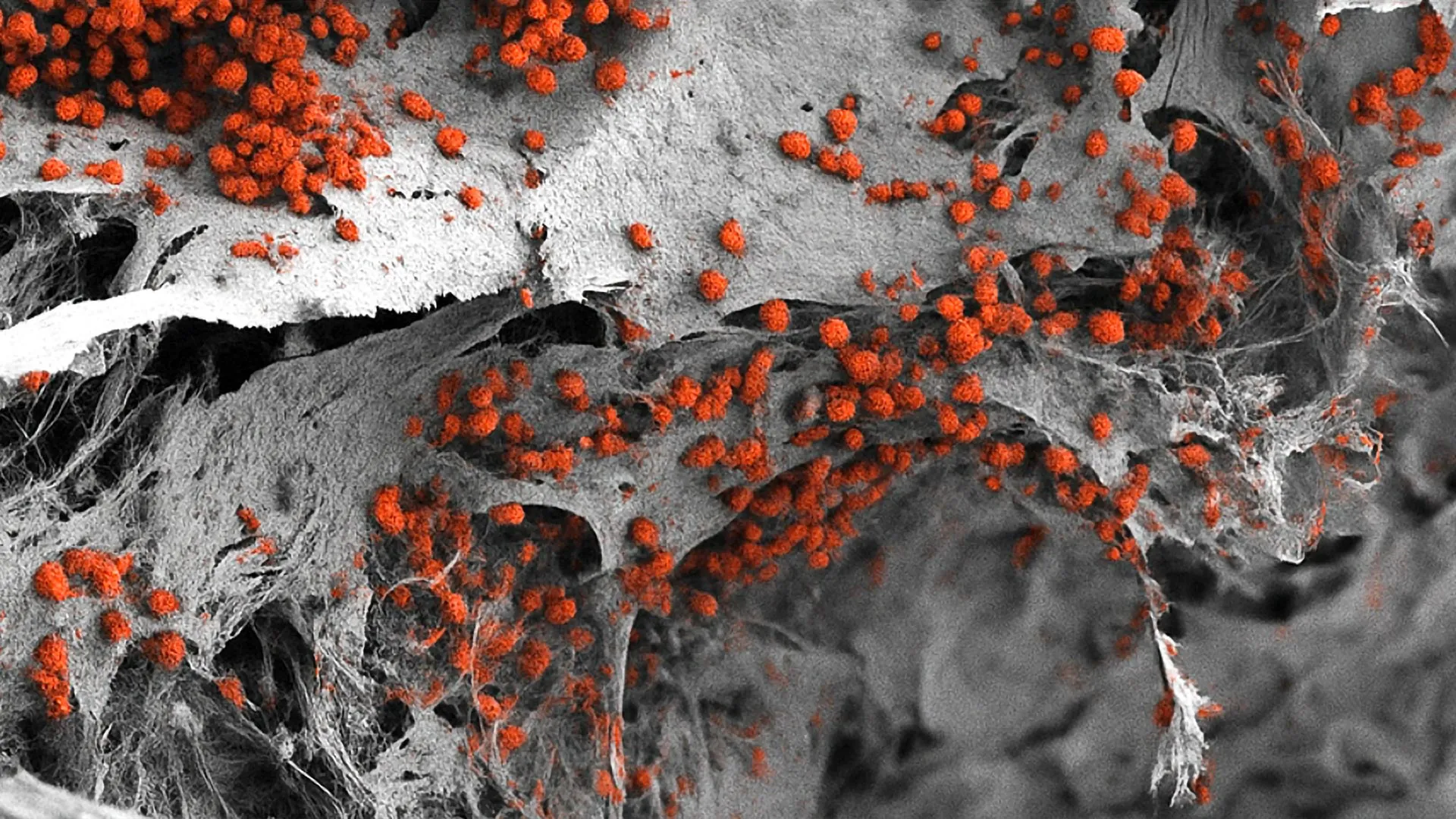
Once these signals reach the marrow, they trigger a profound shift in the production of immune cells. Using single-cell RNA sequencing—a high-resolution technique that allows scientists to see which genes are active in individual cells—the researchers mapped the immune landscape of the skull marrow. They found that glioblastoma causes a "tilt" toward a pro-inflammatory environment.
Under normal conditions, bone marrow produces a balanced variety of immune cells, including B cells (which produce antibodies) and T cells (which attack infected or cancerous cells). In the presence of glioblastoma, however, the marrow began overproducing pro-inflammatory myeloid cells, such as neutrophils. The levels of these inflammatory cells nearly doubled, while the production of essential B cells was almost entirely suppressed.
"The skull-to-brain channels allow an influx of these numerous pro-inflammatory cells from the skull marrow to the tumor, rendering the glioblastoma increasingly aggressive and, all too often, untreatable," explained study co-author E. Richard Stanley, Ph.D. These myeloid cells, while part of the body’s defense system, are often "re-educated" by the tumor to act as suppressors of the immune response, effectively creating a protective shield around the cancer that prevents the body’s natural "killer" cells from doing their job.
A Systemic Divergence: Skull vs. Long Bones
One of the most surprising aspects of the study was the discovery that glioblastoma does not affect all bone marrow equally. The researchers compared the marrow in the skull to the marrow found in the femur (thigh bone).
While the skull marrow was pushed into an overactive, pro-inflammatory state, the marrow in the femur reacted in the opposite manner. In the femur, the cancer suppressed the genes necessary for producing various immune cells. This divergence highlights the localized yet systemic manipulation of the body’s resources by the tumor. The cancer appears to specifically recruit the closest available marrow—the skull—to serve its immediate needs for inflammatory cells, while simultaneously dampening the broader immune system located in the rest of the skeleton.
This finding reinforces the argument that glioblastoma cannot be treated as a localized brain mass. It is a systemic predator that reconfigures the host’s physiology to ensure its own survival.
The Paradox of Osteoporosis Medications
Perhaps the most clinically significant finding of the study involves the use of bisphosphonates and other bone-density medications. Given that glioblastoma causes bone erosion, the researchers tested whether FDA-approved osteoporosis drugs could mitigate the damage.
They administered two common drugs: zoledronic acid (a bisphosphonate) and denosumab (a monoclonal antibody). While both drugs successfully halted the erosion of the skull bone, the secondary effects were catastrophic in the context of cancer treatment. In one type of glioblastoma model, zoledronic acid actually accelerated the progression of the tumor.
Even more concerning was the impact of these drugs on immunotherapy. The researchers tested the drugs in combination with anti-PD-L1 therapy, a form of treatment designed to "unmask" cancer cells so the immune system can attack them. They found that both osteoporosis drugs blocked the beneficial effects of the immunotherapy. By stabilizing the bone but failing to address the underlying immune imbalance, the drugs may have inadvertently preserved the "pro-tumor" environment created by the expanded channels and altered marrow.
This creates a significant dilemma for clinicians. Many cancer patients, particularly older adults, may already be taking these medications for bone health. The research suggests that for glioblastoma patients, these drugs might be doing more harm than good by interfering with the very therapies intended to save their lives.
Implications for Future Treatment Strategies
The implications of the MECCC study are far-reaching, suggesting that the next generation of glioblastoma treatments must target the "skull-marrow-brain axis."
"This indicates the need for treatments that restore the normal balance of immune cells in the skull marrow of people with glioblastoma," said Dr. Stanley. The researchers suggest that future therapeutic strategies should focus on two fronts:
- Suppression of Myeloid Recruitment: Developing drugs that prevent the tumor from signaling the skull marrow to produce inflammatory neutrophils and monocytes.
- Immune Restoration: Finding ways to restart the production of B cells and T cells within the skull marrow to provide the brain with a local source of tumor-fighting cells.
This research also calls for a re-evaluation of how clinical trials for glioblastoma are conducted. If the disease is manipulating the immune system through the skull, then systemic biomarkers—not just brain imaging—will be essential for tracking treatment efficacy.
Collaborative Effort and Acknowledgments
The study was a massive collaborative effort involving experts from various disciplines and institutions worldwide. Along with lead authors Dr. Behnan and Dr. Stanley, the team included researchers from the departments of neurological surgery, microbiology, and immunology at Albert Einstein College of Medicine.
The diverse roster of contributors included scientists from Osaka University in Japan, Karolinska Hospital in Sweden, Duke University Medical Center, the University of California, San Francisco, and the German Rheumatism Research Center in Berlin. This international cooperation underscores the global urgency of finding new solutions for glioblastoma.
As the medical community digests these findings, the focus shifts to how this "systemic" view of brain cancer can be translated into the clinic. By identifying the skull as an active participant in the disease’s progression, the MECCC team has provided a new map for researchers to follow—one that may finally lead to a breakthrough in treating this devastating illness.
The full study, titled "Brain Tumors Induce Widespread disruption of Calvarial Bone and Alteration of Skull Marrow Immune Landscape," is now available in Nature Neuroscience, serving as a foundational text for the next era of neuro-oncology research.











Leave a Reply