The United States Food and Drug Administration (FDA) has officially expanded the approved indication for Bristol Myers Squibb’s (BMS) flagship cardiovascular therapy, Camzyos (mavacamten). The regulatory milestone enables the prescription of the cardiac myosin inhibitor for both adults and pediatric patients aged 12 and older weighing at least 30 kilograms (66 pounds) who suffer from symptomatic obstructive hypertrophic cardiomyopathy (oHCM). Designed to directly target the underlying pathophysiology of the disease, the expanded indication aims to significantly improve functional capacity and alleviate debilitating symptoms in a vulnerable younger demographic during a critical stage of physical and psychological development.
This landmark decision follows a comprehensive review of clinical data, anchored primarily by the robust findings from the pivotal, double-blind, randomized Phase III SCOUT-HCM trial. The study evaluated the therapeutic safety, efficacy, and tolerability profile of Camzyos against a placebo cohort among 44 adolescent patients. The regulatory expansion reinforces the growing clinical utility of mavacamten, which has steadily transformed the treatment paradigm for obstructive hypertrophic cardiomyopathy since its initial adult approval in 2002. As Bristol Myers Squibb continues to navigate international regulatory pathways, the pediatric label expansion marks a crucial step forward in addressing previously unmet medical needs within pediatric rare disease populations.
Understanding Obstructive Hypertrophic Cardiomyopathy in Young Patients
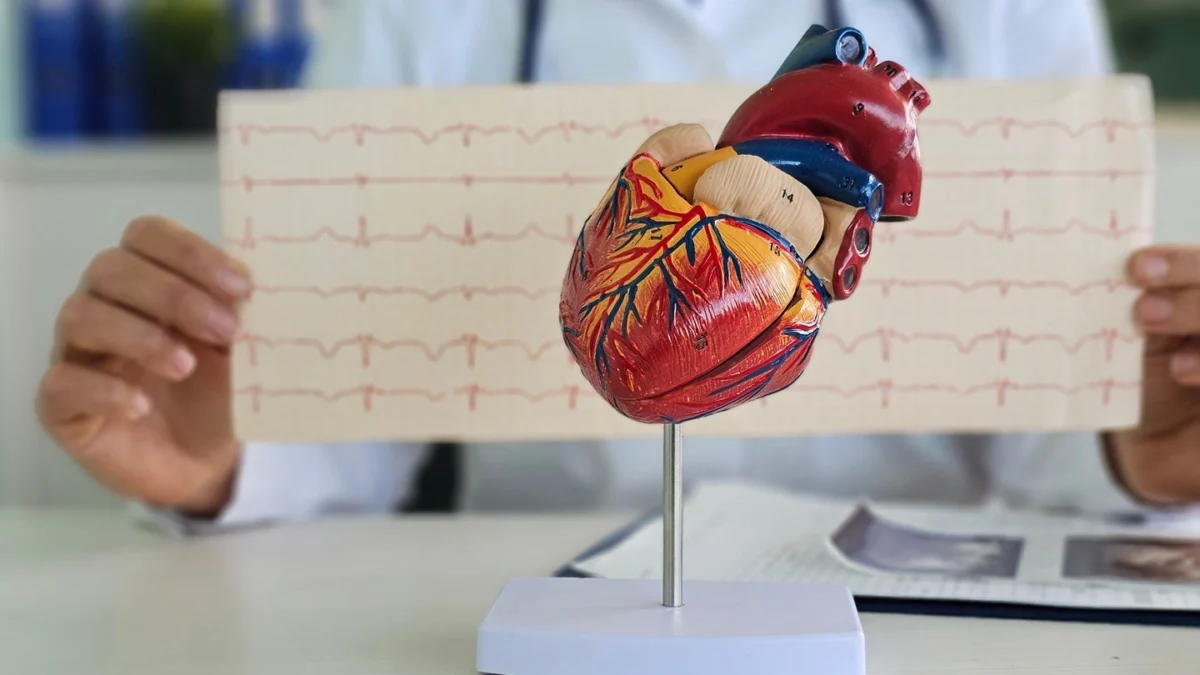
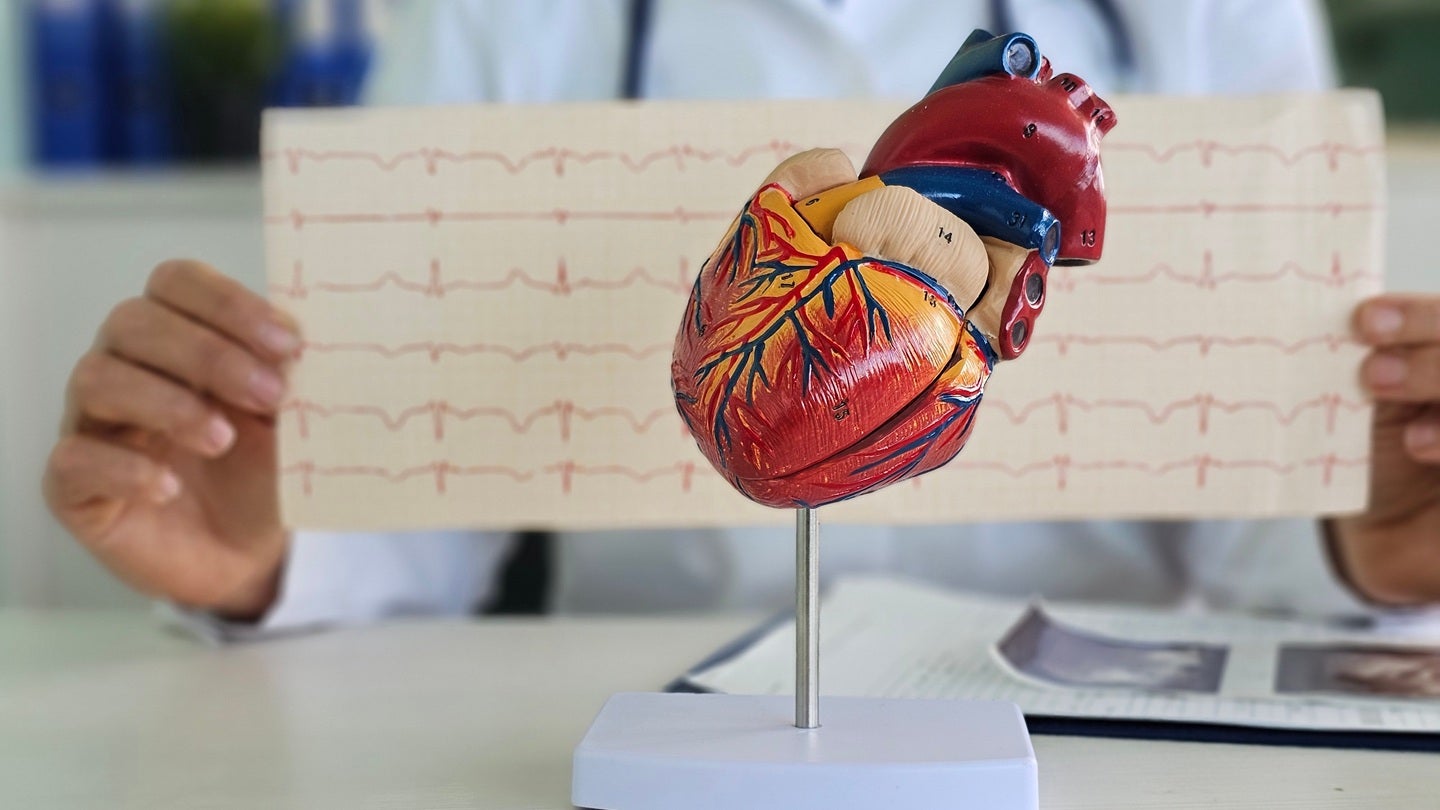
Obstructive hypertrophic cardiomyopathy is a complex, often inherited genetic cardiac disorder characterized by abnormal thickening—or hypertrophy—of the heart muscle, particularly the ventricular septum. In patients with the obstructive form of the disease, this excessive muscular growth physically obstructs blood flow from the left ventricle into the aorta, forcing the heart to work significantly harder to circulate oxygenated blood throughout the body.
While oHCM can manifest at any stage of life, diagnosis during adolescence introduces unique clinical challenges. Young patients dealing with the condition frequently experience severe, debilitating symptoms including shortness of breath, chest pain, exercise intolerance, fatigue, palpitations, and in severe cases, syncope or sudden cardiac arrest. Because adolescence is a period characterized by rapid growth, academic demands, and expanding social and physical activities, the functional limitations imposed by oHCM can severely compromise a young person’s quality of life.
Historically, treatment options for pediatric oHCM patients were severely limited. Standard medical management often relied on non-specific medications such as beta-blockers or calcium channel blockers, which primarily served to manage symptoms rather than address the underlying biomechanical hypercontractility of the heart muscle. In severe refractory cases, invasive surgical interventions—such as surgical septal myectomy—or alcohol septal ablation were considered, carrying inherent risks, particularly in pediatric anatomy. The advent of targeted cardiac myosin inhibitors like Camzyos represents a paradigm shift, offering a mechanism-based medical therapy designed to directly inhibit excessive actin-myosin cross-bridge formation, thereby reducing myocardial hypercontractility and relieving left ventricular outflow tract obstruction without invasive procedures.
The Phase III SCOUT-HCM Trial: Methodology and Clinical Outcomes
The regulatory approval granted by the FDA was fundamentally driven by the positive efficacy and safety data generated from the Phase III SCOUT-HCM clinical trial. As a double-blind, randomized, placebo-controlled study, SCOUT-HCM was meticulously designed to evaluate the impact of the cardiac myosin inhibitor in a pediatric population ranging from 12 to under 18 years of age with symptomatic oHCM.
A total of 44 adolescent patients were enrolled in the trial and randomized to receive either active treatment with Camzyos or a corresponding placebo over a structured treatment period. The primary endpoint of the trial evaluated the reduction in the Valsalva left ventricular outflow tract (LVOT) gradient at week 28 compared with baseline measurements and placebo outcomes.
Results demonstrated that Camzyos successfully achieved its primary endpoint, eliciting a statistically significant reduction in the Valsalva LVOT gradient. This physiological improvement correlates directly with eased blood flow from the heart, reduced cardiac workload, and tangible improvements in the patients’ functional capacity and daily symptom burden.
Furthermore, the trial closely monitored cardiac safety parameters, specifically focusing on left ventricular ejection fraction (LVEF), a standard measurement of the heart’s pumping efficiency. Throughout the course of the study, no patients in the active treatment arm recorded an LVEF drop below the critical safety threshold of 50%. Additionally, no adverse events were severe enough to warrant treatment discontinuation among trial participants.
Regarding broader safety metrics, serious adverse events were documented in two patients within the Camzyos treatment cohort, representing 9% of the group, and in two patients within the placebo group, representing 10%. Crucially, the trial did not identify any new or unexpected safety signals, confirming that the safety profile of mavacamten in adolescent patients remains consistent with its well-established safety profile observed in adult clinical trials and post-marketing surveillance.
Corporate and Executive Perspectives on the Pediatric Milestone
Industry leaders at Bristol Myers Squibb have emphasized the profound significance of extending advanced targeted therapies to pediatric populations who have historically lacked specialized pharmacological options. Al Reba, Senior Vice President of Immunology and Cardiovascular Commercialisation at BMS, highlighted the emotional and physical impact of the regulatory decision during his official address following the announcement.
"Today’s approval of Camzyos for paediatric patients with symptomatic obstructive hypertrophic cardiomyopathy marks an important milestone for young patients and families who are facing a serious cardiovascular disease with significant unmet medical need," Reba stated. He further elaborated on the daily realities faced by young patients, noting that the burden of managing a severe cardiac disorder during formative developmental years can be exceptionally heavy. "For young patients living with this disease, the burden on daily life can be substantial during a critical stage of development, and we are proud to help bring an innovative new treatment option to this community."
Reba also contextualized the milestone within the broader framework of clinical research and evidence generation that BMS has cultivated around the therapy. "This approval also strengthens the growing body of clinical evidence supporting Camzyos, which is the most extensively studied cardiac myosin inhibitor with up to five years of follow-up in adults, and its role in the treatment of oHCM," he added.
Evolutionary Timeline and Global Regulatory Trajectory of Camzyos
The journey of mavacamten from a novel experimental compound to a globally recognized standard of care underscores a meticulously executed clinical development and regulatory strategy by Bristol Myers Squibb and its predecessor, MyoKardia, which originally discovered the drug before being acquired by BMS in 2020.
- 2022: The FDA granted its initial landmark approval for Camzyos to treat adult patients with symptomatic New York Heart Association (NYHA) class II-III obstructive hypertrophic cardiomyopathy. This approval was heavily supported by pivotal data from the EXPLORER-HCM trial, which demonstrated significant improvements in exercise capacity, functional class, and LVOT gradients.
- Post-2022 Commercial Expansion: Following its introduction to the US market, the therapy experienced rapid adoption across the cardiology community. To date, more than 5,000 specialized healthcare providers have prescribed Camzyos to over 25,000 patients across the United States.
- International Approvals: Building upon its US success, BMS pursued regulatory clearances across international territories. Camzyos has successfully secured approvals in more than 60 countries worldwide. This global expansion has been underpinned by regional Phase III trials, including the EXPLORER-CN study conducted in China and the HORIZON-HCM study in Japan, demonstrating consistent therapeutic efficacy across diverse genetic and ethnic patient populations.
- Pediatric Development and Current Approval: With the successful completion and filing of the SCOUT-HCM trial data, the FDA’s recent expansion now incorporates adolescents aged 12 to 17 weighing at least 30kg. Bristol Myers Squibb has indicated that it is actively engaged in discussions with other international regulatory bodies, such as the European Medicines Agency (EMA) and health authorities in Asia, regarding potential pediatric label expansions in foreign markets.
Broader Portfolio Context and Strategic Implications for Bristol Myers Squibb
The expansion of Camzyos arrives at a time of broader strategic evolution and regulatory momentum within Bristol Myers Squibb’s diversified drug portfolio. While cardiovascular medicine remains a cornerstone of the company’s long-term commercial strategy—exemplified by the sustained growth of Camzyos—BMS has simultaneously achieved major clinical and regulatory breakthroughs across other therapeutic areas, notably oncology and immunology.
In August 2026, the FDA granted accelerated approval to another prominent BMS asset, Zenbexus (iberdomide), administered in combination with daratumumab and hyaluronidase-fihj and dexamethasone (ZDd), for the treatment of adult patients with multiple myeloma who have received prior lines of therapy. This dual advancement in both specialized cardiovascular care for rare pediatric populations and cutting-edge oncology therapeutics underscores the company’s robust research and development engine.
From a health economics and market access perspective, the pediatric approval of Camzyos alters the competitive landscape for genetic heart diseases. By establishing a clear, evidence-based pediatric indication, BMS secures early brand loyalty and therapeutic integration within specialized pediatric cardiology centers. Early intervention in oHCM during adolescence has the potential to alter the long-term structural remodeling of the heart, potentially mitigating the progression toward end-stage heart failure or reducing the necessity for invasive surgical procedures later in life.
Future Outlook and Ongoing Clinical Surveillance
As Camzyos transitions into clinical practice for adolescent patients, the medical community will closely monitor real-world safety data and long-term outcomes. Post-marketing pharmacovigilance programs and continued follow-up from the open-label extension phases of the SCOUT-HCM trial will provide valuable longitudinal insights into the durability of treatment responses, optimal dosing strategies, and the potential for long-term myocardial reverse remodeling in pediatric cohorts.
Furthermore, healthcare providers will need to implement rigorous monitoring protocols—specifically regarding echocardiographic assessments of left ventricular ejection fraction—to ensure that the potent contractility-reducing mechanism of the cardiac myosin inhibitor is balanced against individual patient cardiac function. Specialized multidisciplinary care teams, comprising pediatric cardiologists, genetic counselors, and specialized heart failure nurses, will play a pivotal role in managing these young patients and optimizing their therapeutic regimens.
In conclusion, the FDA’s decision to approve Camzyos for pediatric patients with symptomatic obstructive hypertrophic cardiomyopathy represents a major advancement in pediatric cardiology. By bridging the gap between adult and pediatric rare disease management, Bristol Myers Squibb has provided a scientifically validated, mechanism-based therapeutic option that promises to alleviate the physical and emotional burdens of oHCM for adolescent patients and their families, setting a new benchmark for clinical innovation in inherited cardiovascular disorders.