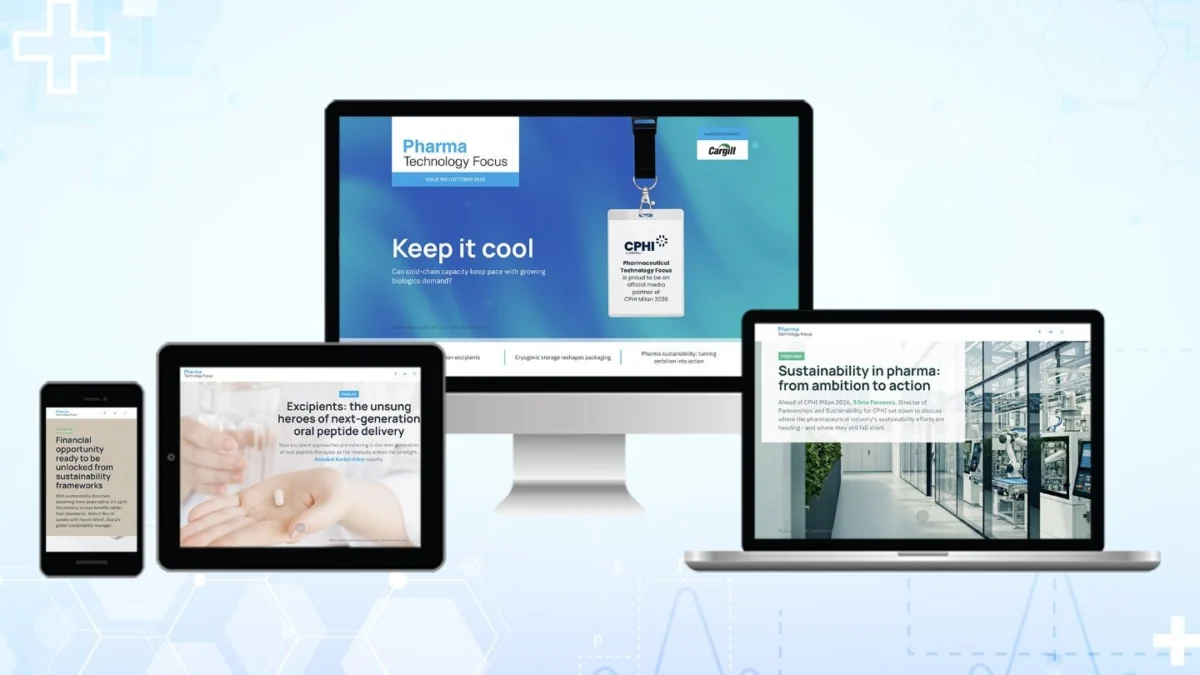
The contemporary pharmaceutical landscape exists in a perpetual state of high-velocity transformation, pulled in multiple directions by technological innovation, complex regulatory frameworks, geopolitical friction, and shifting global disease burdens. Industry leaders are tasked with balancing the rapid commercialization of advanced therapeutic modalities with the foundational necessity of operational resilience. As the sector accelerates toward the middle of the decade, momentum remains exceptionally robust, driven by surging demand for personalized medicine, advanced biologics, and novel drug delivery systems. This dynamic environment serves as the backdrop for the latest edition of Pharmaceutical Technology Focus, which delivers an in-depth examination of the pivotal trends, technological breakthroughs, and supply chain paradigms defining modern drug development and manufacturing.
At the epicenter of these industry-wide shifts is CPHI, the premier global pharmaceutical event, which continues to act as a vital barometer for the sector’s strategic direction. The 2026 edition of the conference arrives at a critical juncture, marked by structural realignments across manufacturing, logistics, and environmental stewardship. By dissecting the core themes of CPHI 2026—ranging from the logistical intricacies of cold-chain expansion to the operational realities of GLP-1 manufacturing shifts and the maturation of cryogenic packaging—industry stakeholders are gaining unprecedented clarity on how to navigate an increasingly complex global marketplace.
The Cold Chain Revolution and the Biologics Boom
The rapid ascendance of biologics, monoclonal antibodies, and advanced cell and gene therapies (CGTs) has fundamentally rewritten the rules of pharmaceutical distribution. Unlike traditional small-molecule drugs, which are chemically stable and typically resilient to moderate temperature fluctuations, biologic treatments are structurally intricate macromolecular entities highly susceptible to thermal degradation. Consequently, cold-chain logistics has transitioned from a routine back-office operational function to a primary determinant of commercial success and patient safety.
Recognizing this paradigm shift, the organizers of CPHI 2026 have introduced Cold Chain & Logistics as one of four dedicated new zones on the exhibition floor. This specialized arena addresses the sophisticated infrastructure required to store, transport, monitor, and deliver temperature-sensitive therapeutics across increasingly fragmented global supply networks.
Recent market analytics underscore the urgency of this transition. The global pharmaceutical cold chain logistics market, valued at approximately $20 billion in recent years, is projected to scale aggressively, driven by a compound annual growth rate (CAGR) exceeding 8% through the end of the decade. This expansion is fueled not only by the commercial success of blockbuster biologics but also by the geographic decentralization of clinical trials and healthcare delivery, which requires reliable last-mile delivery to remote and emerging markets.
Industry experts emphasize that modern cold-chain management extends far beyond insulated packaging and refrigerated trucks. It requires an integrated ecosystem of real-time Internet of Things (IoT) sensors, predictive analytics, and blockchain-enabled tracking systems to maintain continuous temperature oversight—often referred to as continuous thermal mapping—from the manufacturing cleanroom to the point of care. Any excursion outside established thermal parameters can compromise product efficacy, resulting in substantial financial losses and, more critically, delayed patient treatment.
Integrating Sustainability from Ambition to Action
Environmental sustainability has matured from a corporate social responsibility talking point into an urgent operational and regulatory imperative for the pharmaceutical sector. Historically recognized as a resource-intensive industry characterized by high energy consumption, extensive water usage, and substantial single-use plastic waste generation, pharma is under mounting pressure from governments, investors, and consumers to decarbonize its operations.
To address these challenges directly, CPHI 2026 features the inaugural CPHI Sustainability Summit. This dedicated two-day forum brings together sustainability officers, supply chain directors, regulatory experts, and manufacturing leaders to translate high-level corporate net-zero ambitions into measurable, collaborative action across the entire value chain.
The environmental footprint of pharmaceutical manufacturing is heavily concentrated in Scope 3 emissions—indirect emissions that occur in the value chain of the reporting company, including upstream supply and downstream transportation. Addressing Scope 3 emissions requires unprecedented levels of transparency and cooperation between drug developers, active pharmaceutical ingredient (API) suppliers, contract development and manufacturing organizations (CDMOs), and packaging vendors.
Key areas of focus at the summit include the adoption of circular economy principles in pharmaceutical packaging, the transition to renewable energy sources within manufacturing facilities, and the reduction of solvent usage through green chemistry innovations. According to recent life-cycle assessments conducted across major manufacturing hubs, optimizing facility energy efficiency and redesigning secondary and tertiary packaging can reduce a product’s carbon footprint by up to 30%. However, achieving industry-wide targets will require standardized metrics and shared investments in sustainable infrastructure, ensuring that environmental responsibility does not compromise product quality or patient safety.
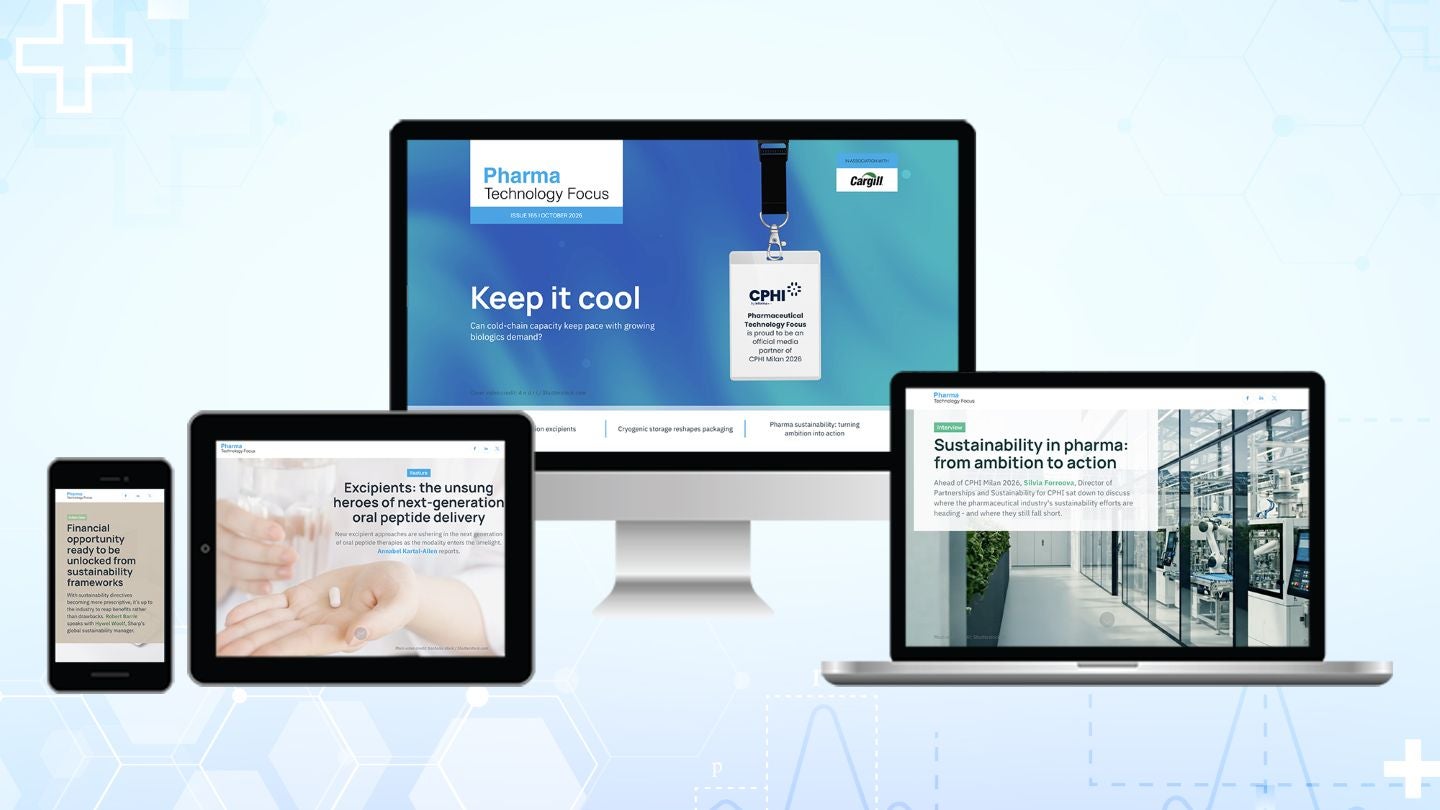
Geopolitical Disruption and Supply Chain Resilience
Supply chain resilience remains a dominant concern for pharmaceutical executives navigating a volatile global landscape. Over the past several years, a convergence of geopolitical tensions, trade disputes, post-pandemic recovery adjustments, and localized manufacturing bottlenecks has exposed the vulnerabilities of lean, centralized global supply chains.
In response, pharmaceutical companies are fundamentally restructuring their sourcing and manufacturing strategies. The prevailing industry movement favors regionalization and dual-sourcing models over pure cost-efficiency models that rely on single-source suppliers for critical raw materials and APIs. By establishing regional manufacturing hubs closer to core patient populations, companies can significantly mitigate the risks associated with maritime trade disruptions, customs delays, and sudden regulatory shifts.
Capacity constraints continue to challenge the sector, particularly within specialized contract manufacturing sectors. The unprecedented demand for advanced therapies and blockbuster preventative treatments has strained existing facility capacity, leading to extended lead times for clinical and commercial supply. Consequently, pharmaceutical companies are increasingly forging long-term strategic partnerships with CDMOs, locking in dedicated capacity years in advance and co-investing in state-of-the-art manufacturing facilities equipped with flexible, modular production lines.
Next-Generation Oral Peptides and Excipient Innovation
While injectables have traditionally dominated the delivery landscape for biologics and peptides, significant scientific and technological strides are being made in oral drug delivery. Delivering peptides orally has long been considered the "holy grail" of pharmaceutical formulation, given that these large, fragile molecules are typically degraded by the harsh enzymatic environment of the gastrointestinal tract before they can be systematically absorbed.
Recent advancements in novel excipient technologies are beginning to overcome these physiological barriers. Researchers and formulation scientists are developing sophisticated functional excipients—such as permeation enhancers, enzyme inhibitors, and protective polymer matrices—that shield peptide molecules through the stomach and facilitate their transport across the intestinal epithelium into the bloodstream.
The implications of successful oral peptide delivery are profound. By transitioning patients from frequent subcutaneous injections to convenient daily or weekly oral tablets, adherence rates are expected to rise dramatically, particularly in chronic disease management areas such as metabolic disorders, endocrinology, and oncology. The ongoing evolution of excipient science underscores how foundational chemistry continues to unlock entirely new therapeutic modalities without requiring a complete redesign of the active pharmaceutical ingredient itself.
Cryogenic Storage and the Redefinition of Container Integrity
In the realm of cell and gene therapies (CGTs), the primary container has ceased to be a passive vessel and has instead become an active, integrated component of the therapeutic product itself. Because many advanced therapies must be preserved at ultra-low cryogenic temperatures—often ranging from -130°C to -196°C utilizing liquid nitrogen systems—traditional packaging materials frequently fail due to thermal shock, micro-fracturing, or seal degradation.
This operational reality has triggered a comprehensive industry-wide rethink of what "container closure integrity" (CCI) truly means. Cryogenic storage conditions demand advanced material science innovations, including specialized polymers and engineered glass formulations designed to withstand extreme thermal contractions without compromising sterility or mechanical strength.
Furthermore, the traceability of these high-value, patient-specific therapies requires advanced digital integration at the packaging level. Vial-level cryo-labels embedded with unique identifiers, RFID tags, and tamper-evident features ensure complete chain of custody and identity verification throughout the cryogenic supply chain. As regulatory scrutiny over advanced therapy manufacturing intensifies, maintaining uncompromised container integrity under cryogenic conditions is non-negotiable for securing market authorization and ensuring patient safety.
Industry Implications and Future Outlook
The convergence of these trends—cold chain expansion, sustainability integration, supply chain regionalization, oral peptide formulation, and cryogenic packaging innovation—paints a picture of an industry undergoing profound structural maturation. Pharmaceutical organizations can no longer operate in functional silos; successful navigation of the current landscape requires an integrated, multidisciplinary approach that harmonizes scientific R&D, advanced engineering, rigorous logistics management, and proactive environmental stewardship.
As industry stakeholders convene to evaluate these developments, the overarching consensus is clear: resilience, adaptability, and collaboration are the ultimate currencies of modern pharma. By embracing technological disruption and proactively addressing operational vulnerabilities, the pharmaceutical sector is positioning itself to deliver the next generation of life-saving therapeutics more efficiently, sustainably, and reliably than ever before.