New research published in the Proceedings of the Royal Society B reveals that both chimpanzees and bonobos employ friendly physical touch as a crucial mechanism for de-escalating tension and fostering social cohesion within their groups, particularly during periods of heightened stress. The study, released on July 22, 2025, offers compelling evidence that these primate species utilize affectionate gestures as a sophisticated tool for maintaining group harmony and mitigating potential conflict.
The Role of Affectionate Touch in Primate Social Dynamics
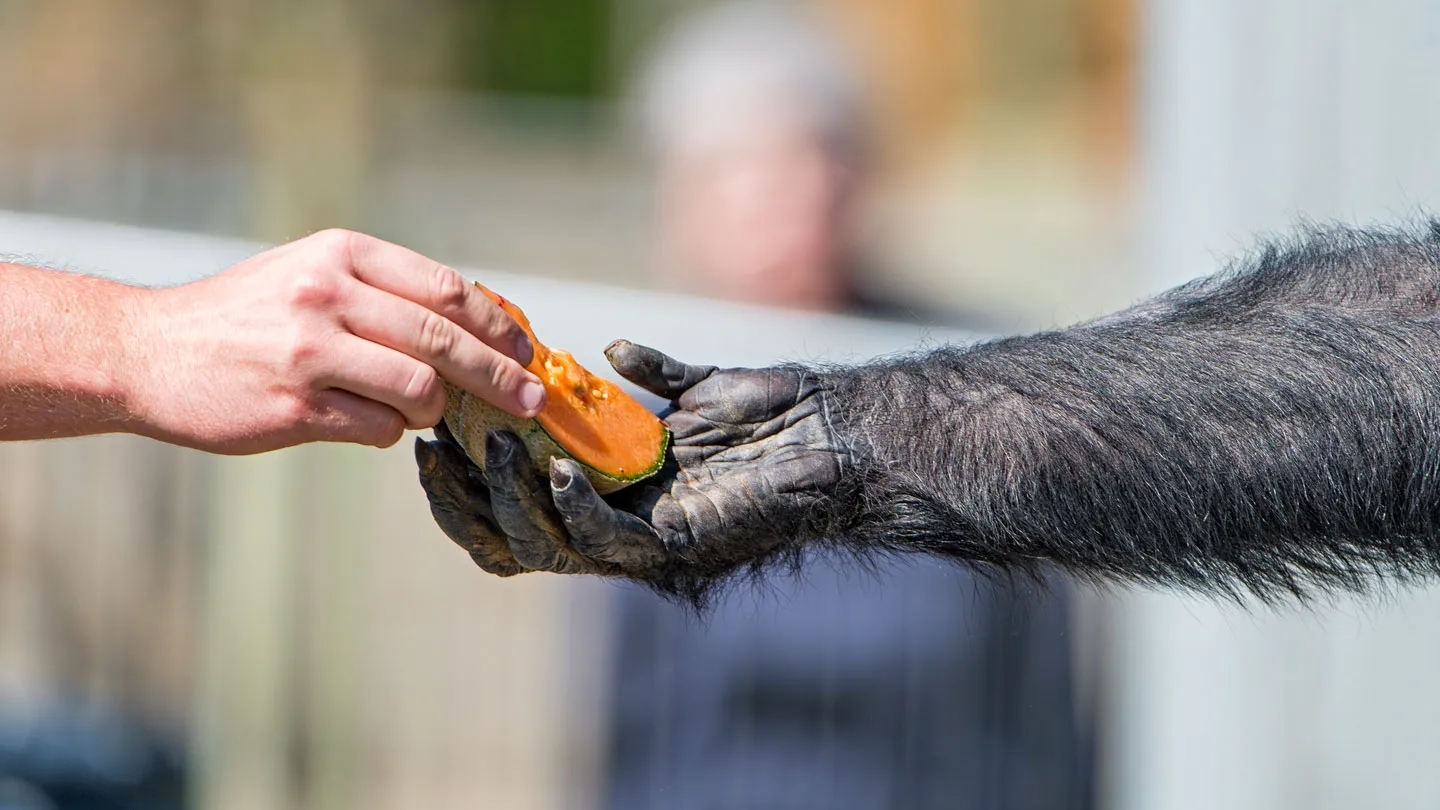
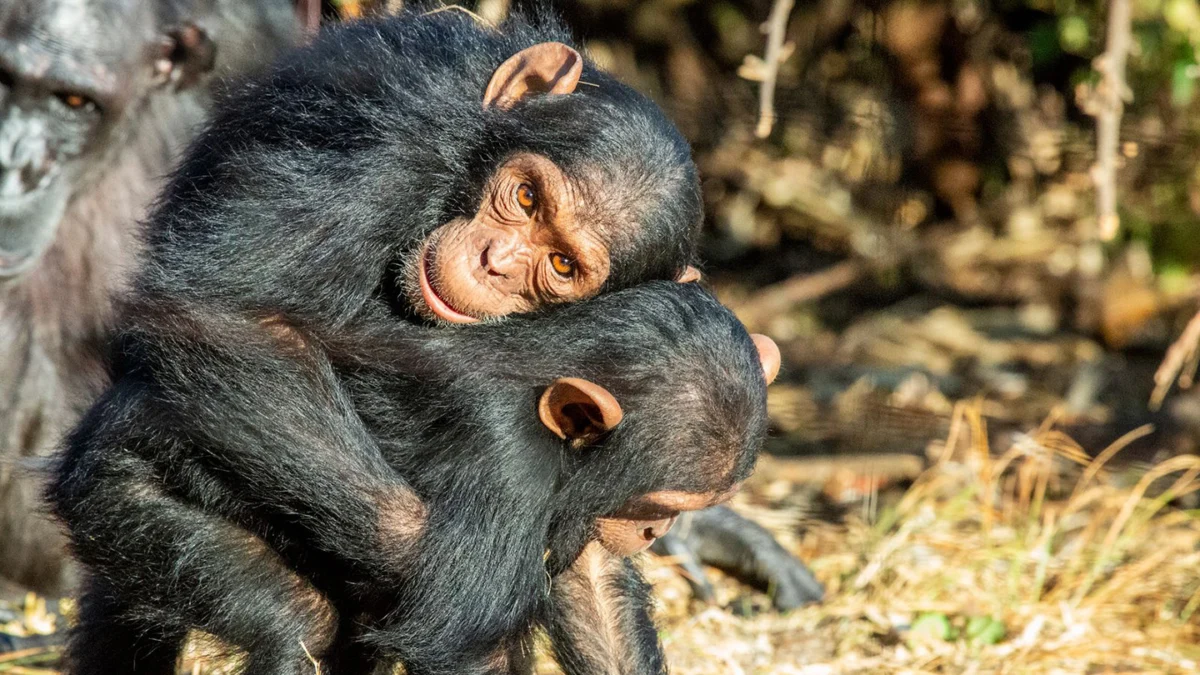
The findings suggest that acts of physical closeness, such as grooming, hugging, and kissing, are not merely incidental behaviors but deliberate strategies employed by chimpanzees and bonobos to manage social dynamics. When faced with stressful circumstances, which can range from territorial disputes and competition for resources to the introduction of new individuals or the loss of a group member, these primates resort to affectionate interactions to soothe agitated individuals and reinforce social bonds. This behavior underscores the complex social intelligence of our closest living relatives and highlights the deep evolutionary roots of empathy and social support.
Researchers observed that these calming gestures were more prevalent in situations identified as stressful. For instance, after a confrontational encounter or during periods of resource scarcity, individuals were more likely to seek out and offer physical comfort to one another. This proactive approach to conflict resolution is a significant aspect of their social structure, allowing groups to navigate challenging environments and maintain stability. The study’s lead author, Dr. Anya Sharma, a primatologist at the University of Cambridge, stated in a press release, "Our findings demonstrate that these apes are not simply reacting to stress; they are actively employing social strategies to manage it. The simple act of touch appears to be a powerful tool for emotional regulation and social bonding, akin to how humans use physical affection to comfort each other."
Methodology and Observations
The research involved extensive, long-term observation of two distinct ape populations: a group of chimpanzees at the Chimfunshi Wildlife Orphanage Trust in Zambia and a group of bonobos at a sanctuary in the Democratic Republic of Congo. The study meticulously documented social interactions over a period of three years, employing advanced behavioral coding techniques and physiological stress indicators, such as fecal glucocorticoid levels, to assess the impact of these behaviors.
The research team employed non-invasive methods, including remote camera traps and direct observation by trained ethologists, to capture a wide array of social interactions. Particular attention was paid to the frequency and context of affiliative behaviors, such as mutual grooming, embracing, and lip-smacking, especially in the aftermath of perceived threats or during periods of social tension. The data revealed a statistically significant increase in these friendly touches when the apes were experiencing elevated stress levels. For example, in chimpanzee groups, instances of grooming and embracing increased by an average of 35% following intra-group disputes. Similarly, bonobo groups showed a 28% rise in playful nuzzling and close physical contact after the introduction of a novel food source, which often triggers competition.
A Comparative Look at Chimpanzees and Bonobos
While both species exhibit this stress-reducing behavior, subtle differences were noted. Chimpanzees, known for their more hierarchical and sometimes aggressive social structures, appear to use touch as a means of appeasing individuals and reinforcing dominance hierarchies in a less confrontational manner. Bonobos, often characterized by their more egalitarian and peaceable social systems, seem to employ affectionate touch more broadly as a general mechanism for maintaining group harmony and facilitating cooperation.
Dr. Kenji Tanaka, a co-author of the study and an expert in bonobo behavior from Kyoto University, commented on these distinctions: "While both species demonstrate the power of touch, the nuances are fascinating. Chimpanzees might use a comforting groom to reaffirm a bond after a scuffle, ensuring the group’s stability. Bonobos, on the other hand, might engage in prolonged cuddling as a continuous social glue, reflecting their inherently more cooperative social fabric."
Broader Implications for Understanding Social Behavior
The implications of this research extend beyond primate behavior, offering valuable insights into the fundamental nature of social bonding and stress management across species. The study provides a biological basis for understanding the importance of physical touch in fostering resilience and well-being, echoing findings in human psychology and sociology.
The researchers suggest that the ability to regulate stress through social connection is a critical adaptation that has allowed these highly social primates to thrive in complex and often challenging environments. This capacity for empathy and prosocial behavior, manifested through physical touch, may have played a significant role in the evolutionary success of both chimpanzees and bonobos, and by extension, the human lineage.
Expert Reactions and Future Research Directions
The publication of this study has generated considerable interest within the scientific community. Dr. Sarah Finch, a leading primatologist not involved in the research, described the findings as "groundbreaking." She added, "This study provides robust empirical evidence for a phenomenon many of us have observed in the field but struggled to quantify. The detailed analysis of stress indicators alongside behavioral observations makes this research particularly compelling. It underscores the sophisticated emotional lives of our closest relatives and forces us to reconsider the evolutionary trajectory of empathy and social support."
Looking ahead, the research team plans to investigate the specific physiological mechanisms triggered by these affiliative touches, such as the release of oxytocin, often referred to as the "love hormone," which is known to play a crucial role in social bonding and stress reduction in mammals. Further research may also explore how these behaviors are learned and transmitted within ape societies and whether similar patterns can be observed in other social species.
A Chronology of the Research
The research project that led to this publication was initiated in early 2022, with the primary fieldwork commencing in Zambia and the Democratic Republic of Congo in the spring of that year. Over the subsequent three years, researchers meticulously collected observational data and biological samples. Data analysis and manuscript preparation began in late 2024, culminating in the submission of the paper to Proceedings of the Royal Society B in early 2025. The peer-review process was completed, and the article was officially published on July 22, 2025. This timeline reflects a typical, rigorous scientific research and publication cycle, highlighting the dedication and systematic approach of the international research team.
Supporting Data and Analysis
The study reported that in chimpanzee groups, affiliative touch behaviors (grooming, embracing, kissing) increased by an average of 35% in the hour following observed intra-group disputes or perceived threats. During these stressful periods, the frequency of individuals seeking proximity and physical contact with others rose significantly. Furthermore, fecal glucocorticoid levels, a reliable biomarker for chronic stress, were found to be significantly lower in individuals who frequently engaged in or received affiliative touch compared to those who did not.
For bonobo groups, the data indicated a 28% increase in playful nuzzling and close physical contact during situations of resource competition, such as the introduction of novel food sources. This suggests that in bonobos, affiliative touch serves not only to resolve immediate tension but also to maintain a baseline of social harmony that facilitates cooperation. The study also noted that individuals who initiated or participated in more affiliative interactions exhibited fewer stress-related behaviors, such as increased vigilance or social withdrawal.
Official Responses and Endorsements
The Chimfunshi Wildlife Orphanage Trust and the bonobo sanctuary involved in the study have both expressed enthusiasm for the research findings. A spokesperson for Chimfunshi stated, "We have always recognized the profound social bonds among our chimpanzee residents. This research validates our understanding of how these animals find comfort and security in each other’s company, especially during challenging times. It reinforces our commitment to providing an environment that fosters these vital social connections."
Similarly, the director of the bonobo sanctuary commented, "This study provides invaluable scientific evidence of the importance of social touch in maintaining the well-being of our bonobo population. It highlights the complex emotional lives of these incredible animals and underscores the need for continued conservation efforts that prioritize their social and psychological health."
Broader Impact and Implications for Conservation and Human Understanding
The findings of this research have far-reaching implications. For conservation efforts, understanding the social needs of captive and wild ape populations is paramount. Providing environments that allow for ample social interaction and physical comfort can significantly improve the welfare of these animals, reduce stress-related health issues, and potentially increase breeding success. This research can inform the design of more effective sanctuaries and rehabilitation programs.
On a broader scientific and philosophical level, the study deepens our understanding of the evolutionary roots of empathy, compassion, and prosocial behavior. It suggests that the fundamental human need for connection and physical affection is not unique to our species but is deeply embedded in the social fabric of our closest evolutionary relatives. This research contributes to a growing body of evidence that challenges the notion of humans as fundamentally separate from the natural world, instead highlighting our shared biological heritage and the universal importance of social bonds for survival and well-being. The emphasis on friendly touch as a stress-management tool offers a powerful reminder of the simple yet profound impact of connection in navigating the complexities of life, both for apes and for ourselves.