Researchers from the Department of Medicine at the School of Clinical Medicine, LKS Faculty of Medicine, University of Hong Kong (HKUMed) have reached a groundbreaking milestone in musculoskeletal science by identifying a specific biological process that explains how physical activity maintains skeletal integrity. The discovery of a protein known as Piezo1, which functions as the body’s internal "exercise sensor," provides a definitive link between mechanical movement and bone density. This breakthrough, published in the prestigious journal Signal Transduction and Targeted Therapy, offers a revolutionary pathway for developing "exercise mimetics"—pharmacological treatments that could replicate the physiological benefits of physical activity for those unable to perform it, such as the elderly, bedridden patients, and individuals with chronic disabilities.
The Global Crisis of Osteoporosis and Bone Fragility
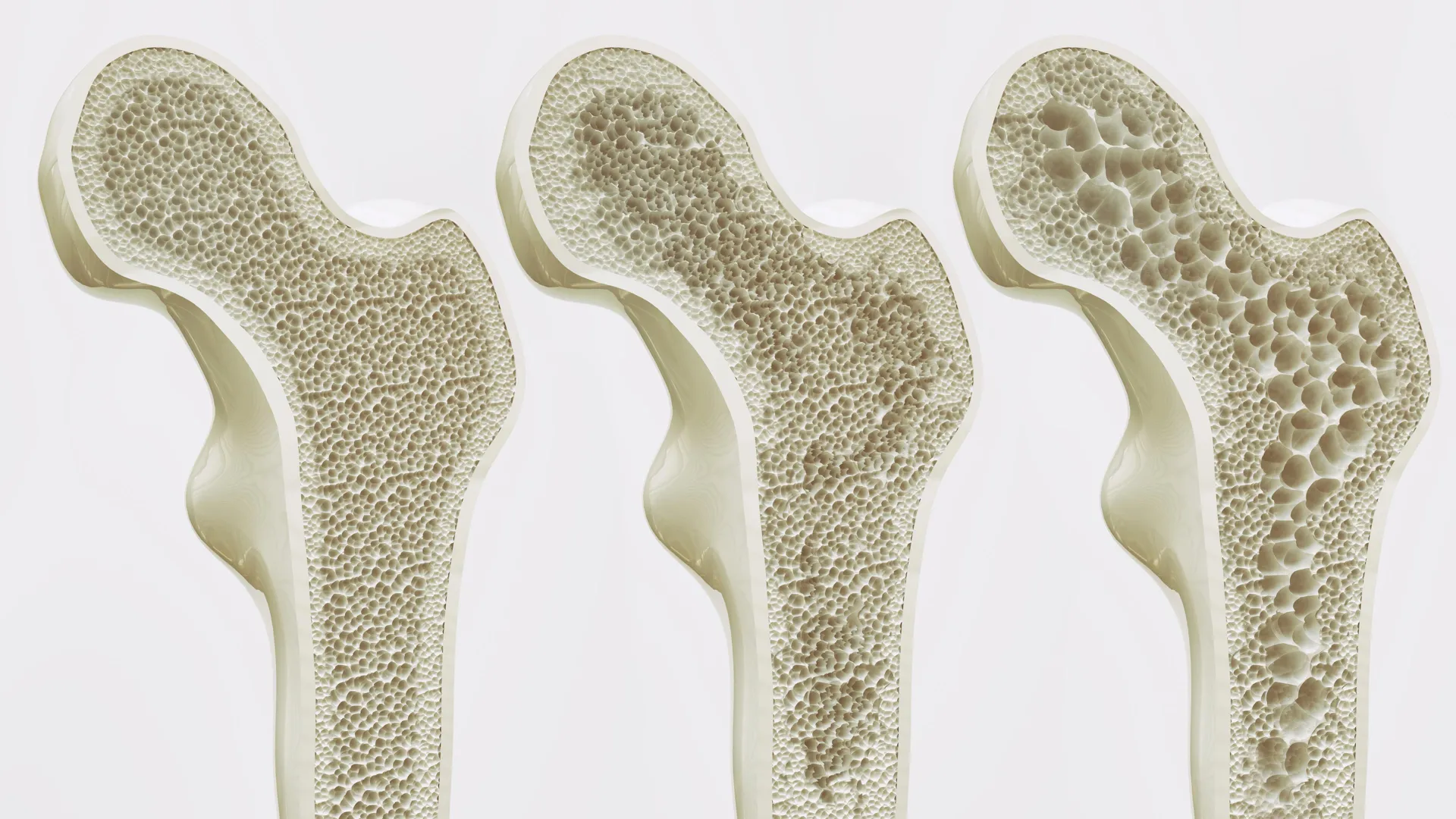
Osteoporosis is frequently referred to as a "silent epidemic" because bone loss occurs without symptoms until a fracture takes place. According to the World Health Organization (WHO), osteoporosis is second only to cardiovascular disease as a global healthcare priority. Statistically, one in three women and one in five men over the age of 50 will suffer an osteoporotic fracture during their lifetime. These injuries are not merely physical setbacks; they are life-altering events. Hip fractures, in particular, are associated with a 20% mortality rate within the first year and leave over 50% of survivors with permanent disability.
In the specific context of Hong Kong, the challenge is magnified by one of the world’s fastest-aging populations. Current data indicates that osteoporosis affects approximately 45% of women and 13% of men aged 65 and older in the territory. As the demographic shift continues, the burden on the public healthcare system is expected to escalate exponentially. The HKUMed study addresses this urgency by seeking to understand the molecular "language" of bone, specifically how the skeletal system translates the mechanical stress of walking, running, or lifting into the production of new bone tissue.
The Biological Tug-of-War: Bone vs. Fat
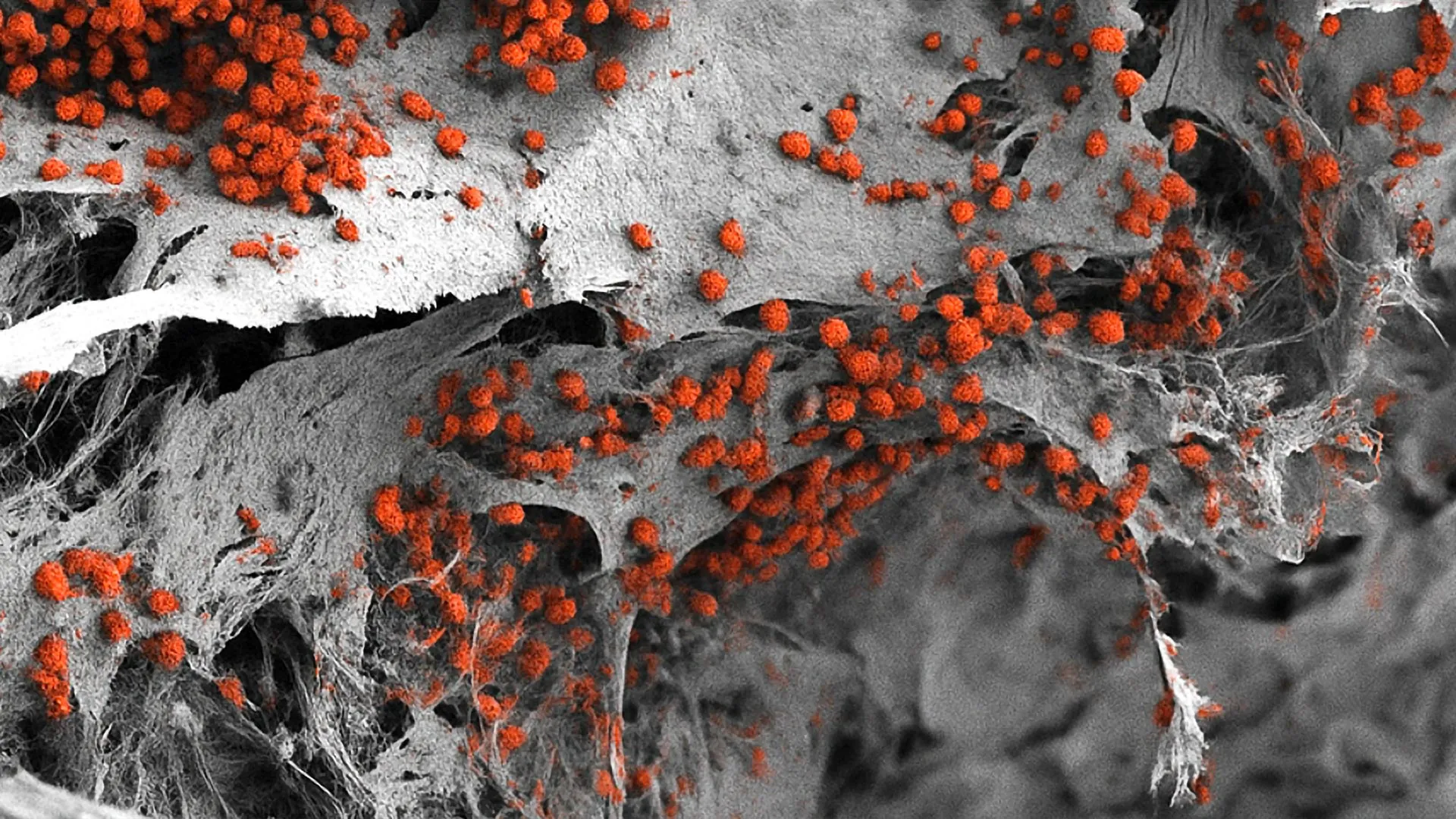
At the heart of bone health are mesenchymal stem cells (MSCs) located within the bone marrow. These versatile cells possess the unique ability to differentiate into various types of tissue, primarily osteoblasts (bone-forming cells) or adipocytes (fat cells). In a healthy, active individual, mechanical signals from physical activity encourage MSCs to become bone cells, maintaining a dense and sturdy skeletal structure.
However, the aging process disrupts this delicate equilibrium. As humans age or become sedentary, the biological "switch" shifts. Instead of producing bone, the MSCs increasingly differentiate into fat cells. This accumulation of marrow fat does more than just take up space; it actively crowds out healthy bone tissue and creates a pro-inflammatory environment that further accelerates bone degradation. This metabolic shift is a primary driver of age-related bone loss, making bones porous, brittle, and highly susceptible to fractures even from minor falls.
Piezo1: The Molecular Mechanical Sensor
The HKUMed research team, led by Professor Xu Aimin, Director of the State Key Laboratory of Pharmaceutical Biotechnology, focused their investigation on how cells "feel" gravity and movement. Through sophisticated experiments involving mouse models and human stem cell cultures, they identified the Piezo1 protein as the primary mechanical sensor on the surface of mesenchymal stem cells.
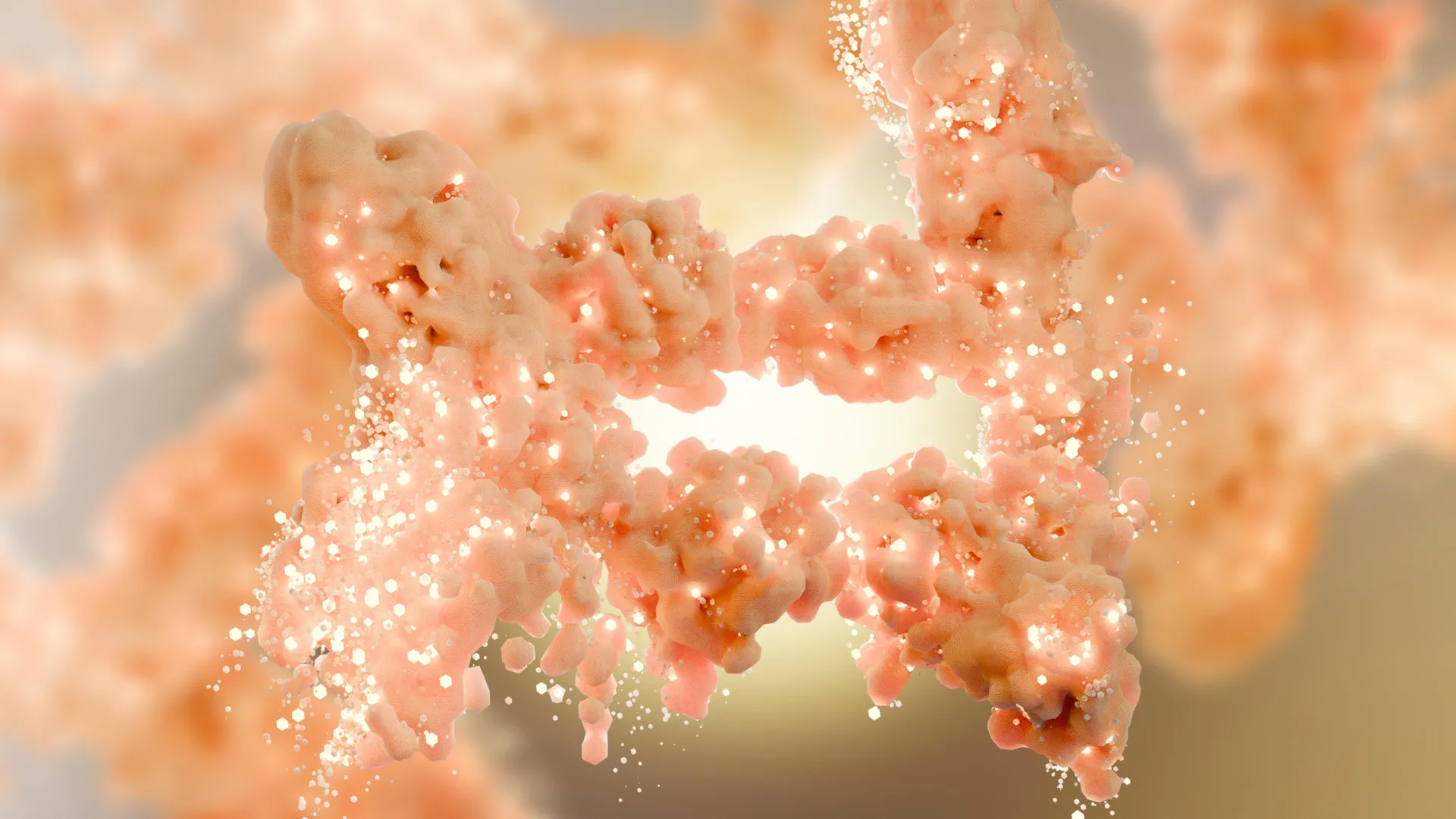
Piezo1 acts like a biological transducer. When a person moves, the physical pressure and fluid shear stress in the bone marrow activate Piezo1. Once triggered, this protein initiates a cascade of chemical signals that instruct the stem cell to transform into bone rather than fat. The study demonstrated that in mice where Piezo1 was highly active through regular physical stimulation, bone marrow fat was significantly reduced, and bone density was preserved.
Conversely, the team found that when Piezo1 was absent or inhibited, the results were catastrophic for bone health. Without this sensor, the body fails to recognize mechanical stimuli. The stem cells default to producing fat, and the bones rapidly lose density. Furthermore, the absence of Piezo1 was found to trigger the release of specific inflammatory signals, namely Ccl2 and lipocalin-2. These molecules act as "distress signals" that further push stem cells toward fat production and actively interfere with the bone-building process.
Experimental Evidence and Data Analysis
The research utilized a multi-disciplinary approach to validate these findings. By employing "knockout" mouse models—where the gene responsible for Piezo1 was deactivated—the researchers were able to observe a direct correlation between the protein’s absence and the onset of osteoporosis-like symptoms. The data revealed that these mice showed a significant increase in marrow adiposity (fat accumulation) and a marked decrease in trabecular bone volume compared to the control group.
Further analysis of human MSCs confirmed that the Piezo1 pathway is conserved across species. When human stem cells were subjected to mechanical stretching in a laboratory setting, Piezo1 expression increased, leading to a higher rate of osteoblast differentiation. This provides a clear molecular explanation for why weight-bearing exercise is the "gold standard" for maintaining bone density.
The team also explored the role of inflammation. By blocking the Ccl2 and lipocalin-2 signals in Piezo1-deficient models, the researchers were able to partially reverse the bone loss. This suggests that the Piezo1 pathway not only promotes bone growth but also serves as a critical gatekeeper against the inflammatory processes that drive skeletal aging.
Expert Perspectives and Collaborative Efforts
The study was a collaborative effort involving international expertise. Professor Xu Aimin emphasized the clinical necessity of the work: "Osteoporosis and age-related bone loss affect millions worldwide, often leaving elderly and bedridden patients vulnerable to fractures and loss of independence. Current treatments rely heavily on physical activity, which many patients simply cannot perform. This study is a critical step toward replicating the benefits of exercise at the molecular level."
Dr. Wang Baile, Research Assistant Professor at HKUMed and co-leader of the study, highlighted the potential for "exercise mimetics." He noted that for patients suffering from frailty or chronic illness, the discovery opens a door to drugs that could chemically activate the Piezo1 pathway. This would essentially "trick" the bone cells into reacting as if the body were engaging in vigorous exercise, thereby maintaining bone mass without the need for physical exertion.
Professor Eric Honoré, a renowned expert from the Institute of Molecular and Cellular Pharmacology in France and a co-leader of the research, pointed out the broader implications for space medicine and long-term immobilization. Astronauts in zero-gravity environments suffer from rapid bone loss due to the lack of mechanical loading—a phenomenon very similar to what bedridden patients experience. The Piezo1 discovery could lead to preventative treatments for space travelers and those in long-term intensive care.
Towards a New Era of Osteoporosis Treatment
The current pharmacological landscape for osteoporosis primarily consists of bisphosphonates and hormone-related therapies, which focus on slowing down bone resorption (the breakdown of bone). While effective, these treatments do not always address the underlying issue of decreased bone formation and increased marrow fat.
The HKUMed discovery suggests a paradigm shift toward "anabolic" therapies—those that actively build bone. By targeting the Piezo1 protein, future medications could:
- Directly stimulate bone formation by activating the mechanical sensing pathway.
- Inhibit marrow fat accumulation, preventing the "crowding out" of healthy tissue.
- Reduce localized inflammation in the bone marrow, creating a more conducive environment for skeletal regeneration.
The research team is now transitioning toward the translational phase of their work. This involves screening for small-molecule compounds that can safely and effectively activate Piezo1 in humans. While clinical trials are still in the future, the identification of the target is a monumental hurdle that has now been cleared.
Conclusion and Funding Acknowledgments
The identification of Piezo1 as the bone’s "exercise sensor" provides a long-awaited answer to one of the fundamental questions in physiology: how does our body know to get stronger when we move? By decoding this molecular conversation, the researchers at HKUMed have laid the groundwork for a future where bone health is not entirely dependent on one’s ability to remain physically active.
This research was a massive undertaking supported by numerous prestigious bodies, including the Research Grants Council of Hong Kong, the National Key R&D Program of China, and the National Natural Science Foundation of China. International support came from the Human Frontier Science Program and several French medical research foundations. This global backing underscores the universal importance of the findings. As the world’s population continues to age, the ability to protect the "scaffolding" of the human body through molecular intervention could save millions from the pain and loss of independence caused by bone fractures, marking a new chapter in geriatric medicine and regenerative biology.