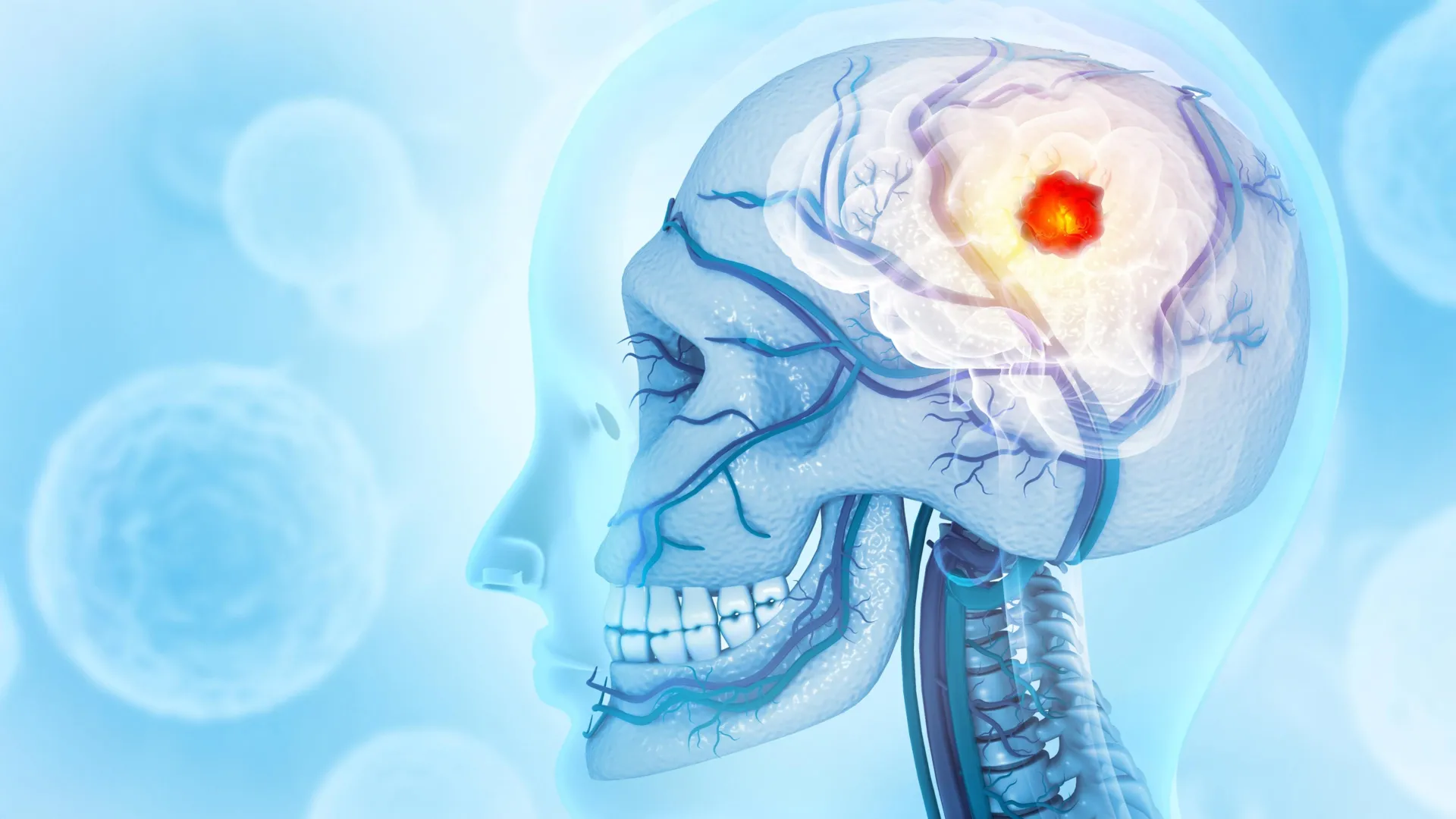
In a landmark study that redefines our understanding of the relationship between the muscular and nervous systems, engineers at the Massachusetts Institute of Technology (MIT) have demonstrated that exercise-induced signals can directly trigger significant growth in individual neurons. The research, published in the journal Advanced Healthcare Materials, reveals a dual-pathway mechanism where nerves respond not only to the biochemical "soup" released by contracting muscles but also to the mechanical forces of the movement itself. These findings suggest that the benefits of physical activity extend deep into the cellular architecture of the peripheral nervous system, offering a potential blueprint for revolutionary treatments for nerve damage and neurodegenerative conditions such as Amyotrophic Lateral Sclerosis (ALS).
For decades, the scientific consensus regarding the neuromuscular junction—the bridge where nerves and muscles meet—has been largely unidirectional. It was widely understood that the brain sends electrical impulses through nerves to tell muscles when to contract. However, the MIT team, led by Ritu Raman, the Eugene Bell Career Development Assistant Professor of Mechanical Engineering, has provided concrete evidence of "muscle-nerve crosstalk." This reciprocal communication channel shows that muscles "talk back" to nerves, providing the essential cues necessary for neuronal health, growth, and maturation.
The Biochemical Catalyst: The Role of Myokines
The first phase of the study focused on the biochemical signals generated during physical exertion. When muscle fibers contract, they function as endocrine organs, secreting a variety of proteins, RNA, and growth factors collectively known as myokines. To isolate these effects, the MIT researchers grew mouse muscle cells into organized fibers, eventually forming a cohesive sheet of mature muscle tissue approximately the size of a quarter.
Using optogenetics—a biological technique that involves the use of light to control cells in living tissue—the team genetically modified the muscle tissue to contract in response to flashes of light. This allowed the researchers to simulate a controlled "exercise" regimen for the tissue. As the muscles squeezed and relaxed, they released a concentrated mixture of myokines into the surrounding medium.
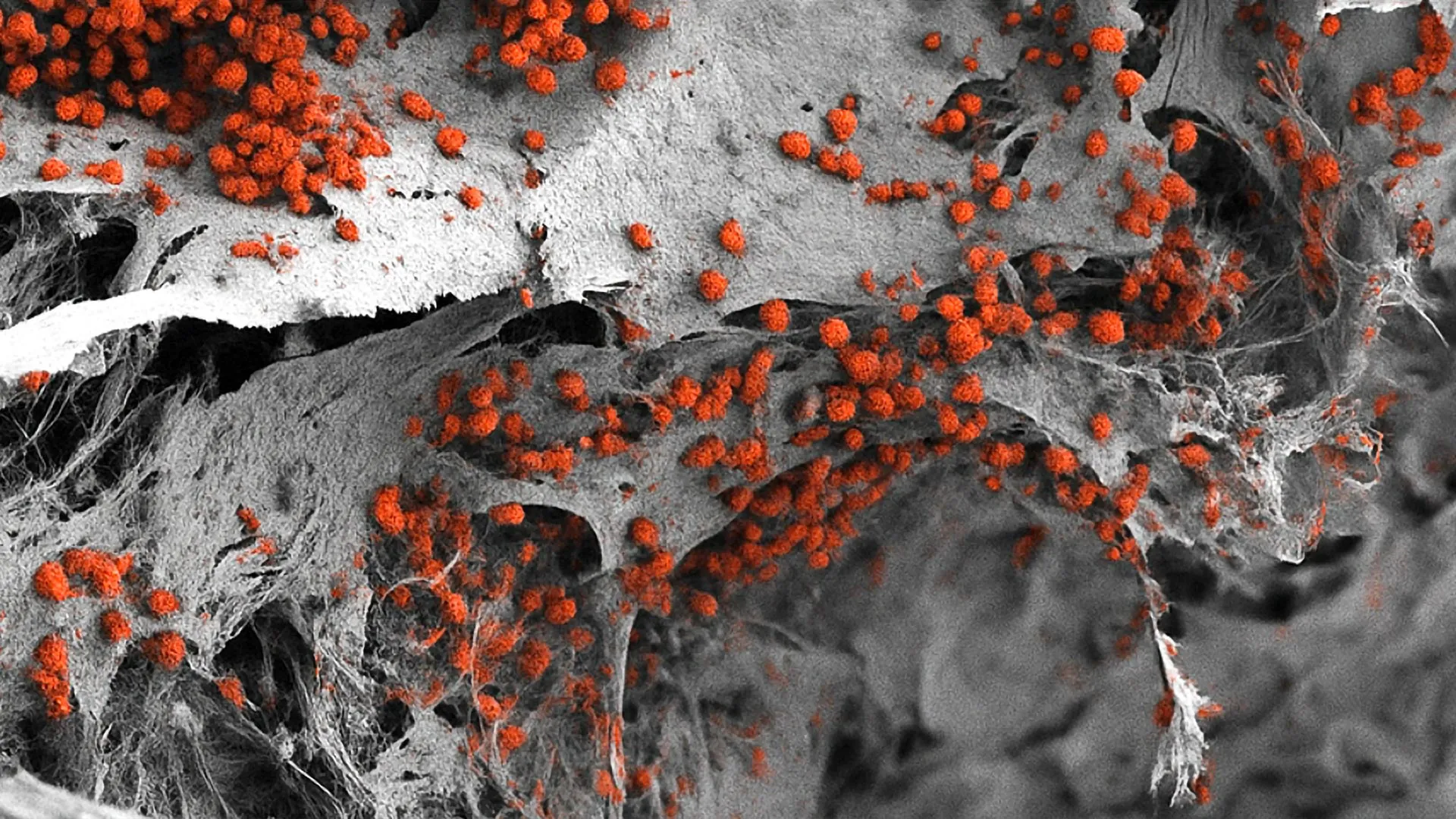
When this "biochemical soup" was collected and applied to motor neurons—the specific nerves in the spinal cord responsible for voluntary movement—the results were immediate and profound. The neurons exposed to the exercise-induced myokines grew four times faster and significantly farther than a control group of neurons that did not receive the treatment. This 400% increase in growth rate highlights the potency of the chemical environment created by active muscles.
Mechanical Stimulation: A Surprising Parallel Growth Trigger
While the biochemical evidence was compelling, the MIT team sought to determine if the physical act of movement provided its own set of instructions to the nervous system. In a living organism, neurons are physically tethered to muscle fibers; as muscles contract and expand, the attached nerves are pulled, stretched, and compressed.
To replicate these mechanical forces without the presence of muscle-secreted chemicals, the researchers engineered a specialized gel mat embedded with microscopic magnets. They then grew a separate set of motor neurons on this mat. By using an external magnetic field to oscillate the mat, the team was able to physically "jiggle" the neurons back and forth for 30 minutes a day, mimicking the mechanical strain of a workout.
The data revealed a surprising discovery: the physically stimulated neurons grew just as much as those treated with the myokine solution. This suggests that the mechanical stress of exercise is just as critical to nerve development as the chemical signals. This dual-stimulus model provides a more holistic view of how the body maintains its neural networks through movement.
Chronology of Research: From Mice to Molecules
The current study is the culmination of years of research into bio-hybrid systems and regenerative medicine. In 2023, Professor Raman and her colleagues published a study detailing the restoration of mobility in mice suffering from traumatic muscle injuries. In that experiment, the team implanted fresh muscle tissue at the site of the injury and then "exercised" the graft using light-based stimulation.
The results of the 2023 mouse study were highly successful, with the injured animals regaining motor function comparable to healthy controls. However, the underlying cause of this recovery remained a subject of debate. While it was clear the muscle graft helped, it was difficult to prove whether the recovery was due to the muscle itself, the immune system’s response, or the surrounding blood vessels.
The 2024 study was designed to eliminate these variables. By moving to a controlled, in-vitro environment involving only muscle and nerve tissue, the researchers were able to confirm that the interaction is direct. The chronology of this research suggests a shift from observing systemic benefits in living organisms to identifying the specific cellular triggers that drive those benefits.
Genetic Analysis: Beyond Simple Growth
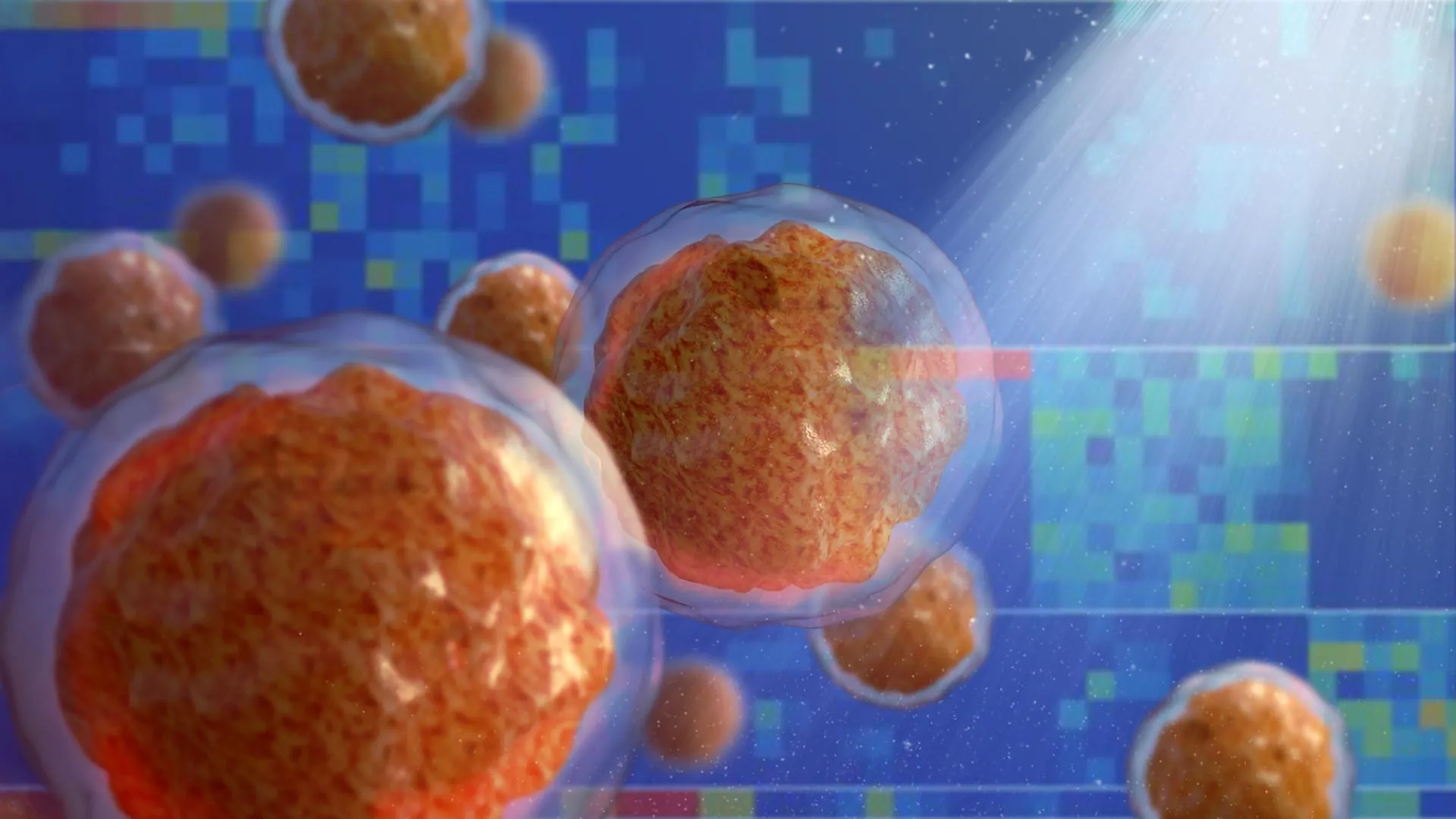
To understand the quality of the new nerve growth, the MIT team performed a detailed genetic analysis. By extracting RNA from the stimulated neurons, they were able to observe changes in gene expression. The findings indicated that exercise-stimulated neurons were not just longer; they were more mature and functional.
"We saw that many of the genes up-regulated in the exercise-stimulated neurons were not only related to neuron growth, but also neuron maturation," Professor Raman noted. The data showed increased expression in genes responsible for how well neurons communicate with muscles and other nerves, as well as the structural integrity of the axons. This suggests that exercise does not merely cause nerves to "stretch," but rather facilitates a complex developmental process that results in a more robust and responsive nervous system.
Broader Implications: "Exercise as Medicine"
The implications of this research for clinical medicine are vast. Currently, peripheral nerve injuries—which can result from car accidents, sports injuries, or surgical complications—are notoriously difficult to treat. If the connection between the nerve and the muscle is severed, the muscle often atrophies before the nerve can regenerate.
By understanding the specific myokines and mechanical forces that drive nerve growth, medical professionals may be able to develop "targeted exercise" therapies. For patients with traumatic injuries who have lost the ability to move voluntarily, external stimulation of the muscles—perhaps through electrical or light-based triggers—could be used to "broadcast" growth signals to damaged nerves, encouraging them to heal and reconnect.
Furthermore, the study offers hope for patients with neurodegenerative diseases like ALS or Multiple Sclerosis (MS). In these conditions, the breakdown of communication between nerves and muscles leads to progressive loss of function. If researchers can synthesize the "biochemical soup" identified by MIT or replicate the mechanical triggers, they may be able to slow the progression of these diseases or even reverse some of the damage.
A New Frontier in Bio-Engineering
The team involved in this breakthrough represents a multidisciplinary effort within MIT’s Department of Mechanical Engineering and the Koch Institute for Integrative Cancer Research. Contributors included Angel Bu, Ferdows Afghah, Nicolas Castro, Maheera Bawa, Sonika Kohli, Karina Shah, Brandon Rios, and Vincent Butty.
The success of the experiment also relied on a novel gel mat technology developed by Raman, which provides the necessary structural support for muscle tissue to contract repeatedly without peeling away. This engineering feat allows for long-term studies of tissue behavior that were previously impossible.
As the research moves forward, the team plans to investigate how these findings can be applied to more complex models and eventually human clinical trials. The goal is to move toward a future where "exercise as medicine" is not just a lifestyle recommendation, but a precise, cellular-level intervention.
"This is just our first step toward understanding and controlling exercise as medicine," Raman concluded. By decoding the crosstalk between muscles and nerves, the scientific community is one step closer to restoring mobility to those who have lost it, proving once again that the human body’s capacity for self-repair is far greater than previously imagined.