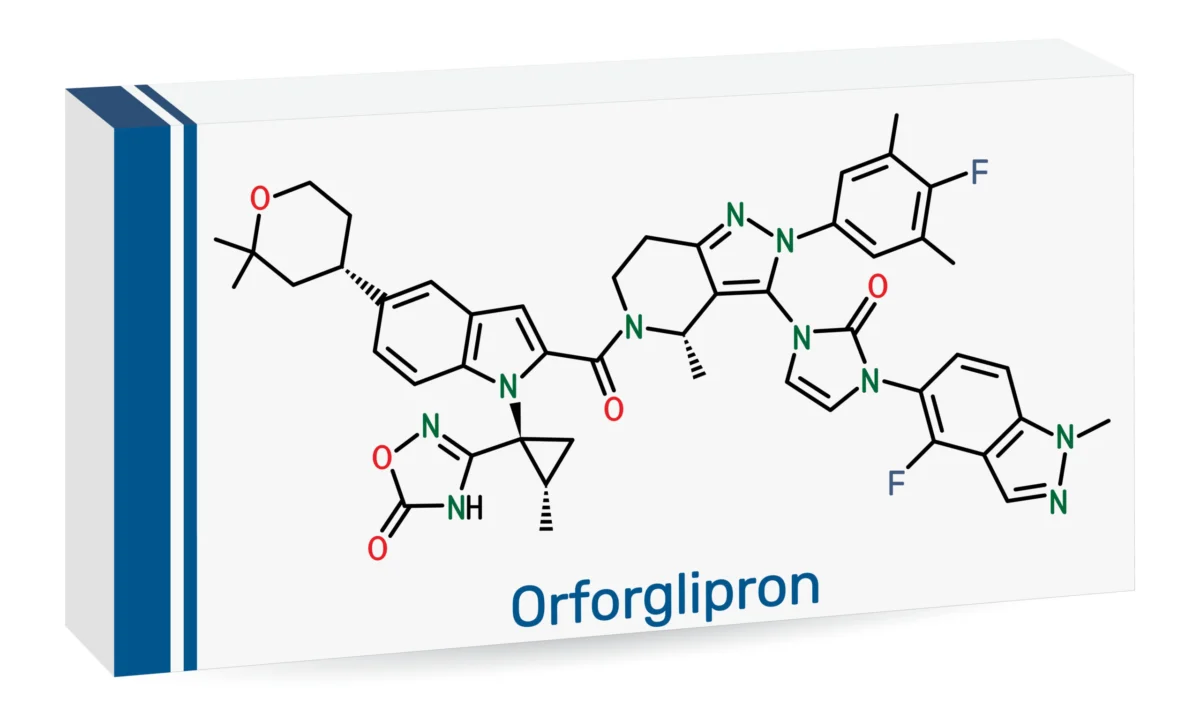
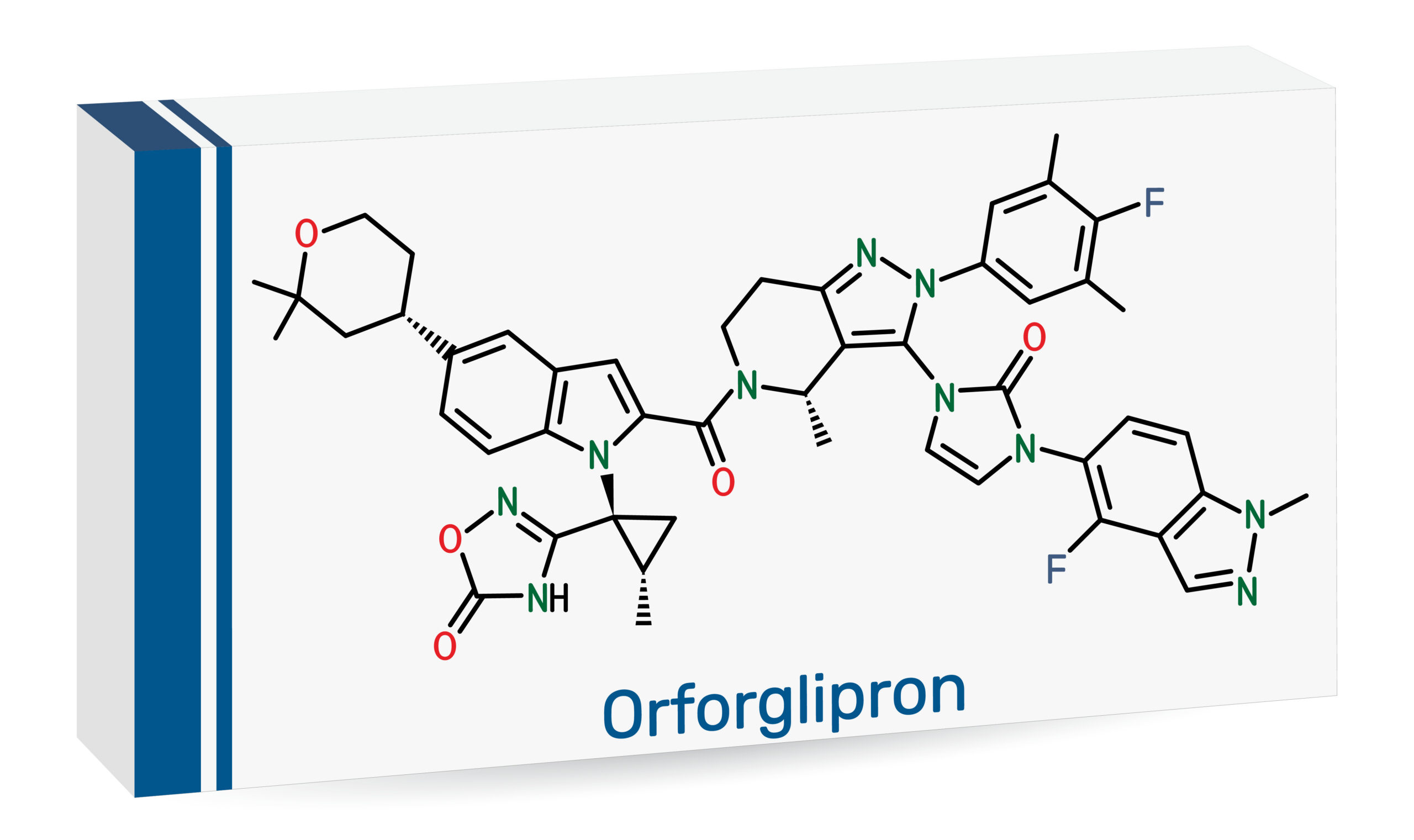
The pharmaceutical landscape for metabolic diseases has reached a pivotal inflection point, marked by the recent approval of the first oral small-molecule GLP-1 receptor agonist, orforglipron, in 2026. This landmark event, led by Eli Lilly, signifies a profound shift from the long-dominant injectable peptide formulations to convenient oral medications, promising to redefine drug discovery methodologies, patient accessibility, and the broader treatment paradigm for conditions like Type 2 diabetes and obesity. The transition from weekly injections to daily pills represents not merely a change in administration route but a fundamental re-evaluation of drug design, metabolism, and patient adherence, heralding a new era for a drug class that has already revolutionized chronic disease management.
The Evolution of GLP-1 Therapy: From Discovery to Injectable Dominance
The journey of Glucagon-Like Peptide-1 (GLP-1) receptor agonists began in the early 1980s with the discovery of GLP-1, a gut hormone that plays a crucial role in glucose-dependent insulin secretion, glucagon suppression, and gastric emptying. This endogenous peptide offered a tantalizing therapeutic target for Type 2 diabetes, a chronic condition affecting hundreds of millions globally. However, the native GLP-1 peptide has a very short half-life in the human body, rapidly degraded by the enzyme dipeptidyl peptidase-4 (DPP-4), making it unsuitable for direct therapeutic use.
The initial breakthroughs came in the early 2000s with the development of GLP-1 mimetics and analogs engineered for increased stability. The U.S. Food and Drug Administration (FDA) approved exenatide (brand name Byetta) in 2005, marking the dawn of the GLP-1 receptor agonist era for Type 2 diabetes. Derived from Gila monster venom, exenatide offered a twice-daily injectable solution. This was followed by a wave of innovations aimed at prolonging the drug’s half-life and reducing injection frequency. Liraglutide (Victoza) arrived in 2010 as a once-daily injectable, further improving patient convenience.
The modern GLP-1 era, however, is often considered to have truly begun with the 2017 approval of semaglutide (Ozempic), a once-weekly injectable. Semaglutide, and its higher-dose formulation Wegovy for weight management, dramatically improved patient adherence and efficacy, quickly becoming blockbuster drugs. The success of these once-weekly injectable pens solidified GLP-1 receptor agonists as a cornerstone therapy for Type 2 diabetes and, increasingly, for chronic weight management. The global market for GLP-1 receptor agonists has since surged, projected to exceed $30 billion by the mid-2020s, driven by their efficacy in glycemic control, weight loss, and emerging cardiovascular benefits.
Despite their clinical success, these injectable peptides presented inherent limitations. The need for injections, even if weekly, can be a barrier for many patients due to needle aversion, discomfort, or the perceived burden of self-administration. This challenge fueled an intense pursuit within the pharmaceutical industry: to develop an orally bioavailable GLP-1 receptor agonist that could offer comparable efficacy without the need for injections.
The "Gold Standard" Arrives: Why Oral Administration Matters
The 2026 approval of orforglipron, Lilly’s first oral small-molecule GLP-1, represents the culmination of this ambitious quest. Brian Ogilvie, Ph.D., vice president of scientific consulting at BioIVT, succinctly articulated the industry’s long-standing goal: "If you can now mimic the same GLP-1 and GIP receptor agonist effect with a small molecule, that’s the gold standard for a medication. You want something you can take by mouth and not worry about it, as opposed to taking injections, even if they’re only every week or every other week."
The preference for oral medications is deeply rooted in patient psychology and practical considerations. Oral pills generally offer superior convenience, ease of use, and greater discretion, which can significantly enhance patient adherence to long-term treatment regimens. Studies consistently show that patients prefer oral formulations over injectables, leading to better compliance rates and, consequently, improved clinical outcomes. For chronic conditions like Type 2 diabetes and obesity, where lifelong treatment is often necessary, this factor is paramount. Enhanced adherence not only benefits individual patients but also contributes to better population health outcomes and potentially reduces healthcare costs associated with poorly managed chronic diseases.
From a manufacturing and distribution perspective, small molecules also typically offer advantages over peptides. They are generally less complex to synthesize, more stable under various storage conditions, and easier to transport, potentially leading to lower production costs and broader global accessibility. This could be particularly impactful in underserved regions or healthcare systems where the infrastructure for handling and distributing injectable biologics might be limited. The approval of orforglipron signifies a critical step towards democratizing access to highly effective GLP-1-based therapies.
Scientific Paradigm Shift: Bench-Level Implications for Drug Discovery
The transition from peptide-based injectables to oral small molecules has profound implications for drug discovery and development at the bench. The fundamental differences in chemical structure and physiochemical properties between peptides and small molecules necessitate entirely different approaches to drug disposition, metabolism, and pharmacokinetics (DMPK) studies.
Peptides, by their nature, are chains of amino acids. When administered orally, they are typically prone to degradation by proteolytic enzymes in the gastrointestinal tract and have poor permeability across the intestinal wall due to their size and hydrophilicity. This is why early GLP-1 agonists had to be injectable. Their metabolism often involves lysosomal degradation within cells, particularly in organs like the liver. As Dr. Ogilvie explains, "Some of these peptides will be degraded in lysosomes, so we use a human liver lysosome fraction… just for screening, or to try to modify them to make them more stable." Researchers would focus on designing peptides resistant to these enzymes or developing delivery systems to protect them.
Small molecules, in contrast, are much smaller, typically less than 500 Daltons, and are often designed to be lipid-soluble to facilitate absorption. Their metabolism is predominantly handled by a well-understood system of enzymes, primarily the Cytochrome P450 (CYP) enzymes, located in the liver and small intestine. The CYP system is responsible for metabolizing approximately 75% of all clinical drugs, converting lipid-soluble compounds into more water-soluble forms that can be readily eliminated from the body. "When it comes to small molecules," Ogilvie notes, "there’s the normal CYP-focused metabolism, the typical studies we do for other small molecules. So the mix is changing."
This shift means that drug developers working on oral small-molecule GLP-1s are now routing back to conventional small-molecule DMPK assays. This includes:
- Metabolic Stability Studies: Assessing how quickly a compound is broken down by enzymes, often using liver microsomes or hepatocytes.
- Metabolite Identification: Pinpointing the specific metabolic products, which is crucial for safety assessments.
- Enzyme and Transporter Studies: Investigating which CYP enzymes are involved and whether the drug interacts with drug transporters, which can affect absorption, distribution, and elimination.
The challenge of developing ultra-stable compounds, designed to last weeks in the body, also creates unique measurement problems. If a compound is incredibly stable in standard in vitro models, it can be difficult to determine if it’s cleared at all. To address this, BioIVT and similar research organizations employ advanced in vitro systems. "So we have HEPATOPAC, for instance, which takes hepatocytes and cultures them out to 28 days or longer," Ogilvie explains. "That might be a system that could come into play for some of these drugs." These long-term hepatocyte cultures mimic the liver’s metabolic activity over extended periods, allowing researchers to accurately assess the very slow clearance rates of highly stable compounds.
Beyond these core DMPK considerations, the expanded research into GLP-1 and GIP agonism, regardless of modality, continues to probe fundamental biological effects. As Ogilvie highlights, "Regardless of modality, we’re looking at things like human adipocyte lipolysis, fatty acid uptake, even glucose uptake." These studies delve into the mechanisms by which these drugs exert their therapeutic effects on fat metabolism and glucose homeostasis, providing a deeper understanding of their pharmacodynamics.
Navigating Drug-Drug Interactions and Immunomodulation
The complexities of managing chronic conditions often mean that patients are on multiple medications (polypharmacy). The introduction of new GLP-1 therapies, particularly oral small molecules, necessitates rigorous investigation into potential drug-drug interactions (DDIs). GLP-1 receptor agonists, whether peptides or small molecules, can introduce unique challenges in this regard.
One significant physiological effect of GLP-1 agonists is their ability to slow gastric emptying time. This mechanism contributes to their efficacy in promoting satiety and improving glycemic control. However, as Ogilvie points out, "A lot of these slow gastric emptying time, for instance, which may be one of the pharmacological actions, and that can affect the absorption of other drugs that are commonly administered." If other medications are taken concurrently, their absorption kinetics could be significantly altered, potentially leading to reduced efficacy or increased side effects. Careful consideration of dosing intervals and potential adjustments to concomitant medications will be crucial for patient safety and optimal treatment outcomes.
Furthermore, the immunomodulatory effects of some GLP-1s present another layer of complexity. While less common with small molecules, peptide-based GLP-1s can sometimes trigger an immune response in some patients. This can lead to the release of cytokines, which are signaling molecules involved in inflammation and immune regulation. "There are also cases where peptides can cause an immune response, so you get a cytokine release, and that cytokine release can actually suppress the level of some drug-metabolizing enzymes," Ogilvie explains. This cytokine-mediated suppression of CYP enzymes could potentially impair the metabolism of other drugs a patient is taking, leading to elevated drug levels and an increased risk of adverse events. Understanding these intricate interactions is critical for guiding clinical practice and ensuring patient safety.
A Crowded and Diverse Landscape: Beyond Lilly
While Eli Lilly has achieved the first approval of an oral small-molecule GLP-1 with orforglipron, the field is rapidly becoming crowded and diverse. The success of injectable GLP-1s has spurred significant investment and research globally, with numerous companies vying for a share of this burgeoning market.
"It’s not only Lilly, which had the first approval in April… but other companies looking at small molecules against other targets, not only GLP-1 but some of the GIPs, glucagon receptor, and so on," notes Ogilvie. This indicates a broader strategic approach beyond single-target GLP-1 agonism. Companies are exploring multi-agonist therapies that simultaneously target GLP-1, Glucose-dependent Insulinotropic Polypeptide (GIP), and glucagon receptors. These "tri-agonists" or "dual-agonists" aim to leverage synergistic pathways to achieve even greater metabolic improvements, including more pronounced weight loss and glycemic control. Tirzepatide (Mounjaro/Zepbound), a dual GLP-1/GIP agonist, has already demonstrated superior efficacy compared to GLP-1 monotherapy, setting a new benchmark. The development of oral small-molecule versions of these multi-agonists represents the next frontier.
The competition is not confined to traditional Western pharmaceutical giants. "Some of these compounds are coming out of China, so it’s not just US or European companies," Ogilvie adds. This global expansion underscores the universal demand for effective metabolic disease treatments and the widespread scientific capability to develop them. Several companies worldwide have preclinical pipelines moving into clinical trials, with some oral small-molecule GLP-1 candidates already in Phase 3 development, suggesting that the market will see a rapid influx of new oral options in the coming years. This competitive environment is likely to drive further innovation, potentially leading to more effective, safer, and more affordable treatments.
Broader Therapeutic Horizons: Beyond Diabetes and Obesity
The impact of GLP-1 receptor agonists extends far beyond their initial indications for Type 2 diabetes and obesity. The growing understanding of GLP-1’s pleiotropic effects has opened doors to exploring their therapeutic potential in a wide array of other conditions.
One of the most promising areas is Non-Alcoholic Steatohepatitis (NASH), now often referred to as Metabolic Dysfunction-Associated Steatohepatitis (MASH). This chronic liver disease, closely linked to obesity and Type 2 diabetes, currently lacks effective pharmacological treatments. GLP-1 agonists have shown promise in reducing liver fat, inflammation, and fibrosis in clinical trials, positioning them as potential first-in-class therapies for MASH. The companion piece, "Diabetes to MASH: the specimens behind GLP-1’s widening roster," highlights how the expanding label roster is reshaping which biospecimens researchers need for these diverse indications.
Beyond MASH, GLP-1 agonists have demonstrated significant cardiovascular benefits, including a reduction in major adverse cardiovascular events in patients with Type 2 diabetes. Research is also exploring their potential in kidney disease, neurodegenerative disorders like Alzheimer’s and Parkinson’s disease, and even addiction. The ability to deliver these powerful agents via an oral route will only broaden their applicability and accelerate research into these new indications, potentially transforming patient care across multiple medical specialties.
Impact on Healthcare and Patients: Accessibility, Adherence, and Quality of Life
The arrival of oral GLP-1 receptor agonists like orforglipron marks a monumental stride in patient care. The shift from "pens to pills" fundamentally improves accessibility and adherence, which are critical determinants of long-term treatment success for chronic diseases. Patients who previously struggled with the inconvenience or psychological barrier of injections can now benefit from highly effective GLP-1 therapy. This enhanced convenience is expected to lead to higher treatment initiation rates and better sustained adherence, ultimately translating into improved glycemic control, greater weight loss, and a reduction in associated comorbidities such as cardiovascular events.
For healthcare systems, the potential benefits are also significant. A wider array of accessible treatment options can help manage the growing global burden of diabetes and obesity. While the initial cost of novel oral small molecules might be substantial, the long-term competitive landscape, coupled with the potential for reduced healthcare expenditures from better disease management, could offer economic advantages. Moreover, the ease of administration may reduce the need for specialized training or support for injection techniques, simplifying clinical workflows.
Ultimately, the most profound impact will be on the quality of life for millions of individuals. The ability to manage chronic conditions effectively and discreetly, without the constant reminder of injections, can empower patients, reduce treatment-related anxiety, and allow them to lead fuller, healthier lives. This represents a paradigm shift from treating symptoms to comprehensively managing complex metabolic diseases with patient-centric solutions.
The Road Ahead: Challenges and Opportunities
While the future of oral GLP-1 agonists appears bright, challenges remain. Continued research into long-term efficacy and safety, particularly regarding potential drug-drug interactions and any unforeseen immunomodulatory effects, will be crucial. The competitive landscape will demand continuous innovation, with companies striving for even better efficacy, fewer side effects, and more convenient dosing schedules (e.g., once-weekly oral options). The cost-effectiveness of these new therapies will also be a key consideration for healthcare providers and policymakers globally.
The approval of orforglipron is not just a regulatory milestone; it is a testament to decades of relentless scientific inquiry and pharmaceutical innovation. It reshapes the drug discovery bench, redefines patient expectations, and expands the therapeutic potential of a truly transformative drug class. The era of oral GLP-1s is here, promising a future where managing chronic metabolic diseases is more accessible, more effective, and more aligned with the needs of patients worldwide.