Protuoso Biosciences, a burgeoning US-based biotechnology company, has successfully closed a $9.5 million seed financing round, positioning itself to revolutionize therapeutic approaches for complex diseases. The funding, spearheaded by Taya Venture and Darwin Ventures with significant contributions from NSG Ventures, SEEDS, and other undisclosed investors, will accelerate the development of the company’s proprietary platform designed to engineer single biologic molecules capable of simultaneously targeting multiple disease mechanisms.
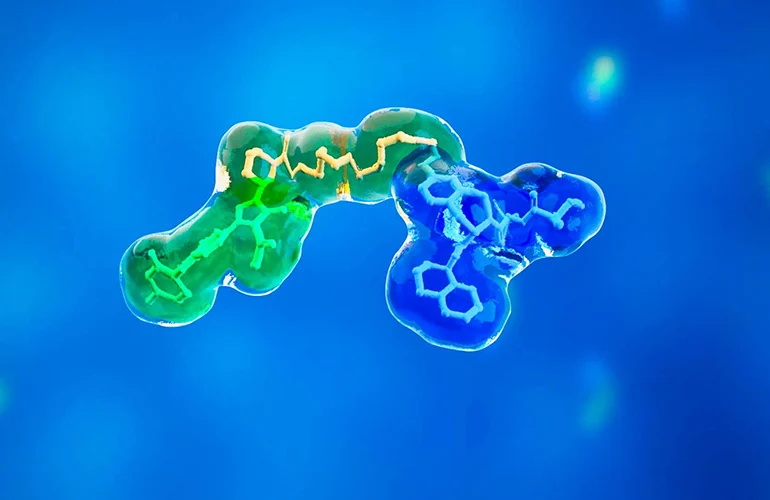
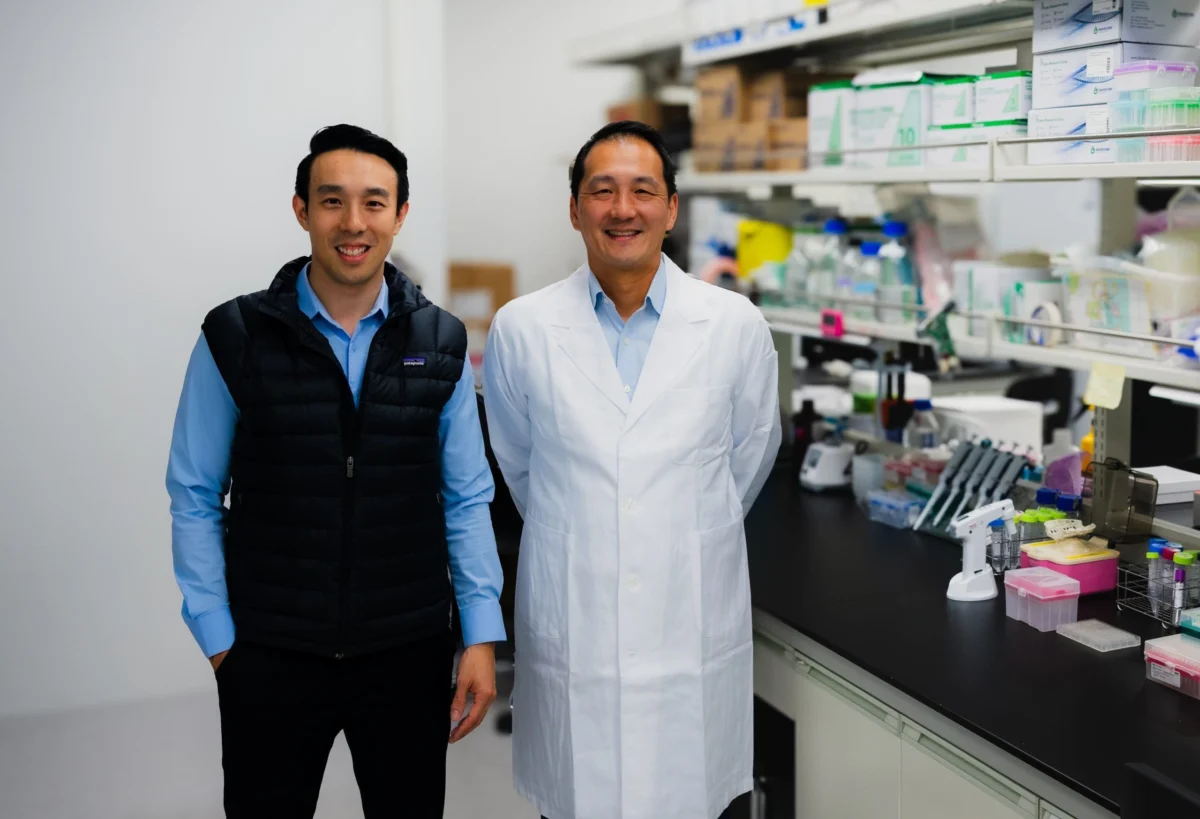
Founded by seasoned innovators Willie Xiang and Tim Lu in California, Protuoso Biosciences is at the forefront of developing what it terms MUXBODIES – advanced recombinant fusion proteins. These innovative constructs are engineered to seamlessly integrate a diverse array of therapeutic modalities, including antibodies, cytokines, peptides, and other signaling molecules, into a single, potent therapeutic agent. This "mix-and-match" architecture represents a significant departure from conventional single-target drug development, aiming to address the interconnected biological pathways that underpin many chronic and challenging diseases.
The Paradigm Shift Towards Multifaceted Therapeutics
The fundamental premise behind Protuoso’s MUXBODY platform lies in the recognition that many prevalent and debilitating diseases, such as obesity, cardiovascular conditions, cancer, and autoimmune disorders, are not driven by isolated failures but by complex, interwoven biological networks. Traditional pharmaceuticals, often designed to interact with a single molecular target, frequently fall short in addressing the multifaceted nature of these diseases, leading to limited efficacy and the potential for compensatory mechanisms to emerge.
"Many of the largest disease areas such as obesity, cardiovascular diseases, cancer, and autoimmune diseases are fundamentally driven by interconnected biology, but most drugs still act on a single pathway," explained co-founder Willie Xiang. "Our platform gives us the ability to engineer multiple modalities into a single molecule to target a variety of disease mechanisms." This integrated approach promises to overcome the inherent efficacy limitations observed in single-pathway interventions.
Protuoso’s Innovative MUXBODY Platform: A "Mix-and-Match" Architecture
The core innovation of Protuoso Biosciences resides in its MUXBODY technology. These are not merely combinations of existing therapeutic components but sophisticatedly engineered fusion proteins. The platform’s design allows for the precise integration of different functional elements, enabling a single molecule to exert multiple biological effects. This could include simultaneously blocking pro-inflammatory signals, activating immune responses, promoting tissue repair, or enhancing cellular communication – all within one therapeutic entity.
The "mix-and-match" capability is a key differentiator. It implies a modular design where specific antibodies can be paired with particular cytokines, or peptides can be fused with other signaling modules, creating highly tailored therapies for specific disease profiles. This level of customization and combinatorial power in a single biologic molecule is unprecedented and holds the potential to unlock new therapeutic avenues.
Strategic Seed Funding to Fuel Platform Advancement
The $9.5 million in seed financing marks a critical milestone for Protuoso Biosciences, providing the necessary capital to propel its innovative platform from its current developmental stage towards clinical application. The investment underscores the confidence of venture capital firms in the company’s technology and its potential to address significant unmet medical needs.
The funding is earmarked for several key objectives, including:
- Platform Optimization and Scale-Up: Enhancing the robustness and scalability of the MUXBODY engineering process.
- Pre-clinical Development: Advancing promising drug candidates within the company’s pipeline through rigorous pre-clinical testing.
- Team Expansion: Attracting top talent in protein engineering, biology, and drug development to bolster the scientific and operational capabilities of the company.
- Intellectual Property Development: Strengthening the company’s patent portfolio surrounding its core MUXBODY technology and specific therapeutic applications.
Unveiling Pipeline Programs: Cardiometabolic, Oncology, and Autoimmune Diseases
While Protuoso Biosciences has chosen to keep the specifics of its individual pipeline assets confidential at this early stage, the company has confirmed a strategic focus on three major therapeutic areas: cardiometabolic diseases, oncology, and autoimmune diseases. These areas were selected due to the complex, multifactorial nature of the diseases and the significant limitations of current treatment modalities.
Cardiometabolic Diseases: Within this domain, Protuoso is developing therapies aimed at addressing the root causes of obesity and its downstream pathological effects on vital organs. Obesity is a complex metabolic disorder with far-reaching consequences, often involving chronic inflammation, hormonal dysregulation, and organ damage. A multifunctional biologic could potentially target these interconnected pathways, offering a more holistic approach to weight management and metabolic health.
Oncology: In the highly competitive field of cancer therapeutics, Protuoso is engineering "armored" immune cell engagers. These are designed to overcome the limitations of existing treatments for solid tumors, which often struggle with tumor microenvironment suppression, immune evasion, and insufficient T-cell infiltration. By arming immune cells with multiple functionalities, Protuoso aims to enhance their ability to recognize, attack, and persist within the tumor, potentially leading to more durable responses.
Autoimmune Diseases: For autoimmune conditions, where the immune system erroneously attacks the body’s own tissues, Protuoso’s platform offers the possibility of re-balancing immune responses. This could involve simultaneously dampening pro-inflammatory pathways that drive tissue damage while promoting regulatory immune cells that suppress autoimmunity.
Historical Context: The Evolution of Multifunctional Therapies
The concept of multifunctional drugs is not entirely new. Aspirin, a ubiquitous over-the-counter medication, serves as a classic example, influencing multiple biological pathways to exert its analgesic, anti-inflammatory, and antipyretic effects. However, the vast majority of commercially successful multifunctional drugs have been small molecules, which possess inherent advantages in terms of oral bioavailability and ease of administration.
The realm of biologics has witnessed significant advancements in multifunctional approaches. Bispecific and trispecific antibodies, capable of binding to two or three different disease antigens simultaneously, have emerged as powerful therapeutic options, particularly in oncology. These antibodies can, for instance, bring T-cells into close proximity with cancer cells for targeted killing. Furthermore, antibody-drug conjugates (ADCs) represent another class of multifunctional biologics, combining the targeting specificity of antibodies with the potent cytotoxic payload of small molecule drugs, primarily for cancer treatment.
However, engineering biologics with multiple, distinct functional domains integrated into a single molecule has historically presented substantial challenges. These complexities often relate to protein folding, stability, immunogenicity, and the precise control of each modality’s activity.
Overcoming Engineering Hurdles: Protuoso’s Technological Edge
Co-founder Tim Lu highlighted the historical difficulties associated with developing complex, multi-functional biologics. "Biologics combining multiple functions into a single molecule had historically been very complex to engineer," Lu stated. "Protuoso’s platform mitigates this hurdle and allows scalable development of multifunctional biologics." This suggests that Protuoso has developed novel protein engineering strategies, potentially involving advanced computational design, synthetic biology techniques, and sophisticated expression systems, to overcome these long-standing challenges.
The ability to achieve scalable development is crucial. It implies that Protuoso’s MUXBODY platform is not only scientifically innovative but also practically viable for manufacturing and eventual commercialization, a critical factor for attracting investment and achieving market impact.
Future Implications: A New Era for Biologic Therapies
The successful seed funding round for Protuoso Biosciences signals a potential paradigm shift in biologic drug development. By mastering the art of integrating multiple therapeutic modalities into single molecules, the company is poised to:
- Enhance Therapeutic Efficacy: Address the complexity of diseases more comprehensively, potentially leading to improved patient outcomes and higher response rates.
- Reduce Treatment Burden: A single molecule performing multiple functions could simplify treatment regimens, reducing the number of individual drugs a patient needs to take and potentially lowering the overall cost of care.
- Overcome Resistance Mechanisms: By targeting multiple pathways simultaneously, Protuoso’s therapies may be less susceptible to the development of drug resistance, a significant challenge in chronic and infectious diseases.
- Expand the Biologic Modality Landscape: Protuoso’s success could inspire further innovation in the design and engineering of complex biologics, opening up new therapeutic possibilities for a wider range of diseases.
"We believe this approach will unlock more effective therapies for complex diseases and expand the range of what biologics can achieve," concluded Lu. This vision positions Protuoso Biosciences not just as a developer of new drugs, but as a pioneer shaping the future of medicine. The company’s progress will be closely watched by the biopharmaceutical industry, as its innovative MUXBODY platform holds the promise of transforming the treatment landscape for some of the most challenging diseases facing humanity.