In a significant advancement for integrated medicine, Remepy, a pioneering startup, has announced successful Phase IIa clinical trial results for its innovative "hybrid drug" called Hybridopa. This novel therapeutic approach combines traditional pharmaceutical intervention with an AI-driven, app-delivered treatment protocol, marking a potential paradigm shift in the management of chronic conditions, beginning with Parkinson’s disease. The positive outcomes, detailed in a recent publication in Brain Communications, suggest that this integrated model could substantially enhance the efficacy of existing medications, offering new hope for patients grappling with complex neurological disorders.
The Rise of Hybrid Drugs: A New Paradigm in Treatment
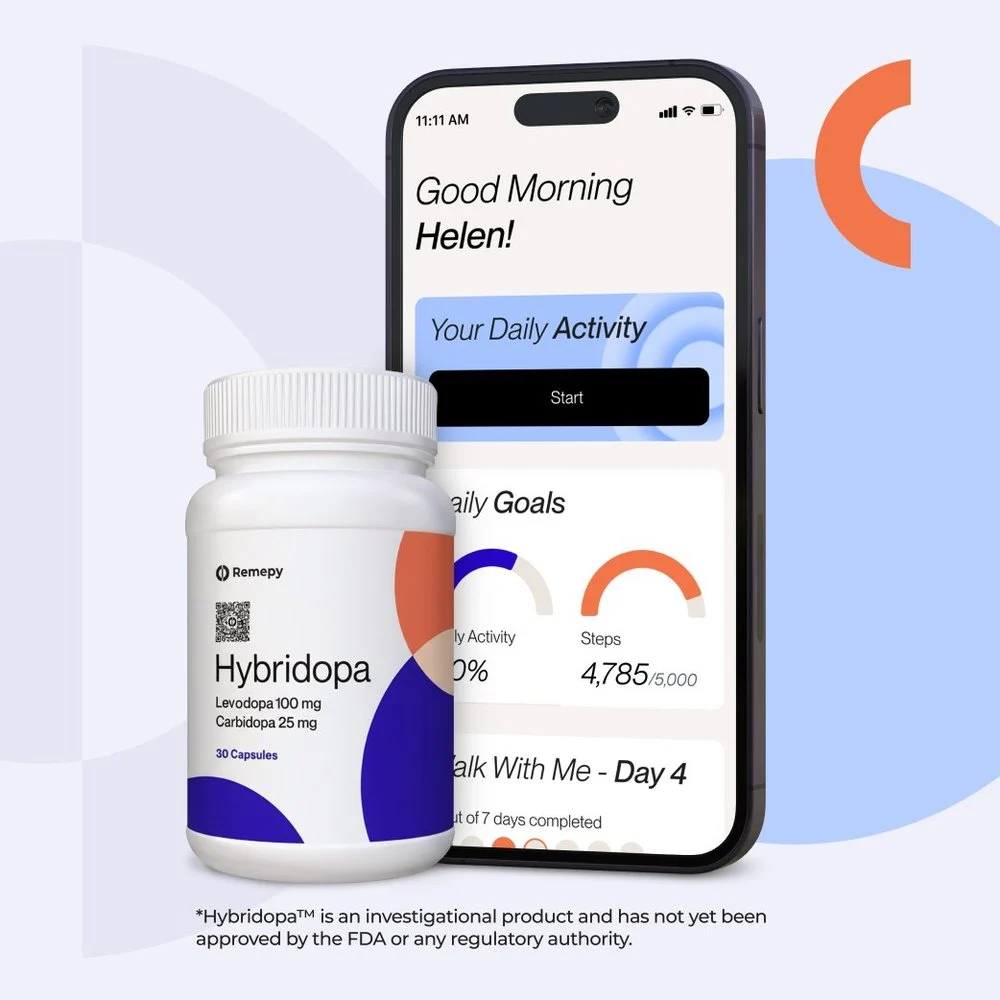
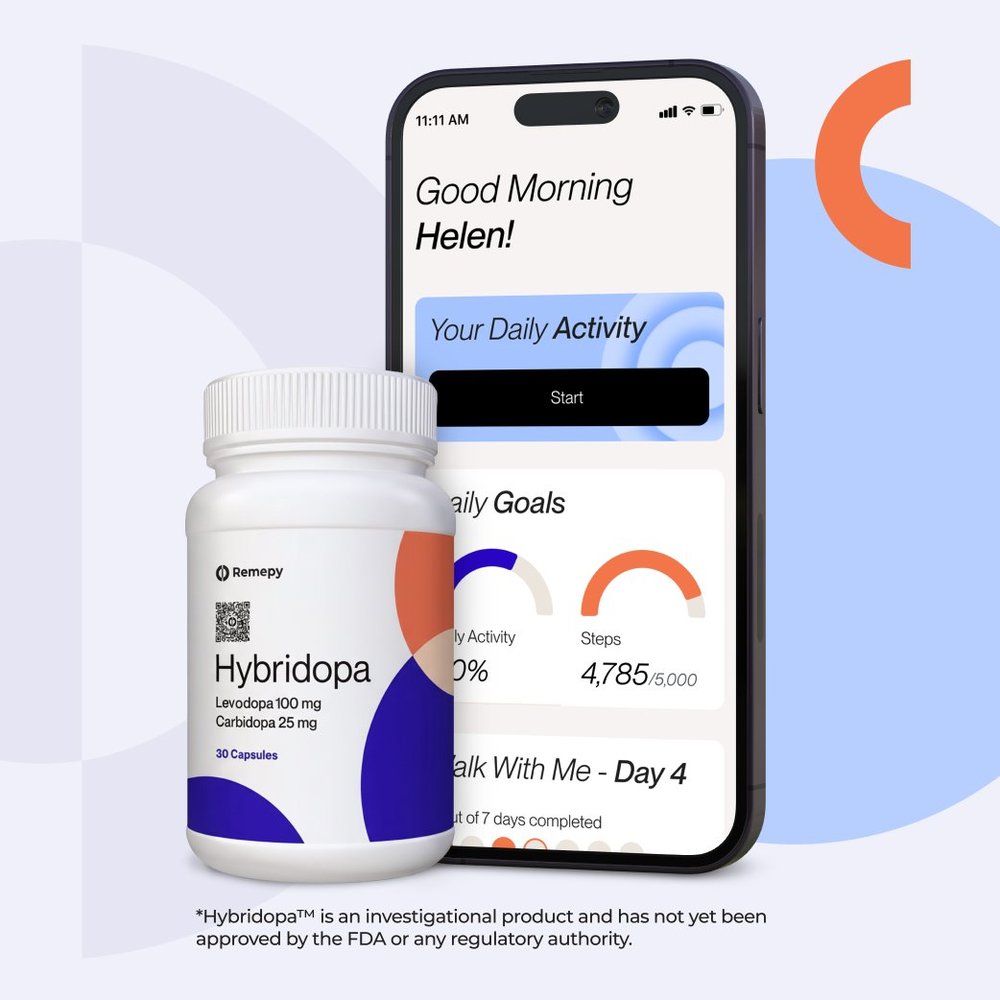
The concept of a "hybrid drug," as championed by Remepy, represents a sophisticated evolution of digital health. It moves beyond standalone digital therapeutics by meticulously integrating a conventional pharmaceutical drug with a personalized, AI-powered digital protocol. This strategy directly addresses the limitations often encountered when treating multifaceted diseases, where a single medication may only partially alleviate symptoms or where its efficacy plateaus over time. Dr. Michal Tsur, Ph.D., co-founder and co-CEO of Remepy, highlights the foundational principle: "Everything we do is the understanding that most medical conditions are better treated with a multidisciplinary, integrative approach." This perspective underpins the development of Hybridopa, which pairs carbidopa-levodopa capsules—a cornerstone Parkinson’s medication—with a phone-based application, DopApp, that delivers daily, personalized non-pharmacological interventions.
The pharmaceutical landscape has long sought ways to maximize therapeutic outcomes, often through polypharmacy or dose escalation. Remepy’s model proposes a different path: leveraging the power of digital technology to amplify drug effects through complementary, data-driven interventions. These interventions can range from physiotherapy and cognitive exercises to mental health support and speech therapy, all delivered and adapted via a mobile device. This approach is particularly relevant for conditions where non-pharmaceutical interventions are known to have a meaningful impact, but their consistent delivery and personalization remain a challenge within conventional care pathways.
Addressing Parkinson’s Disease: Unmet Needs and Therapeutic Gaps
Parkinson’s disease, a progressive neurodegenerative disorder affecting millions worldwide, presents a complex array of motor and non-motor symptoms, including tremors, rigidity, bradykinesia (slowness of movement), postural instability, and cognitive impairment. The prevalence of Parkinson’s is projected to rise significantly with an aging global population, underscoring the urgent need for more effective and sustainable treatments. While levodopa remains the most potent symptomatic therapy for motor symptoms, its long-term use is associated with a narrowing therapeutic window and the development of motor fluctuations and dyskinesias. A 13-year cohort study cited in the original reporting revealed that motor fluctuations affect over half of patients within five years of treatment initiation and nearly all within a decade. This "ceiling effect" of levodopa underscores a critical unmet need for therapies that can extend its benefits and address the broader spectrum of Parkinson’s symptoms.
Current care guidelines for Parkinson’s disease already advocate for a multidisciplinary approach, recognizing the crucial role of rehabilitative services such as physiotherapy, occupational therapy, and speech-language pathology. However, these services are often fragmented, requiring separate referrals, appointments, and coordination, which can be burdensome for patients and their caregivers. This fragmentation can lead to suboptimal adherence and inconsistent engagement, limiting the overall therapeutic benefit. Remepy’s Hybridopa directly confronts this challenge by integrating these diverse interventions into a single, cohesive, and easily accessible platform, thereby streamlining care delivery and potentially improving patient outcomes significantly.

Hybridopa’s Clinical Breakthrough: Phase IIa Results
The recent Phase IIa trial of Hybridopa represents a pivotal moment for Remepy and the broader field of digital health. The three-week, double-blind study involved 41 patients who were maintained on their existing levodopa doses and randomized to either the DopApp protocol group or a placebo app group. The primary endpoint of the trial was an improvement in the Movement Disorder Society-Unified Parkinson’s Disease Rating Scale (MDS-UPDRS), the gold standard for assessing Parkinson’s severity across motor, non-motor, and daily living aspects.
The results were compelling: the DopApp protocol group demonstrated a mean improvement of 9.7 points on the MDS-UPDRS, compared to a mere 1.95 points for the placebo group. Furthermore, an impressive 90% of treated patients achieved a clinically meaningful five-point response threshold. To put this in perspective, Dr. Tsur highlighted that carbidopa/levodopa alone typically reduces the MDS-UPDRS by approximately eight to ten points. By adding an extra 9.7 points of improvement, the app component of Hybridopa effectively doubled the clinical effect of the traditional medication. This level of enhancement, achieved over a relatively short period, suggests a powerful synergistic effect between the drug and the personalized digital interventions. The publication of these results in a peer-reviewed journal like Brain Communications lends significant scientific credibility to Remepy’s innovative approach.
The "App for That" Era and Digital Therapeutics’ Evolution
The notion of leveraging smartphones and digital tools for healthcare has been a long-standing aspiration, popularized by the "There’s an app for that" mantra of the early smartphone era. Visionary clinicians like Scripps cardiologist Eric Topol and physician-innovator Daniel Kraft foresaw a future where digital tools would routinely diagnose, monitor, and manage disease, potentially becoming as commonplace as prescription pills. The launch of Apple’s App Store in 2008 and Android Market shortly thereafter ignited an explosion of health and wellness apps.
However, the journey from aspiration to widespread clinical integration has been fraught with challenges. While some digital tools have achieved FDA clearance as prescription digital therapeutics (PDTs), the ecosystem has struggled with sustainable reimbursement models. The most notable example is Pear Therapeutics, once hailed as a pioneer in the PDT space, which filed for Chapter 11 bankruptcy in 2023. Despite demonstrating that doctors would prescribe its software and patients would use it, Pear failed to secure consistent and adequate reimbursement from payers, ultimately collapsing its business model. This commercial failure served as a stark lesson for the nascent digital health industry, revealing that clinical efficacy alone is insufficient for market viability without a clear path to reimbursement.
It is precisely this historical context that informed Remepy’s strategic pivot. Dr. Tsur noted, "I think one reason nobody has done it before is that the digital therapeutic ecosystem had to evolve first." Remepy’s "hybrid drug" model is a direct response to the commercial pitfalls of standalone PDTs, aiming to embed digital interventions within the established pharmaceutical regulatory and reimbursement frameworks.
Strategic Design: Overcoming Reimbursement Hurdles
Remepy’s innovation extends beyond clinical efficacy to its strategic business model, which aims to translate digital health’s potential into pharmaceutical economics. By packaging the software with a drug, Remepy seeks to leverage existing regulatory pathways designed for combination products. Key among these is the FDA’s Prescription Drug Use-Related Software (PDURS) pathway. This pathway allows software to support an expanded drug label based on its proven effect, potentially enabling the digital component to be reimbursed alongside the pharmaceutical component under traditional drug payment models.
This "drug-plus-app" structure is Remepy’s "strongest tailwind," according to Dr. Tsur, because it addresses the critical reimbursement challenge that crippled earlier digital therapeutic ventures. Instead of trying to carve out new reimbursement categories for standalone software, Remepy aims to integrate the digital component into the established and well-understood drug reimbursement landscape. This approach significantly de-risks the commercialization pathway, offering a more sustainable route to market access and patient uptake. By subjecting the entire hybrid product to rigorous clinical trials, Remepy ensures that both the drug and the digital protocol are "mechanistically and scientifically proven," meeting the high standards expected of pharmaceutical products.
The Mechanics of Integration: How Hybridopa Works
Hybridopa’s efficacy stems from its ability to integrate multiple therapeutic mechanisms, an advantage a single drug cannot offer. While carbidopa-levodopa provides critical dopaminergic replacement, the DopApp protocol layers on a personalized regimen of non-pharmacological interventions. This daily protocol for Parkinson’s patients encompasses:
- Physiotherapy: Prompting walking, activity, balance exercises, and strength training to improve motor function and prevent falls.
- Speech Therapy: Guiding patients through exercises to maintain vocal clarity, volume, and articulation, addressing common communication challenges in Parkinson’s.
- Occupational Therapy: Providing strategies and exercises to enhance activities of daily living, such as dressing, eating, and personal hygiene.
- Cognitive and Mood Support: Engaging patients with cognitive exercises and mindfulness techniques to address non-motor symptoms like cognitive decline, depression, and anxiety, which are highly prevalent in Parkinson’s.
The AI embedded within DopApp is crucial for personalization. It tracks daily movement and activity against set goals, prompts patients to log symptoms like pain and stiffness, and adapts the exercises and protocols based on individual patient progress and needs. This dynamic adaptation ensures that the interventions remain relevant and challenging, maximizing patient engagement and therapeutic benefit. The app also offers a "trends view," charting steps, exercise time, and activity over weeks and months, with the option to share this valuable data with the patient’s care team. This data-sharing capability can empower physicians with real-time insights into patient adherence and response, facilitating more informed clinical decisions.
This holistic, multidisciplinary approach is designed to overcome the inherent "ceiling effect" of single-mechanism drugs. As Dr. Tsur explained, "Drugs usually have one mechanism. An app can have many… You overcome individual variation by having a broad set of modalities in diseases with high variation." Parkinson’s disease, with its highly variable presentation and progression among individuals, is an ideal candidate for such an adaptive, multi-modal intervention.

Broader Implications for Medicine and Patient Care
The success of Remepy’s Hybridopa model carries profound implications for the future of medicine. It paves the way for a new class of therapeutics that could revolutionize the treatment of numerous chronic and complex diseases where multidisciplinary care is beneficial but often fragmented. Conditions in neurology, immunology, oncology, and women’s health, where non-pharmaceutical interventions can significantly amplify drug effects, are prime candidates for this hybrid approach. Dr. Tsur estimates that integrating a drug with non-pharmaceutical interventions "can sometimes double the clinical effect" in these areas.
For patients, this model promises more comprehensive, personalized, and accessible care. By consolidating multiple therapeutic modalities into a single, prescribable product, Hybridopa simplifies the treatment regimen, potentially leading to better adherence and improved quality of life. It transforms what was once a series of recommendations into an integrated, scientifically validated intervention. For physicians, Hybridopa simplifies prescribing, allowing them to offer a holistic care plan with a single prescription, rather than navigating a complex web of referrals and follow-ups for various therapies. This integration could reduce administrative burden and improve overall care coordination.
Furthermore, the data collected by DopApp—ranging from activity levels to symptom logging—could contribute to a richer understanding of disease progression and individual patient responses. This real-world data, combined with AI-driven analytics, holds the potential to further personalize treatment algorithms, leading to even more precise and effective interventions in the future.
Challenges and Future Outlook
While the Phase IIa results for Hybridopa are highly encouraging, significant hurdles remain. The next crucial step will be larger, longer-duration Phase III clinical trials to confirm these findings in a more diverse patient population and over an extended period. These trials will be essential for demonstrating long-term efficacy, safety, and patient adherence, which are critical for regulatory approval and widespread adoption.
Beyond clinical validation, Remepy will need to navigate the complexities of market access and payer adoption. While the PDURS pathway offers a promising route for reimbursement, securing broad coverage and fair pricing will be paramount. The company will also need to continue innovating its AI and app functionalities, ensuring they remain engaging, user-friendly, and adaptable to evolving patient needs and technological advancements.

Remepy’s Hybridopa stands as a beacon of innovation in the quest for more effective and integrated healthcare solutions. By successfully blending the tried-and-true efficacy of pharmaceuticals with the dynamic, personalized power of AI-driven digital interventions, Remepy is not just treating Parkinson’s disease; it is forging a new path for how we approach complex medical conditions, promising a future where fragmented care gives way to comprehensive, intelligent, and deeply personalized healing.