The global water crisis remains one of the most pressing challenges of the twenty-first century, with billions of people worldwide lacking reliable access to safe drinking water. According to recent estimates from the United Nations, approximately 2.2 billion individuals live without safely managed drinking water services. As climate change, prolonged droughts, and population growth strain freshwater supplies, regions spanning from the American Southwest to the Middle East have increasingly turned to desalination as an indispensable lifeline, transforming seawater into a potable resource.
However, conventional desalination methodologies—predominantly reverse osmosis and thermal distillation—carry steep environmental and economic penalties. Reverse osmosis forces high-pressure seawater through specialized semipermeable membranes to filter out dissolved salt, whereas thermal distillation relies on intense heat to boil water, separating the vapor from the brine. Both processes demand exorbitant amounts of electrical or thermal energy, necessitate rigorous pre- and post-water treatment regimes to prevent system fouling, and yield a hazardous byproduct known as concentrated liquid brine. When returned to marine environments, this toxic discharge elevates local salinity levels, depletes dissolved oxygen, and devastates fragile marine ecosystems.
Seeking a sustainable paradigm shift, a multidisciplinary research team at the University of Rochester has engineered an innovative solar thermal desalination system. This breakthrough technology purifies seawater efficiently using renewable solar energy while entirely eliminating liquid brine discharge and bypassing the need for chemical pre-treatments. Published in the peer-reviewed journal Light: Science & Applications, the research introduces a self-cleaning, high-efficiency alternative capable of transforming how society approaches water scarcity and waste management.
The Chronology of Optical Innovation and Laser Engineering
The genesis of this breakthrough traces back to pioneering advancements in ultrafast laser physics at the University of Rochester’s Institute of Optics and the Laboratory for Laser Energetics (LLE). For years, researchers under the direction of Chunlei Guo, a professor of optics and physics and a senior scientist at LLE, have studied how extreme laser pulses alter material properties at the nanoscale.
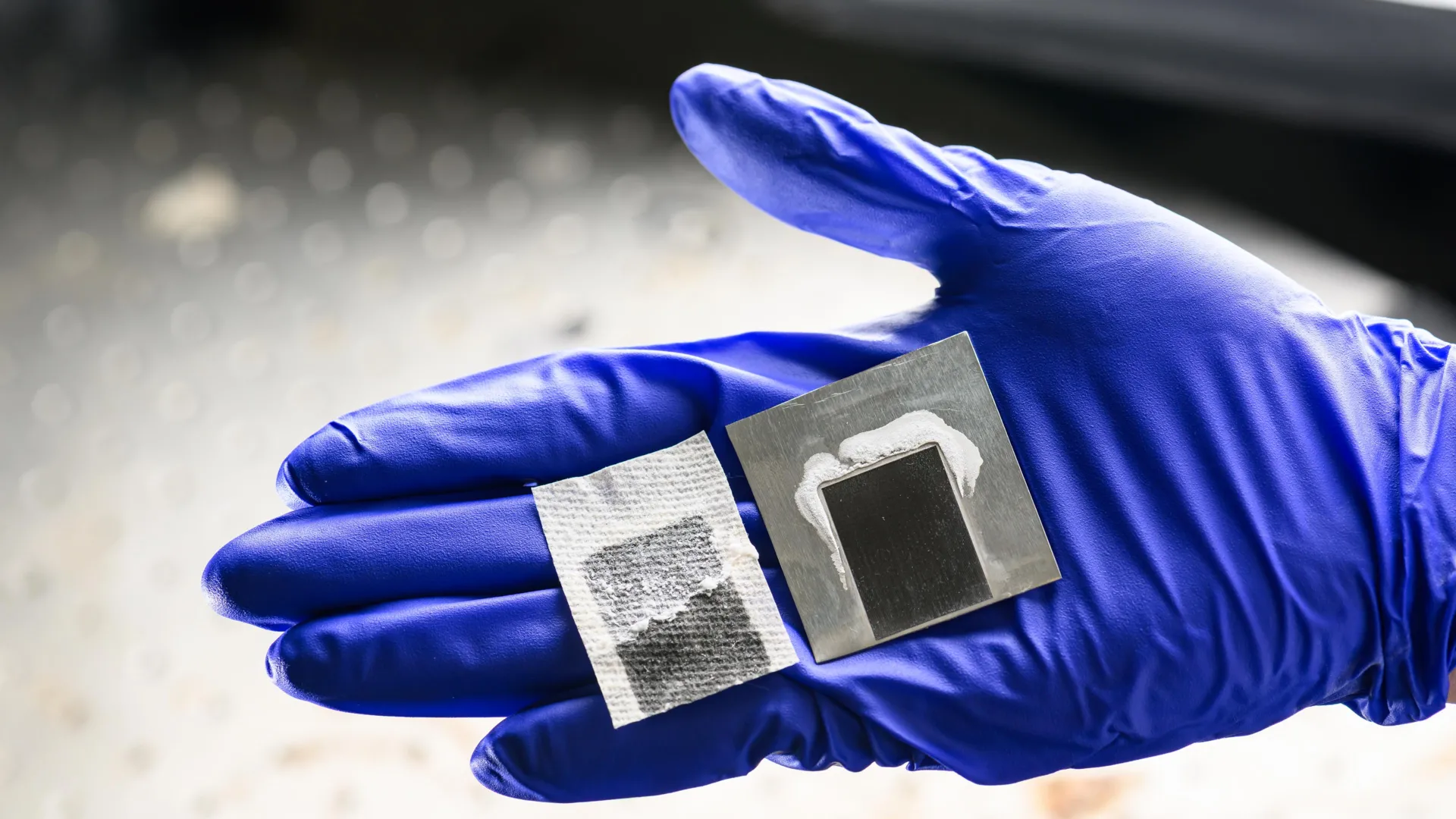
The underlying technology utilizes metal panels treated with femtosecond lasers—devices capable of emitting ultra-short optical pulses lasting only one quadrillionth of a second. When applied to ordinary metal surfaces, these high-intensity, ultra-fast laser bursts etch microscopic, highly complex topographical patterns directly into the material. This precision manufacturing process fundamentally alters the metal’s optical and physical interaction with its environment, transforming it into a pitch-black surface that absorbs nearly 100 percent of incoming solar radiation while acquiring extraordinary superwicking characteristics. Unlike untreated surfaces where water droplets pool or bead up, superwicking metals force fluids to spread into an exceptionally thin, uniform micro-layer across the material almost instantaneously.
While Guo’s laboratory spent preceding years refining these laser-surface interactions for various industrial applications, the pivot toward water purification gained intense momentum in the early 2020s. Recognizing that conventional solar stills suffered catastrophic efficiency losses due to salt crusting, the URochester team dedicated several years of experimentation to developing a fluid-dynamic solution that could handle real-world, highly complex marine brines rather than laboratory-grade saline solutions.
Engineering Challenges: Laboratories Versus Real-World Seawater
A major hurdle in previous solar thermal desalination initiatives has been the stark disparity between laboratory testing conditions and the complex chemical composition of natural seawater. Historically, researchers evaluated prototype panels using simplified artificial seawater composed purely of deionized water mixed with laboratory-grade sodium chloride (NaCl).
When sodium chloride solutions evaporate under solar heat, the resulting salt crystals typically form a porous, grainy matrix. This loose crystalline structure allows residual water to continue migrating through the salt layer via capillary action, perpetually dissolving the accumulated minerals and making the evaporation surface relatively easy to clean or maintain.
Real seawater, however, presents an infinitely more complex chemical profile. Beyond sodium chloride, natural ocean water contains vast concentrations of dissolved magnesium, calcium, sulfates, and trace minerals. As water evaporates from these complex mixtures, divalent ions such as calcium and magnesium combine to form dense, hard, impermeable scale deposits. This phenomenon closely mirrors the stubborn mineral buildup that clogs household showerheads or kitchen kettles over time.
In a desalination system, the consequences are severe. Because seawater contains hundreds of times more dissolved minerals than standard tap water, mineral scale accumulates rapidly across the evaporation interface. This hard crust chokes off capillary water movement, starves the system of incoming fluid, and ultimately halts evaporation entirely. Overcoming this physical barrier became the central engineering objective for Guo and his colleagues.
Harnessing the Coffee Ring Effect and the Passive Region Design
To circumvent the debilitating effects of hard mineral scaling, the University of Rochester team leveraged a common fluid-dynamic phenomenon known universally as the coffee ring effect. Famously observed when a spilled droplet of coffee dries and leaves a dark, concentrated ring of particulate matter along its outer periphery, this principle describes how evaporating liquid drives suspended particles outward toward the edges of a droplet.
Guo’s team engineered microscopic, precisely sculpted grooves into the laser-treated black metal panels. These capillary pathways are strategically oriented to exploit the coffee ring effect, directing dissolved salts and mineral ions away from the central "active region"—where solar radiation drives rapid evaporation—and toward untreated perimeter zones designated as "passive regions."
Rather than settling directly on the solar absorber and forming a crystalline crust, the salts are continuously pushed outward by the convective fluid flow. Consequently, the active evaporation zone remains entirely clear of mineral buildup, sustaining maximum energy absorption and water output over long operational cycles. Meanwhile, the displaced salts accumulate safely in the passive regions, where they can be harvested dry.
Rigorous testing validated this design. When researchers evaluated the panels using authentic seawater samples harvested from the Pacific, Atlantic, and Indian Oceans, the system demonstrated continuous self-cleaning functionality. Fresh water evaporated cleanly from the panels, while 100 percent of the residual salts were successfully shuttled into the peripheral passive zones without degrading overall desalination efficiency.
Transforming Hazardous Waste Into High-Value Resources
Perhaps the most consequential implication of the URochester technology lies in its transformation of what is traditionally treated as toxic industrial waste into a commercially viable resource. Conventional desalination plants produce millions of gallons of hyper-saline brine daily, presenting severe logistical and environmental challenges regarding disposal.
In stark contrast, Guo’s solar-powered system eliminates liquid brine entirely, extracting nearly 100 percent of dissolved salts in a solid, dry state. This solid byproduct opens unprecedented avenues for resource recovery. Basic sodium chloride harvested from the panels can be refined for standard commercial uses, while more valuable trace elements can be selectively isolated.
Among these valuable elements, lithium stands out as a prime economic and strategic target. As global demand for electric vehicles, smartphones, and renewable energy storage systems surges, the consumption of lithium-ion batteries has skyrocketed. Traditional lithium extraction methods—such as hard-rock mining or evaporating massive brine pools in arid flats—are exceptionally water-intensive, energy-consuming, and environmentally disruptive.
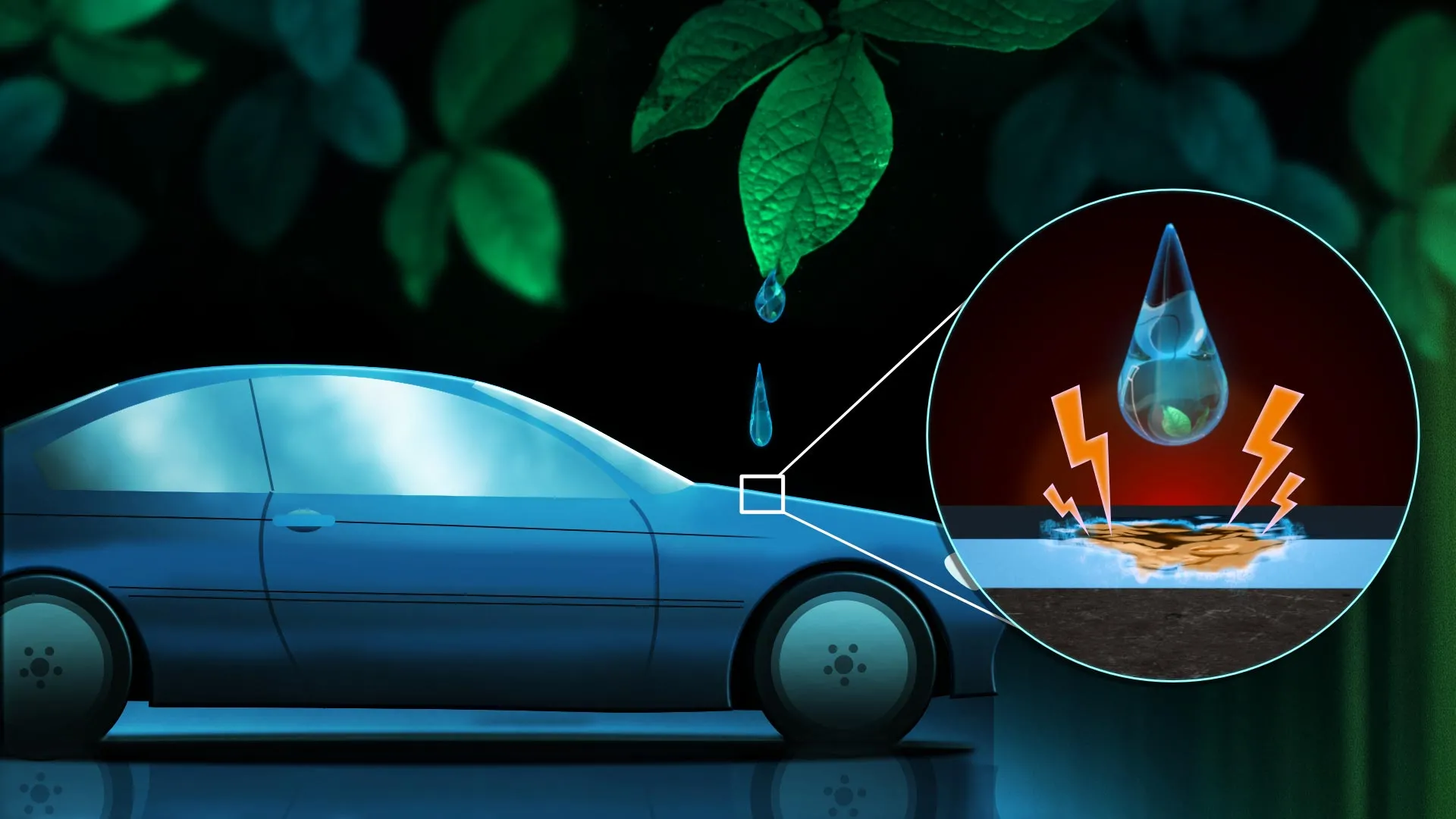
In a companion study published in the Journal of Materials Chemistry A, Guo’s research team demonstrated that their superwicking solar panels can be chemically modified to extract lithium directly from desalination byproduct salts. By embedding nanoscale particles of hydrogen titanate within the microscopic grooves of the black metal, the panels acquire selective chemical affinity for lithium ions, isolating them efficiently from complex multi-salt mixtures.
Testing the technology on brine samples sourced from the Great Salt Lake, the research team successfully recovered approximately 50 percent of the lithium contained within the residual salt mass. This dual-purpose capability suggests future desalination installations could function simultaneously as municipal freshwater utilities and high-value mineral refineries.
Official Responses, Funding, and Institutional Support
The potential of this dual-benefit technology has garnered substantial backing from prominent scientific and philanthropic institutions. The underlying research has received core financial support from the National Science Foundation (NSF), the Bill & Melinda Gates Foundation, and the Worldwide Universities Network (WUN), reflecting the project’s dual alignment with technological innovation and global public health.
Academic peers and industry observers have noted the significance of scaling such decentralized, environmentally benign infrastructure. While the technology currently exists at a proof-of-concept scale utilizing compact prototype panels, the foundational physics and modular design are inherently scalable.
"Mining lithium from the earth has proven to be very taxing from an energy and environmental standpoint, so pulling lithium directly from saltwater could be a very important future route," Professor Guo noted in institutional statements discussing the broader implications of the work.
In addition to Professor Guo, the interdisciplinary research team at URochester’s Institute of Optics includes Senior Scientist Subash Singh, recent doctoral graduate Ran Wei, current PhD students Luheng Tang and Tianshu Xu, and researcher Mingjiang Ma. Their collaborative efforts underscore the rigorous engineering and materials science required to translate fundamental laser physics into applied environmental solutions.
Broader Economic and Environmental Implications
As municipal planners grapple with intensifying water stress driven by shifting climate patterns and swelling urban populations, the demand for sustainable, low-carbon desalination technologies has never been more urgent. Traditional mega-desalination plants require multi-million-dollar capital investments, massive grid-tied power infrastructures, and extensive environmental mitigation strategies to manage brine disposal.
A solar-thermal, self-cleaning technology that operates independently of electrical grids presents a compelling decentralized alternative. By relying exclusively on solar energy, these panels can be deployed in remote coastal communities, arid inland agricultural zones, and developing regions where centralized power and water distribution networks are absent or economically unfeasible.
Furthermore, domesticating the supply chain for critical battery metals like lithium through seawater extraction could mitigate geopolitical vulnerabilities associated with overseas mineral supply chains while significantly shrinking the carbon footprint of the energy transition. By simultaneously addressing the global freshwater deficit and the environmental toll of mineral extraction, the University of Rochester’s solar desalination breakthrough offers a blueprint for sustainable resource management in the decades ahead.