Rubedo Life Sciences, an AI-driven biotech startup focused on longevity, has announced positive preliminary results from its Phase 1b/2a study for RLS-1496, an investigational drug targeting actinic keratosis (AK). The announcement signals a potential breakthrough in the treatment of these common precancerous skin lesions, promising significant efficacy without the severe local skin reactions that plague current standard therapies. The trial’s initial findings suggest a novel mechanism of action that could not only treat existing lesions but also rejuvenate sun-damaged skin, marking a significant advancement in dermatological care.
For millions of individuals worldwide, actinic keratoses represent a tangible threat of skin cancer. These rough, scaly patches, primarily caused by cumulative ultraviolet (UV) exposure, are the most common precancerous lesions, with an estimated prevalence of 58 million Americans affected annually. While not all AKs progress to invasive squamous cell carcinoma (SCC), a significant percentage do, making early and effective treatment crucial. However, the existing treatment landscape, encompassing cryosurgery, photodynamic therapy (PDT), and topical agents like 5-fluorouracil (5-FU, marketed as Efudex or Carac) and imiquimod, often presents a difficult choice for patients. These therapies, though effective, are notoriously associated with intense local inflammatory reactions, including severe redness, peeling, burning, pain, and erosion, often lasting for weeks.
The Intolerable Burden of Current Actinic Keratosis Treatments
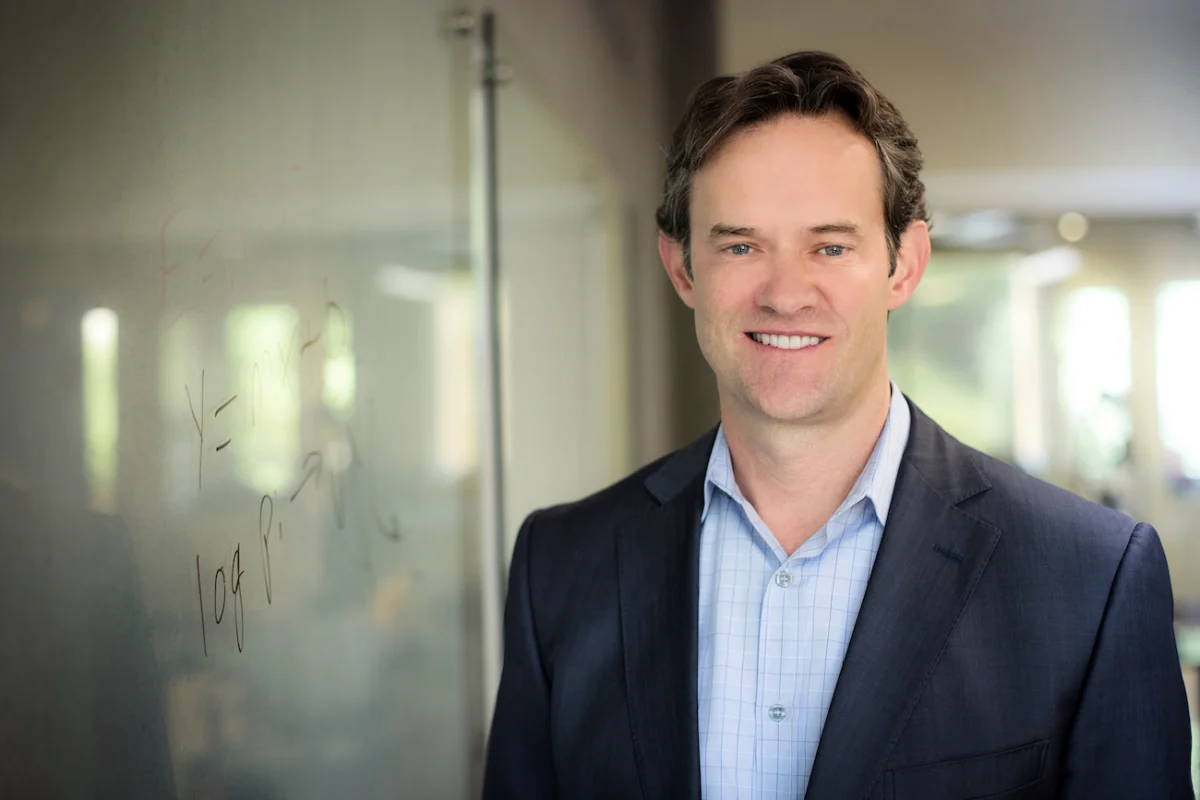
The severe side effects of conventional AK treatments are a major barrier to patient adherence and overall treatment success. Dr. Frederick Beddingfield III, CEO of Rubedo Life Sciences and a dermatologist with extensive clinical experience, starkly describes the effects of topical chemotherapy like 5-FU. "It looks like they had a CO2 laser treatment, or a blowtorch treatment," he remarked, referring to the "extreme" redness and irritation. The official FDA label for Carac, a 0.5% fluorouracil cream, explicitly warns patients that treated areas may appear "unsightly" during and after therapy, detailing a litany of application-site reactions including dryness, burning, pain, erosion, and swelling.
This unpleasant reality forces dermatologists into a difficult conversation with their patients. As Dr. Beddingfield explains, "What we tell patients, and I’ve written hundreds of these prescriptions, is that if you don’t get irritation, you won’t get improvement. The same is true for imiquimod." This perceived necessity of discomfort for efficacy often leads to a significant patient dilemma. While 5-FU can reduce lesion counts by approximately 90% in some studies, its efficacy is undermined by poor real-world adherence. A 2023 study involving 113 patients revealed that nearly half were non-adherent to their prescribed topical AK therapies, with only about a third using their medication exactly as directed. Even under controlled trial conditions, a large Dutch study on field-directed therapies noted that 12% of patients were non-adherent. The physical and psychological burden of side effects was so profound that a 2023 study of patients who refused a second course of 5-FU found it outweighed their concern about the lesions themselves.
This cycle of recurrence, discomfort, and non-adherence creates a persistent challenge for both patients and healthcare providers. "These patients are in your office constantly, because even if you clear the AKs, they come back," Beddingfield emphasized. "So there’s a compliance issue, a tolerability issue, an appearance issue, and a lot of room for improvement." The cumulative effect of these challenges underscores the urgent need for more tolerable and patient-friendly treatment options.
RLS-1496: A New Horizon for AK Treatment
Rubedo Life Sciences’ RLS-1496 offers a glimmer of hope in this challenging landscape. The preliminary results from the open-label Phase 1b/2a study, which evaluated 18 of 24 enrolled patients, demonstrated a significant 46% reduction in AK lesion count at four weeks. This compared favorably to an 11% reduction observed on the untreated contralateral forearm, serving as an internal control. Crucially, the trial reported no serious adverse events and no discontinuations directly attributable to side effects, a stark contrast to the profile of existing treatments.
The absence of significant irritation while achieving substantial efficacy is the cornerstone of RLS-1496’s promise. Dr. Beddingfield highlighted this pivotal difference: "We didn’t see any irritation, yet we’re getting efficacy, so this works by an entirely different mechanism, and it’s much more pleasant for the patient." This distinction is not merely about comfort; it directly addresses the critical issue of patient adherence, which has historically hampered the long-term effectiveness of AK management. A well-tolerated therapy dramatically increases the likelihood of patients completing their full course of treatment, leading to better outcomes and reduced risk of disease progression.
Beyond Lesion Reduction: The Promise of Skin Rejuvenation
Rubedo’s ambition for RLS-1496 extends beyond merely clearing existing lesions. The trial was strategically designed to assess whether the drug could also improve the underlying sun-damaged skin that serves as the breeding ground for AKs. This dual objective is rooted in the drug’s novel mechanism of action, which targets cellular senescence. If successful, RLS-1496 could function as "almost a regenerative treatment for the skin, potentially preventing future actinic keratoses or skin cancers." Dr. Beddingfield articulated the profound potential, suggesting that "you could essentially turn back the clock on the sun damage most of us did in our teens."
While the initial data released focuses solely on lesion counts, the readout for the skin-aging measurements, which will indicate whether the drug actively rejuvenates damaged skin, is eagerly anticipated within weeks. This aspect of the drug’s potential is particularly exciting, as it aligns with the broader "longevity" focus of Rubedo Life Sciences, aiming to address the root causes of age-related conditions at a cellular level. The ability to not just treat symptoms but to improve the fundamental health of the skin could transform preventive dermatology.
Unpacking the "Nietzschean Biology": Senescence and Ferroptosis
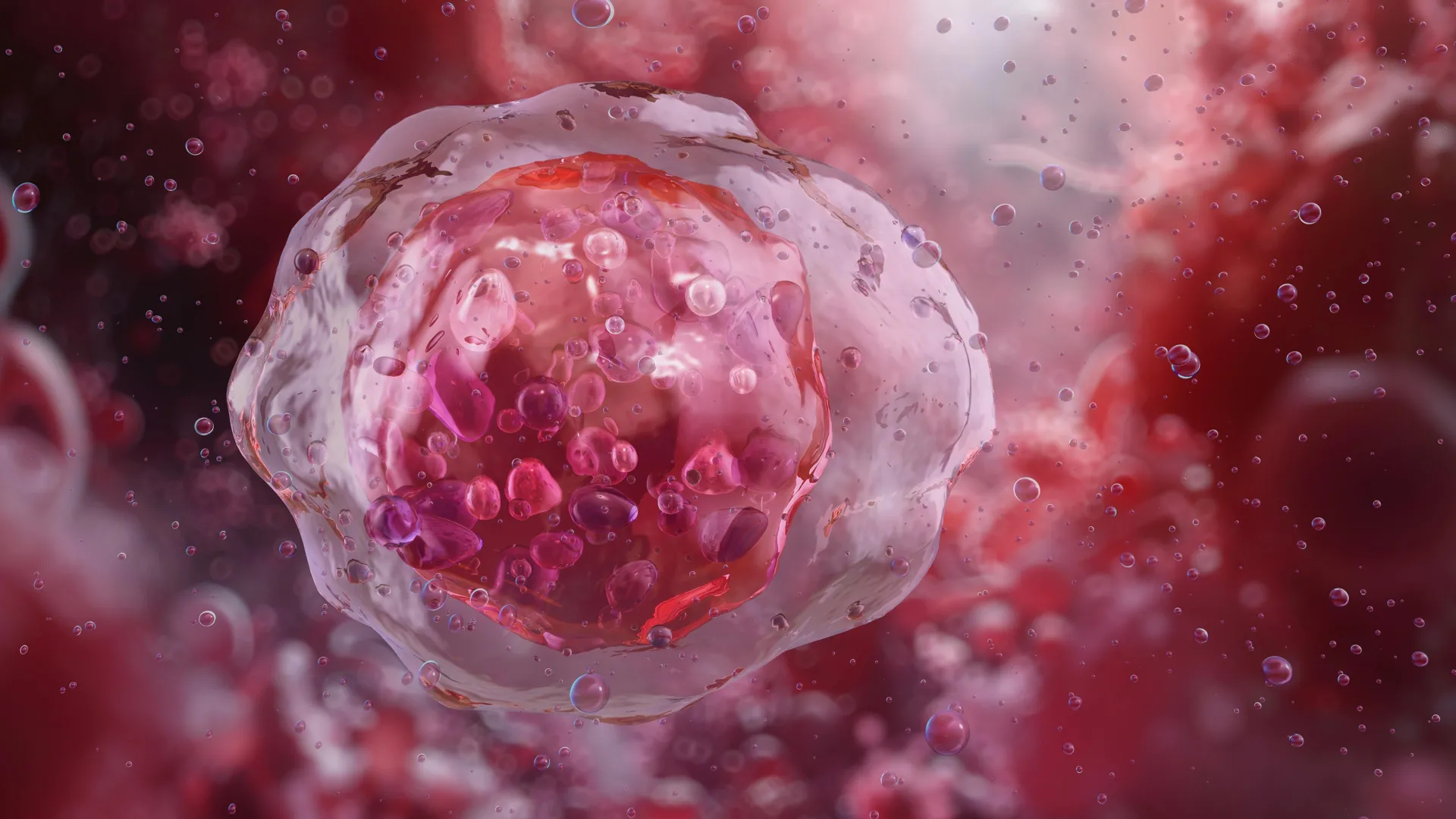
The unique mechanism of RLS-1496 is what Rubedo terms "Nietzschean biology," a concept that plays on the philosopher’s adage, "What doesn’t kill you makes you stronger." In the context of RLS-1496, this applies at the cellular level. The drug functions as a selective modulator of glutathione peroxidase 4 (GPX4), a selenoenzyme critical for protecting cells from ferroptosis, a distinct iron-dependent form of programmed cell death.
Rubedo’s model posits that briefly inhibiting GPX4 elicits two distinct, yet beneficial, responses depending on the cell’s state:
-
Targeting Senescent Cells: Senescent cells, often referred to as "zombie cells," are damaged cells that have ceased dividing but remain metabolically active, secreting pro-inflammatory factors that contribute to aging and disease, including cancer. These cells are already in a state of cell-cycle arrest and are particularly vulnerable to stress. RLS-1496’s temporary inhibition of GPX4 pushes these compromised senescent cells over the edge, tipping them into ferroptosis and effectively clearing them from the tissue. This selective elimination of senescent cells, a hallmark of senolytic therapies, is believed to reduce the inflammatory burden and promote healthier tissue function.
-
Boosting Healthy Cells: For cells that are merely aged but still functional, the same temporary GPX4 inhibition acts as a mild, transient stressor. Instead of succumbing, these healthier cells mount an adaptive response, strengthening their intrinsic defense mechanisms against future oxidative stress and damage. This "what doesn’t kill you makes you stronger" effect contributes to the overall rejuvenation of sun-damaged skin.
This dual-action mechanism—eliminating harmful senescent cells while bolstering the resilience of healthier, aged cells—represents a sophisticated approach to cellular health and disease prevention. While this two-part mechanism remains a hypothesis, awaiting further validation from the skin-aging measurements, the preliminary AK lesion reduction data provides compelling early evidence of its therapeutic potential. The drug’s ability to selectively intervene in cellular pathways without causing widespread inflammation suggests a precision that current broad-spectrum treatments lack.
The Broader Context: The Rise of Longevity Medicine
Rubedo Life Sciences’ work with RLS-1496 is firmly situated within the burgeoning field of longevity medicine. This interdisciplinary area focuses on understanding and intervening in the fundamental biological processes of aging to extend healthy lifespan and prevent age-related diseases. Cellular senescence is a cornerstone of aging research, with senolytics (drugs that selectively destroy senescent cells) and senomorphics (drugs that modulate senescent cell activity) garnering significant attention across various therapeutic areas, from neurodegenerative diseases to metabolic disorders and, increasingly, dermatology.
The success of RLS-1496 in AK could validate the application of senescence-targeting therapies in dermatological conditions, opening doors for similar approaches in other age-related skin disorders or even broader anti-aging interventions. The integration of artificial intelligence (AI) in Rubedo’s drug discovery process further exemplifies the cutting-edge nature of their approach, leveraging computational power to identify novel therapeutic targets and compounds more efficiently.
Clinical Development Timeline and Future Prospects
Following these encouraging preliminary Phase 1b/2a results, Rubedo Life Sciences is poised to advance RLS-1496 into further clinical development. A Phase 2b dose-ranging study for actinic keratosis is slated to commence in the fourth quarter of 2026. This next phase will be crucial for determining the optimal dosage, further evaluating efficacy across a larger patient cohort, and gathering more extensive safety data.
The journey from promising preliminary results to a widely available therapeutic is long and arduous, requiring rigorous testing through multiple clinical trial phases, regulatory approvals, and manufacturing scale-up. However, the initial signal from RLS-1496 is strong enough to generate significant optimism among dermatologists, patients, and investors alike. If future trials continue to align with these preliminary data, RLS-1496 could fundamentally alter the treatment paradigm for actinic keratosis, moving away from destructive, irritating therapies towards a gentler, regenerative approach.
Implications for Patients, Practitioners, and the Pharmaceutical Market
The successful development of RLS-1496 would have far-reaching implications:
- For Patients: A more tolerable treatment option would dramatically improve quality of life during therapy, encourage higher adherence rates, and potentially lead to better long-term prevention of skin cancer. The prospect of not just treating lesions but also rejuvenating sun-damaged skin offers a new dimension of hope for maintaining skin health.
- For Dermatologists: RLS-1496 could provide a powerful new tool, allowing them to prescribe an effective treatment without the associated patient distress and the constant need to manage side effects or non-adherence. This could free up clinical resources and improve patient satisfaction. It might also shift clinical practice towards earlier, more proactive intervention for sun-damaged skin.
- For the Pharmaceutical Market: The actinic keratosis market is substantial, driven by an aging population and persistent UV exposure. A highly effective and well-tolerated therapy like RLS-1496 could capture a significant share of this market, potentially displacing existing topical treatments. Furthermore, its success would bolster the commercial viability of longevity-focused therapeutics and senolytic approaches, encouraging further investment and research in this innovative space.
The announcement from Rubedo Life Sciences represents more than just another drug trial update; it signifies a potential shift in how precancerous skin conditions are approached. By leveraging insights from cellular aging and programmed cell death, RLS-1496 promises a future where preventing skin cancer doesn’t have to be a painful ordeal, but rather a path towards healthier, more resilient skin. The scientific community and millions of patients will be closely watching as Rubedo progresses RLS-1496 through its next critical stages of development.