Global water scarcity remains one of the defining humanitarian and environmental challenges of the twenty-first century. According to recent estimates compiled by the United Nations, approximately 2.2 billion people worldwide still lack access to safely managed drinking water. As climate change accelerates droughts, agricultural demands increase, and traditional freshwater aquifers are depleted, municipalities from the American Southwest and California to the hyper-arid regions of the Middle East have increasingly turned to seawater desalination. While large-scale desalination plants have provided a vital lifeline for millions, conventional methods carry heavy ecological and economic tolls.
For decades, standard desalination has relied primarily on two energy-intensive methodologies: reverse osmosis and thermal distillation. Reverse osmosis forces high-pressure seawater through semipermeable membranes to filter out dissolved ions, whereas thermal distillation uses heat to boil water, capturing the resulting steam while leaving salts behind. Both processes are notorious for consuming vast quantities of electrical or thermal energy, requiring extensive chemical pre-treatment of incoming raw water to prevent biological fouling of equipment, and generating a problematic byproduct known as brine.
When returned to marine ecosystems, hypersaline brine—often laden with anti-scaling and anti-fouling chemical additives—sinks to the ocean floor, increasing local salinity and severely depleting dissolved oxygen levels. These toxic plumes create dead zones that suffocate fish, invertebrates, and delicate benthic habitats, drawing intense scrutiny from environmental regulators.
A Paradigm Shift in Solar Thermal Desalination
To bypass these systemic limitations, a team of researchers at the University of Rochester’s Institute of Optics has developed a novel solar thermal desalination technology. Detailed in a study published in the peer-reviewed journal Light: Science & Applications, the breakthrough system harnesses sunlight to evaporate seawater efficiently while entirely eliminating liquid brine discharge. Crucially, the technology also manages to capture nearly 100 percent of the removed minerals in solid form, transforming what was once hazardous industrial waste into a potential economic resource.
The research effort was spearheaded by Chunlei Guo, a professor of optics and physics alongside a senior scientist at URochester’s Laboratory for Laser Energetics. The core innovation builds upon years of foundational research into surface science and materials engineering conducted in Guo’s laboratory.
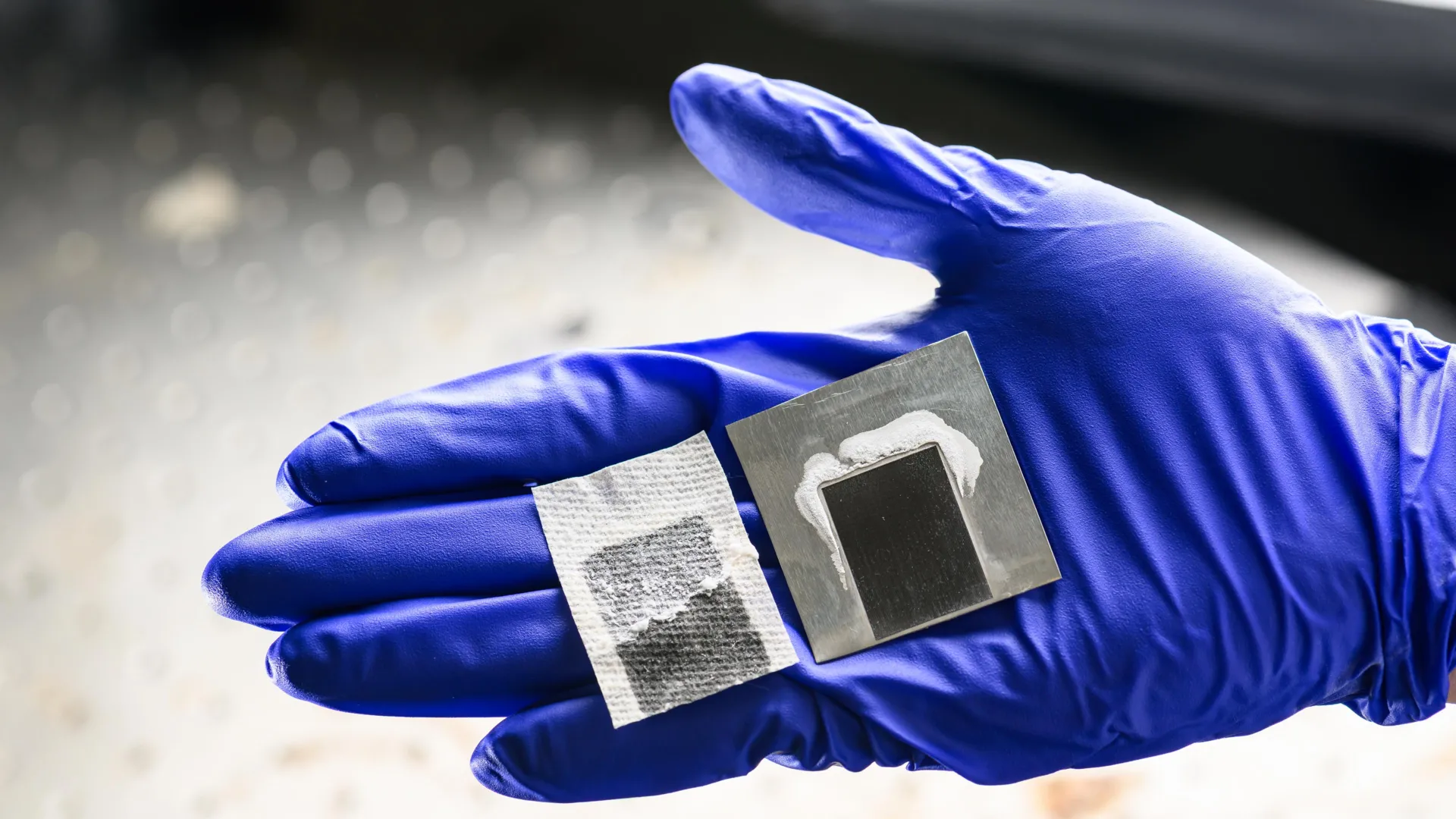
At the center of the technology are specialized solar panels fabricated from ordinary metal sheets treated with femtosecond lasers. A femtosecond represents an extraordinarily brief interval of time—one quadrillionth of a second. By subjecting metal surfaces to ultra-fast, high-intensity laser pulses, the researchers can modify the physical topology of the material at the micro and nanoscale. This precise laser ablation alters how the metal interacts with both light and liquid, rendering it pitch black and superwicking. The treated metal absorbs nearly all incident solar radiation without reflecting it away as heat, while its capillary properties cause water to spread rapidly across its expanse rather than pooling into droplets.
Overcoming the Real-World Complexities of Seawater
Historically, solar-driven desalination has faced a major bottleneck: scale accumulation. In controlled laboratory environments, researchers have long demonstrated successful solar evaporation using synthetic seawater composed purely of distilled water and sodium chloride (table salt). When sodium chloride crystallizes out of evaporating artificial brine, it typically forms a porous, granular matrix. Water can continue to percolate through these loose crystal structures, dissolving accumulated deposits and naturally mitigating blockages.
Natural seawater, however, is chemically complex. Alongside sodium chloride, it contains significant concentrations of dissolved magnesium, calcium, sulfates, and trace metals. As genuine seawater evaporates, these multivalent compounds precipitate out of solution not as porous grains, but as dense, hard, impermeable mineral scales.
This phenomenon mirrors the stubborn limescale buildup that gradually chokes residential showerheads or kettle interiors. In a desalination system handling oceanic water concentrations—which contain hundreds of times more dissolved solids than tap water—this mineral crust spreads rapidly. Without intervention, scale acts as an insulating barrier, choking off water flow, reflecting sunlight, and rendering the evaporator entirely inactive within hours.
Harnessing the Coffee Ring Effect for Self-Cleaning Surfaces
To prevent this catastrophic scaling, Guo’s team looked to a familiar everyday fluid dynamic: the coffee ring effect. When a droplet of coffee spills and dries on a kitchen counter, the evaporating liquid pulls suspended particulates outward toward the droplet’s perimeter, leaving behind a distinct, dark circular ring.
The URochester engineers engineered microscopic, precision-etched grooves into the laser-treated black metal panels to deliberately weaponize this capillary phenomenon. The active central zone of the panel draws a microscopic layer of seawater across its surface, where concentrated solar heat drives rapid evaporation. Instead of permitting minerals to precipitate directly within the evaporation zone, the surface architecture exploits the coffee ring effect to actively sweep and push dissolved salts toward the unheated, passive regions situated along the panel’s flanks.
Through rigorous testing using genuine seawater samples harvested directly from the Pacific, Atlantic, and Indian Oceans, the researchers confirmed that the panels maintained high evaporation rates continuously. The surfaces proved self-cleaning, directing solid mineral deposits safely away from active solar zones into peripheral collection areas without any degradation in overall operational efficiency.
From Brine Disposal to Urban Mining: Extracting Lithium
Perhaps the most transformative aspect of the URochester technology lies in its final output. Rather than discharging a toxic, high-volume brine slurry back into coastal waters, the system extracts virtually all dissolved ions as solid cakes of dry salt. This capability completely rewrites the economics and environmental footprint of desalination, opening the door to what engineers call "urban mining"—the recovery of valuable commodities from industrial waste streams.
While a portion of the harvested precipitate can be refined into standard salt products, the system’s ability to target high-value strategic minerals represents a profound geopolitical and industrial asset. Among the most critical targets is lithium, the indispensable alkali metal powering the global transition toward electric vehicles, grid-scale renewable energy storage, and portable consumer electronics. Traditional lithium extraction from hard-rock mining or subterranean brine pools is notoriously water-intensive, ecologically disruptive, and carbon-heavy.
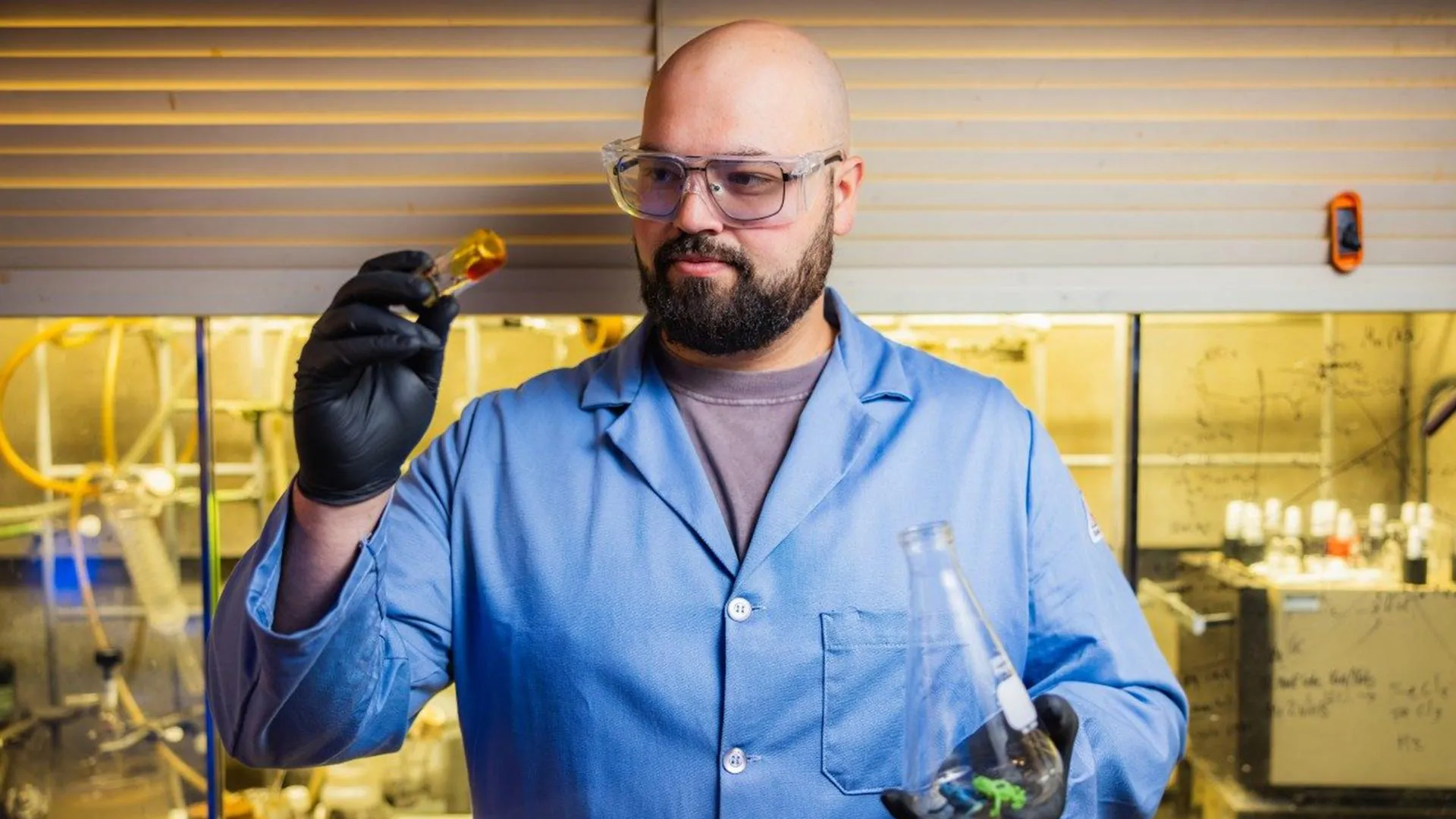
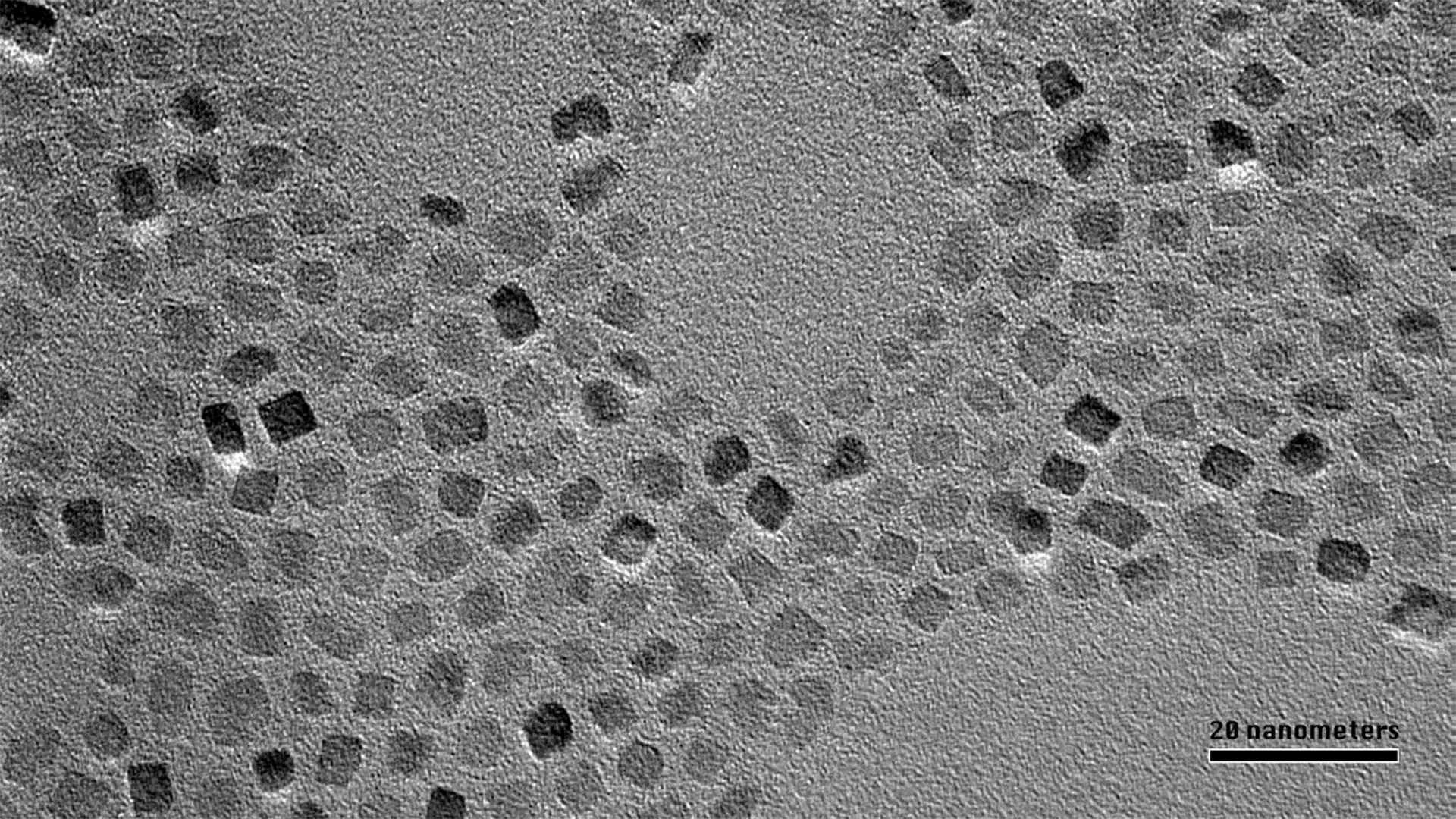
In a complementary study published in the Journal of Materials Chemistry A, Guo and his collaborators demonstrated that their superwicking solar panels could be chemically adapted to selectively isolate lithium from the harvested salt mixtures. By embedding microscopic nanoparticles of hydrogen titanate within the laser-etched grooves of the black metal, the panels acquire a chemical affinity for lithium ions, pulling them away from the broader mineral matrix.
During experimental trials utilizing brine samples sourced from Utah’s Great Salt Lake, the modified panels successfully recovered approximately 50 percent of the lithium contained within the raw mineral residue.
Implications for Global Water Security and Clean Energy
The convergence of efficient freshwater generation and selective mineral extraction points toward a future where municipal desalination infrastructure functions simultaneously as a water utility and a critical materials refinery. While the technology currently remains at a proof-of-concept stage, utilizing small-scale prototype devices in laboratory settings, the underlying architecture is fundamentally modular and scalable.
The broader industrial and geopolitical implications are significant. As municipal leaders and environmental agencies grapple with tightening regulations on brine disposal and escalating energy grids, a decentralized, solar-powered system that produces zero liquid waste offers an appealing alternative. Furthermore, securing domestic or localized supplies of battery-grade lithium directly from wastewater streams could alleviate supply chain vulnerabilities for nations seeking to accelerate their decarbonization goals without expanding environmentally taxing terrestrial mining operations.
Financial and institutional support for the underlying research has been provided by the National Science Foundation, the Bill & Melinda Gates Foundation, and the Worldwide Universities Network. Alongside Prof. Chunlei Guo, key contributions to the published findings were made by Institute of Optics Senior Scientist Subash Singh, recent PhD alumnus Ran Wei, doctoral researchers Luheng Tang and Tainshu Xu, and colleague Mingjiang Ma.
As the research team moves toward pilot-scale field testing, the scientific community views this development as a crucial step toward harmonizing the human demand for clean water with the planetary imperative for ecological preservation. By turning a stubborn waste challenge into a dual-purpose resource engine, the University of Rochester’s laser-textured panels may well redefine how coastal and arid societies manage their most vital liquid resources in the decades ahead.