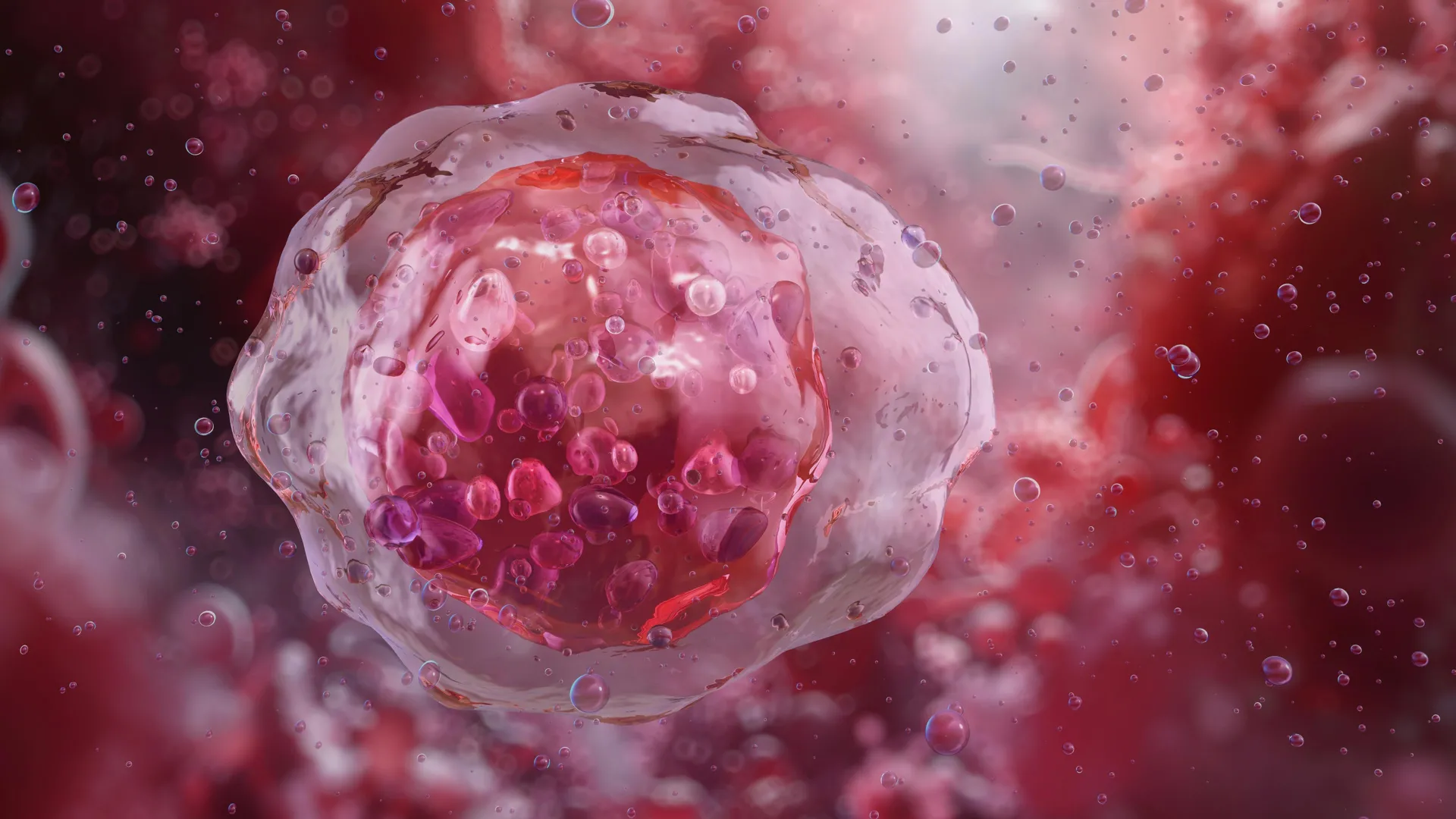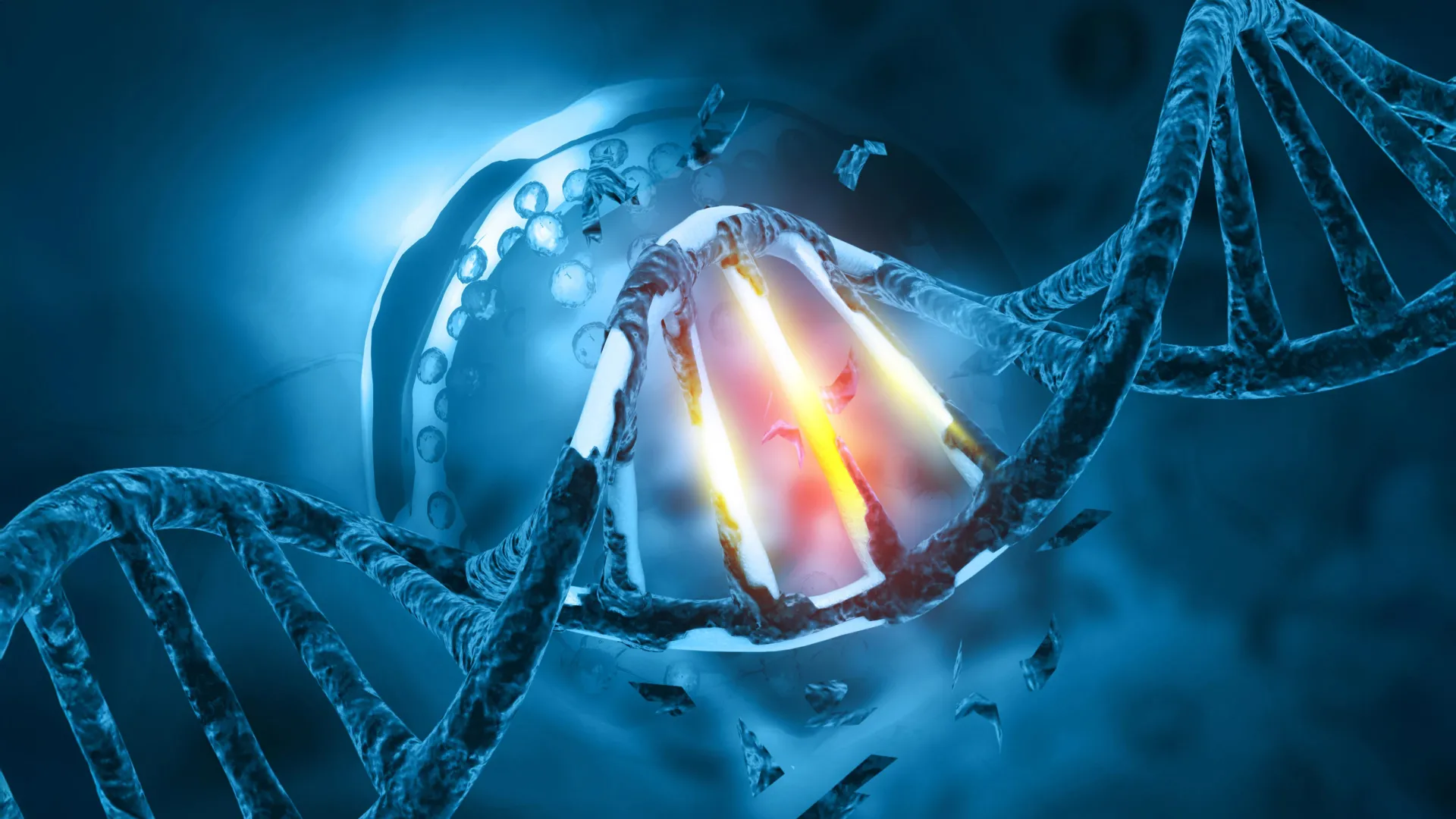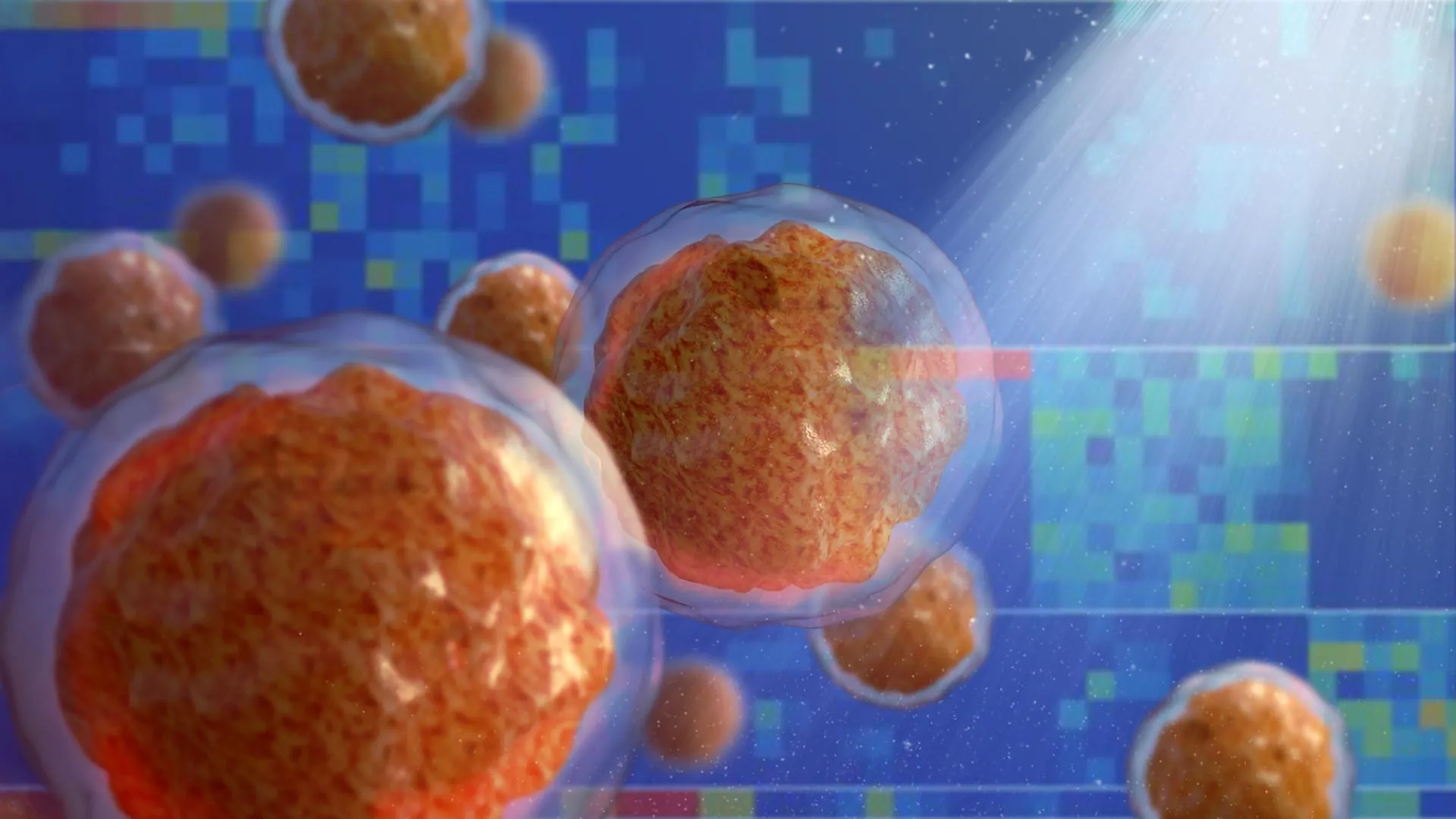
The sugar glucose, long recognized as the primary fuel driving the machinery of almost every living cell, has been revealed to possess a hidden, secondary identity as a master regulator of tissue differentiation. In a landmark study conducted by researchers at Stanford Medicine, it was discovered that glucose dictates the process by which undifferentiated stem cells transform into the specialized cells that constitute the body’s various tissues. This regulatory function is entirely distinct from glucose’s role in catabolism, where it is broken down to release energy. Instead, the molecule acts in its intact form, binding directly to specific proteins to control the timing and execution of gene expression.
The discovery of this "undercover double life" for one of biology’s most fundamental molecules was so unexpected that the research team spent several years conducting exhaustive follow-up experiments to verify the mechanism. Dr. Paul Khavari, MD, PhD, chair of dermatology at Stanford and the study’s senior author, noted that the initial findings were met with significant internal skepticism. The results, however, remained consistent across various models: glucose interacts with hundreds of proteins within the cell, modulating their function to drive the maturation of tissues.
The Serendipity of the Discovery Process
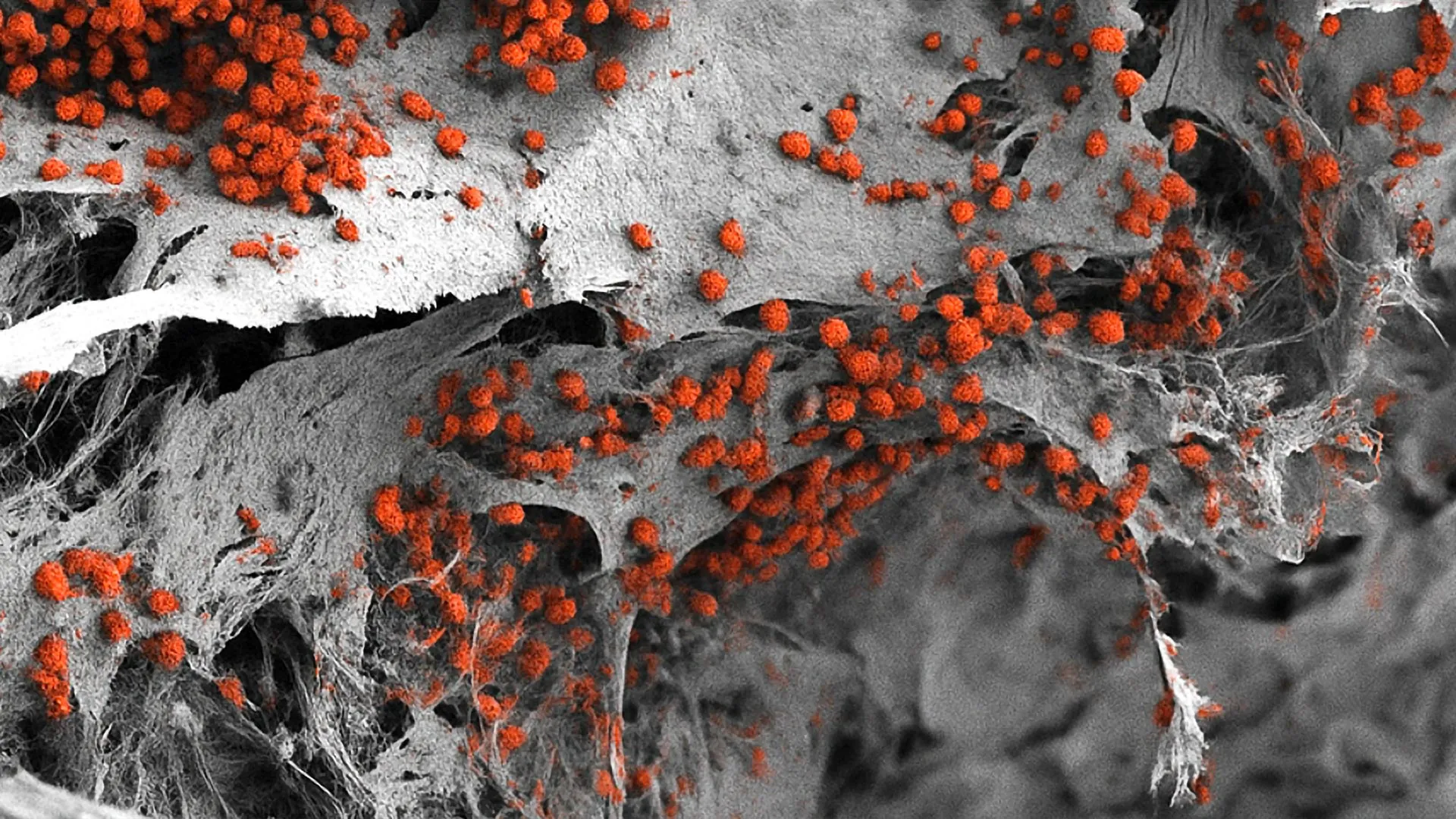
The journey toward this discovery began not with a focus on glucose, but with a broader inquiry into the molecular drivers of cellular differentiation. Dr. Vanessa Lopez-Pajares, a research scientist and the study’s lead author, worked alongside Khavari to track the fluctuations of thousands of biomolecules. Using a combination of mass spectrometry and high-throughput screening, the team monitored human skin stem cells as they transitioned into mature keratinocytes—the primary cells forming the skin’s protective outer layer.
The researchers operated on the hypothesis that molecules increasing in abundance during this transition would likely be the drivers of differentiation. Upon analyzing the data, they identified 193 candidate molecules. While many were known factors in cellular development, the second-most elevated molecule on the list was glucose. This finding was paradoxical according to established biological principles. Generally, as cells differentiate, they divide less frequently and their metabolic demands decrease. Scientists would typically expect glucose levels to drop as a cell moves toward a specialized, less proliferative state.
To confirm this anomaly, the team utilized fluorescent and radioactive glucose analogs, alongside biological sensors that emit light in the presence of specific glucose concentrations. The results were undeniable: as skin stem cells differentiated, they glowed with increasing intensity, signaling a significant rise in internal glucose levels. This pattern was not unique to skin; further investigations into developing fat, bone, and white blood cells, as well as studies involving genetically engineered mice, confirmed that glucose accumulation is a global phenomenon across various tissue types during maturation.
Decoupling Energy from Signaling
A critical phase of the research involved determining whether this glucose surge was merely providing extra energy for the differentiation process or serving a different purpose. Through a series of sophisticated experiments, the Stanford team demonstrated that the increase in intracellular glucose resulted from both enhanced import and restricted export of the sugar. Most importantly, this accumulation was not accompanied by an increase in glycolysis or other metabolic breakdown processes.
The definitive proof of glucose’s non-metabolic role came from the use of glucose analogs—molecules that mimic the structure of glucose but cannot be broken down by the cell for energy. When human skin organoids (engineered 3D tissues that mimic native skin) were grown in environments with low glucose, they failed to differentiate properly, affecting the expression of more than 3,000 genes. However, when these organoids were supplied with non-metabolizable glucose analogs, the differentiation process resumed normally.
This finding fundamentally shifts the understanding of glucose from a passive substrate to an active signaling molecule. Khavari likened the effect to a "broadcast signal." Unlike traditional signaling pathways that follow a specific, linear cascade of protein-to-protein interactions, a rise in glucose levels saturates the entire cell simultaneously. Khavari compared it to a fire alarm in a firehouse: once the signal is triggered, every component of the system activates at once to perform its designated role.
The IRF6 Mechanism and Protein Binding
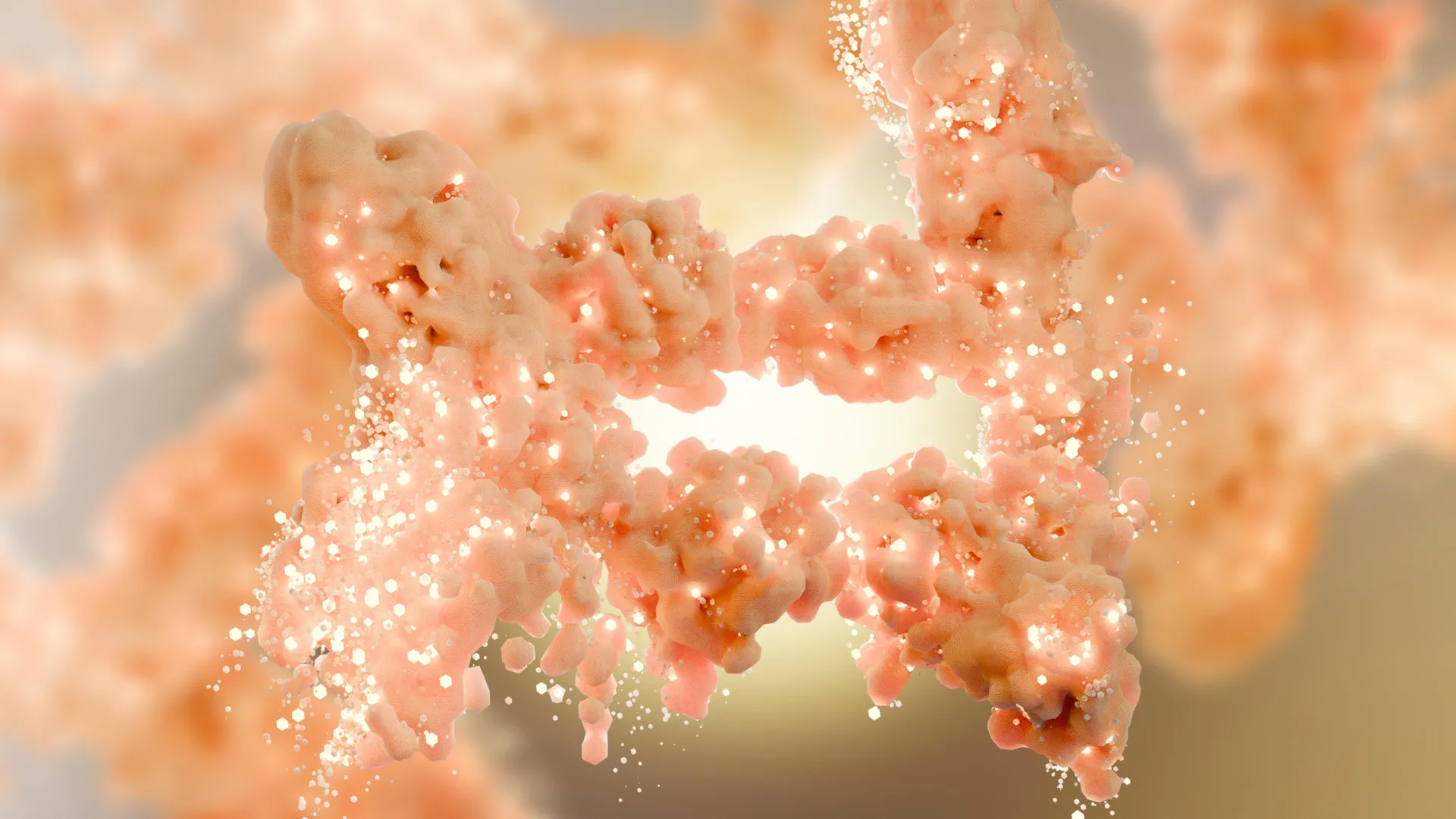
To understand how glucose exerts this control, the researchers investigated its interaction with cellular proteins. They found that once glucose enters the cell in high concentrations, it binds to a wide array of proteins. One of the most significant targets is IRF6 (Interferon Regulatory Factor 6), a protein known to be essential for the formation of the epidermis and other tissues.
When glucose binds to IRF6, it induces a conformational change—a physical reshaping of the protein. This change alters the protein’s ability to interact with the genome, thereby switching on the specific genes required for the cell to specialize and mature. This mechanism provides a direct link between the availability of a simple nutrient and the complex genetic orchestration of tissue development.
Historical Context and Scientific Implications
While the Stanford study provides the first comprehensive look at this mechanism, there have been historical "inklings" of glucose’s regulatory role. For decades, developmental biologists have noted that embryonic stem cells lose their "stemness"—their ability to become any cell type—when exposed to high glucose environments. It was previously assumed this was a side effect of metabolic stress, but the new data suggests it is a direct result of glucose signaling the cells to begin the differentiation process prematurely.
Furthermore, the study sheds light on the "Warburg Effect," a phenomenon observed in cancer cells where they consume vast amounts of glucose but ferment it into lactate rather than burning it efficiently for energy. While the Warburg Effect is usually discussed in terms of energy and biomass production, the Stanford findings suggest that cancer cells might also manipulate glucose levels to prevent differentiation, thereby remaining in a highly proliferative, immature state.
Broader Medical and Therapeutic Impacts
The implications of this research extend into the treatment of several major health conditions, most notably diabetes and cancer. In patients with diabetes, chronically elevated blood sugar levels are known to cause significant complications, including impaired wound healing and poor tissue regeneration. By identifying glucose as a regulator of differentiation, scientists can now explore whether the "sugar-soaked" environment of a diabetic patient’s tissues is sending conflicting signals to stem cells, preventing them from properly repairing skin or blood vessels.
In the field of oncology, the discovery opens new avenues for "differentiation therapy." Many aggressive cancers are characterized by cells that have "dedifferentiated," losing their specialized functions and reverting to a primitive, rapidly dividing state. Some glucose analogs have already been tested in clinical trials with the intent of starving cancer cells. However, Khavari’s research suggests these drugs might actually work by forcing immature cancer cells to differentiate into specialized cells that no longer divide uncontrollably.
Conclusion and Future Research Directions
The Stanford Medicine study, published in the journal Cell Stem Cell, marks the beginning of a new field of inquiry into how small, common biomolecules act as sensors and regulators within the cell. The research was supported by the National Institutes of Health and the U.S. Department of Veterans Affairs, reflecting its high priority within the scientific community.
The team plans to continue investigating the "glucose proteome"—the full list of proteins that glucose binds to—to see how these interactions vary in different diseases. The discovery serves as a reminder that even the most well-studied molecules in biology can still harbor fundamental secrets. As Khavari noted, the scientific community has long viewed small molecules like glucose as passive participants in the cellular economy. This research proves they are, in fact, active managers of the cell’s destiny, opening a springboard for research that could eventually change how we treat metabolic disorders and terminal illnesses alike.