The global transition toward a carbon-neutral economy is fundamentally tied to the evolution of energy storage technology. From the smartphones that facilitate modern communication to the electric vehicles (EVs) designed to replace internal combustion engines, the efficiency of these devices is currently limited by the chemistry of the lithium-ion battery. While liquid-electrolyte batteries have dominated the market for decades, they are approaching their theoretical limits in terms of energy density and safety. Consequently, the scientific community and the automotive industry have turned their attention to solid-state batteries (SSBs) as the "holy grail" of energy storage. However, a persistent technical hurdle—the formation of microscopic lithium structures known as dendrites—has long prevented these batteries from reaching commercial viability. In a landmark study published in the journal Nature, an interdisciplinary research team at the Max Planck Institute for Sustainable Materials (MPI-SusMat) has finally decoded the mechanical process by which these dendrites destroy solid-state batteries, offering a roadmap for engineers to overcome this obstacle.
The Evolution of Battery Technology: From Liquid to Solid
To understand the significance of the MPI-SusMat discovery, it is essential to contextualize the current state of battery technology. Conventional lithium-ion batteries rely on a liquid electrolyte to transport lithium ions between the cathode and the anode. While effective, these liquid electrolytes are flammable and require heavy cooling systems and reinforced casings to prevent thermal runaway in the event of a collision or short circuit. Furthermore, the energy density of liquid-based batteries is limited, often resulting in "range anxiety" for EV owners and the need for daily charging for mobile device users.
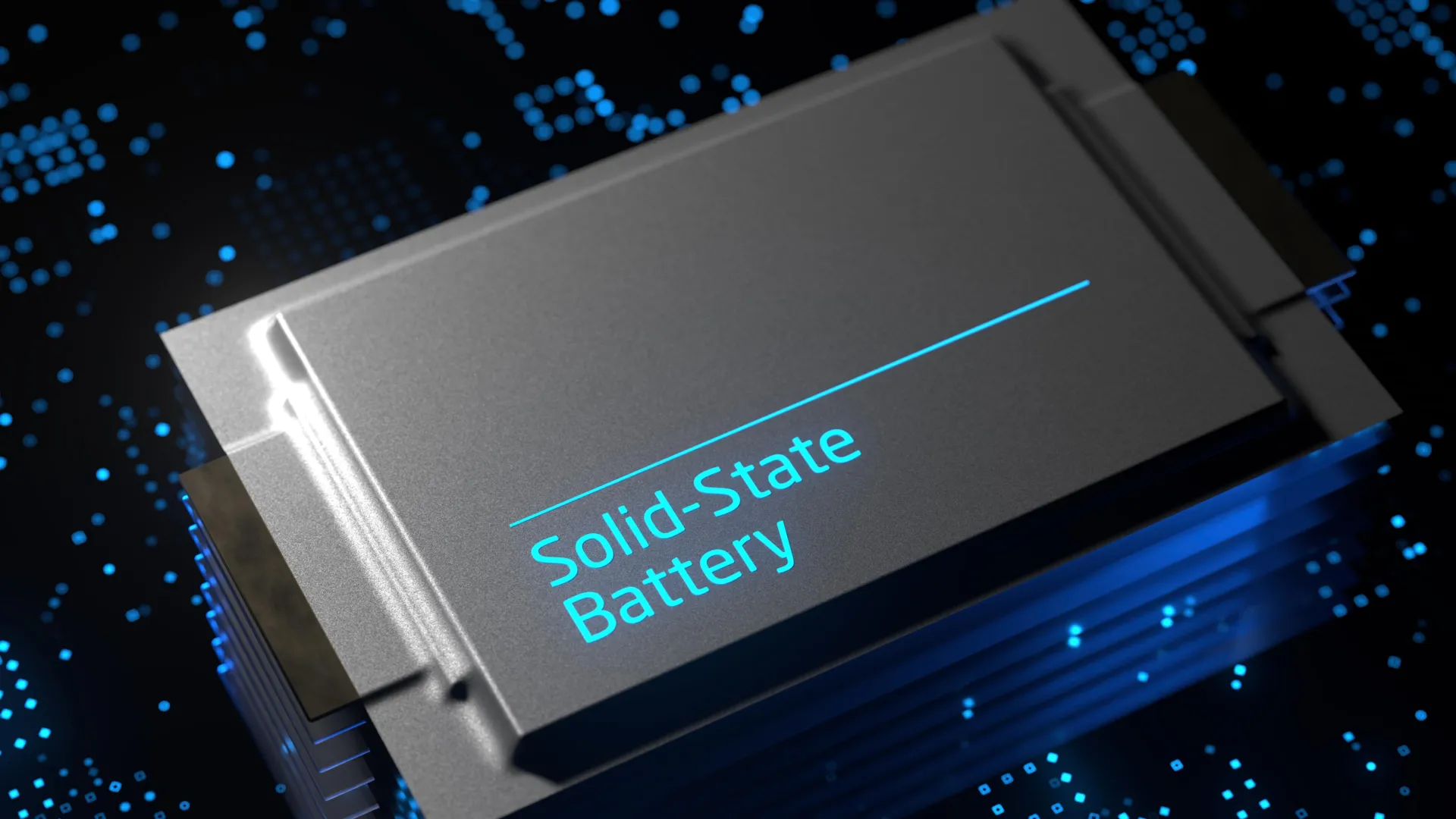
Solid-state batteries represent a paradigm shift by replacing the flammable liquid electrolyte with a solid ceramic or polymer material. This transition allows for the use of a pure lithium metal anode, which can store significantly more energy than the graphite anodes used in current batteries. Experts estimate that solid-state technology could increase the energy density of batteries by up to 100%, potentially allowing electric vehicles to travel over 1,000 kilometers on a single charge and reducing charging times to under 15 minutes. Despite these advantages, the commercialization of SSBs has been stalled by the "dendrite problem"—a phenomenon where needle-like lithium growths bridge the gap between electrodes, causing catastrophic failure.
The Dendrite Mystery: How Soft Metal Cracks Hard Ceramic
For years, materials scientists have been baffled by a mechanical paradox: lithium is an incredibly soft metal, comparable in consistency to a gummy bear, yet it is capable of fracturing stiff, brittle ceramic electrolytes. The prevailing logic suggested that a hard material should easily block the growth of a soft one. Two primary hypotheses emerged to explain this anomaly. The first suggested that internal mechanical stress builds up within the lithium dendrite until it exerts enough pressure to crack the ceramic. The second hypothesis proposed that electrons leak along the grain boundaries of the solid electrolyte, causing lithium to nucleate and grow from within the electrolyte itself, eventually connecting to form a bridge.
The team at MPI-SusMat, led by Dr. Yuwei Zhang, head of the "Chemo-Mechanics of Battery Materials" group, sought to resolve this debate. To do so, they developed a sophisticated experimental setup that allowed them to observe the interaction between lithium and ceramic at the microscopic level without compromising the integrity of the samples.
Innovative Methodology and Experimental Rigor
One of the primary challenges in studying lithium dendrites is the extreme reactivity of the metal. Lithium reacts almost instantly with oxygen and moisture in the air, and even the high-energy electron beams used in standard scanning electron microscopes (SEM) can melt or deform the sample. To circumvent these issues, the MPI-SusMat researchers performed their analysis under high-vacuum conditions and at cryogenic temperatures. By freezing the materials, they were able to stabilize the lithium and capture high-resolution images of its behavior during the charging process.
The team utilized a combination of advanced characterization techniques, including electron backscatter diffraction (EBSD) and phase field simulations. These tools allowed them to map the internal stress and plastic deformation of the lithium as it moved through the cracks in the ceramic. Their observations revealed a surprising lack of lithium buildup at the tips of the dendrites, which effectively ruled out the theory that simple mechanical accumulation was the primary driver of the fracture.
Instead, the researchers discovered that the lithium acts similarly to a continuous high-pressure waterjet. As the lithium is forced into the microscopic pores of the ceramic, it generates hydrostatic stress. Despite the softness of the lithium, this pressure eventually exceeds the fracture toughness of the ceramic, leading to brittle failure. This "waterjet" effect explains how a soft material can penetrate a hard one, providing the first definitive mechanical explanation for dendrite-induced short circuits in solid-state systems.
Chronology of the Search for Stable Solid-State Storage
The quest for solid-state batteries is not a new endeavor, but the intensity of the research has accelerated alongside the global push for electrification.
- 1970s: Initial research into solid electrolytes begins, primarily focused on lithium-iodide for pacemakers.
- 1990s: Sony commercializes the liquid lithium-ion battery, setting the standard for portable electronics for the next 30 years.
- 2010-2015: As the EV market grows, researchers rediscover solid-state electrolytes (like LLZO and sulfides) as a way to increase safety and range.
- 2020-2023: Major automotive players like Toyota, Volkswagen (through QuantumScape), and Samsung announce pilot programs for solid-state batteries, though mass production remains elusive due to the dendrite issue.
- 2024: The MPI-SusMat study provides the mechanical blueprint of dendrite failure, shifting the focus from "what" is happening to "how" to stop it.
Supporting Data: The High Stakes of Energy Density
The motivation for solving the dendrite problem is underscored by the massive performance gap between current technology and the potential of solid-state batteries. Supporting data from industry analysts and materials scientists highlights the following comparisons:
- Energy Density: Current high-end lithium-ion batteries provide approximately 250-300 Wh/kg. Solid-state batteries with lithium metal anodes are projected to reach 500 Wh/kg or higher.
- Safety Profile: Liquid electrolytes have a flashpoint as low as 15°C, making them highly volatile. Ceramic solid electrolytes are non-flammable and can operate at temperatures exceeding 100°C without risk of explosion.
- Cycle Life: While current batteries degrade significantly after 800-1,000 charge cycles, solid-state designs aim for 5,000+ cycles, which would effectively outlast the lifespan of the vehicle itself.
- Charging Speed: Because solid electrolytes can withstand higher current densities without the same thermal risks as liquids, a 10% to 80% charge could be achieved in approximately 10 minutes.
Industry Reactions and Strategic Implications
The findings from the Max Planck Institute have sent ripples through the battery manufacturing sector. While the institute maintains an objective scientific stance, industry analysts suggest that this discovery will lead to a pivot in how solid electrolytes are engineered.
"This research moves us past the trial-and-error phase of solid-state development," notes one senior battery engineer from a leading EV manufacturer. "Knowing that hydrostatic stress is the culprit allows us to focus on fracture mechanics rather than just electrochemical stability. We can now design electrolytes that are ‘crack-resistant’ rather than just ‘hard.’"
The reaction from the academic community has been equally positive, with many praising the MPI-SusMat team for their use of cryogenic vacuum environments, which has set a new standard for the characterization of reactive battery materials.
Future Strategies: Engineering a Dendrite-Resistant Battery
With the mechanism of failure now understood, the MPI-SusMat team has outlined several strategies to prevent dendrites from causing battery failure. These strategies are expected to form the basis of the next generation of battery research:
- Enhanced Electrolyte Toughness: Instead of focusing solely on the hardness of the ceramic, researchers are now looking at ways to increase its "fracture toughness." This involves creating composite materials that can absorb mechanical energy and stop cracks from propagating.
- Microscopic Void Integration: The team suggested that introducing controlled, microscopic voids within the electrolyte could serve as "pressure relief valves." These voids could redirect the growth of dendrites or steer cracks away from the cathode, preventing a complete short circuit.
- Interfacial Coatings: By applying thin protective layers to the lithium anode, engineers may be able to ensure a more uniform deposition of lithium during charging, reducing the initial formation of dendrite "nuclei."
- Grain Boundary Engineering: Since dendrites often follow the boundaries between ceramic crystals, modifying the chemistry of these boundaries could make them less susceptible to lithium penetration.
Conclusion: The Path to Commercial Reality
The work conducted at the Max Planck Institute for Sustainable Materials represents a critical turning point in the history of energy storage. By solving a mystery that has persisted for decades, the team has provided the industry with the clarity needed to move from laboratory prototypes to mass-market products.
As the world seeks to reduce its reliance on fossil fuels, the success of solid-state batteries will be a deciding factor in the viability of long-haul electric trucking, electric aviation, and high-performance consumer electronics. While challenges remain in scaling the manufacturing process and reducing costs, the MPI-SusMat study ensures that the "soft gummy bear" of lithium will no longer be an insurmountable obstacle to the "stiff ceramic" future of energy. The insights gained at the microscopic level are set to have a macroscopic impact on the global energy landscape, bringing the promise of safer, longer-lasting, and more powerful batteries closer to reality.