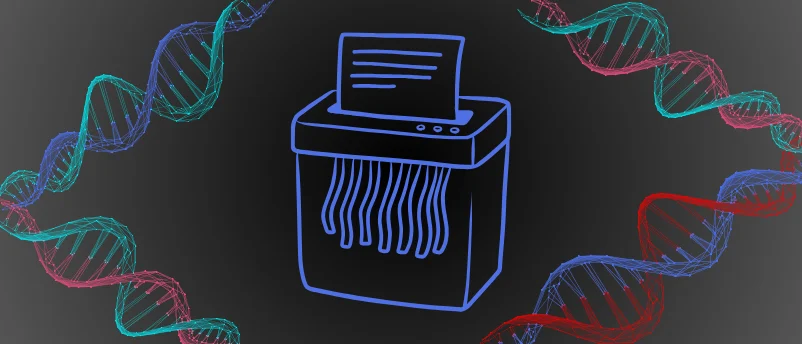
This innovative CRISPR platform leverages a recently identified nuclease called Cas12a2, a protein capable of orchestrating RNA-triggered DNA shredding to precisely destroy diseased cells. Research emanating from the University of Utah School of Medicine (UT, USA) indicates that this mechanism, akin to a molecular paper shredder for the genome, holds immense promise as a therapeutic intervention for a wide array of cancers and viral infections, with a distinct advantage of minimal off-target effects. The discovery marks a significant leap forward in the quest for highly specific and potent cellular targeting strategies, addressing long-standing challenges in precision medicine.
The Genesis of a Precision Tool: Addressing a Critical Need
The ability to pinpoint and eradicate specific cells based on their unique genetic or physiological profiles is a foundational principle in both life science research and modern medicine. This capability is particularly vital for the precise removal of diseased cells, a critical step in treating conditions ranging from oncology to infectious diseases. For decades, conventional methods employed for this purpose have included small-molecule inhibitors, various toxins, and targeted antibodies. While these tools have achieved considerable success, they often come with inherent limitations. They cannot always be precisely tailored to an arbitrary or complex cellular state, and many are ill-suited for "difficult-to-drug" scenarios, where a specific molecular target is elusive or complex. These constraints have historically limited their broader application and often resulted in systemic side effects due to their inability to differentiate perfectly between healthy and diseased cells.
The advent of CRISPR-Cas (Clustered Regularly Interspaced Short Palindromic Repeats-CRISPR associated proteins) systems revolutionized genetic engineering by offering unprecedented precision in DNA editing. Initially discovered as a bacterial defense mechanism against viral invaders, CRISPR nucleases like Cas9 and Cas12a quickly became indispensable tools for introducing targeted double-strand breaks in DNA. The premise was elegant: guide RNAs (gRNAs) could direct these enzymes to specific genetic sequences, allowing for precise modifications.
However, despite their transformative impact on gene editing, these early CRISPR enzymes presented significant hurdles when it came to programmed cell elimination, particularly in complex eukaryotic organisms like humans. In bacteria, the double-strand breaks introduced by Cas9 or Cas12a are poorly repaired, often leading to cell death. In contrast, eukaryotic cells possess robust DNA repair mechanisms, primarily homology-directed repair (HDR) and non-homologous end joining (NHEJ). These pathways efficiently mend the breaks, allowing the cell to survive, albeit sometimes with edited DNA. This fundamental difference meant that while existing CRISPR systems excelled at gene modification, they were largely inadequate for reliably inducing cell death in eukaryotic contexts, limiting their direct therapeutic application for selective cell eradication. The scientific community, therefore, embarked on an intensive global hunt for novel nucleases that could bypass these eukaryotic repair pathways and effectively induce cell demise, thereby filling a critical gap in more complex biological systems.
A New Era in CRISPR: Unveiling Cas12a2
The discovery of Cas12a2 represents a significant advancement in this pursuit. Unlike its predecessors, Cas12a2 exhibits a distinct mechanism of action, primarily functioning as an RNA-triggered DNA shredder. This means its nuclease activity is activated by the recognition of specific RNA sequences, leading to widespread, indiscriminate degradation of cellular DNA. This non-specific DNA degradation, once triggered, overwhelms the cell’s repair machinery, leading irrevocably to cell death. This characteristic is precisely what makes Cas12a2 so promising for therapeutic applications where selective cell elimination is the goal.
The journey to understand and harness Cas12a2 involved meticulous scientific inquiry, beginning with fundamental investigations into its activity in simpler eukaryotic models before progressing to human cells. The researchers from the University of Utah School of Medicine systematically explored the effects of triggering Cas12a2 nucleases, establishing a clear chronology of experimental validation.
Initial Validation in Yeast (Saccharomyces cerevisiae):
The initial phase of the study focused on validating Cas12a2’s activity within a eukaryotic cellular environment. For this, the team judiciously selected Saccharomyces cerevisiae, a well-established model organism known for its robust genetic tools and eukaryotic cellular machinery. Yeast cells were transformed with a plasmid engineered to express Cas12a2 alongside a guide RNA (gRNA) specifically designed to target the transcript of ADE2, a non-essential gene. The choice of ADE2 was strategic; while its disruption wouldn’t immediately kill the cell, it allowed researchers to observe the effects of Cas12a2 activation without the confounding factors of essential gene targeting. The primary metric for assessing Cas12a2’s efficacy was the quantification of yeast colony counts. Under conditions where the gRNA successfully targeted the ADE2 transcript, Cas12a2 activation led to a remarkable 134-fold reduction in transformants compared to non-targeting conditions. Crucially, and perhaps most indicative of its unique mechanism, the researchers observed no measurable signs of DNA repair in these cells, a stark contrast to the typical response seen with other CRISPR nucleases in eukaryotes. This initial success in yeast provided compelling evidence that Cas12a2 could indeed induce sequence-specific cellular elimination without triggering eukaryotic repair pathways.
Translating to Human Cells:
Building upon the robust findings in yeast, the scientists moved to evaluate Cas12a2’s effect in human cells, a critical step towards demonstrating its therapeutic potential. For these experiments, they utilized a HeLa cell line, a widely used human cell model, which was engineered to express high levels of green fluorescent protein (GFP). GFP was chosen as an easily observable and quantifiable target, allowing for clear visual assessment of cellular viability and proliferation. The researchers introduced a Cas12a2–gRNA ribonucleoprotein complex into these HeLa cells via electroporation. The gRNA was meticulously designed to target the RNA transcript responsible for GFP expression.
Subsequent observation through fluorescence microscopy yielded striking results. Electroporated cells that received the Cas12a2 complex, targeting GFP RNA, exhibited a profound failure to proliferate. Over time, the number of these cells noticeably decreased, a clear indication of induced cell death and inhibited replication. These human cell experiments, mirroring the yeast findings, unequivocally demonstrated that Cas12a2 could ensure the sequence-specific elimination of cells expressing a designated target transcript, confirming its potential applicability in human biological systems.

Unraveling the Mechanism of Cell Death:
To definitively ascertain the underlying mechanism driving cell death, the research team performed further critical analyses. They quantified the number of double-strand DNA breaks formed within the cells using immunofluorescence staining for the endogenous repair protein 53BP1. This protein is a well-established marker that forms distinct foci at sites of double-strand DNA breaks. The immunofluorescence staining confirmed a significant increase in 53BP1 foci during Cas12a2 targeting, providing conclusive evidence that widespread double-strand DNA breaks were indeed the primary driving force behind the observed cell death. This mechanistic insight is crucial, as it explains why eukaryotic repair mechanisms, typically efficient in mending localized breaks, are overwhelmed by the pervasive genomic damage inflicted by activated Cas12a2.
Therapeutic Promise and Unprecedented Specificity
The true therapeutic potential of this technology was further underscored by its successful application in selectively eliminating cells that harbored human papillomavirus (HPV) and cells carrying a mutation in the oncogenic KRAS gene. HPV is a leading cause of cervical and other cancers, while KRAS mutations are common drivers in several aggressive cancers, including pancreatic, colorectal, and lung cancers, often representing "difficult-to-drug" targets. Crucially, throughout these experiments, no observed off-target activation of Cas12a2 was detected in healthy cells, reinforcing its remarkable specificity.
Co-senior author Yang Liu articulated the team’s excitement, stating, "The enzyme that we’re working with is extremely specific. It does not touch the healthy cells. So, if we’re thinking about a cancer therapy, you’re treating cancer with no side effects. That was striking to us. We did not know that was possible." This statement highlights the profound implications of Cas12a2’s specificity, which could fundamentally redefine the landscape of targeted therapies by minimizing the debilitating side effects often associated with current cancer treatments.
Fellow co-senior author Ryan Jackson echoed this sentiment, emphasizing the broad applicability of the discovery: "Because Cas12a2 can be programmed with a guide RNA to target any RNA sequence, and it shows little to no off-targeting, we believe we have discovered a way to selectively kill cells across all of biology. We envision this technology will transform science, agriculture, and medicine in ways previously unavailable." This expansive vision underscores the potential of Cas12a2 to move beyond specific diseases, becoming a versatile tool for fundamental biological research, agricultural applications (e.g., targeting specific pathogens in crops), and a myriad of medical challenges where precise cell elimination is required.
Broader Implications and Future Horizons
The development of Cas12a2 represents a pivotal moment in the ongoing evolution of CRISPR technology. Its ability to achieve highly specific, RNA-triggered DNA shredding in eukaryotic cells, leading to robust cell death without off-target effects, addresses a significant unmet need in medicine.
Revolutionizing Cancer Therapy: For oncology, the implications are particularly profound. Many conventional cancer treatments, such as chemotherapy and radiation, operate with a broad brush, damaging healthy cells alongside cancerous ones, leading to severe side effects. Targeted therapies have improved specificity, but often encounter resistance or struggle with heterogeneous tumors. Cas12a2 offers a pathway to precisely eliminate cancer cells by targeting specific oncogenic RNA transcripts or viral RNAs present in tumor cells (e.g., HPV-driven cancers), potentially offering a "no side effects" treatment paradigm. This could open doors for treating aggressive and recalcitrant cancers, for which current options are limited.
Combating Viral Infections: In the realm of infectious diseases, Cas12a2 could offer a novel strategy for eradicating cells harboring persistent viral infections. Viruses like HIV, hepatitis B, and human papillomavirus often integrate into the host genome or establish latent reservoirs, making them exceedingly difficult to clear with antiviral drugs alone. By targeting viral RNA transcripts or host RNAs indicative of viral replication, Cas12a2 could selectively eliminate these infected cells, potentially leading to functional cures or significantly improved management of chronic viral diseases. The ability to distinguish between infected and uninfected cells with such precision could be a game-changer.
Beyond Cancer and Viruses: The broad applicability suggested by Jackson points to even wider therapeutic avenues. Imagine targeting senescent cells that accumulate with aging, contributing to age-related diseases. Or selectively removing specific immune cells implicated in autoimmune disorders, while preserving the healthy immune system. The potential for precision medicine to address a host of chronic and currently untreatable conditions expands dramatically with a tool of this nature.
Challenges and the Road Ahead:
While the initial findings are exceptionally promising, it is imperative to acknowledge that this research is still in its early stages. The transition from laboratory discovery to clinical application is a long and arduous journey, fraught with challenges. Key areas for future research and development include:
- Delivery Mechanisms: Developing safe and efficient in vivo delivery systems for Cas12a2 and its guide RNAs to specific target cells and tissues within the human body remains a significant hurdle. Viral vectors, lipid nanoparticles, or exosome-based delivery systems are all under investigation for gene therapies.
- Immunogenicity: As a bacterial protein, Cas12a2 could potentially elicit an immune response in humans, which would diminish its efficacy or cause adverse reactions. Strategies to minimize immunogenicity will be crucial.
- Long-term Safety Studies: Rigorous preclinical and clinical trials will be essential to thoroughly evaluate the long-term safety profile, potential for unintended off-target effects at extremely low frequencies, and overall efficacy in living organisms.
- Regulatory Approval: Navigating the complex regulatory pathways for novel gene therapies will require extensive data and careful consideration of ethical implications.
Despite these challenges, the scientific community is abuzz with the potential of Cas12a2. This discovery not only adds a powerful new instrument to the CRISPR toolkit but also reignites hope for developing truly transformative therapies that can precisely target and eliminate diseased cells, ushering in an era of medicine with unprecedented specificity and minimal collateral damage. The vision of treating complex diseases like cancer and chronic viral infections with virtually no side effects, once considered aspirational, now appears to be moving closer to reality, propelled by the molecular shredder, Cas12a2.