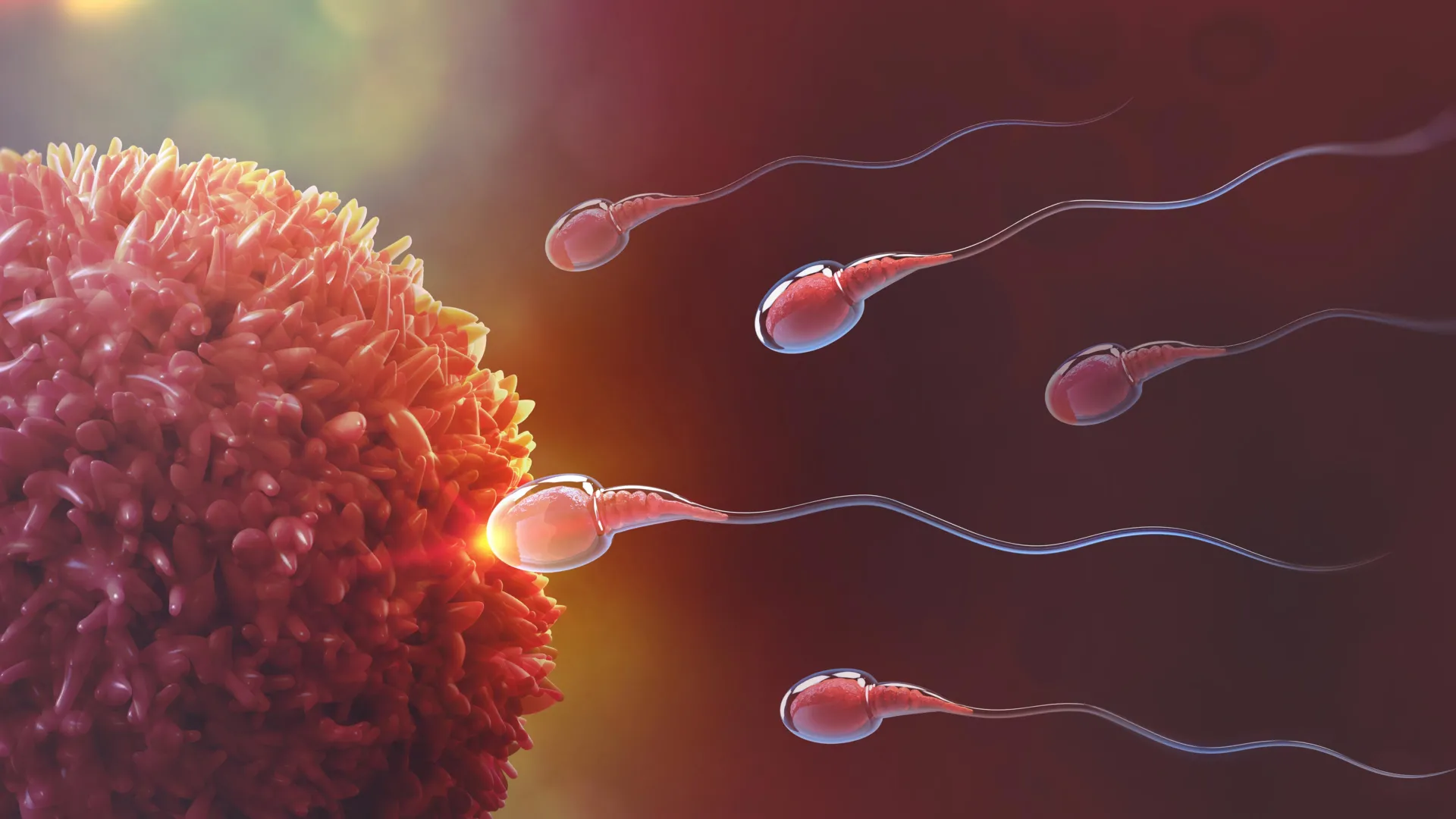
In a breakthrough that could redefine the landscape of reproductive health, researchers at Cornell University have announced a significant advancement in the development of a safe, reversible, and nonhormonal male contraceptive. The study, which represents a six-year effort to identify a viable alternative to existing methods, centers on the temporary interruption of meiosis—the specialized cell division process that produces sperm. By targeting this specific biological gateway, scientists have demonstrated a "proof-of-principle" that sperm production can be halted entirely and subsequently restored without compromising the health of the individual or their future offspring.
For decades, the search for a "male pill" or an equivalent long-acting contraceptive has been described as the "holy grail" of reproductive science. While female contraception has seen a vast array of innovations ranging from daily pills to long-term intrauterine devices (IUDs), male options have remained largely stagnant, limited primarily to barrier methods like condoms or permanent surgical interventions like vasectomies. The Cornell study, published in the Proceedings of the National Academy of Sciences (PNAS), suggests that a new era of shared contraceptive responsibility may finally be within reach.
The Biological Mechanism: Targeting Meiosis
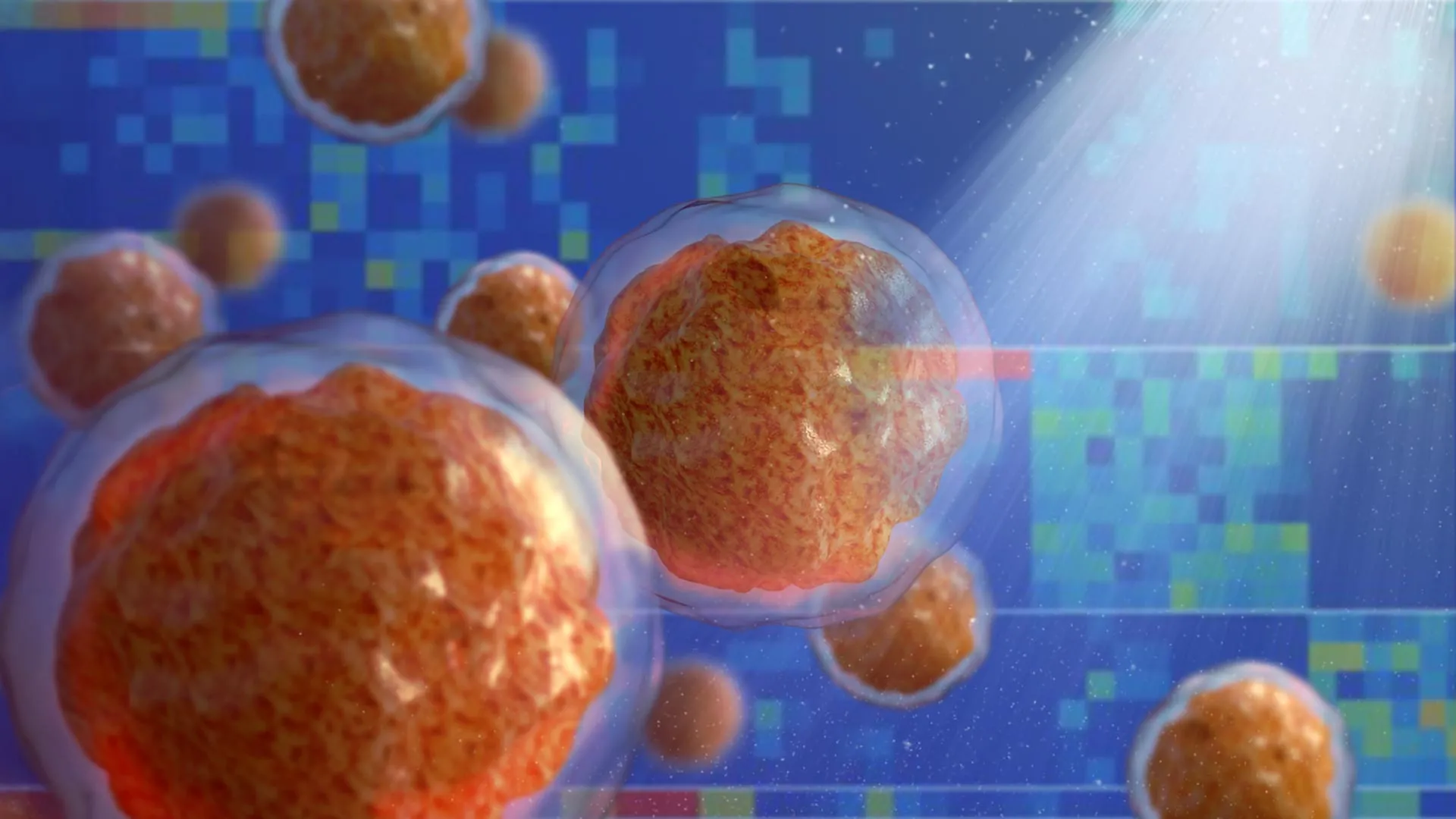
The research team, led by Paula Cohen, a professor of genetics and director of the Cornell Reproductive Sciences Center, focused their efforts on the testis—specifically the process of meiosis. Meiosis is the complex, multi-stage process where a single cell divides twice to produce four cells containing half the original amount of genetic information. These cells eventually become sperm.
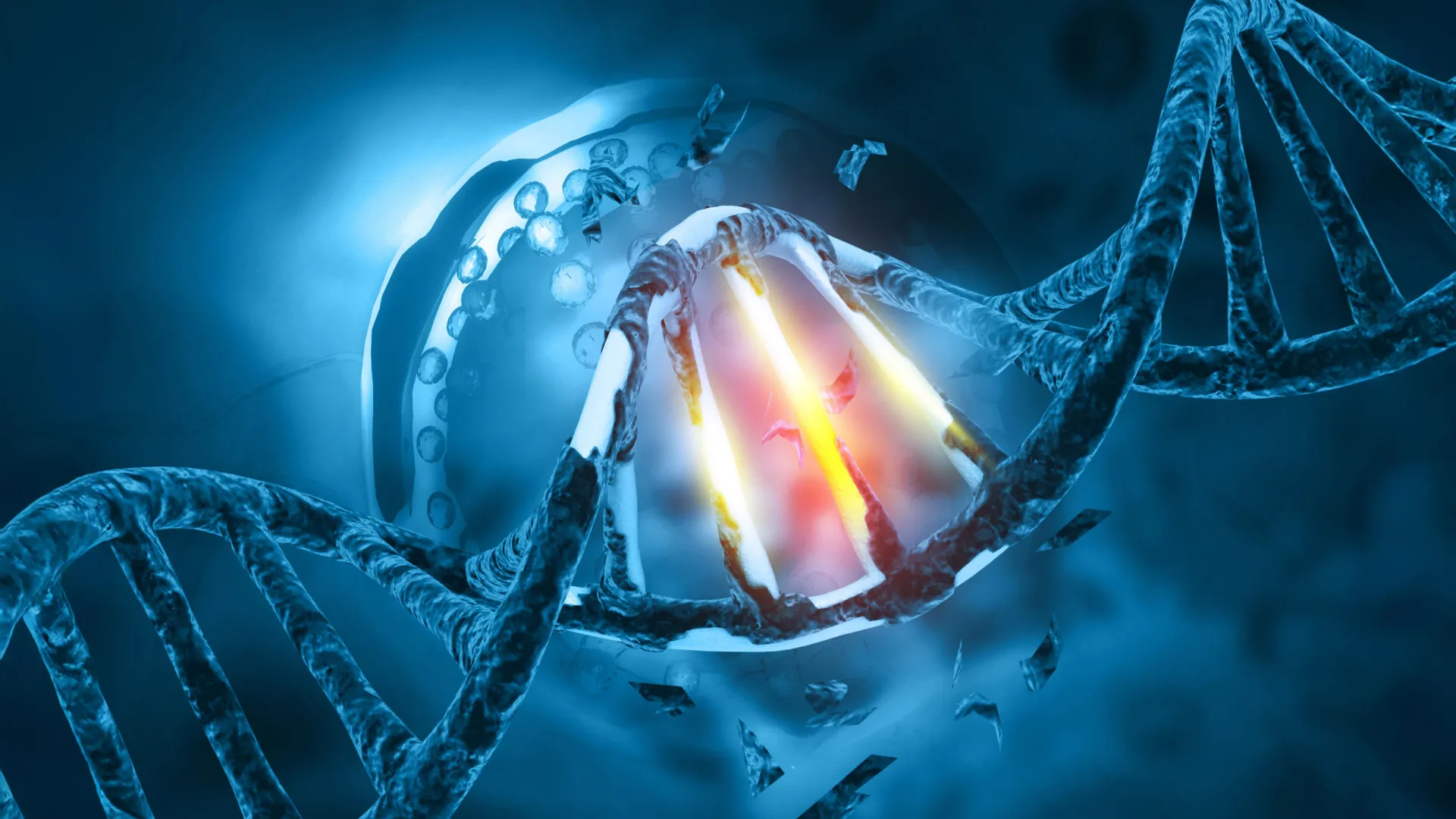
The team identified a critical window within this process known as prophase 1. By interrupting this stage, the researchers were able to stop the maturation of sperm cells before they reached a viable state. To achieve this, they utilized a small molecule inhibitor known as JQ1. Originally developed for research into cancer and inflammatory diseases, JQ1 is known to interfere with bromodomain proteins, which play a vital role in chromatin remodeling during meiosis.
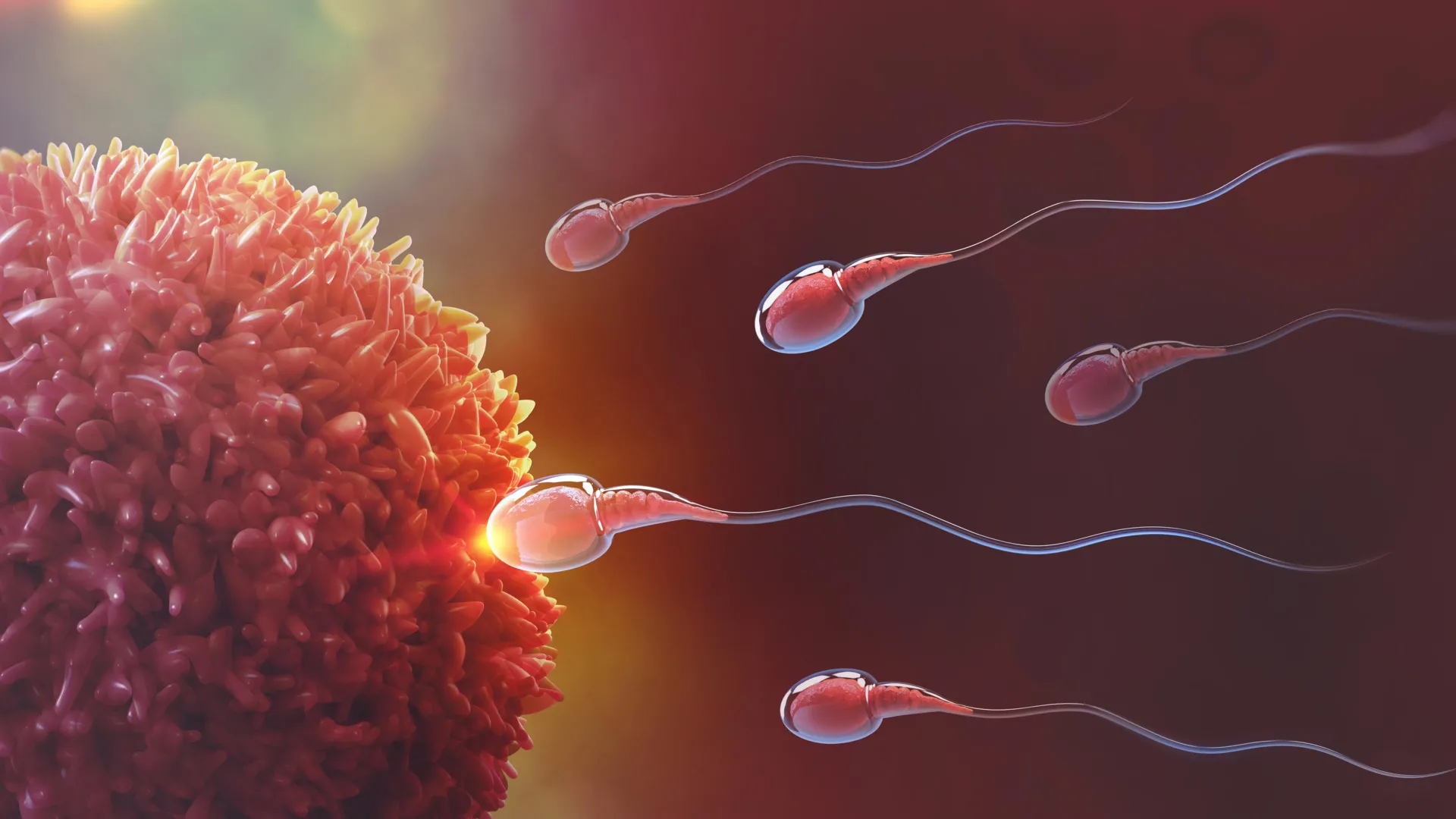
"We are practically the only group pushing the idea that contraception targets in the testis are a feasible way to stop sperm production," stated Professor Cohen. The strategy is distinct from other experimental methods that attempt to stop sperm after they are fully formed or those that target sperm motility. By stopping the process at the meiotic stage, the researchers ensure that no viable sperm are produced, eliminating the risk of "leakage"—a phenomenon where a small number of functional sperm might still reach the egg.
The Six-Year Study: Methodology and Chronology
The findings are the result of a rigorous six-year study conducted using mouse models, which share significant biological parallels with human reproductive systems. The study was designed to test three primary variables: the effectiveness of sperm suppression, the reversibility of the treatment, and the health of the offspring produced after treatment ceased.
- The Treatment Phase: Male mice were administered JQ1 over a period of three weeks. During this time, the researchers monitored the mice for physiological changes and sperm count. The results were definitive: sperm production ceased entirely. Microscopic analysis showed that the cells were being interrupted during prophase 1, leading to the natural death of those cells before they could progress to later stages of development.
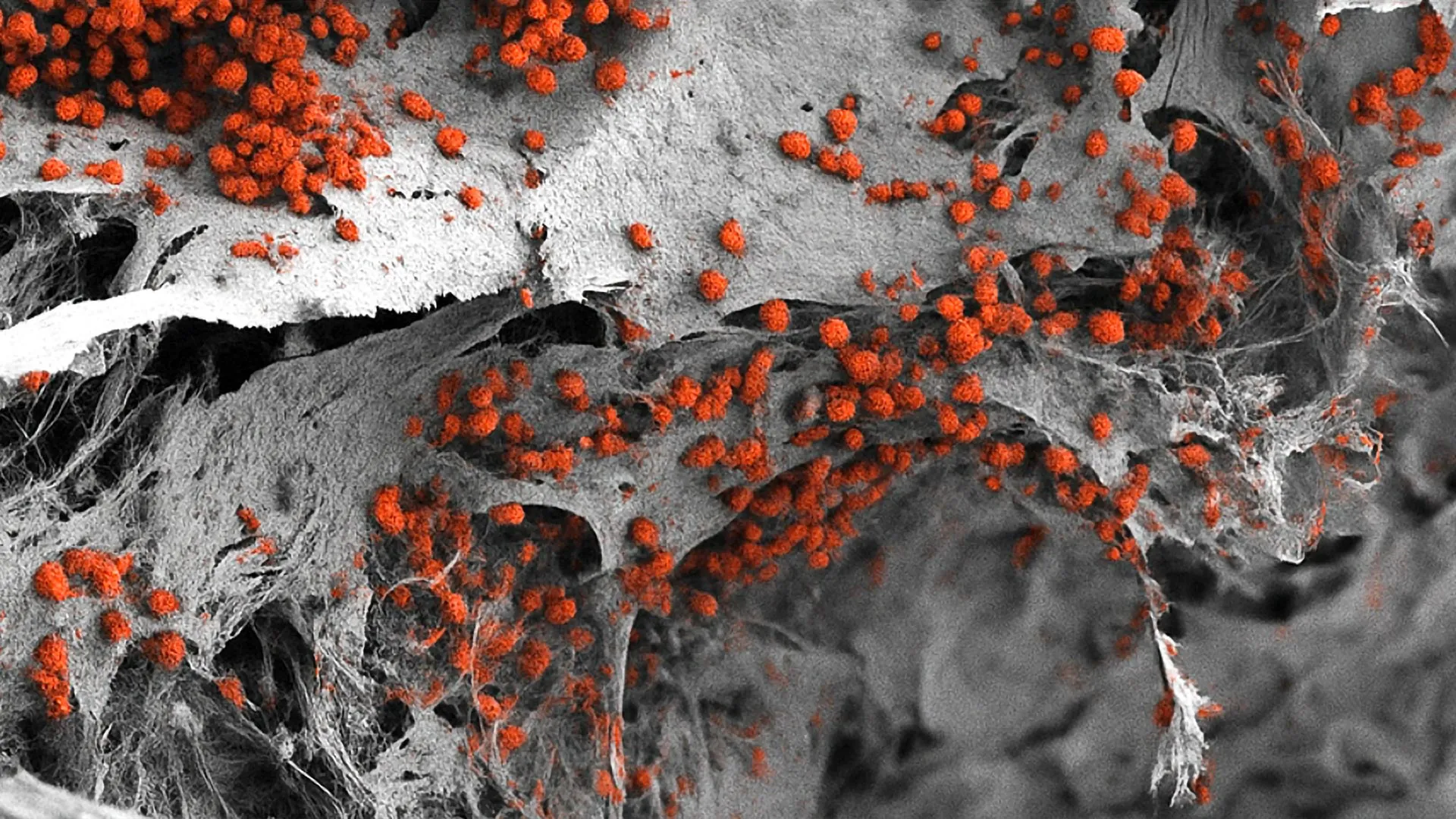
- The Observation of Safety: A key concern in any contraceptive research is the preservation of the "source" cells. The Cornell team focused on ensuring that the spermatogonial stem cells—the precursor cells that produce sperm throughout a male’s life—remained untouched. If these stem cells were damaged, the resulting infertility would be permanent. The study confirmed that JQ1 only affected cells already in the process of meiosis, leaving the underlying stem cell population healthy and intact.
- The Recovery Phase: Once the administration of JQ1 was halted, the researchers began a monitoring period to track the return of fertility. Within approximately six weeks—the time it takes for a full cycle of sperm production in mice—normal meiotic processes resumed.
- The Offspring Trials: To ensure the long-term safety of the method, the recovered male mice were bred with females. The resulting offspring were monitored through their own development. The study found that the offspring were not only physically healthy but also exhibited normal fertility themselves, proving that the temporary interruption of meiosis did not cause heritable genetic damage.
Addressing the Limitations of Current Options
The drive for a nonhormonal male contraceptive is fueled by the limitations and side effects associated with current experimental and existing methods. While hormonal contraceptives for men—usually involving testosterone or progestin—have been tested, they often come with significant side effects similar to those experienced by women, including mood swings, acne, and changes in libido. Furthermore, many men are hesitant to alter their natural hormone levels for long periods.
Vasectomies, while highly effective, are often viewed with trepidation due to their invasive nature and the uncertainty of reversal success. Although reversal surgeries exist, they are expensive, not always successful, and do not guarantee a return to prior fertility levels.
"Current male contraceptive options remain limited," the study notes, highlighting a significant gap in the market. By providing a nonhormonal alternative that does not involve surgery, the Cornell team hopes to offer a solution that is both medically safe and socially acceptable.
The Role of JQ1: A Proof of Principle
It is important to note that while JQ1 was the catalyst for this discovery, it is not intended to be the final drug delivered to consumers. JQ1 is known to have neurological side effects and other systemic impacts that make it unsuitable for long-term human use as a contraceptive. However, its success in this study serves as a "proof of principle."
The research proves that the specific pathway JQ1 targets—the bromodomain-containing proteins involved in meiosis—is the correct target for future drug development. The next step for the scientific community is to develop a more "refined" molecule: one that mimics the meiotic interruption of JQ1 but is "testis-specific," meaning it would only act upon the reproductive system without affecting the brain or other organs.
Future Delivery and Implementation
Looking ahead, Professor Cohen envisions a contraceptive that is convenient and fits into modern lifestyles. Rather than a daily pill, which is subject to human error and forgetfulness, a meiosis-targeting contraceptive could be delivered via a long-acting injection or a transdermal patch.
"If developed for human use, this type of male contraceptive could be delivered as an injection given every three months or possibly as a patch to maintain effectiveness," Cohen explained. A quarterly injection would align with many existing female contraceptive schedules, such as the Depo-Provera shot, making it a familiar format for healthcare providers and patients alike.
Broader Implications and Expert Reactions
The implications of a 100% effective, reversible male contraceptive are profound. Public health experts suggest that such a tool could significantly reduce the rate of unintended pregnancies, which currently account for nearly 45% of all pregnancies globally. By involving men more directly in the contraceptive process, the burden of family planning is shared more equitably between partners.
Sociologists and reproductive health advocates have reacted positively to the findings, noting that many men express a desire to take more responsibility for contraception but lack the tools to do so safely. The Cornell study provides the biological framework to satisfy this demand.
However, some experts in the field of pharmacology caution that the road from mouse models to human pharmacy shelves is long. Human clinical trials must navigate rigorous FDA (or equivalent) oversight to ensure that the "testis-specific" inhibitors do not have unforeseen long-term effects on human physiology. The transition from a small molecule like JQ1 to a human-ready drug will likely require another decade of refinement and testing.
Summary of Key Findings and Data
The Cornell study provides several critical data points that distinguish it from previous contraceptive research:
- Effectiveness: 100% suppression of viable sperm production in the test subjects.
- Reversibility: Full restoration of fertility within six weeks of ceasing treatment.
- Genetic Integrity: Chromosome behavior during prophase 1 returned to normal post-treatment, ensuring the genetic health of future generations.
- Stem Cell Preservation: No depletion of spermatogonial stem cells, ensuring that the "biological clock" of the male remains unaffected.
- Nonhormonal Path: No interference with testosterone or other systemic hormones, avoiding the mood and metabolic side effects associated with hormonal pills.
Conclusion
The work of Paula Cohen and her team at Cornell University marks a pivotal moment in reproductive science. By moving away from hormonal manipulation and focusing on the intricate dance of meiosis, they have identified a biological "off switch" that is both effective and temporary. While the transition to a human-ready product will require further bioengineering to eliminate the side effects seen with the JQ1 molecule, the path is now clearly illuminated.
As the global community continues to strive for better family planning resources and gender equity in healthcare, the development of a safe, reversible, and nonhormonal male contraceptive stands as a vital objective. The Cornell study suggests that the "holy grail" is no longer a matter of "if," but "when." With continued investment and research, the next decade could see a fundamental shift in how the world approaches contraception, moving toward a model of truly shared responsibility.