

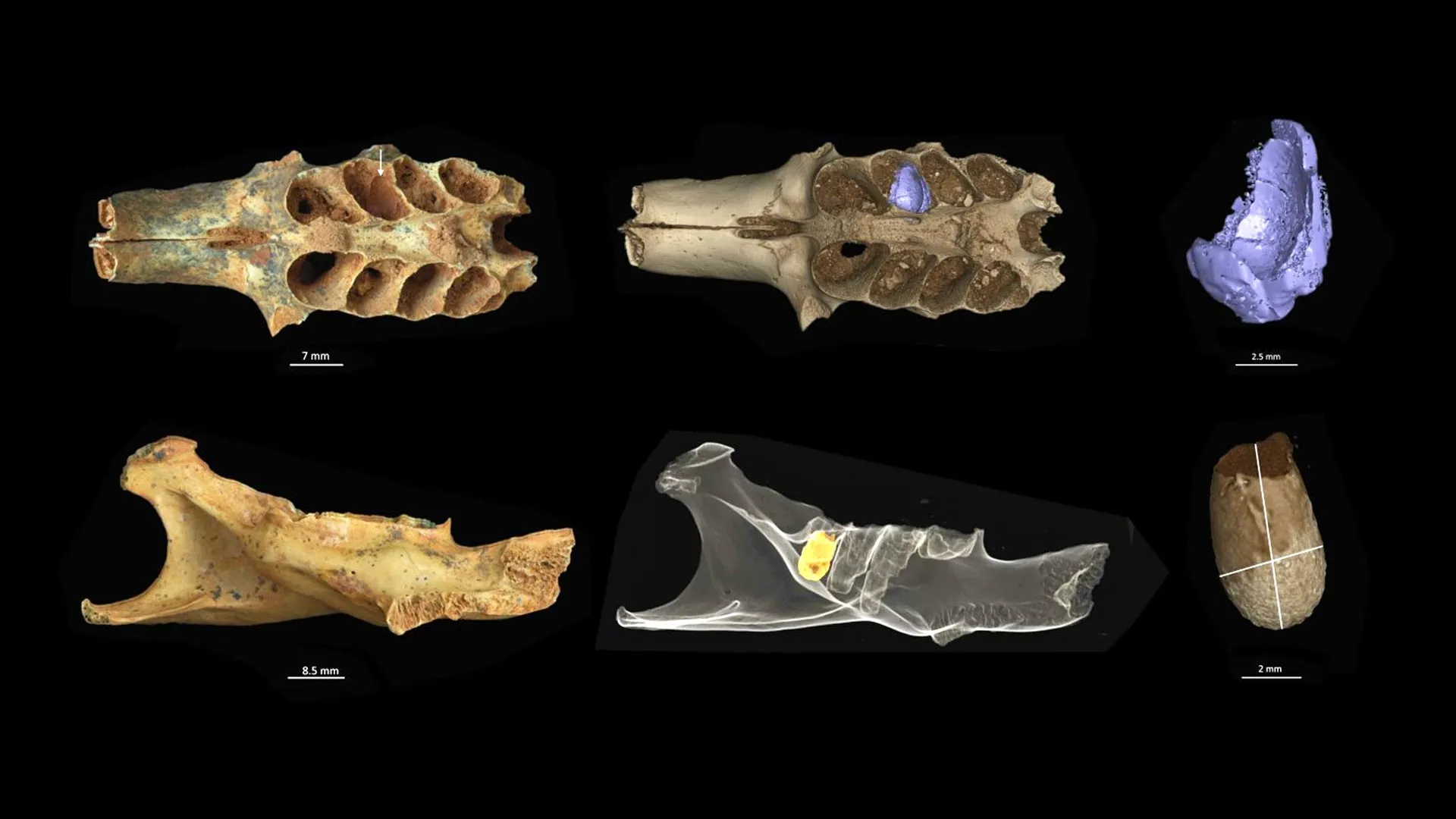
Thousands of years ago, on the Caribbean island of Hispaniola, a dramatic scene likely unfolded within the cool, dark confines of a cave. A giant barn owl, a formidable nocturnal predator, carried its prey—a hutia, a rodent native to the region—back to its lair. The meal, undoubtedly swift and brutal, concluded with the owl’s young being fed. What remained was the skeletal remains of the unfortunate hutia, scattered and soon to be entombed by the slow accumulation of cave sediment. It was into this ancient tableau of predator and prey that a small burrowing bee, driven by the primal urge to procreate, would eventually venture, initiating a discovery that would bridge millennia and illuminate an extraordinary chapter in natural history. Only two of the original three — the owl, the hutia, and the bee — would leave the cave; the hutia, unable to fly, remained, its fossilized remains becoming an unlikely nursery.
This remarkable interplay of life and death, preservation and adaptation, has been painstakingly reconstructed by paleontologists who unearthed a unique collection of fossilized bee nests. These minuscule marvels, meticulously crafted within the skeletal cavities of extinct animals, offer an unprecedented glimpse into the ecological dynamics of ancient Hispaniola and the ingenious strategies employed by insects to ensure their survival. The discovery, published in the prestigious journal Proceedings of the Royal Society B, not only documents a rare instance of burrowing bees utilizing pre-existing fossil structures for nesting but also sheds light on the geological and environmental conditions that may have driven this unusual behavior.
The Genesis of a Discovery: An Owl’s Larder and a Bee’s Ingenuity
The story begins not with the bees, but with the predatory habits of giant barn owls, likely members of the now-extinct species Tyto pollens. These large owls, capable of preying on substantial rodents like the hutia, would have used caves as reliable roosting and feeding sites. Over generations, this practice would have transformed certain caves into veritable larders, accumulating the skeletal remains of their prey. The hutia, a diverse group of rodents found in the Caribbean, were a common food source for these avian predators. The specific species identified in the fossil record is a large hutia, now extinct, which would have provided a substantial meal for the owls.
The cave in question, Cueva de Mono, located in the southern Dominican Republic, proved to be an exceptionally rich repository of these owl-deposited remains. Dr. Lazaro Viñola Lopez, then a doctoral student at the Florida Museum of Natural History, was instrumental in the initial excavation of thousands of hutia fossils from this site. His research focused on understanding the distribution and ecology of this particular hutia species, which was scarce elsewhere on the island.
During the meticulous process of fossil collection and cleaning, Dr. Viñola Lopez noticed something peculiar. Unlike the typical rough texture of bone, certain cavities within the hutia jaws, known as alveoli (the sockets where teeth were once anchored), exhibited a strikingly smooth inner surface. This anomaly piqued his scientific curiosity, deviating from the standard protocol of thoroughly cleaning out all sediment and organic material from fossil specimens.
A Case of Mistaken Identity: From Wasps to Bees
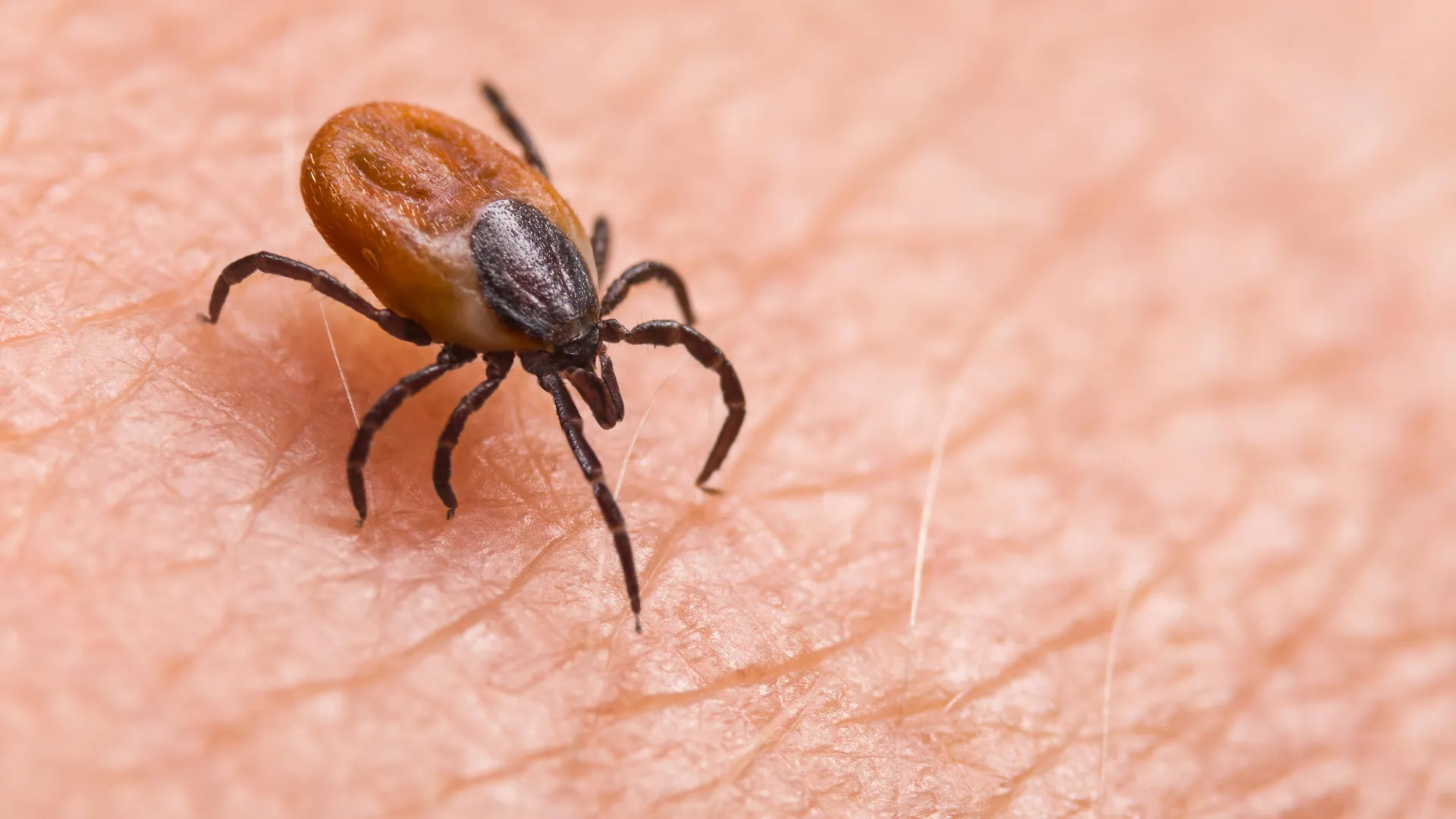
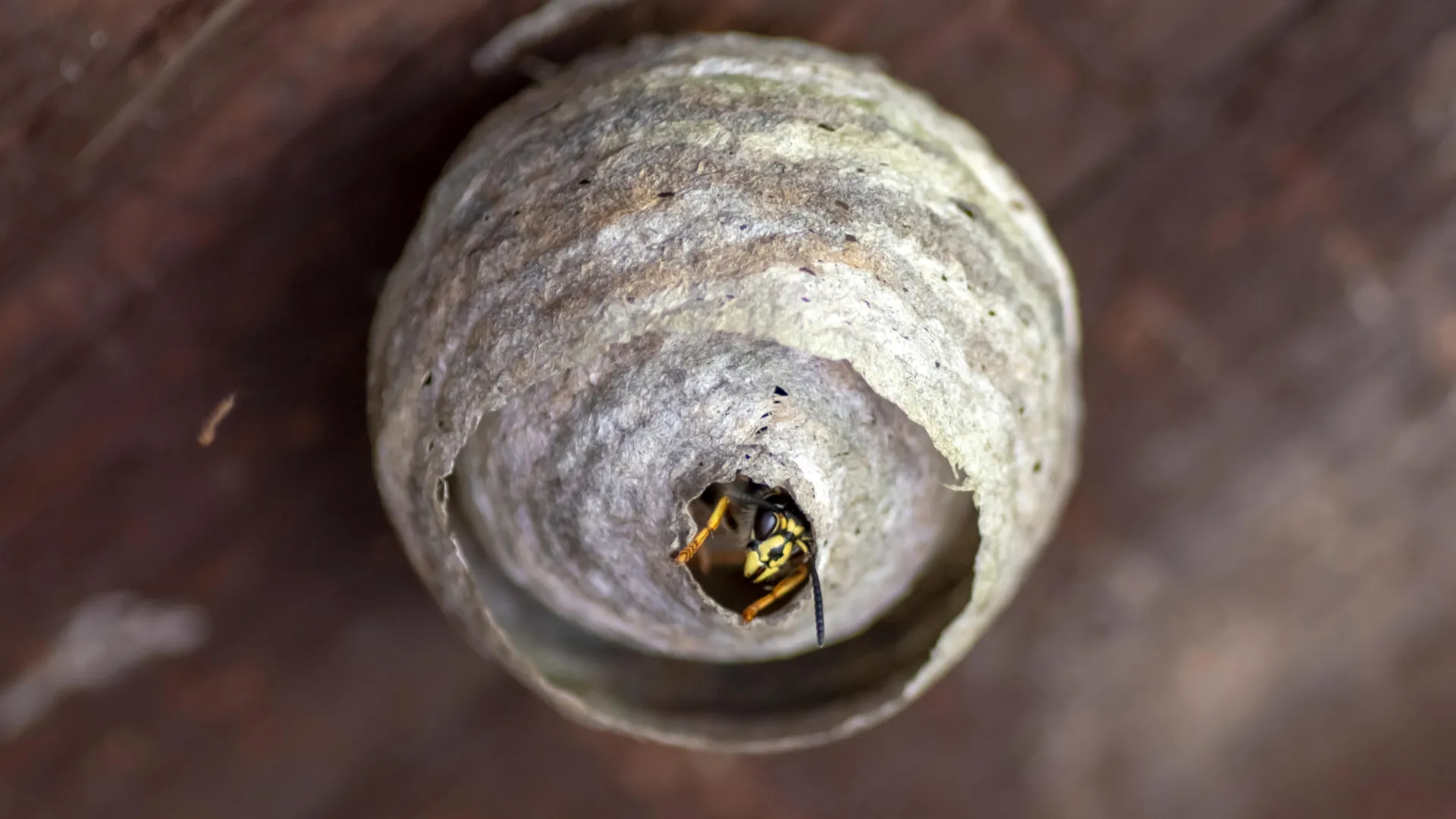
Initially, Dr. Viñola Lopez’s experience with fossilized insect activity led him to suspect wasp nests. He recalled a similar find in Montana in 2014, where wasp cocoons were discovered embedded within dinosaur fossils. He envisioned a similar, albeit localized, discovery for his current research: a short paper detailing the presence of wasp nests within the mandibles of ancient hutias.
He shared this hypothesis with his colleague, Mitchell Riegler, also a doctoral student at the museum. Riegler, initially occupied with other projects, expressed a degree of skepticism, viewing the proposed wasp nest study as a somewhat niche undertaking. However, the idea lingered.
The opportunity to revisit the hypothesis arose when Riegler accepted a challenge from a former advisor to complete a scientific paper within a single week. This intense, collaborative effort spurred a deeper examination of the unusual fossilized structures. The team began to scrutinize the collected specimens more closely, comparing their findings with existing scientific literature.
Their initial assumption of wasp nests began to unravel when they delved into the study of ichnofossils – traces of past biological activity. Wasp nests, they learned, are typically constructed from chewed plant material and saliva, resulting in a rough, fibrous interior. The smooth, polished surfaces of the structures found in the hutia jaws did not align with this characteristic.
Further research led them to consider bees. Burrowing bees, unlike wasps, often use a waxy secretion to line their nests. This secretion, applied to the inner walls, creates a waterproof and smooth surface, a characteristic that precisely matched the observed features of the fossilized structures. The realization dawned: they were not looking at wasp nests, but at an unprecedented record of ancient bee behavior.
Unprecedented Behavior: Bees Utilizing Fossilized Structures
This correction dramatically elevated the significance of their discovery. While there are documented instances of burrowing bees nesting in caves, the use of pre-existing fossilized animal bones as nesting sites, without significant alteration, is exceptionally rare. A previous report mentioned bees drilling into human bones, but this involved active excavation rather than the passive occupation of natural cavities.
The researchers subsequently shifted their focus, dedicating more resources and expertise to thoroughly investigate this unique behavior. They consulted with specialists in modern bee biology and conducted extensive literature reviews. Dr. Viñola Lopez even returned to the Cueva de Mono to examine its geological strata, seeking further contextual information.
The urgency of their research was amplified by an external threat to the cave. Plans were once underway to develop the land and potentially convert the cave into a septic tank. Fortunately, these plans were ultimately thwarted, but the incident underscored the fragility of such invaluable paleontological sites. Recognizing the potential loss of irreplaceable evidence, the research team undertook a "rescue mission" to recover as many fossils as possible from the cave before any irreversible damage could occur. This concerted effort yielded a significant collection of specimens, further enriching their study.
A Mosaic of Nests: Beyond Hutia Jaws
The comprehensive study revealed that the bees’ nesting behavior was not confined to the alveoli of hutia jaws. The fossilized remains of other animals within the cave also served as nesting sites. In one remarkable instance, a bee nest was discovered within the pulp cavity of a sloth tooth. Tree sloths, once native to the Caribbean, had also become extinct by the time these nests were formed. Another nest was found nestled within a hutia vertebra, occupying the space where the spinal cord once resided.
Advanced imaging techniques, such as CT scans, provided an even more detailed understanding of the nesting patterns. These scans revealed that some cavities contained multiple layers of nests, indicating a remarkable degree of reuse. Instead of excavating new tunnels, certain bee species, when encountering an empty cavity that met their requirements, would deposit their eggs and provisions within it, effectively stacking nests one inside another, reminiscent of Russian dolls. In a single hutia alveolus, up to six distinct nests were identified, layered sequentially.
Environmental Drivers: The Karst Landscape and Soil Scarcity
The researchers proposed a compelling environmental explanation for this unusual nesting strategy. The region where Cueva de Mono is situated is characterized by karst topography – a landscape composed of soluble bedrock, primarily limestone, which is prone to erosion and dissolution. This type of terrain typically features sharp, edgy limestone formations and a scarcity of stable, well-developed soils.
Mitchell Riegler described the terrain as "sharp, edgy limestone" that had "lost all of its natural soils." He recounted a personal experience of falling on the terrain, underscoring its challenging nature. In such environments, any soil that does accumulate on the surface is often easily washed away, frequently finding its way into caves. These subterranean deposits, settling and accumulating over time, may have provided some of the only suitable and stable nesting conditions for burrowing bees in the otherwise inhospitable landscape. The caves, therefore, offered a refuge, providing both shelter and the necessary substrate for reproduction.
Broader Implications: Life’s Resilience and the Stories Within Stone
The discovery of these fossilized bee nests carries significant implications for our understanding of paleoecology and evolutionary adaptation. It highlights the remarkable resilience of life and its ability to exploit even the most unconventional resources for survival and reproduction. The story entombed within these fossils is not merely about predation but also about innovation, where a species, facing environmental challenges, adapted by utilizing the byproducts of past ecological interactions.
The implications extend to our understanding of the ancient Caribbean ecosystem. The presence of giant barn owls, large hutias, and now, these resourceful burrowing bees, paints a more complete picture of the biodiversity that once thrived on Hispaniola. The long-term presence of owls as predators, evidenced by the accumulation of prey remains, likely shaped the evolutionary pressures on species like the hutia. In turn, the scarcity of suitable nesting sites in the karst landscape may have been a crucial factor driving the bees’ unique adaptation.
The ongoing research at Cueva de Mono promises to yield further insights. The researchers continue to analyze other fossils recovered from the cave, suggesting that more discoveries await, potentially revealing additional facets of this ancient environment and its inhabitants. This ongoing work reinforces the idea that caves are not just geological formations but time capsules, holding invaluable records of Earth’s past.
The discovery serves as a powerful reminder of the intricate connections within ecosystems and the often-unseen dramas that unfold in the natural world. It underscores the importance of meticulous scientific observation, where even seemingly minor anomalies can lead to groundbreaking revelations. The tale of the owl, the hutia, and the bee, preserved for millennia in stone, is a testament to the enduring power of nature’s ingenuity and the profound stories that lie waiting to be unearthed from the depths of time.













Leave a Reply