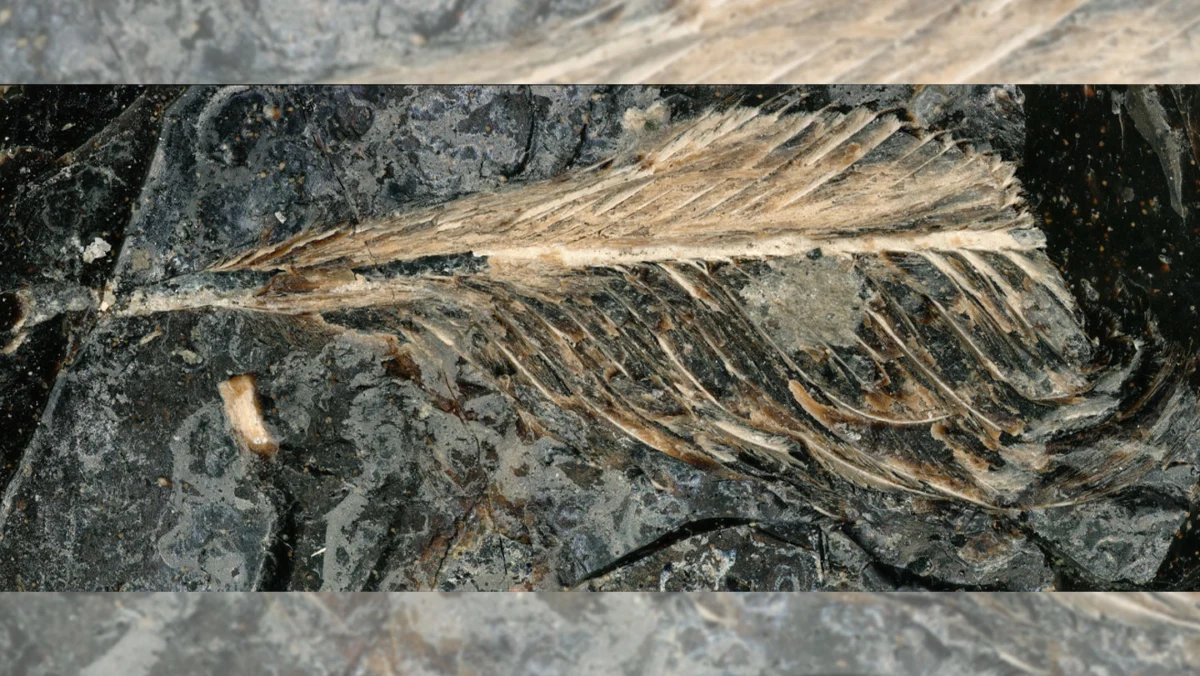
The discovery of remarkably preserved feathers within fossilized dinosaur excrement, known as coprolites, marks a significant milestone in paleontological research. These specimens, recovered from geological strata dating back to the late Cretaceous Period, represent the first instance of avian plumage being identified within fossilized waste. By analyzing these delicate biological remains, researchers are uncovering new evidence regarding the evolutionary pressures that dictated which avian lineages perished during the K-Pg (Cretaceous-Paleogene) mass extinction event approximately 66 million years ago and which successfully transitioned into the Cenozoic Era.
The Significance of Coprolite Analysis
Coprolites serve as a unique time capsule, offering a direct, albeit fragmentary, look at the diet, health, and environment of extinct organisms. While paleontologists have long utilized fossilized dung to reconstruct the dietary habits of dinosaurs—often finding bone fragments, scales, and plant material—the presence of feathers introduces a complex biological puzzle.
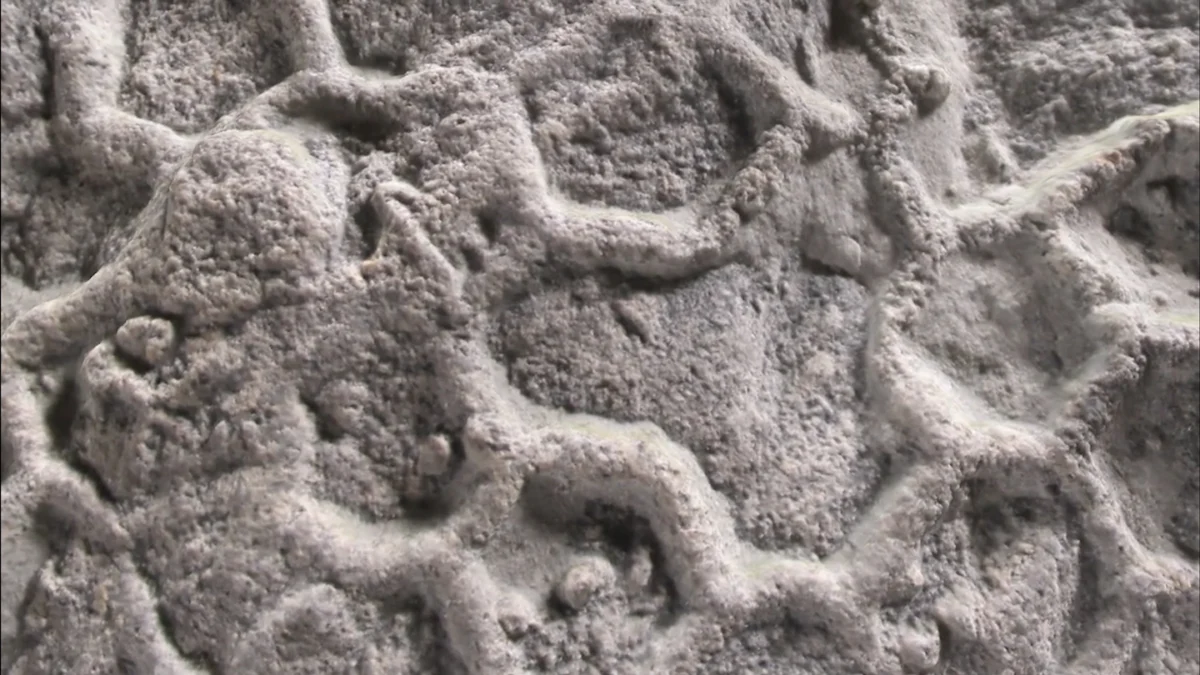
The feathers in question, examined at 200x magnification, reveal intricate structural details that suggest they belonged to small, bird-like dinosaurs or primitive avian species that were consumed by a juvenile predator, likely a Tyrannosaurus rex or a Nanotyrannus. This finding is not merely a curious anatomical detail; it provides a direct biological link between the predator and its prey, shedding light on the ecological niche occupied by these smaller, feathered creatures.
Chronology of the Cretaceous-Paleogene Extinction
The K-Pg extinction event remains one of the most transformative episodes in Earth’s history. Roughly 66 million years ago, a massive asteroid impact in what is now the Yucatán Peninsula triggered a series of global catastrophes. The immediate aftermath involved intense heat radiation, followed by a prolonged period of darkness and cooling caused by atmospheric dust and sulfuric acid aerosols.
- Pre-Impact (Late Cretaceous): Avian diversity was substantial, with various lineages of Enantiornithes (opposite birds) and Ornithurae (the lineage leading to modern birds) coexisting.
- The Impact Event: The Chicxulub asteroid struck, creating a global winter that collapsed primary productivity in both terrestrial and marine food chains.
- The Bottleneck: The fossil record indicates a severe culling of species. Enantiornithes, which were highly successful in the Cretaceous, went completely extinct, while a small subset of Ornithurae survived.
- The Cenozoic Recovery: The surviving lineages underwent an explosive adaptive radiation, filling the ecological gaps left by the extinction of non-avian dinosaurs.
The feathers identified in the coprolites offer a rare window into the "Pre-Impact" phase, allowing scientists to compare the physiological traits of those that vanished with those that survived.
Biological Implications of Plumage Evolution
The structural integrity of these feathers allows for a detailed analysis of their insulating properties and aerodynamic potential. According to experts in avian evolution, the ability to thermoregulate was a primary factor in surviving the "impact winter." Species that possessed more efficient metabolic systems, or plumage that allowed for superior heat retention, likely possessed a survival advantage when global temperatures plummeted.
Supporting data from recent comparative anatomy studies suggest that the plumage found in these fossils shows signs of specialized barbs and barbules, indicating that these dinosaurs were not merely insulated by proto-feathers but possessed complex structures akin to those of modern birds. If these specific birds were being preyed upon by larger carnivores, it implies they lived in environments where they were integrated into a competitive food web, yet were vulnerable to the rapid environmental shifts that followed the asteroid strike.
Expert Perspectives and Scientific Consensus
While the lead researchers, including J.K. O’Connor, have focused on the morphological identification of the feathers, the broader scientific community has noted the potential for this research to refine our understanding of "niche partitioning." If certain species were consistently predated upon by larger, apex carnivores, their survival may have been linked to their ability to exploit resources—such as seeds or aquatic food sources—that were less affected by the total collapse of the terrestrial food chain.
"The discovery of feathers in coprolites is a technological breakthrough," noted a paleo-ornithologist unaffiliated with the study. "It demonstrates that our methodology for reconstructing ancient ecosystems is evolving. By looking at the ‘waste’ of a predator, we are essentially looking at the census of the prey population at a specific point in time."
There is a growing consensus that the extinction was not random. Instead, it favored species that were ground-dwelling or had generalized diets. The feathers found in this study provide a physical specimen to test against these theories. If these feathers belonged to an arboreal species, for example, it would support the theory that tree-dwelling birds were disproportionately affected by the sudden deforestation and ecological collapse caused by the impact.
Broader Impact on Evolutionary Theory
The implications of this discovery extend beyond mere taxonomy. By establishing a link between feather structure and the specific diet of a predator, researchers can better map the complex web of interactions that defined the Cretaceous ecosystem. This, in turn, helps to quantify the "extinction selectivity" that characterized the end of the Mesozoic.
Furthermore, this discovery provides a new benchmark for fossil preservation. Historically, feathers were only expected to be found in fine-grained sedimentary rock, such as the Lagerstätte deposits in China. The fact that organic material can survive the digestive tract of a predator and then be preserved within a coprolite opens up an entirely new avenue for finding soft-tissue fossils. Paleontologists may now revisit existing coprolite collections in museums globally, applying high-resolution imaging techniques to search for similar biological signatures.
Future Directions for Research
As research progresses, the focus will likely shift to isotopic analysis of the feather material. By examining the chemical composition of the keratin, scientists may be able to determine the diet and local environment of the prey species with even greater precision. This could reveal whether these birds were migratory, what type of vegetation they frequented, and how their metabolic rates compared to modern-day avian counterparts.
The integration of these findings into larger datasets will assist in constructing more accurate simulations of the K-Pg extinction event. By understanding the physical and behavioral constraints of the species that did not survive, scientists are gaining a clearer picture of the traits that facilitated the rise of the modern bird—a group that currently boasts over 10,000 species globally.
In conclusion, the recovery of these feathers from fossilized dinosaur dung represents more than just a peculiar finding; it is a vital piece of the puzzle that explains the history of life on Earth. Through the meticulous study of these minute, preserved structures, the scientific community continues to peel back the layers of time, revealing the complex, often brutal, realities of the world that existed before the catastrophic events that fundamentally reshaped the evolutionary trajectory of our planet. The persistence of these feathers is a testament to the resilience of biological information and a stark reminder of the fragile balance that sustains biodiversity across geological epochs.