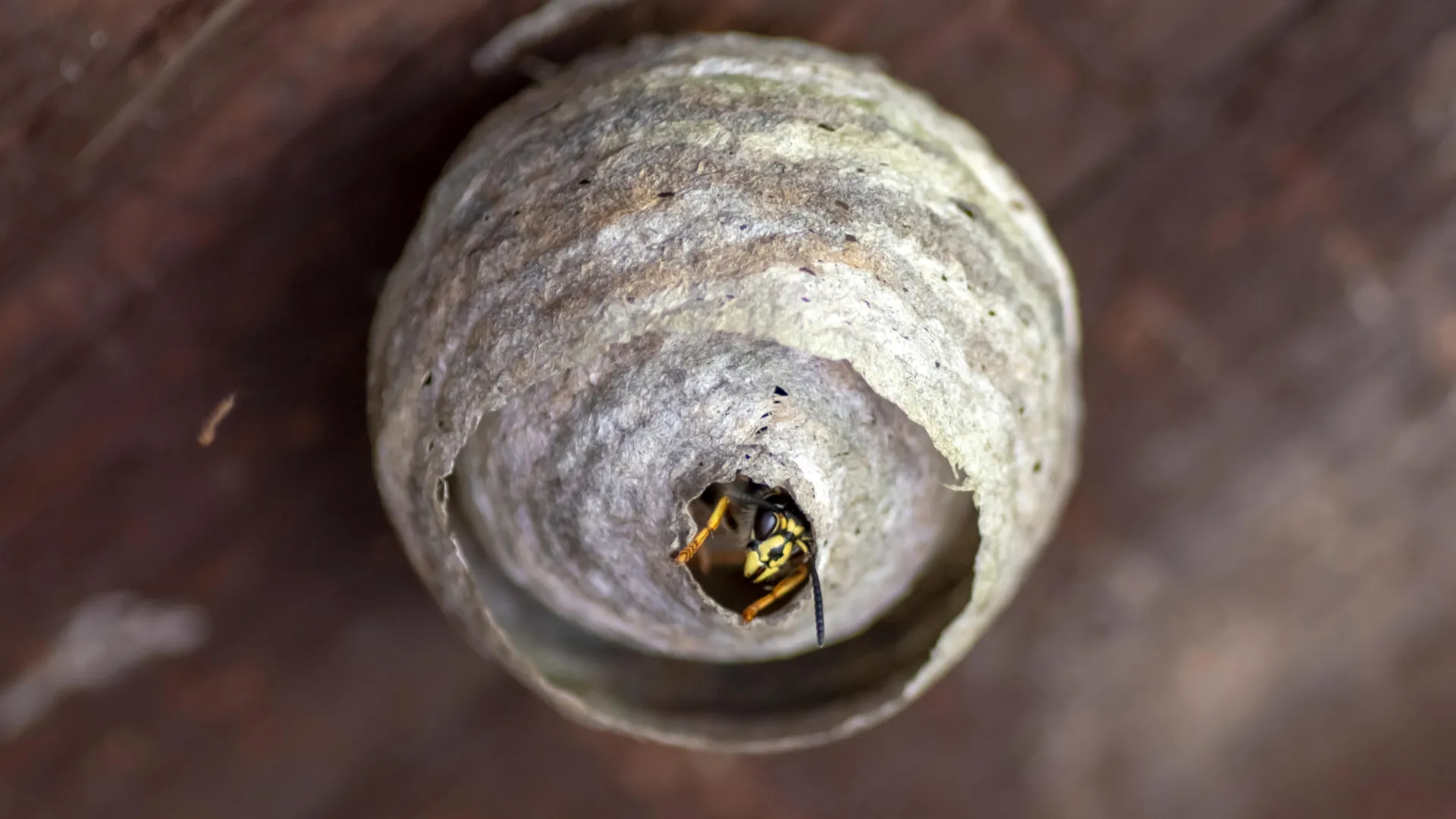
The familiar seasonal cadence of summer—defined by the rhythmic hum of social insects—has been abruptly disrupted in 2026. Typically, this period marks the peak of the common wasp’s life cycle, a time when colonies reach their maximum capacity and interactions with humans at picnics and outdoor gatherings become frequent. However, across the United Kingdom and parts of Western Europe, anecdotal reports from entomologists, pest control professionals, and the general public suggest a significant decline in wasp activity. This unexpected silence in the airwaves and backyards has raised critical questions regarding the health of local ecosystems and the long-term impact of extreme climate volatility on insect populations.
A Chronology of a Quiet Summer
The decline in wasp sightings did not occur in isolation but followed a sequence of anomalous weather events that began in early spring. The season commenced with a deceptively promising start: a warm, dry spring allowed for the emergence of foundress queens from hibernation. These queens, tasked with the singular responsibility of establishing new colonies, initially benefited from the mild temperatures. In a standard year, this period of nest-founding leads to a steady expansion of the colony as the first generation of workers emerges to take over foraging duties.
By mid-spring, however, the climate shifted. The region experienced a series of unprecedented thermal spikes, characterized by intense, dry heat punctuated by erratic cold snaps and unusually chilly nighttime temperatures. These conditions placed immense metabolic stress on the emerging colonies. While warm weather is generally conducive to larval development, the extreme fluctuations of 2026 likely forced many queens to abandon their nests or succumb to thermal stress.
As the summer progressed, the trend of heatwaves intensified. Data from meteorological stations indicated that ground temperatures in several parts of the UK frequently exceeded 50°C. For a social insect with a critical thermal maximum (CTmax) of approximately 45°C, these temperatures represent a lethal threshold. Consequently, the populations that survived the initial spring volatility were likely further decimated by the subsequent waves of extreme heat.
The Science of Thermal Tolerance and Physiological Stress
To understand why wasps are struggling while other species, such as certain butterfly populations, are thriving, one must look at the physiological constraints of insect life. Butterflies often benefit from sustained warm, dry weather, which optimizes their mating and foraging windows. Conversely, social insects like the common wasp (Vespula vulgaris) rely on complex thermoregulation strategies to maintain the stability of their nests.
While wasps possess sophisticated mechanisms for cooling, such as collective wing-fanning to circulate air within the nest, these strategies require significant energy and hydration. The insulating architecture of their nests is designed to buffer against moderate environmental shifts, but it is not equipped to handle the sustained, record-breaking temperatures recorded in 2026. Furthermore, insects possess cuticular hydrocarbons—waxy molecules on their exoskeletons—that prevent desiccation. Research suggests that while these molecules can adapt to heat, the rapid onset of this year’s heatwaves may have outpaced the adaptive capacity of the species, leading to higher mortality rates.
The Diminutive Worker: A Sign of Nutritional Stress
Beyond the sheer reduction in population numbers, field researchers have noted a striking morphological change in the wasps that remain: they are notably undersized. In the life cycle of a social wasp, the size of an individual is determined during its larval stage, contingent upon the availability and quality of food provided by the workers.
Typically, early-season workers are small because the queen is limited in her ability to forage alone. By August, however, the colony should be fully established, with a large, robust workforce. The prevalence of "spring-sized" wasps in late summer indicates a systemic failure in the colony’s nutritional pipeline. This can be attributed to two factors: a lack of prey, such as caterpillars or other insects, and the direct impact of high temperatures on larval development. It is a well-documented phenomenon that insects reared at higher temperatures often reach pupation more rapidly, resulting in smaller adult bodies. This trend toward "dwarfism" in social wasps has been observed over the last century, but in 2026, it appears to be accelerating in real-time.

Socio-Economic and Ecological Implications
The lack of wasp activity is not merely an observation for hobbyist naturalists; it has profound implications for pest control and ecosystem services. Professional pest-control agencies, which usually report a surge in nest removal requests by mid-summer, have noted a significant decline in service calls. This absence, while seemingly convenient for homeowners, signals a disruption in the food chain.
Wasps play a triple role in the ecosystem: they are efficient pest-controllers that keep populations of agricultural pests in check; they are auxiliary pollinators; and they act as crucial decomposers. The decline of these insects could result in an increase in agricultural pests, as the natural regulatory mechanism provided by the wasp is removed. Furthermore, as other pollinators like bumblebees face their own struggles with heat-stressed flora, the overall resilience of the local environment is significantly weakened. The Bumblebee Conservation Trust has already issued concerns that 2026 may exacerbate long-term population declines, as floral resources wither under the persistent heat.
Data Collection and Citizen Science
Because there is a notable lack of comprehensive, real-time data on this year’s wasp population, scientists are turning to citizen science to fill the gaps. The Big Wasp Survey, a national monitoring initiative, remains the gold standard for tracking these populations, but additional localized efforts are underway to assess the current crisis.
Researchers at institutions like University College London (UCL) have launched initiatives such as the "Wasp Picnic Survey: Ham or Jam?" to gather observational data from the public. By analyzing what attracts the remaining wasps—whether they are foraging for protein (meat) to feed their larvae or sugars (jam) for personal energy—scientists hope to understand the specific nutritional stresses these colonies are facing.
The call for public participation is not intended to encourage the disturbance of nests, but rather to document the behavior of foraging individuals. By observing their interactions with human food sources, scientists can gain insight into the state of the surrounding environment and whether the insects are indeed starving due to a lack of natural prey.
Broader Impact and Future Outlook
The 2026 wasp crisis serves as a sobering case study on the impact of climate change on insect biodiversity. While wasps have historically proven themselves to be resilient, adaptable, and successful invaders across various climates, the rapid pace of environmental change is beginning to test those limits.
The implications of this decline extend far beyond the irritation of a picnic guest. If the current trend of extreme heat persists, the ecological role of the social wasp may be permanently altered. This could lead to a cascading effect in the food web, impacting everything from the survival of other insect species to the health of the plants that rely on their pollination and pest-control services.
As we look toward the remainder of the season, the scientific community emphasizes the importance of data collection. Understanding why this year differs from previous, equally warm years will be essential in developing strategies to protect biodiversity in an increasingly volatile climate. For now, the "quiet" summer of 2026 remains a point of intense investigation, reminding us that even the most common of insects are vital threads in the tapestry of our natural world, and their sudden disappearance is a warning sign that cannot be ignored.