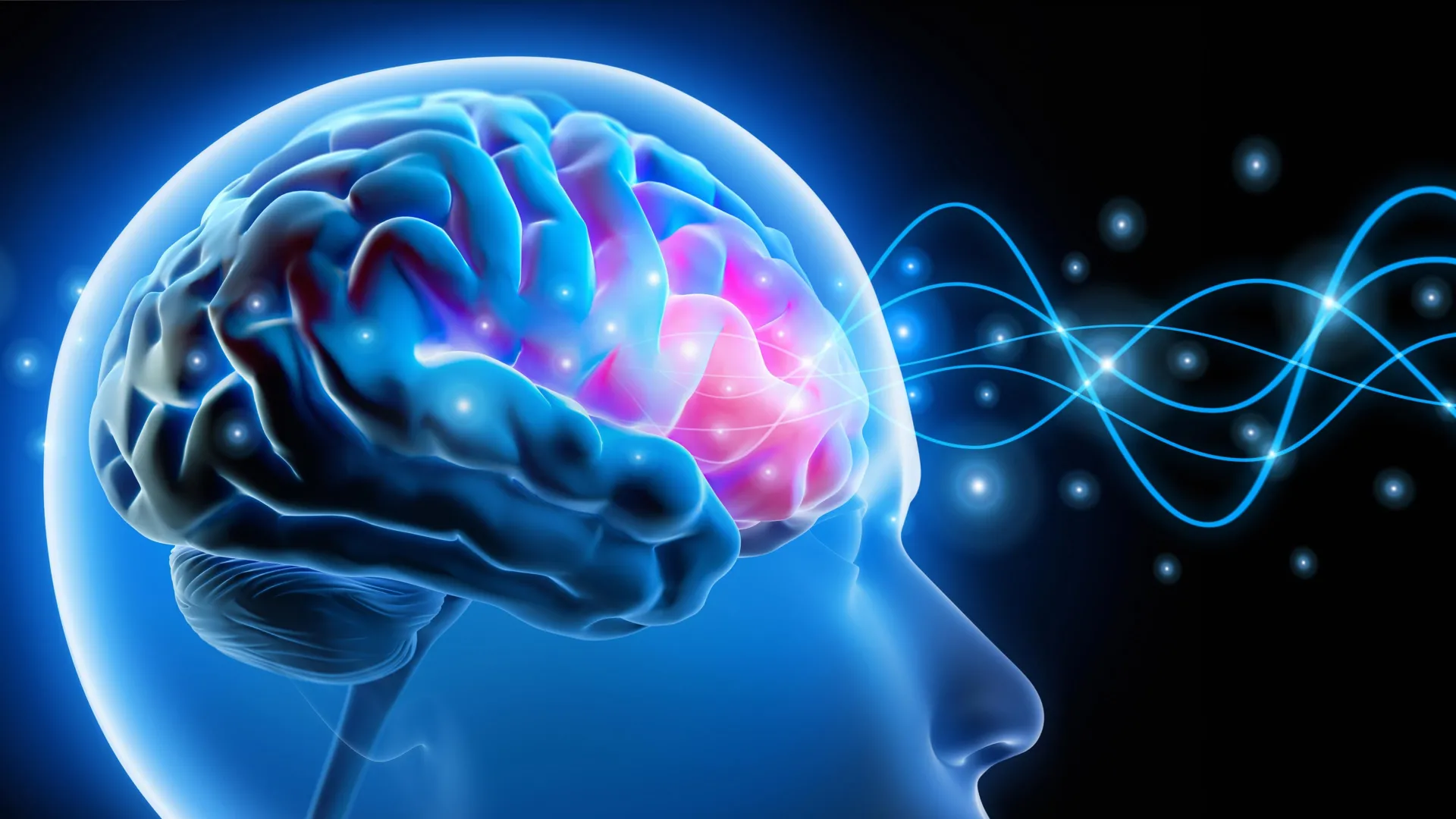
For more than six decades, metformin has served as the cornerstone of pharmacological intervention for type 2 diabetes, a condition that currently affects over 450 million people worldwide. Despite its status as the most widely prescribed glucose-lowering medication in history, the precise biological mechanisms through which it exerts its therapeutic effects have remained a subject of intense scientific debate. While traditional medical consensus has long pointed to the liver and the gastrointestinal tract as the primary sites of action, a groundbreaking study led by researchers at Baylor College of Medicine, in collaboration with international institutions, has identified an entirely different orchestrator of the drug’s success: the human brain.
The research, published in the journal Science Advances, identifies a specific neural pathway centered in the hypothalamus that is essential for metformin’s ability to lower blood glucose levels. By uncovering the role of a protein called Rap1 within the ventromedial hypothalamus (VMH), the study suggests that the central nervous system plays a far more active role in glucose metabolism than previously understood. This discovery not only resolves a long-standing mystery in pharmacology but also paves the way for a new generation of diabetes treatments designed to target the brain’s regulatory centers directly.
The Evolution of Metformin and the Search for its Mechanism
To understand the significance of this discovery, one must look at the history of metformin. Derived from the French lilac (Galega officinalis), a plant used in folk medicine for centuries to treat frequent urination, metformin was first synthesized in the 1920s but was largely ignored until the work of French physician Jean Sterne in the 1950s. It was approved for use in Europe in the 1950s and eventually by the U.S. Food and Drug Administration (FDA) in 1994.
For decades, the prevailing "liver-centric" model suggested that metformin worked primarily by inhibiting gluconeogenesis—the process by which the liver produces glucose. Later research in the 2010s expanded this view, suggesting that the drug also acts within the gut by altering the microbiome and stimulating the secretion of glucagon-like peptide-1 (GLP-1), a hormone that triggers insulin release. However, these models failed to explain why metformin remains effective at low concentrations that do not significantly impact liver cells.
"It’s been widely accepted that metformin lowers blood glucose primarily by reducing glucose output in the liver. Other studies have found that it acts through the gut," explained Dr. Makoto Fukuda, the study’s corresponding author and an associate professor of pediatrics—nutrition at Baylor College of Medicine. "We looked into the brain as it is widely recognized as a key regulator of whole-body glucose metabolism. We investigated whether and how the brain contributes to the anti-diabetic effects of metformin."
The Central Role of Rap1 and the Hypothalamus
The research team focused their investigation on the ventromedial hypothalamus (VMH), a region of the brain known to be a critical "glucose-sensing" hub. Within this region, they identified a signaling protein called Rap1. Rap1 is a member of the Ras family of small GTPases and is involved in various cellular processes, including cell adhesion and signal transduction.
Through a series of sophisticated molecular experiments, the researchers discovered that metformin acts as a suppressor of Rap1 activity within the VMH. They found that when metformin is introduced into the system, it inhibits the function of Rap1, which in turn triggers a cascade of signals that result in lowered blood sugar. This suggests that metformin’s "anti-diabetic" signal is, in part, a neurological command issued by the brain to the rest of the body.
The study’s findings indicate that at clinically relevant doses—the amounts typically prescribed to human patients—the suppression of Rap1 in the VMH is a requirement for the drug’s efficacy. This adds a sophisticated layer of complexity to the drug’s pharmacodynamics, shifting the focus from peripheral organs to the central nervous system.
Experimental Chronology: Proving the Brain-Blood Sugar Link
The researchers employed a multi-stage experimental design to validate their hypothesis. The timeline of the study involved genetic engineering, dietary manipulation, and direct intracranial drug administration to isolate the variables involved.
Initially, the team developed a line of genetically engineered mice that lacked the Rap1 protein specifically within the VMH. To simulate type 2 diabetes, these mice, along with a control group of normal mice, were placed on a high-fat diet designed to induce insulin resistance and hyperglycemia.
When the researchers administered low, clinically relevant doses of metformin to the diabetic mice lacking Rap1, the results were striking: the drug failed to lower their blood sugar levels. However, when the same mice were given other common diabetes medications, such as insulin or GLP-1 receptor agonists (a class of drugs that includes modern treatments like Ozempic), the treatments worked as expected. This demonstrated that while other drugs bypass the Rap1 pathway, metformin is uniquely dependent on it.
To further solidify the link, the team performed a "micro-dosing" experiment. They delivered metformin directly into the brains of diabetic mice at doses thousands of times lower than what would be required if taken orally. Despite the minuscule amount, the direct brain treatment led to a significant and rapid reduction in blood glucose levels. This confirmed that the brain is not just a secondary site of action, but perhaps the most sensitive responder to the medication.
Identifying the Cellular Target: SF1 Neurons
Having identified the region (VMH) and the protein (Rap1), the researchers sought to pinpoint the specific cells responsible for this effect. They focused on steroidogenic factor-1 (SF1) neurons, a specialized population of cells within the VMH known to regulate energy balance and glucose homeostasis.
By measuring the electrical activity of these neurons in brain tissue samples, the team observed that metformin increased the firing rate of SF1 neurons. Crucially, this activation only occurred in the presence of Rap1. In the "knockout" mice where Rap1 was absent, metformin had no effect on neuronal firing.
"We found that SF1 neurons are activated when metformin is introduced into the brain, suggesting they’re directly involved in the drug’s action," Dr. Fukuda noted. This electrical activation sends signals through the autonomic nervous system to peripheral organs, effectively telling the body to stop overproducing glucose and to utilize existing sugar more efficiently.
Comparative Data and Clinical Significance
The data gathered by the Baylor team highlights a significant disparity in how different organs respond to metformin. While the liver and intestines require high concentrations of the drug to trigger a therapeutic response, the brain’s VMH region responds to levels that are several orders of magnitude lower.
This explains a long-standing paradox in diabetes treatment: many patients experience the benefits of metformin even when the concentration of the drug in their bloodstream seems too low to significantly inhibit liver function. The study suggests that the brain is the "first responder" to metformin, initiating glucose control long before the drug reaches high enough concentrations to act on the liver.
This discovery has profound implications for the development of future therapies. Currently, many patients experience gastrointestinal side effects from metformin, such as nausea and diarrhea, because high oral doses are required to reach the liver and gut effectively. If researchers can develop compounds that more effectively cross the blood-brain barrier or target the VMH specifically, it may be possible to achieve better glucose control with much lower doses and fewer side effects.
Official Responses and Collaborative Efforts
The study was a massive international undertaking, involving experts from Baylor College of Medicine, Louisiana State University, Nagoya University in Japan, and Meiji University in Japan. The collaborative nature of the research underscores the global importance of finding better ways to manage metabolic diseases.
Contributing authors included Hsiao-Yun Lin, Weisheng Lu, Yanlin He, and several others, whose expertise ranged from pediatric nutrition to molecular biology and drug metabolism. The work was supported by a wide array of prestigious organizations, including the National Institutes of Health (NIH), the American Diabetes Association (ADA), and the American Heart Association (AHA).
In their official statements, the researchers emphasized that this discovery "changes the paradigm" of how we view metabolic regulation. By moving beyond the "organ-in-isolation" view of diabetes, the study promotes a more holistic, systems-biology approach where the brain is seen as the central conductor of the metabolic orchestra.
Broader Implications: Aging, Neuroprotection, and Beyond
Beyond its role in diabetes, metformin has gained significant attention in recent years for its potential "off-label" benefits. Numerous observational studies have suggested that metformin users have lower rates of certain cancers, cardiovascular disease, and, most notably, neurodegenerative diseases like Alzheimer’s and Parkinson’s. It is also the subject of the TAME (Targeting Aging with Metformin) trial, the first FDA-approved study to test a drug’s ability to slow human aging.
The Baylor study provides a potential mechanistic explanation for these systemic benefits. If metformin is actively modulating hypothalamic pathways, it may be influencing the body’s entire "aging clock." The hypothalamus is known to regulate not just glucose, but also inflammation, body temperature, and hormone production—all of which are central to the aging process.
"In addition, metformin is known for other health benefits, such as slowing brain aging," Dr. Fukuda said. "We plan to investigate whether this same brain Rap1 signaling is responsible for other well-documented effects of the drug on the brain."
If the Rap1 pathway is indeed the key to metformin’s neuroprotective effects, this research could lead to breakthroughs in treating age-related cognitive decline. It suggests that the drug’s ability to "rejuvenate" the brain is not a side effect, but a core component of its primary biological function.
Conclusion: A New Frontier in Metabolic Science
The revelation that metformin’s primary mechanism of action involves the brain’s Rap1 protein marks a turning point in endocrinology. For sixty years, the scientific community focused on the "plumbing" of the body—the liver and the gut—while the "computer" directing the system remained overlooked.
By proving that metformin acts as a bridge between the central nervous system and metabolic health, the Baylor team has provided a new roadmap for drug discovery. Future treatments may focus on "neuro-metabolic" interventions, treating diabetes not just as a failure of the pancreas or liver, but as a communication breakdown between the brain and the body.
As the global burden of type 2 diabetes continues to rise, driven by aging populations and changing lifestyles, the need for more precise and effective therapies has never been greater. This study suggests that the secret to managing one of the world’s most prevalent chronic diseases has been hidden within the folds of the hypothalamus all along, waiting for the tools of modern molecular biology to bring it to light. With this new understanding, the medical community is better positioned than ever to refine the use of metformin and develop new strategies to ensure that the brain and body work in harmony to maintain health.