


In a groundbreaking study published in the journal Nature on April 9, researchers from the Wellcome Sanger Institute and their international collaborators have provided a transformative look into the origins and progression of chronic myeloid leukemia (CML). By utilizing advanced whole-genome sequencing and phylogenetic analysis, the team has successfully mapped the evolutionary trajectory of the disease, revealing that the genetic foundations of CML are established years—and sometimes over a decade—before a clinical diagnosis is made. Most notably, the research highlights an "explosive" growth rate of cancerous cells that far exceeds the developmental pace of most other known cancers, marking CML as a biological outlier in the field of oncology.
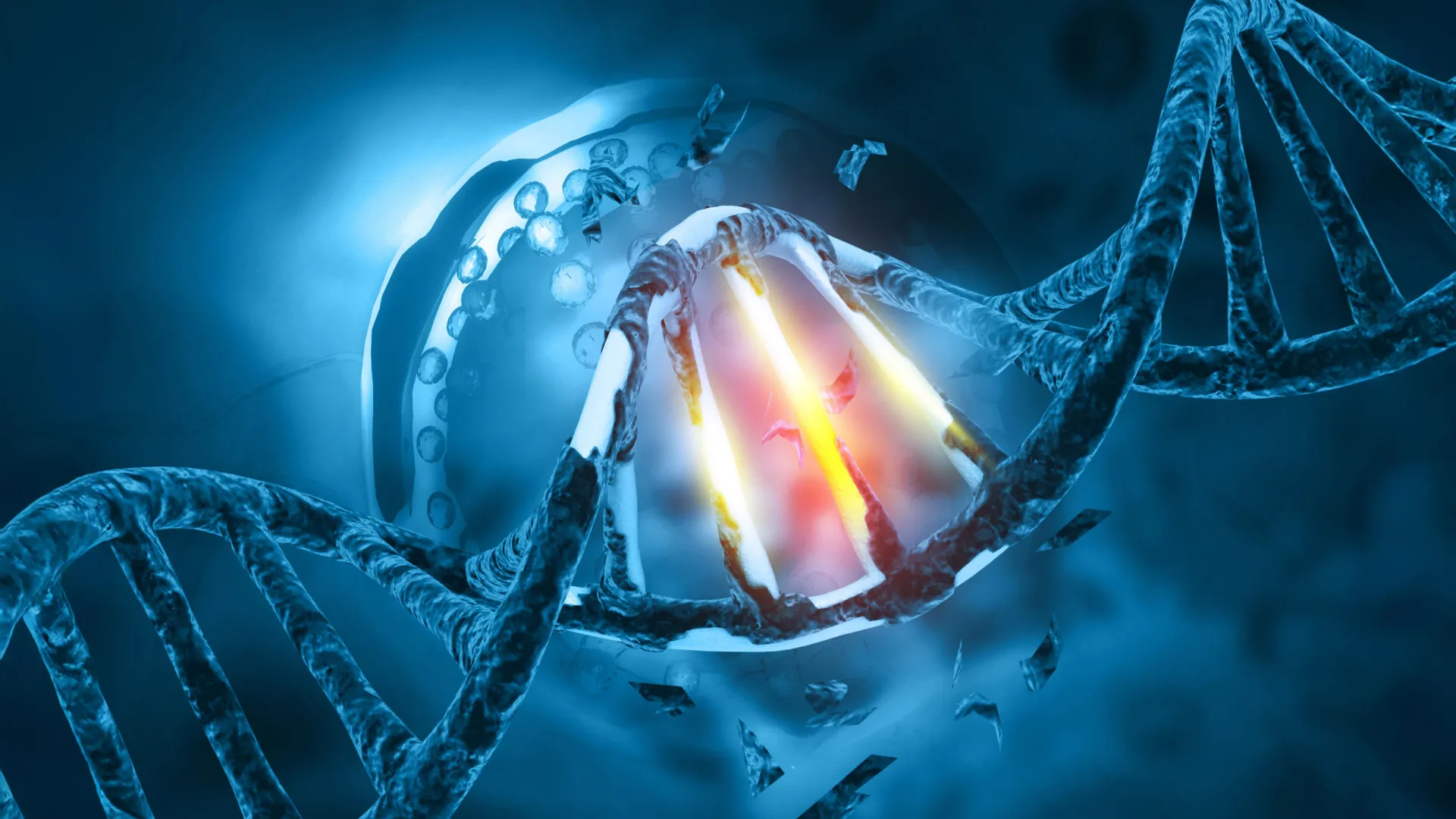
Chronic myeloid leukemia is a primary cancer of the bone marrow and blood, characterized by the overproduction of white blood cells. For decades, the medical community has recognized that CML is driven by a specific genetic abnormality known as the Philadelphia chromosome. This occurs when a piece of chromosome 9, containing the ABL1 gene, breaks off and attaches to the BCR gene on chromosome 22. The resulting fusion gene, BCR::ABL1, produces a tyrosine kinase protein that remains permanently "on," signaling cells to divide uncontrollably. While the existence of this fusion gene has long been the target of modern therapies, the specific timeline of its emergence and the speed at which it consumes the hematopoietic system remained largely speculative until now.
Reconstructing Cellular Ancestry Through Phylogenetic Trees
To investigate the temporal origins of CML, the research team analyzed over 1,000 whole genomes derived from single blood cells of nine patients. These participants represented a diverse demographic, ranging in age from 22 to 81 years. By examining the somatic mutations—naturally occurring genetic "typos" that accumulate as cells divide—the researchers were able to construct highly detailed phylogenetic trees. These trees serve as a biological map, allowing scientists to trace the lineage of cancer cells back to their common ancestor: the very first cell that acquired the BCR::ABL1 fusion.
This "molecular archaeology" revealed that the initial genetic event triggering the cancer typically occurs between three and 14 years before the patient exhibits any symptoms or receives a diagnosis. This window provides a significant period of "silent" growth where the cancer is present but undetected by standard medical screenings. The study’s ability to pinpoint the moment of origin offers a new perspective on the latency period of blood cancers, suggesting that the path to leukemia is a multi-year evolutionary process rather than a sudden onset.
An Outlier in Oncology: The Explosive Growth of BCR::ABL1
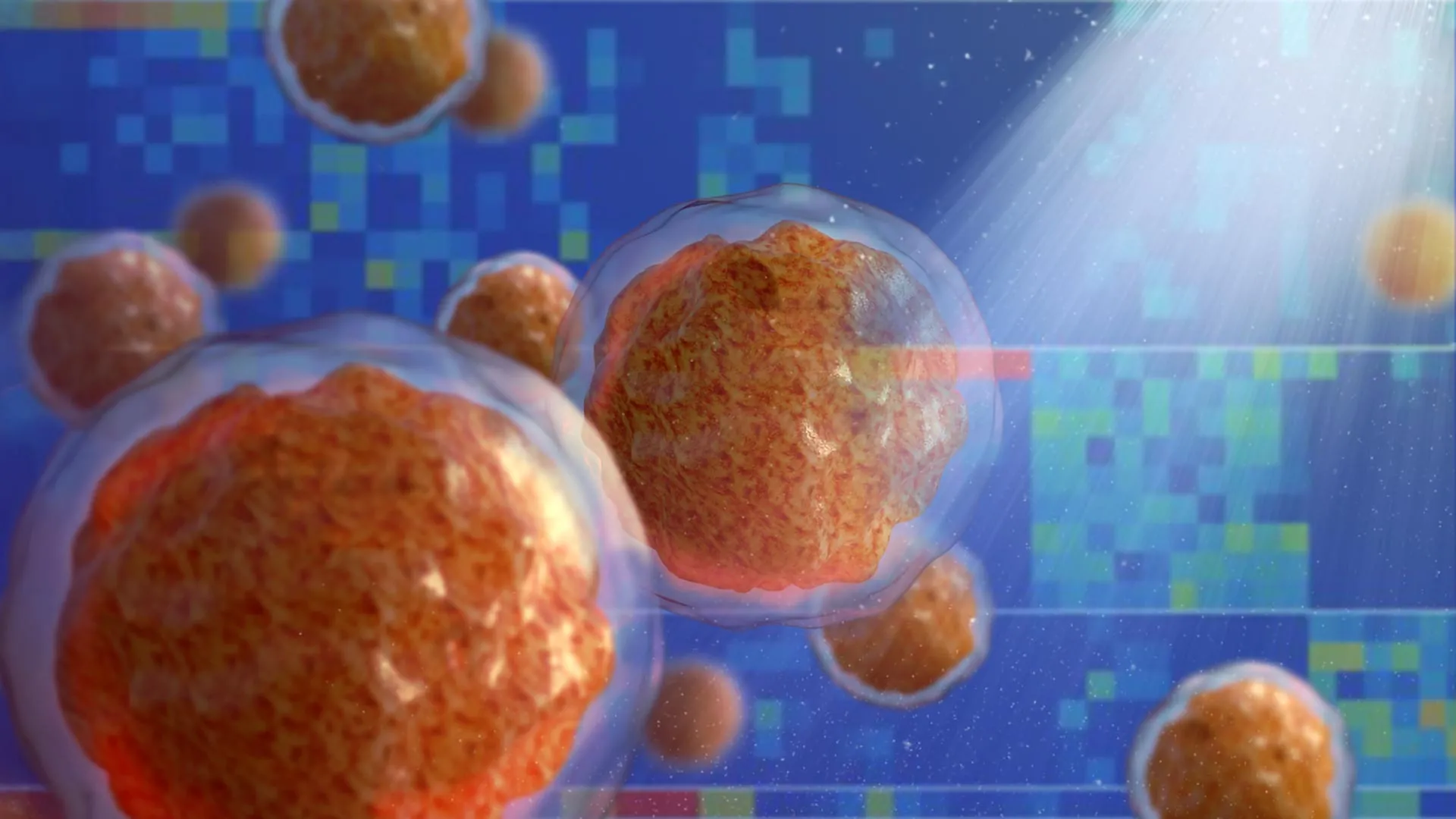
The most startling finding of the Sanger Institute study is the sheer velocity at which CML cells multiply once the BCR::ABL1 fusion is established. The data showed that once the fusion gene appears, the resulting "clones"—genetically identical populations of tumor cells—expand at rates occasionally exceeding 100,000 percent annually. This level of proliferation is described by researchers as uniquely aggressive.
In comparison, most solid tumors and even other types of blood cancers typically require the accumulation of multiple genetic mutations over several decades to reach a similar state of dominance. These other cancers generally follow a "slow-burn" model of evolution. CML, however, appears to be driven by a single, potent genetic "hit." The BCR::ABL1 fusion gene possesses a uniquely high fitness advantage, allowing a single mutated cell to rapidly outcompete healthy bone marrow cells and take over the blood production system in a fraction of the time required by other malignancies.
The Influence of Age on Cancer Dynamics
While the study confirmed the rapid growth of CML across all subjects, it also identified a significant correlation between a patient’s age and the speed of tumor expansion. Younger patients in the study exhibited much higher rates of cell multiplication compared to older patients. This discovery challenges the traditional view that cancer is primarily a disease of aging driven by the slow accumulation of damage. Instead, in the context of CML, the younger biological environment may actually facilitate or permit a faster expansion of the BCR::ABL1 clones.
This age-related variation has profound implications for how the disease is managed in different age groups. If younger patients harbor faster-growing clones, their window for intervention may be narrower, or they may require more aggressive initial monitoring. The study suggests that the biological "soil" of the bone marrow changes with age, potentially offering more resistance to—or simply less fuel for—the explosive growth seen in younger individuals.
Clinical Implications and Treatment Resistance
The research also addressed one of the most pressing challenges in CML treatment: resistance to tyrosine kinase inhibitors (TKIs). Since the introduction of Imatinib (Gleevec) in the early 2000s, TKIs have turned CML from a fatal diagnosis into a manageable chronic condition for many. However, approximately 20 percent of patients do not respond well to these standard therapies, eventually progressing to more advanced stages of the disease, such as the "blast crisis."
The study found a direct link between the pre-diagnostic growth rate of the cancer and the patient’s subsequent response to treatment. Patients whose CML clones grew more rapidly before diagnosis were significantly less likely to achieve a deep molecular response when treated with TKIs. This suggests that the inherent "fitness" or aggressiveness of the cancer cells is determined early in the disease’s evolution. By identifying these high-growth patients sooner, clinicians might eventually be able to tailor treatment plans, opting for more potent second- or third-generation TKIs or alternative therapies earlier in the process.
Validating Findings via the "All of Us" Cohort
To ensure the findings were not limited to a small sample size, the researchers expanded their investigation using data from the "All of Us" Research Program in the United States. They analyzed the health records and sequencing data of over 200,000 participants to see if individuals could carry the BCR::ABL1 fusion gene as a "benign" or dormant mutation without ever developing leukemia.
The analysis revealed that the presence of the BCR::ABL1 fusion is almost always a precursor to clinical disease. Unlike some other genetic mutations associated with "clonal hematopoiesis of indeterminate potential" (CHIP), which can persist in elderly populations without ever causing cancer, the expansion of BCR::ABL1 clones appears to lead inevitably to symptomatic leukemia. This reinforces the idea that the fusion gene is a "strong driver" that, once present, sets the body on an unavoidable path toward CML unless medical intervention occurs.
Expert Perspectives on Future Oncology
Dr. Aleksandra Kamizela, co-first author of the study and a resident doctor at Lister Hospital, emphasized the gap between current clinical practice and the genetic insights provided by this research. "In a clinical setting, healthcare professionals will perform a reverse transcription polymerase chain reaction (RT-PCR) test to measure a patient’s response to CML treatment," Dr. Kamizela noted. "However, they are not able to routinely see differences in the genetic cause of CML in patients at the DNA level, which we have been able to highlight in our study." She added that the findings provide a strong rationale for incorporating growth-rate analysis into future clinical trials to better predict patient outcomes.
Dr. Jyoti Nangalia, the study’s senior author and a hematologist at the University of Cambridge, highlighted the unique nature of CML compared to the broader landscape of oncology. "What our study suggests is that chronic myeloid leukemia is an outlier compared to other cancers—both solid tumors and other blood cancers," Dr. Nangalia stated. She explained that while most cancers take decades to move from the first mutation to clinical presentation, CML cells undergo an "incredibly rapid growth" within a much shorter timeframe. This work, she believes, paves the way for optimizing treatments for those patients who currently fall into the 20 percent non-responder category.
Broader Impact on Cancer Research and Prevention
The implications of this study extend beyond CML, offering a blueprint for how whole-genome sequencing can be used to understand the "dark period" of cancer development—the years before a tumor becomes visible or symptomatic. By understanding the timing of the first oncogenic hit, researchers can better investigate environmental or genetic factors that might trigger these fusions.
Furthermore, the study contributes to the growing field of precision oncology. By demonstrating that the growth rate of a cancer is a measurable and clinically relevant variable, the research suggests a future where a patient’s "evolutionary profile" is as important as their "genetic profile." If doctors can calculate how fast a clone is expanding, they can move away from a one-size-fits-all treatment model toward a more nuanced approach that accounts for the specific kinetic energy of the disease.
As the scientific community continues to digest these findings, the focus will likely shift toward larger cohort studies to validate the link between growth rates and TKI resistance. For now, the Wellcome Sanger Institute’s research stands as a landmark achievement, pulling back the curtain on the silent, rapid evolution of one of the world’s most well-known leukemias and providing a new timeline for the battle against blood cancer.












Leave a Reply