The scientific community is buzzing with anticipation as BioTechniques unveils the esteemed judging panel for its highly anticipated 2026 Image Competition, an annual event celebrating the intricate beauty and profound scientific insights captured through advanced microscopy. This year’s competition promises to showcase groundbreaking visual research, with a panel of experts poised to evaluate submissions based on their scientific impact, image quality, and sheer "wow" factor. Submissions are currently open, inviting researchers globally to share their most compelling microscopic imagery, with the opportunity to not only gain recognition but also contribute to the ongoing narrative of scientific discovery.
The Significance of Scientific Visualization
In an era where scientific communication is increasingly vital, visual data plays an indispensable role. Microscopy, in particular, stands at the forefront of this visual revolution, allowing scientists to peer into the previously unseen realms of cells, tissues, and microorganisms. The BioTechniques Image Competition serves as a prestigious platform to highlight the dual nature of scientific imaging: its capacity to convey complex data with clarity and precision, and its inherent artistic merit. Beyond elucidating biological mechanisms, these images often possess an aesthetic quality that captures the imagination, bridging the gap between scientific rigor and public engagement. The competition not only rewards technical prowess and scientific ingenuity but also encourages researchers to explore the artistic dimensions of their work, fostering a deeper appreciation for the micro-world that underpins all life.
The judging process for the 2026 competition is meticulously structured to ensure fairness and comprehensive evaluation. Once the submission window closes, all entries, accompanied by their supporting scientific information, will be forwarded to the judging panel. Each judge will independently score images across three critical dimensions: scientific impact, which assesses the significance of the biological question addressed and the insights provided; image quality, focusing on technical execution, resolution, and clarity; and the elusive "wow factor," which gauges the image’s ability to evoke wonder, originality, and immediate visual appeal. This initial scoring phase will narrow down the vast pool of entries to a shortlist of ten outstanding images. Following this expert deliberation, a public vote will commence, allowing the broader scientific community and enthusiasts alike to cast their votes and determine the ultimate winner, adding a democratic layer to the selection process and fostering widespread participation.
Meet the Expert Panel: Guardians of Microscopic Excellence

The 2026 judging panel comprises a diverse group of accomplished scientists and editors, each bringing a unique perspective and deep expertise to the evaluation process. Their collective experience spans various microscopy techniques, biological disciplines, and the critical intersection of science communication.
Michelle Itano – BioTechniques‘ Editor-in-Chief
Leading the panel is Michelle Itano, the esteemed Editor-in-Chief of BioTechniques. A cellular biophysicist by training, Dr. Itano holds the position of Associate Professor of Cell Biology and Physiology at the University of North Carolina – Chapel Hill (NC, USA). Her extensive leadership roles include Director of the Neuroscience Microscopy Core and Administrative Director of Carolina Microscopy, where she is instrumental in developing and customizing cutting-edge optical imaging and analysis applications for a broad spectrum of scientific research projects. Her work at UNC Chapel Hill has been pivotal in advancing the capabilities of microscopic analysis, pushing the boundaries of what can be observed and quantified in living systems.
Dr. Itano’s profound connection to microscopy began early in her career, influencing her enduring preference for dynamic imaging techniques. "I still have a slight preference for some of the first techniques I learned," she shares, "Those include timelapse or live imaging techniques, as I really enjoy seeing processes occur in real-time and the inherent complexity that occurs during cellular and developmental processes when they are viewed at the subcellular scale." This appreciation for real-time dynamics underscores the importance of capturing the unfolding story of biological events, rather than just static snapshots.
Among specific modalities, Total Internal Reflection Fluorescence (TIRF) microscopy remains her personal favorite. "As a modality, Total Internal Reflection Fluorescence (TIRF) is probably still my favorite microscopy modality," Dr. Itano explains. "I am still impressed by how complex optics and physical interactions can be engineered in a way that enables rare biological events to be viewed, captured/recorded, measured/analyzed and shared." TIRF microscopy is a powerful technique that illuminates a thin section of a sample immediately adjacent to the coverslip, significantly reducing background fluorescence and enabling high-signal-to-noise imaging of events occurring at or near the cell surface, such as exocytosis, endocytosis, and cell adhesion. Its ability to visualize rare and subtle interactions with exceptional clarity makes it an invaluable tool for cellular biophysicists like Dr. Itano, who are dedicated to unraveling the intricacies of cellular processes at the nanoscale. Her discerning eye will undoubtedly seek out images that not only display technical excellence but also reveal dynamic biological insights with compelling clarity.
Joshua Rappoport – Executive Director, Research Infrastructure & Operations, Boston College

Bringing a wealth of experience in core facility management and research strategy, Joshua Rappoport serves as the Executive Director of Research Infrastructure & Operations at Boston College (MA, USA). His academic journey is marked by a rigorous pursuit of knowledge in biological sciences, beginning with a bachelor’s degree in biology from Brown University (RI, USA). He then earned his PhD from the Program in Mechanisms of Disease and Therapeutics at the Mount Sinai School of Medicine, Graduate School of Biological Sciences of New York University (NY, USA). His postdoctoral work at The Rockefeller University (NY, USA) in the Laboratory of Cellular Biophysics further honed his expertise in advanced imaging techniques. Dr. Rappoport later transitioned to a faculty position in the School of Biosciences at the University of Birmingham (UK), before returning to the United States in 2014 to direct the Center for Advanced Microscopy and Nikon Imaging Center at the Northwestern University Feinberg School of Medicine (IL, USA). His current role at Boston College, which he began in March 2019, focuses on assisting with strategic organization and operations across the sciences, underscoring his commitment to fostering robust research environments.
Dr. Rappoport is a staunch advocate for meticulous experimental design and execution, a philosophy reflected in his invaluable advice for aspiring microscopists. Echoing the wisdom of Peregrin "Pippin" Took from J.R.R. Tolkien’s The Fellowship of the Ring, he advises, "short cuts make long delays." He elaborates on this principle: "Do that extra control! Titrate that antibody! Make sure your background and bleedthrough corrections are on point!" This guidance is critical in microscopy, where seemingly minor oversights can lead to significant misinterpretations. Controls are essential for validating experimental results, ensuring that observed phenomena are due to the experimental manipulation and not extraneous factors. Antibody titration, the process of determining the optimal concentration of an antibody, prevents non-specific binding and maximizes signal-to-noise ratios, crucial for accurate immunofluorescence imaging. Furthermore, proper background subtraction and bleedthrough corrections are vital for quantitative imaging, preventing false positives and ensuring that signals from different fluorophores are accurately attributed.
"Cutting corners doesn’t lead to a faster result, just the wrong one," Dr. Rappoport emphasizes. "Take your time and don’t be in a rush. This goes for both experimental planning and execution. The ‘quick and dirty’ experiment is a sure path to frustration." His perspective highlights the importance of scientific rigor and reproducibility, elements that will undoubtedly weigh heavily in his evaluation of competition entries. Images submitted to the competition must not only be visually stunning but also scientifically sound, reflecting careful methodology and robust data acquisition.
Bruno Cisterna – 2025 Image Competition Winner
Adding a unique and highly relevant perspective to the panel is Bruno Cisterna, the triumphant winner of the BioTechniques 2025 Image Competition. As a neuroscientist and microscopist in the Department of Neuroscience and Regenerative Medicine at Augusta University (GA, USA), Dr. Cisterna’s research delves into the intricate mechanisms by which the cytoskeleton contributes to neurodegenerative diseases, including amyotrophic lateral sclerosis (ALS) and Alzheimer’s disease. His innovative approach involves using cell culture models derived from induced pluripotent stem cells (iPSCs), allowing him to study human disease in a controlled environment. Dr. Cisterna is particularly fascinated by how microtubules, actin dynamics, and intracellular trafficking collectively shape neuronal health and communication, exploring these fundamental processes with exceptional visual acuity.
Beyond his scientific pursuits, Dr. Cisterna is celebrated for his exploration of the artistic side of microscopy, capturing images that transcend mere data to reveal the hidden beauty and complexity of cellular architecture. His winning entry from the 2025 competition stood as a testament to this dual passion, marrying scientific insight with aesthetic brilliance.
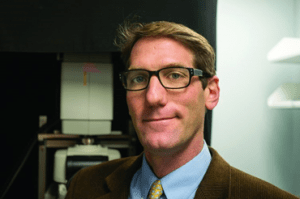
When asked about the most unexpected aspect of his microscopic observations, Dr. Cisterna reflects on the inherent unpredictability of biological systems. "One thing that still surprises me is how cell cultures can develop their own dynamics over time," he notes. "You can start with very similar tissue-derived cultures, keep them under almost identical conditions, and yet, after differentiation or long-term culture, they can adopt quite different morphologies and patterns of organization." This phenomenon underscores the emergent properties of biological systems, where complex interactions at the cellular level give rise to varied outcomes.
"Under the microscope, it sometimes feels as if each culture has its own history: the cells are not just passively following a protocol, but organizing, interacting and adapting in ways that are hard to predict," Dr. Cisterna continues. "That unpredictability is one of the things that makes microscopy so interesting to me." His appreciation for these spontaneous cellular narratives suggests he will be looking for images that not only demonstrate technical skill but also tell a compelling biological story, revealing the dynamic and often surprising intricacies of life at the microscopic scale. His insights as a previous winner will be invaluable in identifying images that resonate on both scientific and artistic levels.
Jasmine Hagan – Commissioning Editor of BioTechniques
Rounding out the distinguished panel is Jasmine Hagan, the Commissioning Editor of BioTechniques. A graduate of the University of Kent (UK) in 2021, Jasmine embarked on a career in scientific publishing, driven by an interest in staying connected with the scientific community without direct involvement in laboratory work. This unique vantage point provides her with a crucial understanding of what makes scientific content, particularly visual content, impactful and engaging for a broad readership.
Jasmine joined Future Science Group in 2022 as a Commissioning Editor before transitioning to her current role at Taylor & Francis. In her capacity, she oversees the day-to-day management of the BioTechniques journal, which involves commissioning compelling content and guiding authors through the intricate publication process. Her responsibilities require a keen eye for scientific relevance, clarity, and the overall appeal of submissions.
Her deep familiarity with BioTechniques‘ scope and target audience provides her with an important and distinct perspective on the competition entries. "Her familiarity with BioTechniques‘ scope and audience give her an important perspective on which images have potential to be our journal cover!" the organizers note. This insight is particularly valuable, as a journal cover image must not only be scientifically accurate but also visually striking and representative of the cutting-edge research featured within the publication. Jasmine will likely evaluate images based on their ability to instantly communicate a scientific concept, their aesthetic appeal, and their potential to captivate and inform the diverse readership of BioTechniques.

The Broader Impact and Future of Scientific Imaging
The BioTechniques Image Competition is more than just a contest; it is a celebration of the profound advancements in scientific imaging and its critical role in pushing the frontiers of knowledge. By bringing together a panel of such diverse and accomplished experts, the competition ensures a comprehensive and rigorous evaluation process, recognizing images that excel in scientific impact, technical mastery, and artistic expression. The combination of expert judgment and public voting also democratizes scientific appreciation, making complex research accessible and engaging for a wider audience.
In an age of increasing specialization, such initiatives foster interdisciplinary dialogue and inspire the next generation of scientists and microscopists. The images submitted to this competition often serve as powerful communication tools, illustrating complex biological phenomena in ways that text alone cannot achieve. They demonstrate the power of visual storytelling in science, transforming raw data into captivating narratives that educate, inform, and inspire. As microscopy techniques continue to evolve, enabling researchers to visualize biological processes with unprecedented resolution and in real-time, the BioTechniques Image Competition will undoubtedly remain a crucial platform for showcasing these innovations and their impact on our understanding of life itself.
The opinions expressed in this interview are those of the interviewees and do not necessarily reflect the views of BioTechniques or Taylor & Francis Group. The interviewees have no competing interests to disclose.