The success of in vitro fertilization (IVF) is a complex biological puzzle dependent on a multitude of variables, ranging from the quality of the oocyte to the environmental conditions of the laboratory. Among these factors, sperm viability remains a critical hurdle, as the longevity and functional capacity of sperm cells often diminish rapidly once removed from the natural reproductive tract. However, a groundbreaking study from the University of Illinois Urbana-Champaign has introduced a novel methodology to select viable sperm and significantly prolong their lifespan in a laboratory setting. By mimicking the natural environment of the fallopian tube, researchers have identified a way to reduce the inherent variability of the IVF process, potentially revolutionizing both human reproductive medicine and global animal agriculture.
The research, led by David Miller, a professor in the Department of Animal Sciences at the University of Illinois, focuses on the biological sophisticated "storage" system found within the female reproductive tract. In nature, the fallopian tube, or oviduct, serves as more than just a conduit for gametes; it acts as a reservoir that maintains sperm health and regulates their release toward the egg. Until recently, this specialized environment had proven nearly impossible to replicate in a clinical or laboratory setting. In 2020, Miller’s team discovered that the key to this natural preservation lies in complex sugars known as glycans. These molecules, which coat the lining of the oviduct, possess the unique ability to bind to sperm, effectively "docking" them and keeping them alive for extended periods.
The Biological Foundation: Understanding the Oviductal Reservoir
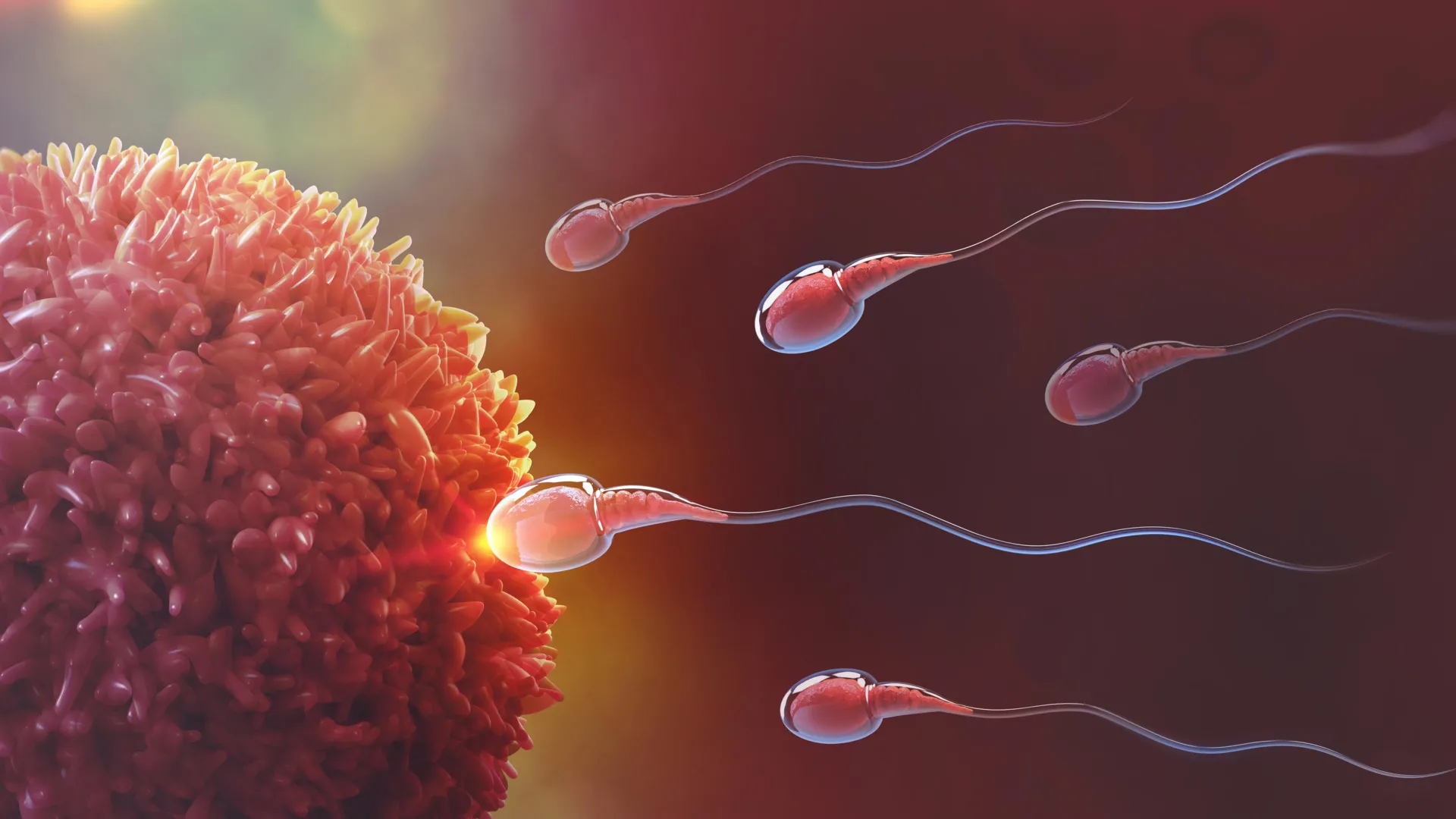
To understand the significance of this discovery, one must look at the natural challenges of fertilization. In most mammalian species, sperm must survive in the female reproductive tract for hours or even days before an egg is released during ovulation. The oviduct facilitates this by providing a protective niche where sperm can attach to the epithelial lining. This attachment prevents the sperm from undergoing premature "capacitation"—the final stage of maturation that enables fertilization but also leads to a rapid decline in sperm energy and viability.
In conventional IVF, this protective mechanism is absent. Sperm are typically introduced to eggs in a culture medium where they swim freely. Without the regulatory influence of the oviduct, sperm viability can drop sharply, and the timing of fertilization becomes a narrow, high-pressure window. The Illinois study sought to bridge this gap by identifying the specific glycan responsible for this binding and integrating it into the IVF workflow.
Working in collaboration with specialized chemists, Miller’s group screened hundreds of different oviduct glycans to determine which ones had the highest affinity for sperm. Their search led them to a specific compound: sulfated Lewis X trisaccharide, or suLeX. While the study utilized pig sperm as its primary model, the implications are far-reaching. The choice of porcine models was strategic; pigs are not only an excellent biological proxy for human reproductive mechanics, but they also represent a massive sector of the agricultural economy where IVF efficiency is paramount.
Experimental Methodology and Quantitative Results
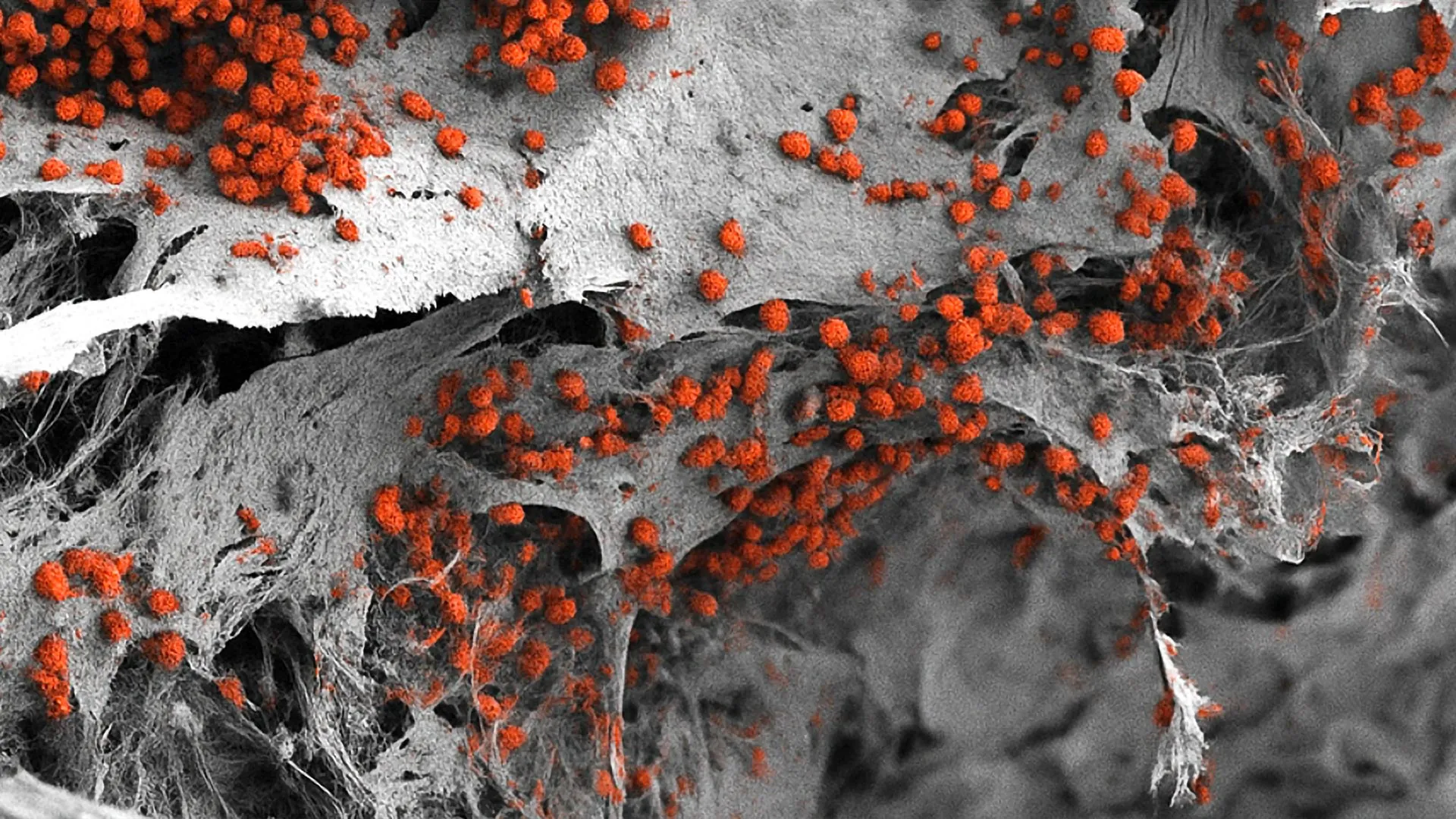
The researchers designed a series of experiments to test whether suLeX could serve as a functional "anchor" for sperm in a laboratory dish. They attached the suLeX molecules to the bottom of culture dishes, creating a bioactive surface. Sperm were then introduced to these dishes and allowed 30 minutes to adhere to the glycans. Once the viable sperm were securely bound, the researchers introduced eggs at four distinct intervals: 0, 6, 12, and 24 hours.
The results, published in the journal Scientific Reports, demonstrated a stark contrast between the glycan-supported environment and standard IVF protocols. At the 0-hour mark, the IVF efficiency—defined as the ratio of successfully fertilized zygotes to the total number of eggs—was 53% for the suLeX group. In comparison, the control group, which used standard culture dishes without oviductal compounds, achieved an efficiency of only 36%. Two other "control" compounds tested by the team yielded efficiencies of approximately 40%, further validating the superior performance of suLeX.
As the time delay increased, the protective effect of the glycans became even more pronounced. In the control group, the fertilization rate plummeted to a mere 1% after 24 hours, indicating that the sperm had lost nearly all functional capacity. However, in the dishes treated with suLeX, 12% of the eggs were still successfully fertilized at the 24-hour mark. This suggests that the glycan binding significantly slowed the degradation of the sperm, effectively doubling or tripling the "fertile window" available to technicians and clinicians.
Solving the Challenge of Polyspermy in Agriculture
Beyond extending longevity, the suLeX method addresses a major technical hurdle in livestock IVF: polyspermy. Polyspermy occurs when multiple sperm cells penetrate a single egg, a phenomenon that results in inviable embryos with abnormal chromosome counts. In the pig industry, this is a frequent cause of IVF failure. Because standard IVF involves high concentrations of free-swimming sperm to ensure at least one makes contact, the risk of "over-fertilization" is high.
The suLeX system offers an elegant solution to this problem. Because the viable sperm are bound to the glycan-coated surface, the researchers were able to wash away the excess, free-swimming sperm before introducing the eggs. This "cleaning" step ensured that only the most robust, bound sperm were present to interact with the oocytes.
"Because the sperm were bound securely to the glycan compound, we could reduce the overall number of sperm, which meant fewer cases where more than one sperm fertilized the eggs," Miller noted. This precision-targeted approach not only increases the rate of viable embryo production but also reduces the amount of high-value semen required for each procedure—a factor of significant economic importance to breeders.
Economic and Industrial Implications
The integration of glycan-based IVF technology holds substantial promise for the global agricultural sector, particularly in the dairy and beef industries. Modern livestock production relies heavily on "high-genetic-merit" embryos—embryos derived from animals with superior traits such as high milk yield, disease resistance, or efficient growth.
"There are companies, especially related to dairy cattle, that use IVF to produce and sell high-genetic-merit embryos that, after they are delivered, will produce milk more efficiently," Miller explained. By increasing the success rate of IVF and reducing the incidence of inviable embryos, this technology could lower the cost of high-quality genetics, ultimately contributing to more sustainable and efficient food production systems. As global demand for protein continues to rise, the ability to produce more milk and meat with fewer resources becomes a critical component of food security.
Future Frontiers: The Path to Human IVF Application
While the current study focuses on porcine models, the ultimate goal is the translation of these findings to human reproductive medicine. In human IVF, "timing mismatches" are a frequent cause of cycle failure. An egg must be harvested at a specific stage of maturity, and sperm must also reach a specific maturation state before fertilization can occur. Currently, if the sperm and egg are not perfectly synchronized, the chances of a successful pregnancy drop.
If researchers can identify the specific glycans that bind human sperm—which may differ slightly from the porcine suLeX—clinicians could use glycan-coated plates to "hold" sperm in a state of suspended animation until the harvested eggs are ready. This would provide a buffer against the natural variability of gamete maturation.
"We think glycan-IVF could lengthen the fertile window of sperm and possibly increase IVF rates, though we need further testing to verify that," Miller said. The next phase of research will likely involve screening human oviductal glycans to find the human equivalent of suLeX. This could lead to a new generation of IVF labware that more closely mimics the biological wisdom of the human body.
Scientific Collaboration and Funding
The study, titled "Porcine sperm bind to an oviduct glycan coupled to glass surfaces as a model of sperm interaction with the oviduct," represents a multidisciplinary effort. The author list includes Sandra Soto-Heras, Larissa Volz, and Nicolai Bovin, alongside David Miller. The project’s success was made possible through the collaboration of animal scientists and chemists, highlighting the importance of cross-disciplinary research in solving complex biological problems.
Support for the research was provided by the Eunice Kennedy Shriver National Institute of Child Health and Human Development, a branch of the National Institutes of Health (NIH), under award number RO1HD095841. Miller is also affiliated with the Carl R. Woese Institute for Genomic Biology at the University of Illinois, an institution known for its work in applying genomic and molecular insights to real-world challenges.
As the field of reproductive technology continues to evolve, the shift toward "biomimicry"—using natural biological components to improve artificial processes—appears to be the most promising path forward. By harnessing the power of glycans, researchers are not just improving a laboratory technique; they are unlocking a deeper understanding of the subtle chemical conversations that occur within the reproductive tract, bringing the promise of more reliable and accessible fertility treatments to the forefront of modern medicine.